
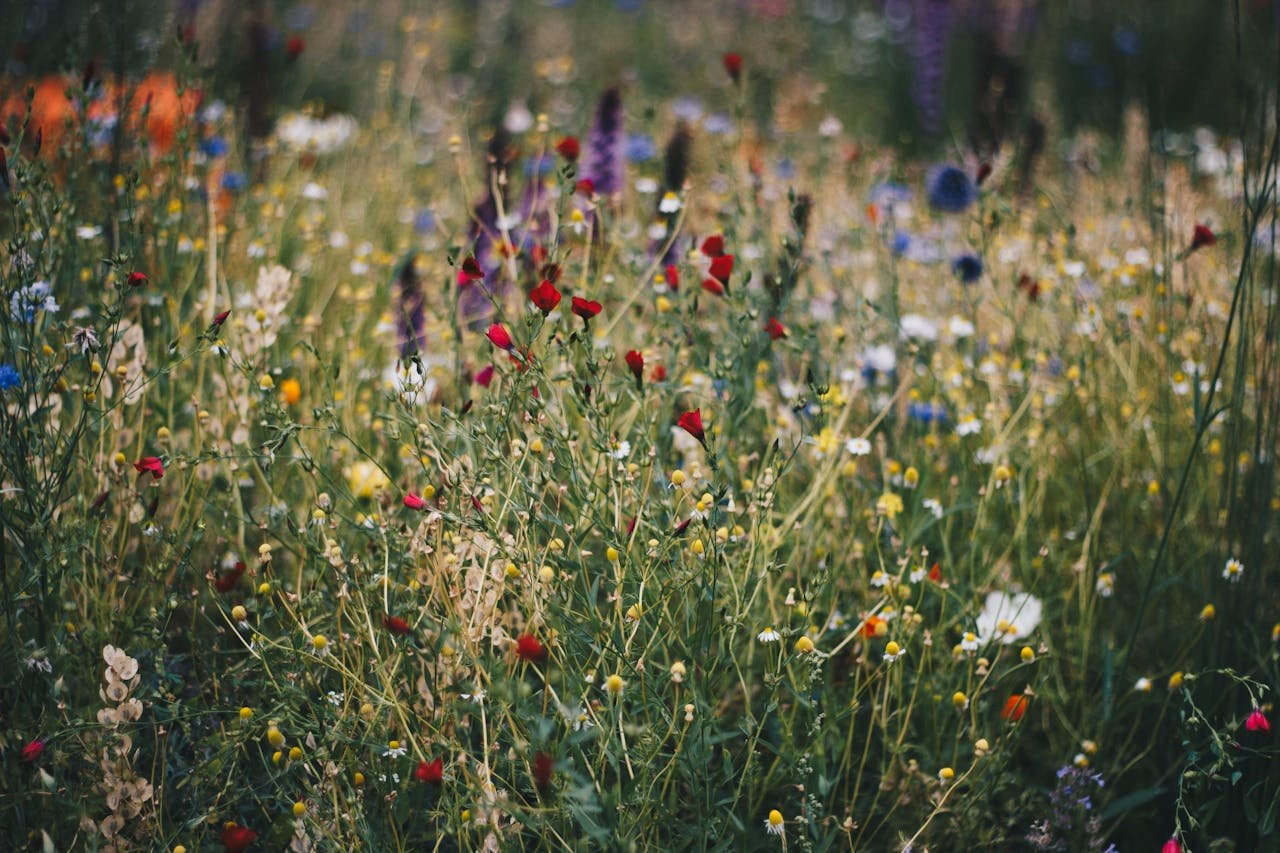
Hong Kong florist known for luxury flower bouquets
Discover a premium selection of seasonal floral arrangements for flower delivery across Hong Kong Island, Kowloon and New Territories
以奢華花束聞名的香港花店
探索香港島、九龍和新界送花的精選季節性插花
Premium flower delivery Hong Kong
When the special occasion calls for luxury blooms, you can’t go wrong with Petal & Poem. Our seasonal range of flower bouquets are crafted from the finest blooms by our master florists.
優質鮮花遞送。 當特殊場合需要奢華花朵時,Petal & Poem 絕對不會出錯。我們的季節性花束系列由我們的花藝大師採用最優質的花朵精心製作。


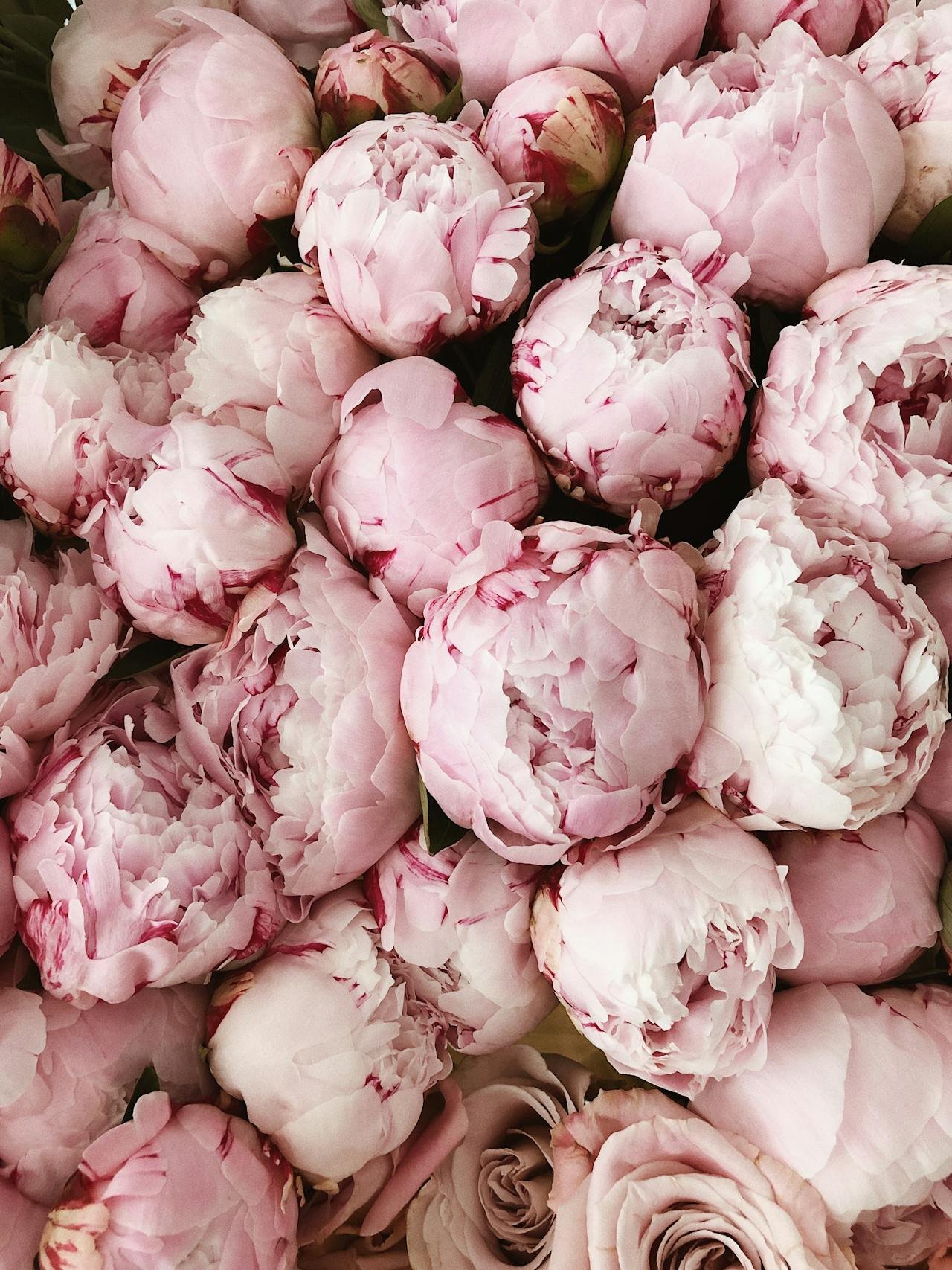
Explore flower arrangements that are created by our award-winning florists

HK Florist

DELIVERY

Workshops
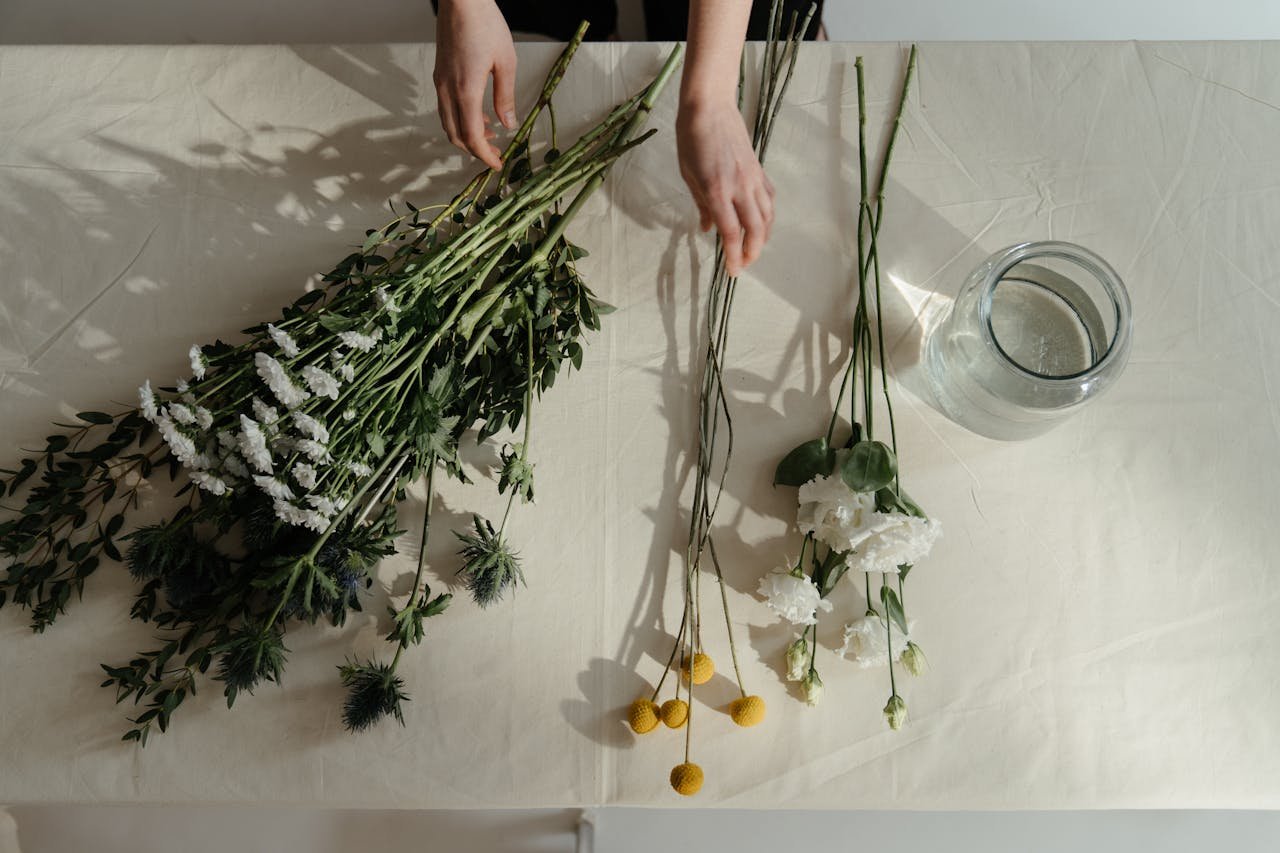
Learn from our master florists at one of our exclusive Hong Kong flower workshops
Florist’s Choice bouquet.
When you are stuck on what flowers to get for a special occasion, let our florists create some extraordinary using the freshest and finest flowers on the day.

白化花卉:植物界的神秘魅力
在大自然色彩繽紛的植物世界中,白化花卉因其稀有且幽靈般的外觀而顯得格外引人注目。這些花朵缺乏典型的色素,使它們呈現出純白或淡雅的外觀。其罕見的美麗令植物學家、園藝愛好者以及自然愛好者深感著迷。
以下將帶您了解白化花卉的科學原理、成因與意義,揭開這一植物界的神秘現象。
什麼是白化花卉?
白化花卉指的是缺乏正常色素的花朵。由於缺少如葉綠素、花青素或類胡蘿蔔素等色素,這些花呈現出白色或半透明的外觀。某些白化花完全呈白色,而有些則可能保留微弱的色彩痕跡。
白化花並非某一獨立的植物品種,而是正常植物中偶然發生的異常現象。
白化花卉的特徵
缺乏色素:
白化花通常呈現純白或透明的外觀,因為缺少葉綠素、花青素等色素。
某些極端情況下,甚至連葉子和莖部都可能受到影響,呈現蒼白或完全白化。
外觀纖弱:
由於缺乏色素,白化花更容易受到環境壓力的影響,例如紫外線輻射或乾燥。
存活率較低:
若白化現象延伸至植物的葉片和莖部,植物可能因無法進行光合作用而生長受限,甚至早夭。
白化現象的成因
白化花卉的出現可能由多種因素引起,包括基因突變、環境壓力或病原感染等。以下是主要原因:
基因突變:
白化現象常由基因突變導致色素生產的機制失效。例如,影響葉綠素合成的基因突變可能導致幼苗出現白化。
表觀遺傳因素:
基因表達的變化(非DNA序列的改變)也可能導致白化。例如,極端溫度或養分不均可能觸發這類變化。
嵌合體現象:
某些植物可能因嵌合體現象而出現部分或區域性的白化,這是指單一植物中存在不同基因組的組織。
病原感染:
病毒感染有時會干擾色素的合成,導致花朵呈現白化。
這種情況通常是暫時的,並可能只影響特定花朵。
雜交繁殖:
異種間的雜交可能導致白化後代,這是因為色素生成途徑的不兼容性。
常見的白化花卉例子
蘭花(如蝴蝶蘭):
白化蘭花因其半透明的白色花瓣而受到收藏家珍視。
這些花通常是繁殖過程中的基因突變所致。
牽牛花(Ipomoea spp.):
偶爾,牽牛花會因自然基因突變而開出白化的花朵,可能完全白化或帶有淡藍或淡粉的痕跡。
玫瑰(Rosa spp.):
白化玫瑰雖然罕見,但可能因特定的基因異常在繁殖過程中出現。
熱帶植物:
如扶桑或九重葛等熱帶植物,偶爾也會在野外出現白化現象,多由環境壓力引起。
植物色素的科學原理
要了解花卉白化現象,首先需要認識植物中色素的作用。三種主要色素負責花朵的顏色:
葉綠素:
負責植物葉片和莖部的綠色。
葉綠素的缺失常導致植物組織呈蒼白或白色。
花青素:
決定花朵的紅色、紫色與藍色。
花青素缺失會使花朵看起來呈白色而非鮮豔色彩。
類胡蘿蔔素:
產生花朵的黃色、橙色與紅色。
缺乏類胡蘿蔔素則導致黃色與橙色的缺失。
當這些色素的合成受到基因或外部因素的影響時,就可能導致花朵白化。
白化植物面臨的挑戰
白化植物因缺乏色素而面臨多種生存挑戰,包括:
光合作用減弱:
白化葉片因葉綠素缺乏而降低了光合作用效率,可能導致生長受限甚至早夭。
環境敏感性增強:
缺乏花青素的白化植物更容易受到紫外線的傷害。
同時,由於顏色不鮮豔,白化花可能對授粉者吸引力較低。
繁殖成功率較低:
若白化花無法吸引足夠的授粉者,其繁殖可能受到影響。
白化花的象徵意義
白化花常被視為純潔、神秘和獨特的象徵。在某些文化中,白化花因其罕見和超凡的外觀而與靈性或超自然聯繫在一起。
文化解讀:
日本文化:
白花(包括白化花)象徵純潔與短暫的美麗。西方傳統:
白花通常與純真、和平和新開始相關聯,而白化花尤其象徵稀有與個性。
如何栽培白化花卉
儘管白化花在野外較為罕見,但一些園藝愛好者與培育者積極種植它們。以下是栽培與維護白化花的建議:
提供遮蔭保護:
白化植物更脆弱,可能需要遮蔭或避免強烈日曬。
優化土壤條件:
使用養分充足且排水良好的土壤,以支持植物的能量需求,彌補光合作用不足。
避免過度澆水:
白化植物更容易因根部積水而腐爛,因此應適度澆水,確保排水良好。
定期檢查害蟲和病害:
由於缺乏色素,白化植物可能更易受害蟲侵害,因此需進行定期檢查。
謹慎繁殖:
白化植物因活力較弱,繁殖可能具有挑戰性,因此需特別注意親本植物的培養。
白化花是植物界的一個神秘現象,展現了自然界的複雜性與美麗。它們的稀有與脆弱令人生敬,而它們的存在也為我們提供了關於基因、進化與生態的寶貴洞見。
無論是在野外發現,還是在花園中栽培,白化花提醒我們大自然的無窮奧秘與令人驚歎之處。透過研究與保護這些獨特的花卉,我們可以加深對地球生命多樣性的欣賞與尊重。
世界最佳高山徒步旅行指南:花卉愛好者的天堂
世界各地的高山地區不僅擁有壯麗的山脈,還提供了無與倫比的野生花卉景觀。從春天到夏末,這些地區的野花爭奇鬥艷,成為愛花者的天堂。以下是一些最適合花卉愛好者的高山徒步旅行地點,這些地方讓您能夠在大自然的懷抱中,盡情欣賞到最美的野花。
1. 瑞士阿爾卑斯山,瑞士 – 恩嘉丁谷 (Engadine Valley)
最佳旅遊時間: 6月到8月
恩嘉丁谷是瑞士最美麗的高山地區之一,這裡的草原和山谷充滿了各種各樣的野花。這個地區盛開著各種鮮豔的花卉,如龍膽花(Gentian)、雪蓮花(Edelweiss)和高山罌粟,為花卉愛好者提供了絕美的視覺享受。
亮點:
聖莫里茲 (St. Moritz): 從這個著名的度假小鎮開始徒步,您將走過被野花點綴的草原。
花卉多樣性: 高山龍膽花、鈴蘭、雪蓮花等在夏季綻放。
植物與動物: 這裡的花卉種類繁多,從精緻的高山玫瑰到稀有的蘭花,所有這些都與壯麗的山脈景觀相輝映。
2. 多洛米蒂山脈,意大利 – 高山路1號 (Alta Via 1)
最佳旅遊時間: 7月到9月
多洛米蒂山脈的獨特岩層和壯麗景觀為徒步旅行提供了完美的背景,而這裡的高山草甸則充滿了各種各樣的野花。高山路1號是一條經典的徒步路線,讓您能夠欣賞到高山美景和野花,像蘭花、高山雛菊和龍膽花等。
亮點:
高山草甸: 您將在路途中看到五顏六色的高山毛茛、銀蓮花和高山龍膽花。
豐富的花卉: 沿途還能見到稀有的雪蓮花和女士拖鞋蘭花,並伴隨壯觀的山脈景色。
多樣的挑戰性: 這條路線適合各種難度的徒步旅行,無論是平緩的路段還是較具挑戰性的攀登,都能帶來野花環繞的壯麗景致。
3. 喜馬拉雅山脈,尼泊爾 – 安納普爾納環線 (Annapurna Circuit)
最佳旅遊時間: 4月到5月,9月到11月
安納普爾納環線徒步旅行以其多樣的地形和文化背景聞名,這裡的森林和高山草甸提供了豐富的野花種類。從杜鵑花森林到高山花卉,這條路線是全球植物愛好者的理想選擇。
亮點:
杜鵑花盛開: 每年春季,山脈和山谷會被各色的杜鵑花染成一片豔麗的色彩。
高山花卉: 標高較高的區域則會出現高山聖母、雪蓮花和高山罌粟等。
文化探索: 除了花卉,您還會經過一些偏遠的村莊和寺廟,體驗當地的文化與自然美景。
4. 加拿大落基山脈,加拿大 – 賈斯珀與班夫國家公園 (Jasper and Banff National Parks)
最佳旅遊時間: 6月到8月
加拿大的落基山脈以其壯麗的景觀、清澈的湖泊和廣闊的高山草甸而著名,這些地方在夏季會變成野花的樂園。班夫和賈斯珀國家公園擁有多條穿越野花草甸的徒步小徑,這裡盛開著各種各樣的野花,包括印第安畫筆、高山 lupine 和 黃金銀蓮花。
亮點:
高山草甸: 例如露易絲湖和莫雷恩湖周圍的小徑提供了最佳的野花觀賞機會。
野花徒步旅行: 拉赫谷和威爾科克斯山口等地是觀賞野花的絕佳路線,尤其是在夏季。
壯麗山脈背景: 除了美麗的花卉,落基山脈的壯觀景致更為這些徒步旅行增添了色彩。
5. 比利牛斯山脈,西班牙/法國 – GR10路徑
最佳旅遊時間: 6月到9月
GR10是貫穿法國比利牛斯山脈的長途徒步路線,這條路線帶您穿越美麗的草甸和山谷,這裡生長著各種野花,如蘭花、龍膽花和百合花等。
亮點:
蘭花與雪蓮花: 沿途可以看到各種蘭花和珍稀的雪蓮花。
野花草甸: 奧索谷 (Vallée d'Ossau) 和 萊斯谷 (Vallee de Lys) 是最著名的花卉觀賞地點。
高山花園: 在一些徒步路段,您還可以參觀當地的高山花園,欣賞更多的野生花卉。
6. 塔特拉山脈,波蘭/斯洛伐克 – 塔特拉國家公園 (Tatra National Park)
最佳旅遊時間: 5月到8月
塔特拉山脈位於波蘭與斯洛伐克之間,是一個高山徒步的理想地點,這裡的高山草甸充滿了五顏六色的野花,如高山番紅花、龍膽花和高山銀蓮花等。
亮點:
高山植物: 塔特拉山的高山草甸和岩石地形繁華著各種花卉,尤其是高山百合和雪蓮。
野花豐富的山谷: 五湖谷(Five Lakes Valley)特別適合野花愛好者,尤其是每年夏季。
多樣的植物群: 這裡擁有多種植物物種,無論是在低海拔的草地還是在高海拔的荒原中,都能見到許多奇花異草。
7. 新西蘭 – 峽灣國家公園 (Fiordland National Park)
最佳旅遊時間: 12月到3月
新西蘭的峽灣國家公園以其壯麗的景色和豐富的植物群而著名,這裡的高山草甸和亞高山地區生長著許多本土植物,包括山地雛菊、錦葵(猴花)和石楠等。
亮點:
崎嶇的景觀: 峽灣國家公園的徒步路線,如路特本道(Routeburn Track),穿越茂密的森林和花卉繁盛的高山草甸。
本土植物: 這裡的高山地區盛開著新西蘭特有的野花,如南極杜鵑花和紅花柱蘭。
壯觀的自然景致: 峽灣和山脈的壯麗景觀為花卉增添了額外的美麗。
8. 蘇格蘭 – 凱恩高姆山脈 (Cairngorms)
最佳旅遊時間: 6月到9月
蘇格蘭的凱恩高姆山脈是當地最著名的高山區域之一,這裡的高山草甸生長著各種獨特的花卉。高山雪龍膽、阿爾卑斯菊和高山毛茛等植物使這裡成為花卉愛好者的理想地點。
亮點:
寒帶高山植物: 凱恩高姆山脈以稀有和精緻的植物而聞名,像是蘇格蘭阿爾甘蝶和高山植物如雪花蓮。
野花滿谷: 如**拉里格格魯(Lairig Ghru)**小徑一樣,這些路線充滿了美麗的高山花卉。
多樣的生物: 這裡有著混合的石南花地帶和未受破壞的高地景觀,這些都孕育著獨特的花卉。
高山徒步旅行不僅能讓您欣賞到壯麗的山脈景觀,還能在遍布野花的草甸中度過美好的時光。無論是在多洛米蒂山脈的荒山間,還是在瑞士阿爾卑斯山的美麗草甸中,這些高山地區都提供了無與倫比的花卉體驗。選擇適合的季節,規劃您的徒步旅行,沉浸於大自然的奇花異草中,感受最純粹的美麗。
The World’s Best Alpine Treks for Flower Lovers
Alpine regions around the world are rich in stunning landscapes, offering not only majestic mountains but also a breathtaking display of wildflowers. From early spring to late summer, these regions come alive with a burst of color, making them paradise for flower enthusiasts. Here’s a Petal & Poem guide to some of the best alpine treks where wildflowers steal the show.
1. Swiss Alps, Switzerland – The Engadine Valley
Best Time to Visit: June to August
The Engadine Valley is one of the most beautiful alpine regions in Switzerland, where flower lovers can walk through meadows adorned with an astonishing variety of wildflowers. This region is home to vibrant blooms like gentians, edelweiss, and alpine poppies, creating a paradise for those looking to experience alpine flora.
Highlights:
St. Moritz: Start your trek from this famous resort town, and head towards hiking routes that wind through fields of wildflowers.
Floral Diversity: Alpine gentians, bluebells, and edelweiss are in full bloom during the summer months.
Flora & Fauna: Encounter a diverse range of flora, from delicate alpine roses to rare orchids, all framed by the spectacular mountain landscape.
2. Dolomites, Italy – Alta Via 1
Best Time to Visit: July to September
The Dolomites, with their unique limestone peaks, are a stunning backdrop for any hike, but what makes this region especially magical for flower lovers is the abundance of alpine meadows. The Alta Via 1 trail is a classic trek that takes you through lush fields filled with alpine plants such as orchids, alpine asters, and gentians.
Highlights:
Alpine Meadows: Expect colorful patches of alpine buttercups, anemones, and Alpine gentians as you make your way through mountain passes.
Rich Flora: Along the trail, you'll encounter species like the rare Edelweiss and the Lady’s Slipper Orchid, all surrounded by dramatic mountain scenery.
Challenging Terrain: The trek offers various difficulty levels, from scenic routes to more challenging climbs with wildflower-filled plateaus.
3. Himalayas, Nepal – Annapurna Circuit
Best Time to Visit: April to May, September to November
The Annapurna Circuit trek is renowned for its diverse landscapes and cultural significance. Flower lovers will appreciate the extensive variety of plants as they pass through forests and alpine meadows. From rhododendron forests to alpine flowers, the circuit presents one of the richest displays of plant life in the world.
Highlights:
Rhododendron Blooms: In spring, the hillsides and valleys are awash in the vibrant colors of rhododendrons.
Alpine Flora: Above the tree line, alpine flowers like primroses, edelweiss, and alpine poppies emerge.
Cultural Exploration: Along with flora, you’ll encounter remote villages and monasteries that provide a cultural backdrop to the natural beauty.
4. Canadian Rockies, Canada – Jasper and Banff National Parks
Best Time to Visit: June to August
The Canadian Rockies offer awe-inspiring landscapes of jagged peaks, crystal-clear lakes, and vast alpine meadows that are full of colorful wildflowers during the summer months. Both Banff and Jasper National Parks feature numerous hiking trails through wildflower-rich terrain, where you can see species like Indian Paintbrush, Alpine Lupine, and Golden Arnica.
Highlights:
Alpine Meadows: The trails around Lake Louise and Moraine Lake in Banff offer spectacular wildflower sightings.
Wildflower Hikes: The Larch Valley and Wilcox Pass offer some of the best wildflower hikes, especially in mid-summer.
Mountain Backdrops: Along with the flowers, the alpine vistas of the Rockies provide a striking contrast to the vibrant blooms.
5. Pyrenees, Spain/France – GR10 Trail
Best Time to Visit: June to September
The GR10 trail is a long-distance hike that spans the length of the French Pyrenees, crossing into Spain. This route takes you through beautiful meadows and valleys dotted with wildflowers, with a diverse range of species found at various altitudes. Wild orchids, gentians, and lilies make for a stunning floral display in this range.
Highlights:
Orchids and Edelweiss: Orchids are a notable highlight along the trail, as well as the rare Edelweiss found at higher altitudes.
Wildflower Meadows: The route through the Vallée d'Ossau and the Vallee de Lys offers some of the best opportunities to see a variety of wildflowers.
Alpine Gardens: In addition to the wildflowers, you can also explore the alpine gardens at several locations along the trek.
6. Tatra Mountains, Poland/Slovakia – Tatra National Park
Best Time to Visit: May to August
The Tatra Mountains, nestled between Poland and Slovakia, are home to some of the most spectacular alpine meadows in Europe. Flower lovers can trek through the Tatra National Park, which is rich in both flora and fauna, including wildflowers such as Alpine Crocus, Gentians, and Mountain Anemone.
Highlights:
Mountain Flora: The Tatra’s high-altitude meadows and rocky terrains are alive with colorful blooms, including rare alpine lilies and snowdrop varieties.
Flower-Filled Valleys: Areas like the Five Lakes Valley are particularly rich in wildflowers, especially during late spring and early summer.
Diverse Flora: Experience the contrast of lush valleys and rugged alpine environments, each offering its own unique floral beauty.
7. New Zealand – Fiordland National Park
Best Time to Visit: December to March
Fiordland National Park, located in the southwestern corner of New Zealand’s South Island, is known for its rugged beauty and abundant wildflowers. The region’s alpine meadows and subalpine areas feature a range of native plants, including mountain daisies, mimulus (monkey flowers), and heath plants.
Highlights:
Rugged Landscapes: Fiordland's trails, such as the Routeburn Track, pass through dense forests and flower-filled alpine meadows.
Native Flora: The area features New Zealand native wildflowers, including the Fuchsia and Celmisia, which grow in the alpine regions.
Scenic Beauty: The magnificent fjords and dramatic peaks provide the perfect backdrop for a wildflower-filled hike.
8. Scotland – The Cairngorms
Best Time to Visit: June to September
The Cairngorms is one of Scotland’s most well-known mountain ranges, offering alpine terrain that is home to a variety of unique flowers. The mountains host a variety of arctic-alpine plants like Snow Gentian, Mountain Avens, and Alpine Buttercups, making it a great destination for those who appreciate the beauty of high-altitude flora.
Highlights:
Arctic-Alpine Flora: The Cairngorms are known for their rare and delicate plants, such as Scotch Argus butterflies and mountain-flowered Thistle species.
Scenic Walks: Trails like the Lairig Ghru pass through the heart of the Cairngorms and offer an incredible variety of alpine flowers.
Biodiversity: The Cairngorms have a mix of heather-covered slopes and pristine highland landscapes that are teeming with unique species.
Alpine treks offer the perfect combination of stunning mountain landscapes and vibrant wildflower meadows, making them ideal for flower enthusiasts. Whether you’re walking through the Dolomites' rugged landscapes, the lush Swiss Alps, or the remote Himalayan trails, you’ll be treated to an unforgettable floral experience. Plan your trek carefully according to the flowering season and enjoy the natural beauty of these alpine havens.
A Guide to Art Materials for Painting Flowers
Painting flowers is a timeless way to capture nature’s beauty, and the materials you use can greatly influence the final result. Whether you're a beginner or an experienced artist, choosing the right tools and mediums can elevate your floral artwork. Here's a comprehensive Petal & Poem Flower Shop guide to the best art materials for painting flowers.
1. Paint Mediums
Acrylic Paint
Why Use It?: Acrylic paint is versatile, fast-drying, and vibrant, making it ideal for bold, colorful floral paintings.
Best For: Modern, abstract, or textured flower art.
Key Tips:
Use a palette knife for added texture.
Add water or acrylic medium to achieve different effects, like watercolor washes or thick impasto.
Watercolor Paint
Why Use It?: Watercolor offers a delicate, translucent effect that works beautifully for flowers with soft petals and subtle gradients.
Best For: Light, airy floral compositions or botanical illustrations.
Key Tips:
Use cold-pressed paper for a textured finish or hot-pressed paper for smooth details.
Layer washes for depth, starting with lighter tones and building darker ones.
Oil Paint
Why Use It?: Oil paint provides rich colors and a buttery texture, allowing for intricate blending and luminous effects.
Best For: Realistic or impressionistic floral paintings.
Key Tips:
Use linseed oil or turpentine to thin the paint and control drying time.
Paint in layers, allowing each layer to dry for the best results.
Gouache Paint
Why Use It?: Gouache combines the opacity of acrylics with the softness of watercolors, making it great for vibrant and detailed floral work.
Best For: Illustrative or graphic floral art.
Key Tips:
Use white gouache to add highlights or mix with colors for pastel tones.
Keep your brush damp but not overly wet to maintain smooth coverage.
Pastels
Why Use Them?: Soft and oil pastels allow for direct application of vivid colors, making them perfect for expressive, textured flower art.
Best For: Impressionistic or loose floral compositions.
Key Tips:
Use pastel paper with a textured surface to hold the pigment.
Blend with your fingers or blending tools for smooth transitions.
2. Brushes
Choosing the right brushes can make all the difference in painting flowers.
Essential Brushes for Flower Painting:
Round Brush: Ideal for painting petals, stems, and intricate details.
Flat Brush: Great for broad strokes, backgrounds, or painting large petals.
Filbert Brush: A versatile brush with a rounded edge, perfect for soft, curved petals.
Liner Brush: Best for fine lines, veins on petals, and delicate stems.
Fan Brush: Useful for creating soft textures, like leaves or background foliage.
Material Options:
Synthetic Brushes: Best for acrylics and watercolors due to their durability and ability to hold water.
Natural Brushes: Made from animal hair, these are ideal for oil painting because they hold paint well and create smooth strokes.
3. Surfaces for Painting Flowers
Paper
Best For: Watercolor, gouache, or pencil-based floral art.
Options:
Cold-Pressed Paper: Textured surface for watercolors.
Hot-Pressed Paper: Smooth surface for detailed illustrations.
Mixed Media Paper: Versatile for watercolors, acrylics, and ink.
Canvas
Best For: Acrylic and oil flower paintings.
Options:
Stretched Canvas: Pre-stretched and ready to use.
Canvas Boards: Affordable and great for practice.
Wood Panels
Best For: Acrylic and oil paints, especially for bold, textured floral art.
4. Drawing Materials for Flower Sketches
Pencils
Graphite Pencils: For initial sketches and shading.
Colored Pencils: For adding soft, detailed color to your flowers.
Watercolor Pencils: Combine drawing and painting by activating the pigment with water.
Charcoal
Ideal for creating dramatic floral sketches with bold contrasts.
Ink and Pens
Micron Pens: Perfect for outlining or adding fine details to flower drawings.
Dip Pens and India Ink: For expressive, bold floral lines or botanical illustrations.
5. Additional Tools
Palette Knives
Great for applying thick paint and creating textured flower petals.
Sponges
Useful for dabbing and creating organic textures in floral backgrounds.
Masking Fluid
Protect areas of your paper while painting around them, especially useful for watercolors.
Blending Tools
Use blending stumps or tortillons for smooth transitions with pastels or pencils.
6. Color Palettes for Flowers
To make your floral paintings vibrant and realistic, consider these tips for color selection:
Primary Colors: Start with primary colors (red, blue, yellow) and mix your own shades for more natural tones.
Earth Tones: Incorporate greens, browns, and yellows for leaves and stems.
Highlights and Shadows: Use white for highlights and complementary colors (like purple for yellow flowers) to create depth in shadows.
7. Inspiration and Practice Tips
Study Real Flowers: Observe flowers in nature or from photos to understand their shapes, colors, and textures.
Try Different Styles: Experiment with realism, impressionism, or abstraction to find your unique approach.
Use References: Look at botanical illustrations or famous floral artworks for inspiration.
Painting flowers can be as simple or complex as you want, depending on your chosen materials and techniques. With the right tools and a little practice, your floral creations will blossom!
2025年婚禮趨勢花卉拱門指南
在2025年,花卉拱門依然是婚禮美學的核心,將自然、藝術與個性化完美融合。以下是打造趨勢花卉拱門的終極指南。
1. 設計趨勢
可持續發展優先: 新人更注重環保設計,選用本地採摘的時令花卉和可重複使用的框架。可以搭配盆栽植物或乾燥花,減少浪費。
非對稱設計: 非對稱拱門持續流行,呈現自然且富有動態的美感,打破傳統對稱的設計。
單色主題: 單色調與漸層設計成為潮流,例如白色與奶油色的漸變,或紅色到粉紅色的過渡。
多樣材質結合: 將花卉與芒草、蕨類、苔蘚及樹枝等元素結合,多樣的質感讓拱門更加豐富立體。
燈光融合: 在拱門中嵌入柔和的LED燈或霓虹燈,為傍晚婚禮增添現代感。
2. 流行花卉選擇
時令花卉: 選擇應季花卉符合環保趨勢。例如春季婚禮適合鬱金香和牡丹,秋季婚禮則多用大麗花和菊花。
特色焦點花卉: 添加引人注目的花朵,如帝王花(Protea)、火鶴花(Anthurium)或蘭花。
乾燥及保存花卉: 使用芒草、漂白蕨類及永生花,既優雅又耐久。
3. 拱門造型與結構
圓形拱門: 圓形拱門象徵永恆,適用於各種風格婚禮。
半月形設計: 新月形拱門充滿夢幻感,僅在一側裝飾花卉更具創意。
懸浮設計: 利用鐵絲或透明繩索打造“漂浮”效果的花卉拱門。
幾何框架: 六邊形、三角形等幾何形狀的拱門增加現代感。
4. 色彩搭配
自然中性色調: 例如陶土色、鼠尾草綠與象牙白,適合波希米亞和極簡風格。
亮麗色系: 電藍、橘紅及桃紅色調為婚禮增添歡慶氛圍。
金屬色點綴: 結合金色或銅色元素,提升拱門的奢華感。
5. 個性化與主題
文化元素: 融入具有文化或地域特色的元素,如傳統花卉或象徵性植物。
季節特色: 添加如漿果、松果或秋葉等符合季節的元素。
愛情故事: 選用具有新人特殊意義的花卉,例如初次約會或家中花園的植物。
6. 環保貼士
避免使用花泥,選擇雞絲網或可降解材質作為花卉支架。
花卉多用途設計,婚禮後的拱門可以改造成餐桌中心裝飾或背景牆。
婚禮結束後將花卉捐贈給醫院或療養院。
7. 拱門的延伸設計
背景搭配: 結合拱門加入布幔、燈串或個性化標牌。
周邊裝飾: 配合拱門設置對應的花路、燈籠或基座。
互動設計: 將拱門設計成拍照區域,吸引賓客參與。
通過結合這些趨勢與設計元素,2025年的婚禮花卉拱門不僅能成為視覺焦點,更能完美展現愛情與個性的獨特魅力。
Guide to Trend-Setting Flower Arches for Weddings in 2025
In 2025, flower arches continue to dominate wedding aesthetics, bringing an enchanting blend of nature, artistry, and personalization to ceremonies. Here’s your ultimate Petal & Poem Florist guide to creating trend-setting flower arches this year.
1. Design Trends in 2025
Sustainability First: Couples prioritize eco-friendly designs with locally sourced, seasonal blooms and reusable frames. Incorporate potted plants or dried flowers to minimize waste.
Asymmetry Rules: Asymmetrical arches remain in vogue, offering an organic and dynamic look. These designs create visual intrigue and break away from traditional symmetry.
Monochromatic Themes: Single-color palettes with varying shades are a hit. Picture a gradient arch of whites blending into soft creams, or bold reds transitioning to blush tones.
Mixed Textures: Combine flowers with diverse materials like pampas grass, ferns, moss, and even branches. Textural variety adds depth and richness to your design.
Neon and Light Integration: Embedding soft LED lights or neon signs into the arch brings a contemporary twist, especially for evening ceremonies.
2. Popular Flower Choices
Seasonal Blooms: Use flowers that are in season to align with the eco-conscious trend. Spring weddings might feature tulips and peonies, while fall weddings lean on dahlias and chrysanthemums.
Unique Focal Blooms: Incorporate eye-catching flowers like proteas, anthuriums, or orchids for a bold statement.
Dried and Preserved Flowers: Pampas grass, bleached ruscus, and preserved roses are popular choices for arches that balance elegance and durability.
3. Arch Shapes and Structures
Circular Arches: Symbolizing eternity, full-circle arches remain timeless yet versatile for modern or rustic themes.
Half-Moon Designs: A crescent-shaped arch feels whimsical and allows for creative placement of florals on one side.
Floating Installations: Suspended arches, created with wire or transparent string, give the illusion of a floating floral masterpiece.
Geometric Frames: Hexagons, triangles, or other angular frames add a modern edge to the floral arch.
4. Color Palettes
Earthy and Neutral Tones: Terracotta, sage green, and ivory are staples for boho and minimalist weddings.
Vibrant Pops: Electric blues, fiery oranges, and fuchsias are gaining traction for bold, celebratory vibes.
Metallic Accents: Combine metallic hues like gold or copper with florals for a luxurious touch.
5. Personalization and Themes
Cultural Influences: Incorporate cultural or regional elements, such as traditional flowers or symbolic foliage.
Seasonal Enhancements: Add elements like berries, pinecones, or autumn leaves for seasonal touches.
Couple’s Story: Use flowers with personal significance, like those from the couple’s first date or home garden.
6. Eco-Friendly Tips
Avoid floral foam, opting for reusable mechanics like chicken wire or biodegradable options.
Use flowers with a dual purpose: arches that can be repurposed as table centerpieces or backdrops.
Donate post-wedding florals to hospitals or care homes.
7. Enhancing the Arch
Backdrop Coordination: Pair arches with draped fabric, fairy lights, or personalized signage.
Surrounding Decor: Complement the arch with matching aisle runners, lanterns, or pedestals.
Interactive Elements: Add a photo booth station around the arch for guest engagement.
By embracing these trends and incorporating thoughtful design elements, 2025’s wedding flower arches can transform into breathtaking focal points, celebrating love and individuality in style.
長距離戀情送花指南:最佳選擇與象徵意義
在長距離戀情中,花卉是一種傳遞愛與思念的美好方式。不同的花有著不同的象徵意義,選擇合適的花可以更好地表達您的心意。以下是一些適合長距離戀情的花卉推薦。
1. 玫瑰花:愛與熱情的經典象徵
紅玫瑰:象徵熱烈的愛情與深深的思念,是戀人之間的經典選擇。
粉玫瑰:柔和的愛意與感謝,適合表達甜蜜的思念。
白玫瑰:純潔與忠誠,傳遞對未來的期許。
建議:可以搭配不同顏色的玫瑰,代表多重心意。例如紅玫瑰與白玫瑰的組合象徵永恆的愛。
2. 康乃馨:深情與思念
康乃馨特別適合作為表達細膩情感的花卉,適合那些重視感情深度的戀人。
粉色康乃馨:象徵溫柔與永恆的愛。
紅色康乃馨:表達濃烈的情感與思念之情。
3. 向日葵:積極與希望
向日葵代表陽光、希望與忠誠。它能帶來正能量,提醒對方即使距離遙遠,愛情仍然充滿光明。
建議:向日葵適合搭配白玫瑰或滿天星,增加柔美的感覺。
4. 滿天星:純潔與思念
滿天星是長距離戀情的絕佳選擇,其細小的花朵象徵綿長的思念與不變的愛。
搭配建議:可與玫瑰或康乃馨搭配,增添層次感與浪漫氛圍。
5. 鬱金香:愛與祝福
鬱金香寓意深厚,特別適合表達愛意與希望未來更加美好的祝福。
紅色鬱金香:愛與熱情。
紫色鬱金香:高貴與忠誠的愛情。
黃色鬱金香:幸福與對未來的期待。
6. 蘭花:優雅與思念
蘭花象徵優雅與深深的思念,是非常有格調的選擇。特別適合喜歡細膩浪漫的對象。
選擇花束的小技巧
個性化搭配:根據對方的喜好選擇顏色與種類,讓花束更具意義。
附上卡片:寫上一句溫暖的話語,讓對方感受到您的真摯心意。
選擇耐久花材:長距離運送時,可以選擇保鮮花或永生花,讓花束的美麗更持久。
花卉是愛情的無聲使者,即使身處不同的城市甚至國家,也能通過一束精心挑選的花,傳遞您的愛與思念。挑選合適的花束,讓愛情在距離中更加堅定與美好!
希望這份指南能幫助您選擇出最適合的花,為您的長距離戀情增添浪漫與甜蜜!
Albino Flowers: A Botanical Mystery
In the vast and colorful tapestry of the plant kingdom, albino flowers stand out as rare, ghostly anomalies. These flowers lack the pigmentation typical of their species, giving them a striking white or pale appearance. Their beauty and rarity make them a subject of fascination for botanists, gardeners, and nature enthusiasts alike.
This Petal & Poem flower shop guide explores the science, causes, and significance of albino flowers, shedding light on one of nature’s most intriguing botanical mysteries.
What Are Albino Flowers?
Albino flowers are flowers that either completely or partially lack pigmentation. The absence of color can result from genetic mutations, environmental factors, or developmental anomalies. In some cases, these flowers appear completely white, while in others, faint traces of color remain.
Albino flowers are not a separate species but rather unusual occurrences within normally pigmented plants.
Characteristics of Albino Flowers
Lack of Pigmentation:
These flowers often appear white or translucent because they lack pigments like chlorophyll, anthocyanins, or carotenoids.
In extreme cases, even leaves and stems may be affected, appearing pale or completely white.
Delicate Appearance:
Albino flowers are often fragile, as the lack of pigments may make them more susceptible to environmental stress, such as UV radiation or dehydration.
Reduced Survival Rates:
If the albinism extends to the leaves and stems, the plant may struggle to photosynthesize, leading to stunted growth or early death.
Causes of Albinism in Flowers
Albino flowers can arise due to several factors, including genetic mutations, environmental triggers, and even viral infections. Here are some key causes:
Genetic Mutations:
Albinism often results from mutations that disrupt the production of pigments.
For example, a mutation in genes controlling chlorophyll synthesis can produce albino seedlings in plants.
Epigenetic Factors:
Changes in gene expression without altering the DNA sequence can sometimes lead to albinism.
Environmental stressors like extreme temperatures or nutrient imbalances may trigger these changes.
Chimerism:
Some plants develop sectors or patches of albinism due to chimerism, where genetically distinct tissues coexist within a single plant.
Pathogenic Infections:
Viral infections can interfere with pigment production, causing flowers to appear albino.
This is often temporary and may only affect specific blooms.
Hybridization:
Cross-breeding between species can sometimes result in albino offspring due to incompatible pigment production pathways.
Examples of Albino Flowers
Orchids (e.g., Phalaenopsis spp.):
Albino orchids, with their translucent white petals, are highly prized by collectors.
These flowers often result from genetic mutations during breeding.
Morning Glories (Ipomoea spp.):
Occasionally, morning glories produce albino blooms due to spontaneous genetic changes.
These flowers may appear completely white or have faint traces of blue or pink.
Roses (Rosa spp.):
Albino roses, though rare, can occur due to specific genetic anomalies during propagation.
Tropical Plants:
Albino varieties of tropical plants like hibiscus or bougainvillea sometimes appear in the wild, often as a result of environmental stress.
The Science Behind Pigments
To understand albinism in flowers, it helps to examine the role of pigments in plants. Three main pigments are responsible for flower coloration:
Chlorophyll:
Responsible for green pigmentation in leaves and stems.
Its absence often results in pale or white plant tissues.
Anthocyanins:
Create red, purple, and blue hues in flowers.
Albinism caused by anthocyanin deficiency can result in flowers appearing white instead of brightly colored.
Carotenoids:
Produce yellow, orange, and red tones.
A lack of carotenoids leads to muted or absent yellow and orange shades.
When the genes or enzymes responsible for producing these pigments are disrupted, albinism can occur.
Challenges Faced by Albino Plants
Albino flowers and plants often face survival challenges due to their lack of pigmentation. Here are a few common issues:
Reduced Photosynthesis:
Albinism in leaves reduces chlorophyll, limiting the plant’s ability to produce energy.
This can result in stunted growth or premature death.
Increased Vulnerability:
The absence of pigments like anthocyanins can make albino plants more sensitive to UV radiation.
They may also be less attractive to pollinators due to their lack of vibrant colors.
Lower Reproductive Success:
Albino plants may struggle to reproduce, especially if their flowers are less visible or fragrant to pollinators.
The Symbolism of Albino Flowers
Albino flowers are often seen as symbols of purity, mystery, and uniqueness. In some cultures, they are associated with the spiritual or supernatural due to their rare and ethereal appearance.
Cultural Interpretations:
In Japanese Culture:
White flowers, including albino variants, symbolize purity and transience.In Western Traditions:
White flowers are often linked to innocence, peace, and new beginnings. Albino flowers, in particular, may represent rarity and individuality.
Cultivating Albino Flowers
While albino flowers are rare in the wild, some gardeners and breeders actively cultivate them. Here are tips for growing and maintaining albino flowers:
Provide Protection:
Albino plants are more delicate and may require shade or protection from harsh sunlight.
Optimize Soil Conditions:
Use nutrient-rich, well-draining soil to support the plant’s energy needs, compensating for reduced photosynthesis.
Avoid Overwatering:
Albino plants may be more prone to root rot. Water sparingly and ensure proper drainage.
Monitor for Pests and Diseases:
Lack of pigmentation may make albino plants more vulnerable to pests, so regular monitoring is essential.
Propagate Carefully:
Propagation from albino flowers is often challenging due to their reduced vigor. Focus on creating optimal growing conditions for parent plants.
Albino flowers are a botanical enigma that highlights the complexity and beauty of nature. Their rarity and fragility make them a wonder to behold, while their existence offers valuable insights into genetics, evolution, and ecology.
Whether discovered in the wild or cultivated in a garden, albino flowers remind us of nature’s ability to surprise and inspire. By studying and protecting these unique blooms, we can deepen our appreciation for the extraordinary diversity of life on Earth.
花朵顏色的進化:數百萬年的演變之旅
花朵的色彩是大自然中最引人注目的特徵之一,從淡雅的白色與柔和的粉色,到鮮艷的紅色與耀眼的藍色,花朵色彩的進化深深嵌入地球生命的歷史中。在數百萬年的演化過程中,花朵通過環境壓力、傳粉者的選擇以及基因突變,逐漸形成了豐富多樣的顏色與樣貌。
本指南將帶您探索花朵顏色的進化歷程、其背後的科學原理,以及花朵與生態夥伴之間錯綜複雜的關係。
1. 花朵早期的顏色:色素的起源
現代花卉的祖先被認為最早出現在約1億4千萬年前的晚侏羅紀或早白堊紀時期。這些早期花卉結構簡單,顏色樸素,可能以綠色或淺色為主,與周圍環境融為一體。當時,花朵的顏色功能更多是為了生存,而非吸引傳粉者。
早期的色素
葉綠素(Chlorophyll):綠色是早期植物的主要色素,負責光合作用並提供能量。
黃酮類(Flavonoids):包括花青素(Anthocyanins)在內的早期色素開始出現,為花朵帶來了最初的黃色、粉色與藍色調。這些色素最初的功能可能是保護植物免受紫外線傷害,而非作為視覺信號。
早期的色素主要是功能性的,而非用於吸引傳粉者。
2. 傳粉者促進顏色進化的關鍵角色
花朵色彩的多樣性很大程度上受到了傳粉者發展的影響。隨著開花植物的多樣化,它們開始吸引動物,如蜜蜂、蝴蝶、鳥類與蝙蝠,協助完成傳粉過程。不同傳粉者對某些顏色的偏好驅動了花朵這些顏色的自然選擇。
花朵與傳粉者的共同進化
蜜蜂:蜜蜂喜歡明亮的藍色、紫色和黃色花朵。花朵進化出紫外線反射圖案(人眼無法看見但蜜蜂可見),引導蜜蜂找到花蜜與花粉。
蝴蝶:蝴蝶偏好紅色、橙色和粉色花朵。這些顏色符合蝴蝶的視覺偏好。
鳥類:如蜂鳥,偏愛紅色與橙色花朵。這些顏色對昆蟲不太顯眼,有助於減少蜜源競爭。
蝙蝠與飛蛾:夜行性傳粉者喜歡白色或淺色花朵,因為在夜間較容易辨認。
經過數百萬年的共同進化,花朵顏色逐漸變得更適合傳粉者的視覺偏好與覓食行為。
3. 花朵顏色的基因機制
花朵顏色的多樣性源自基因突變與植物所生產的色素的複雜交互作用。這些色素也受到環境因素的影響,使植物能夠適應不同的棲息地與傳粉者。
花朵中的主要色素
花青素(Anthocyanins):負責紅色、藍色、紫色與粉色的色調。這些色素非常多變,並且可以隨細胞pH值的變化而改變顏色。
類胡蘿蔔素(Carotenoids):產生黃色、橙色與紅色的色調,也是水果與秋葉顏色的來源。
甜菜鹼(Betalains):存在於某些植物中,產生鮮豔的紅色與黃色,如仙人掌與甜菜。
黃酮類(Flavonoids):除了顏色之外,還可保護植物免受紫外線傷害。
突變如何影響顏色
基因突變可以產生新顏色,例如:
阻斷花青素生成的突變可能使花朵變成白色。
細胞pH值的變化可將花朵顏色從紅色轉為藍色。
不同物種間的雜交常會產生全新的色彩組合。
隨著時間的推移,能夠提高傳粉效率的顏色會受到自然選擇的青睞,進而促進花朵顏色的多樣化。
4. 環境因素對花朵顏色的影響
除了傳粉者,環境壓力也對花朵顏色的進化產生了深遠影響。氣候、地理位置與生態條件都決定了哪些顏色能在特定棲息地中繁盛。
主要的環境因素
海拔與溫度:在高海拔地區,花朵通常顏色更鮮豔,以保護植物免受強烈紫外線的傷害。例如,高山植物以明亮的藍色與紫色著稱。
土壤成分:某些礦物質能影響花朵色素的生成,例如,酸性土壤會強化藍色調,而鹼性土壤則偏向紅色。
光照條件:陰暗環境中的花朵可能會進化出更鮮亮的顏色以突出自己,而沙漠中的花朵通常顯得淺淡,以減少水分流失。
5. 現代花朵進化的趨勢
隨著生態系統的改變與人類活動的影響,花朵顏色的進化仍在持續進行。
顏色擬態
有些花朵透過模仿其他物種的顏色來欺騙傳粉者或掠食者:
蘭花常模仿雌性昆蟲的外觀以吸引雄性傳粉者。
寄生植物如大王花(Rafflesia)模仿腐肉的外觀與氣味以吸引食腐甲蟲。
人類活動的影響
選擇育種:人類對玫瑰、鬱金香與菊花等植物的選擇性繁育,創造出許多嶄新的色彩。
都市化的影響:花朵開始適應城市環境,發展出更顯眼的顏色以吸引城市中的傳粉者。
6. 花朵顏色在生態系統中的角色
花朵顏色不僅僅是美麗的象徵,它們在生態系統中也扮演著重要角色:
提供食物信號:鮮豔的顏色引導傳粉者找到花蜜,確保雙方互利。
嚇阻捕食者:某些顏色警告草食動物植物的毒性。
促進繁殖:吸引特定的傳粉者,幫助植物族群維持基因多樣性。
7. 未來花朵顏色進化的研究方向
隨著氣候變遷與棲息地破壞,科學家正在研究花朵顏色如何繼續進化。研究重點包括:
氣候影響:溫度上升與紫外線強度增加如何影響色素生成與傳粉。
傳粉者減少:傳粉者的喪失如何影響花朵色彩的多樣性。
基因工程:利用CRISPR等工具改變花朵顏色,用於園藝與農業。
花朵顏色的進化是一部關於生物學、環境與時間錯綜交織的故事。從早期樸素的色調到現代鮮艷多姿的花卉,花朵以顏色作為工具,促進了生存、繁殖與生態平衡。了解這些顏色背後的科學與歷史,不僅讓我們更珍視自然,也能深刻體會生命的創造力。
花朵提醒我們,自然界中最細微的細節——例如花瓣的色調——都源自數百萬年的適應、連結與改變。
花卉在全球文化中的儀式性用途指南
花卉在世界各地的文化中,長久以來一直扮演著重要的角色,作為儀式和慶典的一部分,象徵著愛情、生命、死亡、靈性及自然的多種意涵。無論是婚禮、葬禮、宗教儀式還是國家慶典,花卉都在其中發揮著重要作用。以下是花卉在全球文化中所扮演的儀式性角色的指南:
1. 婚禮
花卉在婚禮儀式中具有重要意義,象徵著愛情、繁榮、美麗和純潔。
西方婚禮:在許多西方文化中,花卉常見於新娘的花束、婚禮裝飾和宴會桌上。白色的花朵,如百合和玫瑰,象徵純潔和永恆的愛。花童會撒花瓣,象徵著幸福和祝福。
印度婚禮:花卉在印度教婚禮中也佔有重要地位。萬壽菊、茉莉和蓮花常見於裝飾和新娘的首飾中。萬壽菊被認為能帶來繁榮,並具有驅邪的作用。
日本婚禮:櫻花(“sakura”)是日本婚禮中的常見象徵,代表著美麗與生命的無常。在傳統的神道婚禮中,新郎和新娘可能會互贈花卉,象徵兩個家庭的合併。
2. 葬禮與紀念儀式
在涉及死亡的儀式中,花卉通常用來象徵尊敬、紀念和與死者的聯繫。
西方葬禮:在西方的葬禮上,百合、菊花和玫瑰是常見的花卉。百合象徵著死者靈魂的恢復和純潔,菊花在許多文化中象徵死亡與尊敬。白色的花朵則常用來象徵安息與和平。
墨西哥亡靈節:在墨西哥的亡靈節(Día de los Muertos)上,萬壽菊(“cempasúchil”)是常見的花卉,放置在祭壇和墳墓上。其鮮豔的顏色被認為能指引亡靈返回人間。
中國葬禮:在中國的葬禮上,白色花卉,尤其是菊花,是常見的選擇。菊花象徵著死亡,並且被認為具有長壽的意義。花卉的擺放方式在中國葬禮中有特定的規範,旨在尊敬死者並保證其平安過渡到來世。
3. 宗教與靈性儀式
在各種宗教和靈性儀式中,花卉常被用來象徵虔誠、純潔與神聖的聯繫。
印度教:在印度教的廟宇和祭祀中,花卉如萬壽菊、蓮花和茉莉經常用來奉獻給神明。蓮花象徵著純潔與啟蒙,而萬壽菊則被用來祈求繁榮和避邪。花卉常被作為供品在祈禱儀式(“puja”)中使用。
佛教:在佛教傳統中,蓮花和菊花是常見的奉獻花卉,通常放在寺廟和祭壇上。蓮花象徵著精神上的覺醒,奉獻花卉是一種虔誠的表達,也是對生命無常的反思。
基督教:在許多基督教的宗教儀式中,花卉常用於裝飾教堂、祭壇和墓地。復活節期間,百合花象徵著復活與純潔。在某些基督教傳統中,人們會將花卉獻給聖人或聖母瑪利亞,表達敬意。
伊斯蘭教:雖然花卉在伊斯蘭教中不像在其他宗教中那麼中心,但在如開齋節(Eid)等宗教節日中,花卉用於裝飾,象徵著美麗與上帝創造的完美。
4. 節日與國家慶典
花卉在許多國家慶典中發揮著重要作用,象徵著國家自豪、和平和美麗。
荷蘭 - 鬱金香節:在荷蘭,鬱金香是國花,每年春天的鬱金香節慶祝鬱金香的盛開,象徵著國家自豪。花卉經常用於裝飾和遊行。
泰國 - 宋干節:在泰國的宋干節(泰國新年),如茉莉花是常見的祭祀花卉,並且用來裝飾水。茉莉花代表著純潔,與精神與塵世之間的聯繫。
法國 - 百合花:法國的“百合花”(fleur-de-lis)是法國皇家和純潔的象徵,也是聖三位一體的代表。它常在國家儀式、皇家活動和各種國慶活動中使用。
5. 治療與傳統醫學中的象徵
許多文化中,花卉不僅僅用於儀式,也在治療儀式或與健康相關的象徵意義中扮演著角色。
美洲原住民儀式:在一些美洲原住民文化中,向日葵和鼠尾草是常用的植物。在某些儀式中,鼠尾草用來清潔空間,而向日葵則象徵著活力與力量。
中國醫學:如菊花和牡丹等花卉在中國傳統草藥醫學中也被使用,雖然這些花卉在儀式中並非總是主要角色,但它們在與健康有關的儀式和實踐中,仍然具有深刻的象徵意義。
6. 奉獻與象徵性的禮物
花卉在許多文化中常作為奉獻或禮物,表達感謝、愛意、尊敬或祝賀。
泰國 - 供奉僧侶的花卉:在泰國文化中,向僧侶奉獻花卉(如茉莉花、蘭花和萬壽菊)是常見的日常儀式,這是一種表達敬意和崇敬的行為。
法國 - 花卉節慶:在法國,花卉的交換在“花卉節慶”中非常常見,花卉作為禮物,象徵著祝福與美麗。
7. 和平與和諧的象徵
花卉也象徵著和平、團結和希望,在許多全球性儀式中得到應用。
世界和平日:在世界和平日,花卉常被放置在紀念碑上,或用於和平遊行與守夜。白色的鴿子和白色的花朵,如百合、蘭花和和平百合,代表著和諧與和平。
衝突後的花卉紀念:在自然災害、戰爭或政治衝突後,花卉也經常被用於紀念儀式或紀念活動。將花卉放置在紀念地點,象徵著治癒與和平的共同希望。
花卉在各種文化的儀式中扮演著無可替代的角色,無論是用來慶祝生命、悼念逝者、尊敬神明,還是表達和平與善意,花卉總是以其獨特的方式傳遞著情感與文化的價值。它們在儀式中的存在,不僅美化了場面,也加深了人們與他人、社群及周遭世界的情感與精神聯繫。
Flowers in ceremonial rituals in cultures around the world
Flowers have played a significant role in ceremonies and rituals across cultures for centuries, symbolizing various aspects of life, death, love, spirituality, and nature. Their use in ceremonies ranges from weddings to funerals, religious observances to national celebrations. Here's a Petal & Poem florist guide to understanding how flowers are used for ceremonial purposes in cultures around the world:
1. Weddings
Flowers are integral to wedding ceremonies, symbolizing love, fertility, beauty, and purity across different cultures.
Western Weddings: In many Western cultures, flowers are used in bridal bouquets, centerpieces, and decor. White flowers, such as lilies and roses, symbolize purity and eternal love. The flower girl often scatters petals as the bride walks down the aisle.
Indian Weddings: Flowers are deeply symbolic in Hindu weddings. Marigolds, jasmine, and lotuses are commonly used to decorate the venue and in the bride’s jewelry. Marigolds, in particular, represent prosperity and are believed to ward off evil spirits.
Japanese Weddings: Cherry blossoms, or "sakura," are symbolic of beauty and the fleeting nature of life. In traditional Shinto weddings, the groom and bride might exchange offerings of flowers, often symbolizing the joining of two families.
2. Funerals and Memorial Services
Flowers are often used in ceremonies related to death, symbolizing respect, remembrance, and a connection to the afterlife.
Western Funerals: Flowers like lilies, chrysanthemums, and roses are common at funerals in the West. Lilies represent the restored innocence of the soul of the deceased, while chrysanthemums symbolize death and honor in many cultures. White flowers often represent peace and rest.
Mexican Day of the Dead: During the Day of the Dead (Día de los Muertos), marigold flowers (known as "cempasúchil") are placed on altars and graves. Their vibrant color is believed to guide the spirits of the deceased back to the world of the living.
Chinese Funerals: White flowers, especially chrysanthemums, are often used in Chinese funerals. The chrysanthemum represents death and is seen as a symbol of longevity. Flowers are arranged in specific ways to honor the deceased and ensure a peaceful transition to the afterlife.
3. Religious and Spiritual Rituals
Flowers are used in various religious and spiritual ceremonies to symbolize devotion, purity, and divine connection.
Hinduism: In Hindu temples and rituals, flowers such as marigolds, lotuses, and jasmine are offered to deities. The lotus symbolizes purity and enlightenment, while marigolds are used for their protective and auspicious qualities. Flowers are often offered as part of prayer rituals (puja).
Buddhism: In Buddhist traditions, flowers like lotus blossoms and chrysanthemums are offered at temples and altars. The lotus symbolizes spiritual awakening, and the act of offering flowers is a sign of devotion and the impermanence of life.
Christianity: In many Christian religious ceremonies, flowers are used to decorate churches, altars, and graves. During Easter, lilies symbolize resurrection and purity. In some Christian traditions, flowers are laid at the feet of saints or the Virgin Mary as an offering of reverence.
Islam: Flowers are often used for decorative purposes during religious festivals like Eid. While not as central as in other religions, flowers symbolize beauty and the perfection of God's creation in Islamic culture.
4. Festivals and National Celebrations
Flowers are also featured prominently in many national celebrations, symbolizing national pride, peace, and beauty.
Holland - Tulip Festival: In the Netherlands, the tulip is an iconic flower. The Tulip Festival, held in spring, celebrates the blooming of tulips and is a symbol of national pride. The flower is often used in decorations and parades.
Thailand - Songkran Festival: During the Thai New Year (Songkran), flowers like jasmine are offered in prayer ceremonies and used in decorative water sprinkling. Jasmine represents purity and the link between the spiritual and earthly realms.
France - Fleur-de-lis: The fleur-de-lis, a stylized lily flower, is a symbol of French royalty, purity, and the Holy Trinity. It is often used in state ceremonies, royal events, and in various national celebrations.
5. Healing and Symbolism in Traditional Medicine
In many cultures, flowers are not only ceremonial but are also used in healing rituals or for symbolic purposes related to health and wellness.
Native American Rituals: In some Native American cultures, flowers like the sunflower and sage are used in spiritual ceremonies. Sage is often burned to cleanse spaces, and sunflowers symbolize vitality and strength.
Chinese Medicine: Flowers such as chrysanthemum and peony are used in Chinese herbal medicine. While not always part of ceremonies, these flowers are highly symbolic and used in health-related rituals and practices for healing and balance.
6. Offerings and Symbolic Gifts
Flowers are often given as offerings or gifts in ceremonies across cultures, conveying messages of gratitude, love, respect, and congratulations.
Thailand - Offering Flowers to Monks: In Thai culture, it is common to offer flowers such as jasmine, orchids, and marigolds to monks as part of a daily ritual. This is a sign of respect and reverence for the monks' spiritual practice.
France - La fête des fleurs: In France, the celebration of flowers as an offering is common, particularly during the "Festival of Flowers," where flowers are exchanged as gifts to signify goodwill and beauty.
7. Symbol of Peace and Harmony
Flowers also represent peace, unity, and hope in various global ceremonies.
World Peace Day: On World Peace Day, flowers are laid at memorials or used in peace rallies and vigils. White doves and white flowers such as lilies, orchids, and peace lilies are symbols of harmony and peace.
Floral Tributes in Times of Conflict: Flowers are also used during times of mourning or remembrance, especially in memorials or ceremonies after natural disasters, wars, or political conflict. The act of laying flowers on a memorial site symbolizes a shared hope for healing and peace.
Flowers have an undeniable symbolic significance in ceremonies across cultures. Whether used to celebrate life, mourn loss, honor the divine, or express peace and goodwill, flowers have the unique ability to convey complex emotions and cultural values. Their presence in ceremonies not only beautifies the occasion but deepens the emotional and spiritual connection between individuals, communities, and the world around them.
The Evolution of Flower Colors Over Millions of Years
Flower colors are among the most striking features in the natural world, captivating humans and animals alike. From pale whites and delicate pinks to vibrant reds and brilliant blues, the evolution of flower colors is deeply intertwined with the story of life on Earth. Over millions of years, flowers have developed their vast array of hues through complex evolutionary processes driven by environmental factors, pollinators, and genetic mutations.
In this Petal & Poem florist guide, we’ll explore how flower colors evolved, the science behind their pigmentation, and the intricate relationships between flowers and their ecological partners.
1. Early Flower Colors: The Dawn of Pigmentation
The ancestors of modern flowers, believed to have first appeared over 140 million years ago during the late Jurassic or early Cretaceous period, likely had simple structures and subdued colors. Early flowers may have been pale or greenish in tone, blending in with their environment. Their coloration was more functional than aesthetic, primarily aiding in photosynthesis and protecting against herbivores.
The First Pigments
Chlorophyll: Green pigments dominated early plants, aiding photosynthesis and providing energy.
Flavonoids: These early pigments, which include anthocyanins, started to appear, offering flowers their first shades of yellow, pink, and blue. Initially, flavonoids may have functioned as UV protection rather than visual signals for pollinators.
These early pigments were not designed to attract pollinators but rather to ensure the survival of the plants in harsh environments.
2. Pollinators as Drivers of Color Evolution
The evolution of colorful flowers was largely influenced by the development of mutualistic relationships with pollinators. As flowering plants diversified, they began to attract animals like bees, butterflies, birds, and bats to assist with pollination. Each group of pollinators preferred certain colors, driving the natural selection of flowers with those hues.
Co-Evolution of Flowers and Pollinators
Bees: Bees are attracted to bright colors like blue, violet, and yellow. Flowers evolved UV-reflective patterns, invisible to the human eye but visible to bees, to guide them to nectar and pollen.
Butterflies: Butterflies prefer red, orange, and pink flowers. Their keen vision drove the evolution of these vibrant colors.
Birds: Birds, particularly hummingbirds, favor red and orange flowers. These colors are less visible to insects, reducing competition for nectar.
Bats and Moths: Nocturnal pollinators like bats and moths are attracted to white and pale-colored flowers, which are easier to spot at night.
Through millions of years of co-evolution, flower colors became tailored to the visual preferences and foraging behaviors of their pollinators.
3. Genetic Mechanisms Behind Flower Coloration
The diversity of flower colors arises from genetic mutations and the intricate interplay of pigments produced by plants. These pigments are influenced by environmental factors, enabling plants to adapt to different habitats and pollinators.
Key Pigments in Flowers
Anthocyanins: Responsible for red, blue, purple, and pink hues. These pigments are highly versatile and can change color depending on the pH of the flower’s cells.
Carotenoids: Produce yellow, orange, and red colors. Carotenoids are also responsible for the bright colors in fruits and autumn leaves.
Betalains: Found in certain plants, these pigments generate vibrant reds and yellows, as seen in cacti and beets.
Flavonoids: Beyond color, these pigments protect plants from UV radiation and oxidative stress.
How Mutations Shape Colors
Random genetic mutations in pigment pathways can create new colors. For example:
A mutation blocking anthocyanin production might result in a white flower.
A change in pH could shift a flower’s color from red to blue.
Hybridization between species often produces novel color combinations.
Over time, natural selection favors colors that improve pollination efficiency, leading to a gradual diversification of floral hues.
4. Environmental Factors Shaping Flower Colors
In addition to pollinators, environmental pressures have influenced the evolution of flower colors. Climate, geography, and ecological conditions all play a role in determining which colors thrive in a particular habitat.
Key Environmental Factors
Altitude and Temperature: At higher altitudes, flowers often produce more vibrant pigments to protect against intense UV radiation. For instance, alpine flowers are known for their brilliant blues and purples.
Soil Composition: Certain minerals in the soil can influence flower pigmentation. For example, acidic soils enhance blue tones, while alkaline soils favor red tones.
Light Availability: Flowers in shaded areas may develop brighter colors to stand out, while desert flowers often exhibit lighter, reflective hues to reduce water loss.
5. Evolutionary Trends in Modern Flowers
Flower colors continue to evolve as plant species adapt to changing ecosystems and human influence. Here are some notable trends:
Color Mimicry
Some flowers mimic the colors of other species to deceive pollinators or predators:
Orchids often mimic the appearance of female insects to attract male pollinators.
Parasitic plants like Rafflesia mimic the appearance and smell of rotting flesh to attract carrion beetles.
Color Adaptation to Human Activity
With the rise of agriculture and gardening, humans have become a significant factor in flower color evolution:
Selective breeding has led to the creation of new colors in species like roses, tulips, and chrysanthemums.
Urbanization has created “anthropogenic pollinator syndromes,” where flowers adapt to attract pollinators in cities by shifting their colors to stand out against artificial landscapes.
6. The Role of Flower Colors in Ecosystems
Flower colors are not just beautiful—they play a crucial role in maintaining ecological balance. They:
Signal Food Sources: Bright colors guide pollinators to nectar, ensuring mutual benefit.
Deter Predators: Some flowers use color to warn herbivores of toxicity.
Aid Reproduction: By attracting specific pollinators, flower colors help maintain genetic diversity within plant populations.
7. Future Research on Flower Color Evolution
As climate change and habitat destruction alter ecosystems, researchers are studying how flower colors might continue to evolve. Key areas of study include:
Climate Impact: How rising temperatures and UV levels affect pigmentation and pollination.
Pollinator Decline: How the loss of pollinators influences flower color diversity.
Genetic Engineering: Using CRISPR and other tools to modify flower colors for horticultural and agricultural purposes.
The evolution of flower colors is a testament to the intricate interplay between biology, environment, and time. From their humble beginnings as pale, functional structures to the vibrant and diverse blooms we see today, flowers have used color as a tool for survival, reproduction, and beauty. Understanding the science and history behind these colors deepens our appreciation for the natural world and its remarkable creativity.
Flowers remind us that even the smallest details in nature—like a petal’s hue—are shaped by millions of years of adaptation, connection, and change.
世界各地花卉神祇指南
花卉長久以來一直是美麗、生命、愛情和成長的象徵,許多文化將花卉神格化或與特定的神祇聯繫。世界各地的神話和宗教將花卉或神祇與特定花朵聯繫起來。以下是一些與花卉有關的著名神祇及其背景的指南。
1. Flora – 羅馬神話
角色: 花卉女神,春天與生育的女神。
象徵意義: Flora 代表大自然的綻放、春天的到來和地球的生育力。她的節日 Floralia 是古羅馬的盛大慶典,充滿盛宴、遊戲與舞蹈。
相關花卉: 主要是玫瑰、紫羅蘭、百合和所有綻放的植物。
有趣事實: Flora 經常被描繪成戴著花冠,象徵著她與大自然生長和開花的聯繫。
2. Chloris – 希臘神話
角色: 花卉與春天的女神。
象徵意義: Chloris 是羅馬 Flora 的希臘對應者。她被西風之神 Zephyrus 綁架後變成了花卉女神,掌管花卉之國。
相關花卉: 主要是玫瑰,但也包括所有春天開放的花卉。
有趣事實: 根據神話,Chloris 轉變為花卉女神是因為神賜予她各種花卉,並且她與春天的聯繫象徵著冬天過後的生命重生。
3. Saraswati – 印度神話
角色: 知識、智慧與藝術的女神。
象徵意義: Saraswati 通常與蓮花相聯繫。蓮花是純潔、啟蒙與神聖美的象徵。她與花卉的聯繫彰顯了智慧與美麗的和諧結合。
相關花卉: 蓮花,特別是白蓮花,象徵著精神上的啟蒙。
有趣事實: Saraswati 經常被描繪為坐在白天鵝上,周圍環繞著蓮花,彈奏着音樂樂器 Veena,象徵自然、智慧與美麗的和諧。
4. Kuan Yin (Avalokiteshvara) – 中國與佛教神話
角色: 慈悲與憐憫的菩薩。
象徵意義: Kuan Yin 雖然主要與慈悲和憐憫有關,但也與蓮花花卉有深厚的聯繫,蓮花象徵著純潔與精神覺醒。她代表著關懷、同情,並幫助人們戰勝痛苦。
相關花卉: 蓮花。
有趣事實: 在中國文化中,Kuan Yin 經常持著一瓶甘露或蓮花,象徵她帶來慈悲與療癒的力量。
5. Freyr – 北歐神話
角色: 生育、和平與繁榮之神。
象徵意義: Freyr 是一位與作物生長、收成和繁榮有關的生育神。雖然他與花卉的聯繫並不直接,但他與大自然的循環、成長和繁榮息息相關,反映了花卉在這些過程中的重要性。
相關花卉: 雖然沒有具體指明與 Freyr 直接相關的花卉,但他常與繁榮的土地與充滿生機的作物相關聯。
有趣事實: Freyr 的生育與繁榮之神身份在 Alfablot 節日中得到慶祝,這是迎接春天的節慶。
6. Lada – 斯拉夫神話
角色: 美麗、愛情與生育的女神。
象徵意義: Lada 與花卉的聯繫源自她推動愛情、美麗和大自然生長的角色。她通常在標誌著溫暖季節來臨的節日中受到崇拜。
相關花卉: 堇菜花和春天綻放的其他花卉。
有趣事實: 在斯拉夫傳統中,Lada 通常與歌舞和盛宴一同慶祝,以迎接春天的到來和大自然美麗的重生。
7. Tlaloc – 阿茲特克神話
角色: 雨神與生育之神。
象徵意義: 雖然 Tlaloc 主要與雨水和水有關,但由於他的角色關於滋養大地,他與花卉有著深厚的聯繫。許多描繪中,Tlaloc 的領域中充滿了象徵生命與重生的花卉。
相關花卉: 各種花卉,特別是阿茲特克萬壽菊等在降雨後綻放的花卉。
有趣事實: Tlaloc 經常戴著花冠,或手持花卉,象徵著神聖與植物生長的聯繫。
8. Aphrodite – 希臘神話
角色: 愛情、美麗與欲望的女神。
象徵意義: 雖然 Aphrodite 並非花卉女神,但她與花卉的聯繫強烈,特別是與玫瑰的象徵性聯繫,這些花朵代表了愛與美。
相關花卉: 玫瑰(尤其是紅玫瑰)、桃金孃和其他美麗芬芳的花卉。
有趣事實: Aphrodite 據說是從海中的泡沫中創造了玫瑰,象徵著愛、Beauty 和大自然創造的交織。
9. Xochiquetzal – 阿茲特克神話
角色: 愛情、美麗、生育與花卉的女神。
象徵意義: Xochiquetzal 直接與花卉、愛情和美麗相關聯。她是工藝、女性和花卉的守護女神,體現了生命力的綻放。
相關花卉: 各種花卉,特別是萬壽菊。
有趣事實: Xochiquetzal 經常戴著花冠,並且她的節日是一個充滿生機與愛情的慶典,慶祝花卉的美麗與重生。
10. Oshun – 約魯巴宗教
角色: 愛情、生育與河流的女神。
象徵意義: Oshun 是約魯巴宗教中的一位主要神祇,與水、美麗和生育相關聯。她與花卉的聯繫來自她溫柔和滋養的天性,促進人際關係的美麗與自然界的生長。
相關花卉: 向日葵、萬壽菊和任何黃色或金色的花卉。
有趣事實: Oshun 經常被描繪成穿著金色珠寶並被花卉環繞,象徵著愛情、財富與生育。
世界各地的神話中,花卉象徵著生命、美麗與成長,與花卉相關的神祇也反映了不同文化對大自然循環和花卉崇敬的方式。從羅馬的 Flora 到中國的 Kuan Yin,這些神祇展示了人類對周圍開花生命的深厚敬意,無論是愛、智慧還是繁榮,這些花卉神祇都表達了生命的重生與美麗。
A Guide to the Gods of Flowers Around the World
Flowers have long been a symbol of beauty, life, love, and growth, and many cultures have attributed divine characteristics to them. Across the world, different mythologies and religions have personified flowers or associated deities with specific flowers. Here's a Petal & Poem Florist guide to some of the most prominent gods, goddesses, and figures connected with flowers across various cultures.
1. Flora – Roman Mythology
Role: Goddess of flowers, spring, and fertility.
Symbolism: Flora embodies the flowering of nature, the arrival of spring, and the fertility of the Earth. Her festival, Floralia, was celebrated with feasts, games, and dancing in ancient Rome.
Associated Flowers: Primarily roses, violets, lilies, and all blooming plants.
Fun Fact: Flora was often depicted wearing a crown of flowers, symbolizing her connection to nature's growth and bloom.
2. Chloris – Greek Mythology
Role: Goddess of flowers and spring.
Symbolism: Chloris is the Greek counterpart to the Roman Flora. She was said to transform into a goddess after being abducted by Zephyrus, the god of the west wind, who made her the queen of flowers.
Associated Flowers: Primarily roses, but also all flowers that bloom in spring.
Fun Fact: According to myth, Chloris’ transformation into the goddess of flowers followed the gift of flowers from the gods, and her connection to spring reflects the renewal of life after winter.
3. Saraswati – Hindu Mythology
Role: Goddess of wisdom, knowledge, and the arts.
Symbolism: Saraswati is often associated with lotus flowers. The lotus is a symbol of purity, enlightenment, and divine beauty. Her connection with flowers highlights the harmonious balance of intellect and beauty.
Associated Flowers: Lotus, particularly the white lotus, which symbolizes spiritual enlightenment.
Fun Fact: Saraswati is depicted sitting on a white swan, often surrounded by lotuses, playing the veena (a musical instrument), symbolizing the harmony of nature, beauty, and wisdom.
4. Kuan Yin (Avalokiteshvara) – Chinese and Buddhist Mythology
Role: Bodhisattva of compassion and mercy.
Symbolism: Kuan Yin is often associated with the lotus flower, representing purity and spiritual awakening. She embodies kindness, compassion, and the ability to aid in overcoming suffering.
Associated Flowers: Lotus flower.
Fun Fact: In Chinese culture, Kuan Yin is often seen holding a vase of nectar or a lotus flower, symbolizing her role in delivering compassion and healing.
5. Freyr – Norse Mythology
Role: God of fertility, peace, and prosperity.
Symbolism: Freyr is a fertility god closely associated with the growing of crops, harvests, and prosperity. His connection to flowers reflects his dominion over growth, natural cycles, and prosperity in the land.
Associated Flowers: While no specific flowers are tied directly to Freyr, he is often depicted in relation to lush, fertile lands and abundant crops.
Fun Fact: Freyr's association with fertility and abundance was celebrated during the festival of Alfablot, marking the end of winter and the arrival of spring.
6. Lada – Slavic Mythology
Role: Goddess of beauty, love, and fertility.
Symbolism: Lada’s connection to flowers stems from her role in promoting love, beauty, and the growth of nature. She is often honored during festivals marking the beginning of the warm season.
Associated Flowers: Primroses and other flowers that bloom in the spring.
Fun Fact: In Slavic traditions, Lada was celebrated with songs, dances, and feasts to welcome the arrival of spring and the renewal of nature's beauty.
7. Tlaloc – Aztec Mythology
Role: God of rain and fertility.
Symbolism: Tlaloc, though primarily associated with rain and water, is deeply connected with the growth of plants and flowers because of his role in nurturing the earth with rain. In many depictions, he is seen with flowers in his realm as symbols of life and renewal.
Associated Flowers: Various flowers, particularly those that bloom after rainfall, such as the Aztec marigold.
Fun Fact: Tlaloc was often depicted wearing a crown of flowers or holding them in his hands, representing the connection between the divine and the flourishing of plant life.
8. Aphrodite – Greek Mythology
Role: Goddess of love, beauty, and desire.
Symbolism: Aphrodite, though not directly a goddess of flowers, has a close connection to them through her symbolism of love and beauty. The rose, which is often associated with her, is a key flower linked to Aphrodite.
Associated Flowers: Roses (especially red roses), myrtle, and other beautiful, fragrant flowers.
Fun Fact: Aphrodite is said to have created the rose from the foam of the sea, a symbol of the intertwined nature of love, beauty, and nature’s creations.
9. Xochiquetzal – Aztec Mythology
Role: Goddess of love, beauty, fertility, and flowers.
Symbolism: Xochiquetzal is directly associated with flowers, love, and the cultivation of beauty. She is the patron goddess of artisans, women, and flowers, embodying the life force that blooms in nature.
Associated Flowers: Flowers of all kinds, but particularly the marigold.
Fun Fact: Xochiquetzal is often depicted with a crown of flowers, and her festival is a vibrant celebration of blooming life, beauty, and love.
10. Oshun – Yoruba Religion
Role: Goddess of love, fertility, and rivers.
Symbolism: Oshun is a prominent Orisha in Yoruba religion, connected with water, beauty, and fertility. Her association with flowers stems from her gentle and nurturing nature, fostering the beauty of both human relationships and the natural world.
Associated Flowers: Sunflowers, marigolds, and any yellow or gold-colored flowers.
Fun Fact: Oshun is often depicted wearing golden jewelry and surrounded by flowers, especially those that represent love, wealth, and fertility.
Flowers, in various mythologies around the world, symbolize life, beauty, and growth, and the gods and goddesses associated with them reflect the diverse ways different cultures honor nature's cycles. From the goddess Flora in Rome to the compassionate Kuan Yin in China, the divine connection to flowers is one of beauty, fertility, and renewal. Whether representing love, wisdom, or abundance, these deities show how deeply humanity has revered the blooming life around them.
花卉在生態系統中的角色:超越美麗的基本功能

An enchanting ensemble of delicate blooms that evoke an ethereal symphony of colours and fragrances. This captivating arrangement features an assortment of pastel-hued seasonal flowers, meticulously hand-picked to convey a sense of timeless elegance and grace. Each stem is artfully arranged to showcase the natural beauty of the flowers, creating a harmonious composition that indulges the senses. Soft pinks, creamy whites, and gentle lavenders dance together in perfect balance, exuding a serene and romantic aura that is simply mesmerizing.
Proceed to checkout to choose a Delivery Date and write a Message Card.
Flower variety may differ according to seasonality, but will always be of similar style, quality and value.
:: Mini bouquet measures approximately 15cm in diameter
:: Small bouquet measures approximately 25cm in diameter
:: Medium bouquet measures approximately 30cm in diameter
:: Large bouquet measures approximately 35cm in diameter
:: Extra Large bouquet measures approximately 40cm in diameter
Image represents Large size
You can add a glass vase to your order here
花卉經常被視為大自然的裝飾品,為我們的世界增添了生動的色彩和宜人的香氣。然而,它們的美麗只是表面,花卉在維持生態平衡和支持多種生命形式中扮演著至關重要的角色。從授粉到養分循環,花卉在生態系統中有著許多超越外表的重要功能。本指南將探討花卉在生態系統中的關鍵角色,以及它們為地球健康所做的貢獻。
1. 授粉:促進植物物種的繁殖
花卉最重要的功能之一就是它們在授粉中的作用。花是植物的繁殖器官,依賴於授粉者來幫助花粉的轉移,促進受精並產生種子。授粉對許多植物物種的生存和繁殖至關重要,並且對全球食品生產有著巨大的影響。
A. 授粉者與植物的關係
花卉透過色彩、香氣和花蜜等多種信號吸引授粉者,這些授粉者包括蜜蜂、蝴蝶、鳥類、蝙蝠,甚至是風。當這些授粉者前來收集花蜜或花粉時,它們無意中將花粉從一朵花轉移到另一朵,幫助進行受精過程。
蜜蜂:蜜蜂是最有效的授粉者,尤其喜愛藍色、黃色等明亮的花朵,以及具有強烈香氣的花卉。
蝴蝶和蛾子:這些昆蟲被花卉的甜美水果香氣和鮮豔的色彩吸引,對夜間開花的植物尤為重要。
鳥類:以吸食花蜜為生的蜂鳥被管狀形狀的紅色、橙色和黃色花卉吸引。
風授粉:一些花卉,如草本植物和某些樹木,依賴風來傳播花粉,無需動物授粉者。
透過幫助授粉過程,花卉使植物得以繁殖,並且產生果實、種子和後代,從而保證了物種的多樣性和食物安全。
B. 對食品供應的影響
花卉與其授粉者密切相關,直接支持許多作物的生長,這些作物不僅供應人類食物,也為野生動植物提供養分。沒有花卉和授粉者,全球的食品供應將面臨巨大風險。
結果植物、穀物和豆類都依賴授粉者進行繁殖。沒有花卉和它們的授粉者,許多重要農作物將無法生長。
2. 野生動植物的棲息地:提供庇護和養分
花卉不僅支持授粉者,還作為許多其他野生動植物的棲息地和食物來源。從昆蟲到較大的動物,花卉對維持生態系統健康至關重要,提供了庇護所、食物以及繁殖場所。
A. 支援授粉者與有益昆蟲
除了蜜蜂,許多授粉者和有益昆蟲也依賴花卉作為生存的基礎。這些昆蟲包括:
瓢蟲:這些昆蟲以蚜蟲和其他害蟲為食,有助於保持植物的健康,從而支持生態系統的平衡。
蝴蝶:蝴蝶需要花蜜來滋養生命週期,並且它們本身也成為許多鳥類的獵物,維持著食物鏈的平衡。
甲蟲與蒼蠅:許多花卉吸引甲蟲與蒼蠅,這些昆蟲要麼幫助授粉,要麼充當分解者,幫助分解植物物質。
B. 大型野生動物的食物來源
花卉也在支撐草食性動物方面發揮了重要作用,直接通過花蜜或間接通過它們所支持的植物,成為食物來源。
鳥類:許多鳥類以花卉產生的種子和果實為食,這些食物富含營養。
小型哺乳動物:如松鼠、兔子和鹿等動物會以花瓣、種子或果實為食,這些動物在種子傳播中發揮著至關重要的作用。
蝙蝠:某些蝙蝠物種依賴花卉的花蜜為食,並提供相互授粉的服務。
透過支持多種生物,花卉幫助維持生態系統中的微妙平衡。
3. 土壤健康:促進肥沃和防止侵蝕
花卉在土壤健康方面也扮演著重要角色。某些花卉物種有助於養分循環、增強土壤結構並防止侵蝕,對維護陸地生態系統的健康至關重要。
A. 開花植物與氮固定
一些開花植物,特別是豆科植物,如三葉草和豆類,能夠透過與根部細菌的共生關係“固定”土壤中的氮。這個過程將空氣中的氮轉換為植物可以利用的形式,從而使土壤更加肥沃,有利於其他植物的生長。
三葉草:常用於覆蓋作物,三葉草能夠為土壤補充氮,對花園和農田都非常有益。
豆類:這些豆科植物通過固定氮,為土壤提供氮源,對改善土壤肥力至關重要。
B. 防止侵蝕
某些開花植物,尤其是具有深根系或廣泛根系的植物,有助於穩定土壤並防止侵蝕。它們的根系將土壤緊緊固定在一起,減少風力和水力侵蝕的影響,確保土地保持肥沃和生產力。
野生花卉:本地的野生花卉,如金鶏菊和紫錐花,根系較長,有助於穩定田地、路邊和自然景觀中的土壤。
覆蓋作物:如毛豆和蕎麥等迅速生長並蔓延的開花植物可以保護土壤表面,防止降水和風的侵蝕。
透過促進土壤健康並防止侵蝕,花卉對維持生態系統的可持續性起到了至關重要的作用。
4. 碳封存:應對氣候變化
花卉作為植物群的一部分,對碳封存起著至關重要的作用——即吸收大氣中的二氧化碳並將其儲存在植物組織中。植物,包括開花植物,通過光合作用吸收二氧化碳並將其儲存在葉片、莖部和根部。
A. 吸收二氧化碳
花卉與所有植物一起幫助減少大氣中的二氧化碳,進而幫助應對氣候變化。這有助於調節全球氣溫並維持健康的環境。
樹木和灌木:這些具有開花物種的植物因其比小型植物更大規模的生物質而對碳儲存有更大的貢獻。
草地和野花草甸:即使是本地的野花也在碳封存中發揮作用,特別是在用於保護的自然環境中。
通過捕捉和儲存碳,花卉和植物有助於減少溫室氣體的影響,並維持氣候的穩定。
5. 美學與文化意義:加強人類與大自然的聯繫
除了其生態作用,花卉在文化、精神和美學方面對人類具有深遠的意義。花卉激發了藝術、音樂、文學和慶典,創造了人類與自然界之間的深厚聯繫。
A. 文化意義
花卉在許多文化中具有儀式、節慶和象徵意義。例如:
蓮花:在許多亞洲文化中,蓮花象徵著純潔和啟蒙。
菊花:在日本,菊花與長壽相關,並且在節慶和儀式中被使用。
B. 美學與情感價值
花卉為景觀、花園和自然環境增添了美感,並且已被證明能夠增強人類的福祉、減少壓力,並促進心理健康,創造愉悅、宜人的環境。
花園:花卉花園為人們提供放鬆、反思和與自然聯繫的空間。
社區與環境項目:許多本地環保項目利用花卉來美化城市區域並增強綠地。
花卉在生態系統中的多面角色
花卉遠不僅是景觀中的美麗裝飾品,它們是生態系統健康與穩定的核心。從促進授粉、支持野生動物、改善土壤健康到對抗氣候變化,花卉提供了許多至關重要的生態功能,這些功能維持了地球生命的運轉。通過理解和欣賞這些基本角色,我們可以更好地保護和保存花卉及其所依賴的生態系統。花卉不僅是大自然的裝飾品;它們是支持地球多樣性、健康和未來的生命力量。
The Role of Flowers in the Ecosystem: Essential Functions Beyond Beauty

A vibrant and captivating floral arrangement that embodies the essence of joyful adventures and warm summer days. The star of this bouquet is the resplendent sunflower, radiating with golden hues that mirror the sun's touch. Complementing this stunning centerpiece are an assortment of equally enchanting blooms, each carefully selected to evoke the feeling of winding through sun-kissed fields.
Proceed to checkout to choose a Delivery Date and write a Message Card.
Flower variety may differ according to seasonality, but will always be of similar style, quality and value.
:: Mini bouquet measures approximately 15cm in diameter
:: Small bouquet measures approximately 25cm in diameter
:: Medium bouquet measures approximately 30cm in diameter
:: Large bouquet measures approximately 35cm in diameter
:: Extra Large bouquet measures approximately 40cm in diameter
Image represents Large size
You can add a glass vase to your order here
Flowers are often seen as nature’s decorations, adding vibrant colors and pleasant fragrances to our world. However, their beauty is just the surface of their importance. Flowers play a critical role in maintaining ecological balance and supporting a wide range of life forms. From pollination to nutrient cycling, flowers have essential functions that go far beyond what meets the eye. In this guide, we will explore the vital roles that flowers play in ecosystems and why they are indispensable for the health of our planet.
1. Pollination: Facilitating Reproduction Across Plant Species
One of the most critical functions of flowers is their role in pollination. Flowers are the reproductive organs of plants, and they rely on pollinators to facilitate the transfer of pollen, enabling fertilization and the production of seeds. Pollination is essential for the survival and reproduction of many plant species and contributes significantly to global food production.
A. Pollinator-Plant Relationships
Flowers attract pollinators, including bees, butterflies, birds, bats, and even the wind, through various signals like color, scent, and nectar. As these pollinators visit flowers to collect nectar or pollen, they inadvertently transfer pollen from one flower to another, aiding in the fertilization process.
Bees: Bees are the most efficient pollinators and are attracted to brightly colored flowers, especially blue and yellow, as well as those with strong fragrances.
Butterflies and Moths: These insects are drawn to flowers with sweet, fruity scents and bright colors. They are particularly important for pollinating night-blooming plants.
Birds: Hummingbirds, which feed on nectar, are attracted to tubular, brightly colored flowers like red, orange, and yellow.
Wind Pollination: Some flowers, such as grasses and certain trees, rely on wind to disperse pollen, eliminating the need for animal pollinators.
By aiding in the pollination process, flowers enable plants to produce fruits, seeds, and offspring, ensuring biodiversity and food security.
B. Impact on Food Supply
Flowers are directly responsible for producing many of the crops that feed humans and wildlife. Fruit-bearing plants, grains, and legumes all rely on pollinators to reproduce. Without flowers and their pollinators, much of the global food supply would be at risk.
2. Habitat for Wildlife: Providing Shelter and Nourishment
Flowers not only support pollinators but also serve as a crucial habitat and food source for many other forms of wildlife. From insects to larger animals, flowers contribute to the ecosystem by providing shelter, food, and a place for reproduction.
A. Support for Pollinators and Beneficial Insects
Beyond honeybees, a wide variety of pollinators and beneficial insects rely on flowers for sustenance. These insects include:
Ladybugs: These insects feed on aphids and other pests that can harm plants, helping to maintain a healthy garden or ecosystem.
Butterflies: These creatures need nectar to fuel their life cycles and also serve as important prey for birds, maintaining a balance in the food chain.
Beetles and Flies: Many flowers attract beetles and flies, which may help with pollination or serve as decomposers, breaking down plant material.
B. Food for Larger Wildlife
Flowers also play a vital role in sustaining herbivores, providing food directly through nectar or indirectly by contributing to the plants that form the base of the food web.
Birds: Many species of birds feed on seeds and fruits produced by flowering plants, which are rich in essential nutrients.
Small Mammals: Animals like squirrels, rabbits, and deer feed on flower petals, seeds, or fruit, playing an essential role in seed dispersal.
Bats: Certain species of bats rely on nectar from flowers for food, while also providing pollination services in return.
By sustaining a wide variety of creatures, flowers help maintain the delicate balance of ecosystems.
3. Soil Health: Enhancing Fertility and Erosion Control
Flowers also play an important role in soil health. Certain flower species contribute to the nutrient cycle, enhance soil structure, and prevent erosion, making them valuable for maintaining the health of terrestrial ecosystems.
A. Flowering Plants and Nitrogen Fixation
Some flowering plants, particularly legumes like clover and beans, have the ability to "fix" nitrogen in the soil through a symbiotic relationship with bacteria in their roots. This process converts nitrogen from the air into a form that plants can use for growth, enriching the soil and making it more fertile for other plants.
Clover: Commonly used in cover cropping, clover adds nitrogen to the soil, benefiting both flower beds and agricultural fields.
Beans: These legumes play a crucial role in improving soil fertility by adding nitrogen, which is essential for plant health.
B. Erosion Control
Flowering plants, particularly those with deep or extensive root systems, help stabilize the soil and prevent erosion. Their roots bind the soil together, reducing the impact of wind and water erosion, and ensuring that the land remains fertile and productive.
Wildflowers: Native wildflowers, such as goldenrod and coneflowers, have long roots that help stabilize the soil in fields, along roadsides, and in natural landscapes.
Cover Crops: Flowering plants that grow quickly and spread, like vetch or buckwheat, can prevent soil erosion by protecting the soil surface from rainfall and wind.
By enriching soil health and preventing erosion, flowers contribute to the long-term sustainability of ecosystems.
4. Carbon Sequestration: Combatting Climate Change
Flowers, as part of the broader plant community, play an essential role in carbon sequestration—the process of absorbing carbon dioxide from the atmosphere and storing it in plant tissues. Plants, including flowering species, absorb CO2 through photosynthesis and store carbon in their leaves, stems, and roots.
A. Absorbing CO2
Flowers, along with all plants, help to mitigate the effects of climate change by reducing the amount of carbon dioxide in the atmosphere. This helps regulate global temperatures and supports a healthier environment.
Trees and shrubs with flowering species contribute to carbon storage on a larger scale, as they have more biomass than smaller plants.
Grasslands and wildflower meadows also play a role in sequestering carbon, especially in areas where native wildflowers are planted for conservation.
By capturing and storing carbon, flowers and plants help reduce the impact of greenhouse gases and maintain a more stable climate.
5. Aesthetic and Cultural Significance: Strengthening Human Connections to Nature
Beyond their ecological roles, flowers have deep cultural, spiritual, and aesthetic significance for humans. Flowers inspire art, music, literature, and celebrations, creating strong connections between people and the natural world.
A. Cultural Importance
Flowers are used in many cultures for rituals, festivals, and symbolism. For instance:
Lotus: In many Asian cultures, the lotus is a symbol of purity and enlightenment.
Chrysanthemums: In Japan, chrysanthemums are associated with longevity and are used in festivals and ceremonies.
B. Aesthetic and Emotional Value
Flowers contribute to the beauty of landscapes, gardens, and natural settings. They have been shown to enhance human well-being, reduce stress, and promote mental health by creating pleasant, inviting environments.
Gardens: Flower gardens provide spaces for relaxation, reflection, and connection with nature.
Community and Environmental Projects: Many local environmental initiatives incorporate flowers to beautify urban areas and enhance green spaces.
The Multifaceted Role of Flowers in Ecosystems
Flowers are far more than just beautiful ornaments in the landscape—they are integral to the health and stability of ecosystems. From facilitating pollination and supporting wildlife to improving soil fertility and combating climate change, flowers provide vital ecological functions that sustain life on Earth. By understanding and appreciating these essential roles, we can better protect and preserve flowers and the ecosystems that depend on them for survival. Flowers are not just nature’s decoration; they are the life-giving force that supports the planet’s biodiversity, health, and future.
A Look Inside the Floral Designs for Royal and Celebrity Weddings
Floral arrangements at royal and celebrity weddings are a feast for the eyes, often featuring lavish designs and unique blooms that reflect the grandeur and personal style of the couple. From opulent displays to intricate details, flowers play a significant role in setting the tone for these highly anticipated events. Here's an inside look at the floral designs behind some of the most iconic royal and celebrity weddings, highlighting the creativity, craftsmanship, and symbolic meanings that go into creating such stunning displays.
1. The Extravagance of Royal Weddings
Royal weddings are famous for their lavish décor, with flowers being an integral part of the celebration. Floral designers working on royal weddings are tasked with creating designs that are both elegant and timeless, often featuring blooms that symbolize tradition, heritage, and new beginnings.
A. Prince William and Kate Middleton's Wedding (2011)
Key Floral Elements: Kate Middleton's wedding to Prince William featured a stunning mix of flowers, with lily of the valley as the focal point in her bouquet, symbolizing purity and sweetness. The floral arrangements throughout Westminster Abbey were understated yet elegant, using white roses, white orchids, and sweet peas, which are all associated with love and new beginnings.
Floral Design Aesthetic: The arrangement was inspired by the English countryside, reflecting the couple’s love for nature and their heritage. The flowers used were mostly British-grown, including hydrangeas, roses, and wisteria, giving the ceremony a regal, yet romantic atmosphere.
Symbolism: The lily of the valley bouquet was not just a symbol of purity but also a tribute to Princess Diana, who had worn them in her own bridal bouquet.
B. Meghan Markle and Prince Harry's Wedding (2018)
Key Floral Elements: Meghan Markle’s wedding bouquet was one of the most personal and symbolic floral designs in recent royal history. The negrita roses, lily of the valley, astilbe, and forget-me-nots were chosen for their meanings: forget-me-nots in honor of Princess Diana, who had a strong love for the flower, and the other flowers represented love, beauty, and new beginnings.
Floral Design Aesthetic: The floral arrangements inside St. George’s Chapel were an exquisite blend of white peonies, white garden roses, and astrantia, as well as local, British-grown foxgloves and roses. The lush, romantic feel was balanced with a more modern touch, using greenery such as olive branches for peace and laurel for resilience.
Symbolism: Meghan's bouquet was designed with a deeply personal touch to honor her late mother-in-law, Princess Diana, and her own journey toward finding love.
C. Princess Eugenie and Jack Brooksbank's Wedding (2018)
Key Floral Elements: Princess Eugenie’s wedding featured an even bolder floral statement. The floral arches that adorned St. George’s Chapel were adorned with large white blooms and greenery, making them a dramatic focal point. Autumnal florals like roses, hydrangeas, berries, and heather reflected the fall season, symbolizing the harvest and new life.
Floral Design Aesthetic: The theme was rustic yet regal, with cascading florals paired with a variety of leaves in rich, deep tones. A mix of bright orange and red roses alongside dark greenery added a burst of color that was both sophisticated and seasonal.
Symbolism: The choice of autumnal flowers mirrored the season of their wedding and represented new beginnings and fertility.
2. Celebrity Wedding Floral Designs
Celebrity weddings often blend high-fashion elements with personalized touches, and floral designs are no exception. From grand floral chandeliers to stunning table arrangements, celebrity floral designs push the boundaries of creativity, offering unique floral statements.
A. Kim Kardashian and Kanye West's Wedding (2014)
Key Floral Elements: Kim Kardashian and Kanye West’s wedding in Florence featured some of the most lavish floral arrangements in recent memory. Peonies, roses, and gardenias were used in abundance. The couple's floral designer, Jeff Leatham, created an extraordinary floral display, including towering arrangements that filled the venue with an air of opulence.
Floral Design Aesthetic: The floral décor was contemporary and luxurious, with all-white florals filling the space. The use of large, dramatic arrangements created a sense of grandeur, while smaller details, such as rose petals on the aisle and delicate garden roses, added intimacy.
Symbolism: The color white was chosen to represent purity and new beginnings, creating a sophisticated and clean aesthetic.
B. Priyanka Chopra and Nick Jonas' Wedding (2018)
Key Floral Elements: Priyanka Chopra and Nick Jonas’s multi-day wedding celebration featured lavish floral displays that incorporated both traditional Indian and Western elements. The mandap (wedding altar) was adorned with opulent white roses, dahlias, and orchids in shades of pink and ivory.
Floral Design Aesthetic: The décor combined vibrant hues with delicate, romantic florals. For the Christian ceremony, tulips and roses were chosen in soft tones of white and pink, while the Indian ceremony had an explosion of marigolds and red roses, symbolizing love and prosperity.
Symbolism: The use of marigolds during the Indian ceremony had cultural significance, representing life and good fortune, while the white roses symbolized purity and new beginnings during their Western ceremony.
C. Beyoncé and Jay-Z's Wedding (2008)
Key Floral Elements: Beyoncé and Jay-Z’s wedding floral design was a chic blend of luxury and simplicity. While not much was revealed about the specific flowers, rumors suggest white roses and orchids were used throughout the venue. Their choice of flowers was understated yet elegant, matching their refined, private wedding style.
Floral Design Aesthetic: Their wedding, which was a more intimate affair, reflected the couple’s preference for understated elegance, using sleek white florals to create a clean and sophisticated atmosphere.
Symbolism: The use of roses symbolized love and passion, while orchids added a touch of exotic beauty and strength, fitting for such an iconic couple.
3. The Floral Designers Behind the Royal and Celebrity Weddings
Floral designers for royal and celebrity weddings often work behind the scenes, but their designs become a huge part of the wedding’s legacy. These designers are experts at creating arrangements that are not only beautiful but also timeless. Here are a few key florists who have worked on these high-profile events:
Philippa Craddock: The British florist responsible for creating the stunning floral arrangements at Prince Harry and Meghan Markle’s wedding, Craddock’s designs combined natural elegance with personal symbolism, incorporating local British-grown flowers.
Jeff Leatham: Known for his work with Kim Kardashian and Kanye West, Jeff Leatham is renowned for his larger-than-life arrangements, often incorporating clean lines and dramatic focal points.
Preston Bailey: One of the most iconic floral designers in the world, Preston Bailey has worked with countless celebrities, including Jennifer Hudson, Catherine Zeta-Jones, and more. His designs are opulent and theatrical, often featuring extraordinary scale and imaginative use of color.
Maurizio S. Ferrero: The floral designer behind Priyanka Chopra and Nick Jonas’s wedding, Ferrero is famous for his lush, romantic designs that blend cultural traditions with modern flair.
4. Trends in Royal and Celebrity Wedding Florals
Royal and celebrity weddings are trendsetters in the world of floral design, often introducing fresh ideas that make waves across the wedding industry. Some current trends include:
Sustainability: With increased awareness about environmental impact, many royal and celebrity weddings are moving toward more sustainable floral practices, using locally sourced flowers and biodegradable materials.
Floral Installations: Large-scale floral chandeliers, floral arches, and even entire floral walls have become a staple in royal and celebrity weddings, creating an immersive floral experience.
Personalized Florals: More couples are opting for flowers that have personal significance, such as blooms from their family’s garden or flowers that represent milestones in their relationship.
Top florist recommendations
Floral designs for royal and celebrity weddings are much more than just beautiful decorations—they are expressions of love, heritage, and personal style. From the delicate touches of lily of the valley in Kate Middleton’s bouquet to the grand, luxurious displays at Kim Kardashian’s wedding, floral arrangements play a key role in setting the mood and creating unforgettable moments. The artistry, creativity, and symbolism behind these designs serve as a reminder that flowers are not just for beauty—they are an integral part of telling a couple’s unique love story.
Flower Biology 101: The Secrets Behind Long-Lasting Blooms
An enchanting ensemble of delicate blooms that evoke an ethereal symphony of colours and fragrances. This captivating arrangement features an assortment of pastel-hued seasonal flowers, meticulously hand-picked to convey a sense of timeless elegance and grace. Each stem is artfully arranged to showcase the natural beauty of the flowers, creating a harmonious composition that indulges the senses. Soft pinks, creamy whites, and gentle lavenders dance together in perfect balance, exuding a serene and romantic aura that is simply mesmerizing.
Proceed to checkout to choose a Delivery Date and write a Message Card.
Flower variety may differ according to seasonality, but will always be of similar style, quality and value.
:: Mini bouquet measures approximately 15cm in diameter
:: Small bouquet measures approximately 25cm in diameter
:: Medium bouquet measures approximately 30cm in diameter
:: Large bouquet measures approximately 35cm in diameter
:: Extra Large bouquet measures approximately 40cm in diameter
Image represents Large size
You can add a glass vase to your order here
Flowers captivate us with their beauty and fragrance, but keeping them fresh can feel like a race against time. Understanding the biology of flowers is the key to extending their life and maximizing their beauty. In this guide, we’ll uncover the secrets of flower longevity, delving into their anatomy, environmental needs, and practical tips to ensure your blooms stay vibrant for as long as possible.
The Anatomy of a Flower
To appreciate why flowers wilt and how to prolong their life, it's essential to understand their structure:
Petals: The colorful, fragrant parts that attract pollinators.
Sepals: Leaf-like structures that protect the flower bud before it blooms.
Stamens and Pistils: The reproductive organs that produce pollen and seeds.
Stem: Provides support and transports water and nutrients.
Leaves: Though not always part of a cut flower, they play a role in photosynthesis.
When cut, flowers lose their connection to the plant's root system, which normally supplies water and nutrients. Their longevity then depends on external factors and proper care.
Factors Affecting Flower Longevity
Several factors influence how long flowers last after they are cut:
Water Uptake:
Flowers rely on their stems to draw water. Blockages caused by air bubbles, bacteria, or damaged stems reduce water flow, leading to wilting.Temperature:
High temperatures accelerate water loss and the breakdown of plant tissues, while cooler temperatures slow these processes.Ethylene Gas:
Many flowers release ethylene, a natural plant hormone that promotes aging. Ripening fruits nearby can increase ethylene levels and speed up wilting.Microbial Growth:
Bacteria and fungi in the water can clog stems and cause decay.Light and Airflow:
Direct sunlight and poor airflow can cause dehydration, while excessive humidity may promote mold growth.
Tips for Long-Lasting Blooms
Here are proven strategies to keep your flowers fresh:
1. Start with Fresh Flowers
Choose flowers with firm petals and healthy stems.
Look for buds just beginning to open for extended blooming time.
2. Prepare the Stems
Cut stems at a 45-degree angle with sharp, clean scissors to maximize water absorption.
Re-cut stems every 2-3 days to prevent blockages.
Remove any leaves that will be submerged in water to reduce bacterial growth.
3. Use Clean Water and Vases
Wash vases thoroughly to eliminate bacteria.
Fill vases with lukewarm water, which is easier for flowers to absorb.
Change the water daily or every other day.
4. Add Flower Food
Commercial flower food contains nutrients and antibacterial agents.
DIY options include adding a teaspoon of sugar, a drop of bleach, and a splash of lemon juice to the water.
5. Control the Environment
Keep flowers in a cool, shaded location away from direct sunlight, drafts, or heat sources.
Avoid placing them near ripening fruit or cigarette smoke, which release ethylene gas.
6. Hydrate and Mist
Mist petals gently with water to maintain humidity, especially for flowers like orchids.
For particularly thirsty blooms like hydrangeas, submerge the heads in water for a short time to rehydrate.
Flower-Specific Care Tips
Different flowers have unique needs. Here are some targeted tips:
Roses: Remove guard petals (outer petals) for a fuller bloom and re-cut stems underwater to prevent air bubbles.
Tulips: Keep them upright in shallow water, as their stems continue to grow after cutting.
Lilies: Remove pollen-covered anthers to prevent staining and prolong bloom time.
Orchids: Place them in cool water and mist daily.
Beyond the Vase: Preserving Memories
For those who want to preserve flowers long after their vase life, consider:
Drying: Air-dry blooms by hanging them upside down in a dark, ventilated space.
Pressing: Flatten flowers between heavy books for use in crafts or keepsakes.
Silica Gel: Use this desiccant to maintain the flowers’ shape and color.
Understanding flower biology is the first step to extending their life and beauty. With proper care and attention, you can enjoy the splendor of blooms far beyond their natural lifespan. Whether for a special occasion or simply to brighten your space, these techniques will help you make the most of nature’s ephemeral masterpieces.
So the next time you bring home a bouquet, you’ll know exactly how to keep it fresh and vibrant—turning fleeting beauty into a lasting joy.
世界最佳薰衣草花田旅遊指南
薰衣草花田以其璀璨的紫色花海、迷人的香氣和寧靜的氛圍而聞名。無論你是花卉愛好者、攝影師,還是單純享受大自然美景的人,參觀薰衣草花田都是一場寧靜的心靈之旅。世界各地有許多著名的薰衣草花田,讓人驚嘆不已。以下是全球一些最佳的薰衣草花田旅遊地點指南。
1. 法國 - 普羅旺斯的經典薰衣草花田
法國無疑是薰衣草花田最著名的目的地,而普羅旺斯地區更是薰衣草的代表,這裡的薰衣草花田在世界範圍內都非常有名。紫色的花海延綿不絕,帶來的是最具代表性的歐洲薰衣草之旅。
必訪地點:
索爾(Sault):位於普羅旺斯沃克呂斯(Vaucluse)地區的索爾,是一個典型的薰衣草小鎮。這裡的薰衣草通常在六月中至八月初盛開,是拍攝薰衣草花田的理想地點。
瓦倫索爾高原(Valensole Plateau):瓦倫索爾高原是普羅旺斯最著名的薰衣草產區之一。每年夏季,這裡的薰衣草花田盛開,成為一道迷人的風景。這個區域的薰衣草綻放期通常為六月至七月。
戈爾德(Gordes):戈爾德是普羅旺斯一個美麗的山村,周圍的薰衣草田也是一大亮點。這裡的薰衣草通常在六至七月盛開,可以同時欣賞到薰衣草與周圍古老村莊的美景。
盧伯龍(Luberon)地區:盧伯龍地區有著壯麗的薰衣草田,尤其是在羅賽永(Roussillon)和博尼厄(Bonnieux)之間,這裡的薰衣草花田令人驚艷。
2. 英國 - 薰衣草花田:薩里與諾福克
英國擁有一些迷人的薰衣草花田,尤其是在英格蘭的鄉村地帶。這裡的薰衣草田比起其他地方要更寧靜,遊客較少,適合尋求安靜自然之旅的人。
必訪地點:
梅菲爾德薰衣草農場(Mayfield Lavender Farm):位於薩里郡的梅菲爾德薰衣草農場,是一個典型的家庭經營的薰衣草農場。這裡的薰衣草通常在六月到八月之間盛開,無論是花田的景色還是香氣,都讓人陶醉。
諾福克薰衣草農場(Norfolk Lavender):位於海查姆(Heacham),是英國最大的薰衣草農場之一。這裡擁有超過100英畝的薰衣草田,每年夏季薰衣草綻放,吸引大量遊客。
科茨沃爾德薰衣草農場(Cotswolds Lavender):位於英格蘭科茨沃爾德的雪維爾(Snowshill),這裡的薰衣草田讓遊客在炎熱的夏季感受到清新的香氣。
3. 美國 - 華盛頓州與加利福尼亞的薰衣草花田
美國擁有一些美麗的薰衣草田,尤其是太平洋西北地區和西海岸。這些地方的薰衣草田與壯麗的自然景觀相得益彰。
必訪地點:
西雅圖(Sequim),華盛頓州:被譽為「北美薰衣草之都」的西雅圖是華盛頓州最著名的薰衣草產區。每年七月的西雅圖薰衣草節吸引了成千上萬的遊客來此欣賞盛開的薰衣草。
紫霞薰衣草農場(Purple Haze Lavender Farm):位於西雅圖,這個薰衣草農場的花田延綿不絕,盛開期通常是六月底至七月初。遊客可以參加農場導覽,並親身體驗薰衣草的魅力。
加利福尼亞州聖路易斯‧奧比斯波(San Luis Obispo):這個位於加利福尼亞中部沿海的地區,擁有美麗的薰衣草農場,特別是在春末和夏初,薰衣草正值盛開期。
比爾頓(Buellton),加利福尼亞州:加利福尼亞中部的比爾頓有一些美麗的薰衣草田,特別是在夏季,這裡的薰衣草呈現出壯觀的花海景象。
4. 澳大利亞 - 塔斯馬尼亞與維多利亞的薰衣草花田
澳大利亞的薰衣草田主要位於塔斯馬尼亞和維多利亞等地,這些地區的涼爽氣候非常適合薰衣草生長,提供了一個靜謐的花卉之旅。
必訪地點:
布里德斯托薰衣草莊園(Bridestowe Lavender Estate):位於塔斯馬尼亞的布里德斯托薰衣草莊園,是南半球最大、最壯觀的薰衣草花田之一。最佳的參觀時間是十二月至二月,這時正是薰衣草盛開的季節。
塔斯馬薰衣草農場(Tasma Lavender):位於塔斯馬尼亞,這裡的薰衣草田呈現出壯麗的景觀,最適合在十二月和一月造訪,這時薰衣草綻放,遊客可以享受田園風光。
金頓薰衣草農場(Kyneton Lavender Farm),維多利亞州:位於維多利亞州的金頓,這裡的薰衣草田提供了一個寧靜的環境,最佳觀賞時間為十二月到一月。
5. 紐西蘭 - 奧塔哥與霍克灣的薰衣草花田
紐西蘭的奧塔哥和霍克灣等地擁有迷人的薰衣草花田,這些地區的涼爽氣候讓薰衣草生長得格外美麗。
必訪地點:
箭鎮(Arrowtown),奧塔哥:位於南島奧塔哥的箭鎮有一些迷人的薰衣草農場。箭鎮薰衣草農場的花田通常在十二月和一月間盛開,提供美麗的自然景觀。
霍克灣(Hawke’s Bay):位於紐西蘭北島的霍克灣,是薰衣草的另一個美麗地點。這裡的薰衣草農場綻放於夏季,遊客可以在田間漫步,欣賞薰衣草和其他本土植物的和諧景觀。
6. 日本 - 薰衣草花田的鄉村與山區
日本也有一些美麗的薰衣草花田,特別是在日本的鄉村地帶,這裡的薰衣草花田和自然景色交織在一起,形成了一幅幅畫作般的風景。
必訪地點:
北海道(Hokkaido):北海道是日本最著名的薰衣草觀賞地。每年七月,這裡的薰衣草花田盛開,遊客可以在田間漫遊,感受涼爽的氣候和薰衣草的香氣。
新瀉(Niigata):位於日本本州的新瀉,這裡的薰衣草田也是夏季觀賞的好地方。田野中的薰衣草與稻田和山脈背景相得益彰。
關東地區(Kanto):位於東京周邊的關東地區,尤其是更鄉村的地區,有許多薰衣草田,盛開期在七月和八月。
無論是法國普羅旺斯的陽光山丘,還是美國西雅圖的薰衣草田,世界各地的薰衣草花田都能提供一場心靈的洗禮。這些美麗的紫色花海象徵著寧靜與美好,無論您是想拍照、品味香氣還是純粹享受大自然,這些花田都將成為您難忘的旅行記憶。計劃旅行時,記得選擇最佳的盛開季節,通常是從春末到夏初,這樣可以欣賞到最壯麗的薰衣草景觀。
Guide to the World's Best Lavender Fields
Lavender fields are a mesmerizing sight, with their vibrant purple flowers, calming fragrance, and peaceful ambiance. Whether you're a flower enthusiast, a photographer, or simply someone who enjoys nature's beauty, visiting a lavender field is a serene experience. Around the world, there are several iconic destinations where you can explore vast expanses of lavender in full bloom. Here’s a florist guide to some of the best lavender fields you can visit across the globe.
1. France - The Iconic Lavender Fields of Provence
France is arguably the most famous destination for lavender fields, and the region of Provence is renowned worldwide for its spectacular lavender landscapes. The vibrant fields of purple stretch as far as the eye can see and offer a quintessential European lavender experience.
Must-Visit Locations:
Sault: Located in the heart of the Vaucluse region in Provence, Sault is known for its picturesque lavender fields. The lavender blooms here typically from mid-June to early August, and the town offers a stunning panoramic view of the fields.
Valensole Plateau: One of the most popular lavender regions in Provence, the Valensole Plateau is home to sprawling lavender fields that bloom during the summer months. This area is perfect for visitors who want to experience endless rows of lavender against the backdrop of the Provençal countryside.
Gordes: In the Luberon region, the charming village of Gordes offers nearby lavender fields that are ideal for exploration. The lavender blooms from late June to early July, and you can also visit the Lavender Museum to learn about the history and cultivation of lavender.
Luberon: The entire Luberon region is dotted with beautiful lavender fields, many of which are situated between the picturesque villages of Roussillon and Bonnieux. The deep purple hues of the fields provide an incredible contrast against the golden stone buildings and rolling hills.
2. United Kingdom - The Lavender Fields of Surrey and Norfolk
In the United Kingdom, lavender fields can be found in several beautiful rural areas, offering a more serene and less crowded lavender experience compared to other destinations.
Must-Visit Locations:
Mayfield Lavender Farm: Located in the picturesque countryside of Surrey, Mayfield Lavender Farm is a charming family-owned lavender farm that offers stunning views of rows of lavender, which bloom between June and August. The farm is just a short train ride from London, making it easily accessible.
Norfolk Lavender: Situated in Heacham, Norfolk, this farm is home to one of the largest lavender fields in the UK. Visitors can enjoy the sight and smell of over 100 acres of blooming lavender, and the farm also offers a variety of lavender-based products.
Cotswolds Lavender: The Cotswolds region, known for its charming villages, is also home to fields of lavender. Cotswolds Lavender, near the village of Snowshill, is an idyllic spot for lavender lovers to experience this fragrant flower in bloom during the summer months.
3. United States - The Lavender Fields of Washington and California
The United States boasts several lavender farms and fields, offering visitors the chance to explore vibrant lavender landscapes in scenic locations, particularly in the Pacific Northwest and the West Coast.
Must-Visit Locations:
Sequim, Washington: Known as the "Lavender Capital of North America," Sequim in Washington is home to a number of lavender farms. The Sequim Lavender Festival, held every July, is a highlight, drawing thousands of visitors to explore the fields and enjoy lavender-based products.
Purple Haze Lavender Farm: Located in Sequim, this lavender farm offers expansive fields with rows of blooming lavender from late June to early July. Visitors can enjoy walking through the fields, attend farm tours, and even participate in lavender-related activities.
San Luis Obispo, California: California’s central coast is home to several lavender farms, including The Lavender Farm in San Luis Obispo. The lavender here blooms in late spring to early summer, offering a picturesque experience with the Pacific Ocean backdrop.
Buellton, California: The Lavender Fields at the Santa Barbara County provide a beautiful experience during the summer months when the lavender is in full bloom. This area offers a mix of lavender varieties, including both traditional and exotic types.
4. Australia - Lavender Fields in Tasmania and Victoria
Australia offers some stunning lavender fields, particularly in the cooler southern regions of Tasmania and Victoria. Lavender farms in these regions bloom beautifully during the Southern Hemisphere’s summer months.
Must-Visit Locations:
Bridestowe Lavender Estate (Tasmania): One of the largest lavender fields in the Southern Hemisphere, Bridestowe Lavender Estate in Tasmania offers an enchanting sight of rows of lavender flowers stretching across the landscape. The best time to visit is from December to February when the lavender is in full bloom.
Tasma Lavender: Also located in Tasmania, this lavender farm produces high-quality essential oils. The lavender fields bloom in December and January, and visitors can explore the farm while taking in the stunning natural surroundings.
Kyneton Lavender Farm (Victoria): In Victoria, Kyneton Lavender Farm offers a tranquil and serene environment where visitors can enjoy the vibrant purple fields and purchase lavender-based products. The best time to visit is from December to January.
5. Provence, France (Again, but with a Twist – Lavender and Beyond)
Though it’s already mentioned as one of the top destinations, Provence deserves another mention for its holistic lavender experience. Beyond the lavender fields, Provence is rich with culture, history, and fantastic food, making it a multi-sensory experience.
6. New Zealand - Lavender Fields in Otago and Hawke’s Bay
New Zealand, known for its natural beauty, is also home to some stunning lavender fields, particularly in its rural regions, where the cool climate is ideal for growing lavender.
Must-Visit Locations:
Arrowtown (Otago): Arrowtown, located in the South Island’s Otago region, offers a picturesque setting for lavender lovers. The Arrowtown Lavender Farm has a collection of fields, where lavender thrives in the temperate climate.
Hawke’s Bay: Known for its vineyards and scenic landscapes, Hawke’s Bay is also home to several lavender farms. The Lavender Farm in this region features expansive fields of lavender in full bloom during the Southern Hemisphere's summer months (December through February).
7. Provence, France - Lavender Fields of Aix-en-Provence
Aix-en-Provence, a region known for its rich history, offers lavender fields that bloom during the summer months. The best time to visit is typically July, when the fields reach their full vibrance.
From the sun-kissed hills of Provence to the coastal farms of California, the world is dotted with extraordinary lavender fields that offer a feast for the senses. Whether you're traveling to the United States, Europe, or Australia, these stunning lavender landscapes provide a tranquil escape where visitors can revel in the beauty, fragrance, and natural calm of these iconic purple blooms. Make sure to plan your visit during peak blooming seasons, typically from late spring to early summer, to witness the lavender at its most spectacular.
以下是香港 8 家頂級花店的名單,展示了各種花藝風格和服務:
The Floristry 以藝術和創意插花而聞名,將花朵與美術融為一體,創造出客製化的主題設計。無論是婚禮還是特殊活動,他們的客製化花束都因其獨特性和創造力而脫穎而出。
Flannel Flowers 專注於優質訂製花藝和精心策劃的花束和花盒系列。他們使用從歐洲、日本和美國進口的鮮花,以創造奢華和個性化的佈置而聞名。
Bydeau 這家花店提供無縫的線上購物體驗,並為任何場合提供精心策劃的安排。 Bydeau 的手扎花束和多肉植物很受歡迎,他們提供當天和預定的送貨服務。
Ellermann Flower Boutique 將優雅與意想不到的觸感融為一體,創造出奢華而獨特的花卉設計。他們位於置地廣場和太古廣場,提供現成的佈置和客製化服務以及花卉工作坊。
Gift Flowers HK 專注於經典和現代花卉禮品,提供從盒裝鮮花到個性化花瓶的各種商品。他們的系列產品,包括母親節禮物,以其優雅和貼心的展示而聞名。
Anglo Chinese Florist 是香港歷史最悠久的花店之一,以其奢華的花藝而聞名。它們的花朵來自全球,是高端花卉禮品和客製化設計的首選。
Blooms & Blossoms 為活動提供別緻的季節性佈置和花卉裝飾,從日常花束到精緻的裝置,應有盡有。他們的 Bloom Bucket 系列有多種顏色可供選擇,非常適合送禮。
Bloom & Song 因其專注於新鮮的時令花卉和樹葉而聞名。他們的設計旨在重新連接人與自然,他們還提供獨特的手工產品,如大豆蠟蠟燭。
這些花店提供各種風格,從豪華定製到創意季節性,確保在香港有適合各種場合的完美花店。
