
Hong Kong florist known for luxury flower bouquets
Discover a premium selection of seasonal floral arrangements for flower delivery across Hong Kong Island, Kowloon and New Territories
以奢華花束聞名的香港花店
探索香港島、九龍和新界送花的精選季節性插花
Premium flower delivery Hong Kong
When the special occasion calls for luxury blooms, you can’t go wrong with Petal & Poem. Our seasonal range of flower bouquets are crafted from the finest blooms by our master florists.
優質鮮花遞送。 當特殊場合需要奢華花朵時,Petal & Poem 絕對不會出錯。我們的季節性花束系列由我們的花藝大師採用最優質的花朵精心製作。


Explore flower arrangements that are created by our award-winning florists

HK Florist

DELIVERY

Workshops
Learn from our master florists at one of our exclusive Hong Kong flower workshops
Florist’s Choice bouquet.
When you are stuck on what flowers to get for a special occasion, let our florists create some extraordinary using the freshest and finest flowers on the day.

The Secret Lives of Flowers: How Plants Communicate with Pollinators

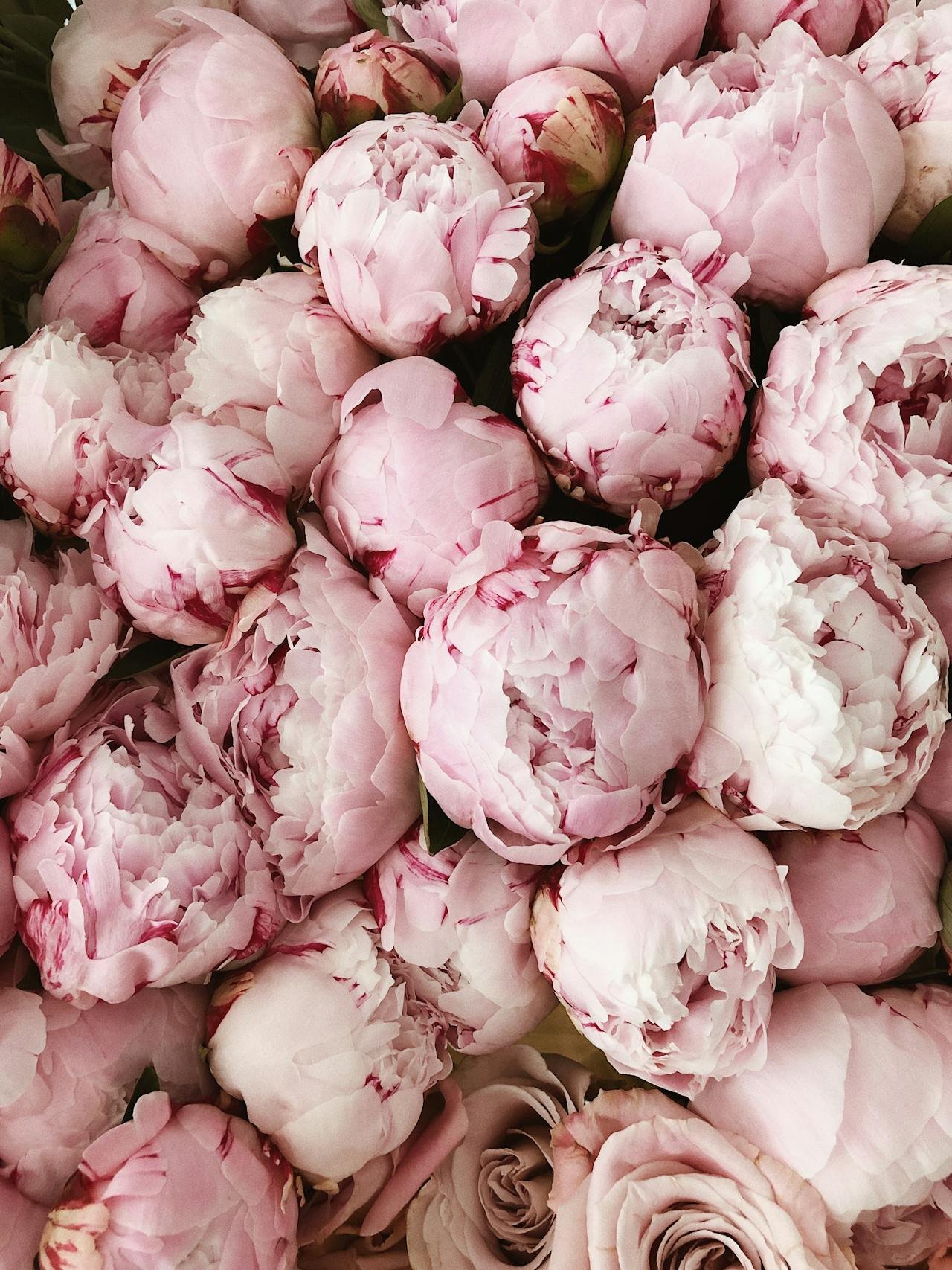
Introducing the enchanting Fleuria bouquet, a delightful harmony of captivating pinks and vibrant greens. Inspired by the elegance of a flourishing garden, this curated arrangement is perfect for moments of joy, celebration, or expressing your deepest sentiments. Experience the beauty and poetry of nature with this harmonious ensemble that effortlessly breathes life into any setting.
Proceed to checkout to choose a Delivery Date and write a Message Card.
Flower variety may differ according to seasonality, but will always be of similar style, quality and value.
This bouquet is available in four sizes:
:: Small bouquet measures approximately 25cm in diameter
:: Medium bouquet measures approximately 30cm in diameter
:: Large bouquet measures approximately 35cm in diameter
:: Extra Large bouquet measures approximately 40cm in diameter
Image represents Large size
You can add a glass vase to your order here
Flowers have long fascinated humans with their beauty, colors, and intricate patterns, but there's a hidden world of communication happening beneath the surface. Plants and flowers are not just passive entities—rather, they actively "communicate" with pollinators to ensure their survival. This fascinating process involves a series of signals and strategies designed to attract pollinators like bees, butterflies, birds, and even bats. Petal & Poem explores how flowers communicate with pollinators, what messages they send, and the secrets behind this natural partnership.
1. The Art of Attracting Pollinators: The Role of Color and Scent
Flowers communicate with their pollinators using two primary senses: color and scent. These signals are specifically tailored to attract particular species of pollinators.
A. Color: A Visual Signal to Pollinators
Plants have evolved to develop specific colors that appeal to certain types of pollinators. Color helps attract the right species by offering visual cues that a flower is a source of nectar or pollen. Here’s how some common colors work to communicate with pollinators:
Bees: Bees are drawn to bright blue, purple, and yellow flowers. Their vision is sensitive to ultraviolet (UV) light, which humans can’t see. Some flowers have UV patterns that guide bees directly to the nectar, acting like an invisible roadmap.
Butterflies: Butterflies, with their keen vision, are attracted to bright colors like red, orange, and yellow. These colors signal that the flower offers nectar, which butterflies feed on.
Birds: Hummingbirds and other nectar-feeding birds are attracted to red and orange flowers. These birds have a preference for tubular-shaped blooms that accommodate their long beaks and allow them to access nectar.
Bats: While nocturnal, bats are attracted to pale colors like white and light green, especially in flowers that bloom at night. These colors are more visible in the dark, guiding the bats toward the flower’s nectar.
B. Scent: A Chemical Language
Alongside color, flowers use scent to communicate with pollinators. The fragrance is a complex mix of chemicals that can signal to specific pollinators, acting as a “welcome mat” for the right species.
Bees: Bees are particularly sensitive to sweet scents that signify a rich supply of nectar. They are especially attracted to flowers with a fresh, sweet, and floral fragrance.
Moths and Bats: Moths and bats, which are nocturnal, are drawn to flowers that emit strong, musky, or sweet scents during the night. This scent helps them locate flowers even in the dark.
Butterflies: Butterflies are sensitive to a wide range of floral scents, particularly sweet, fruity fragrances. Many flowers with strong scents use this to signal to butterflies that they are the right choice for nectar.
2. The Mechanism of Pollination: A Mutual Exchange
Flowers are not only using color and scent to attract pollinators—they are also structuring their designs to encourage interaction. Pollination is a mutual exchange: the flower provides the pollinator with nectar or pollen in exchange for the transfer of pollen to other flowers, facilitating fertilization.
A. Nectar and Pollen: Rewards for Pollinators
Pollinators are motivated by the promise of food. Nectar serves as an energy source, rich in sugars, while pollen provides essential proteins and nutrients. Flowers offer these rewards as a way of ensuring that pollinators return again and again, helping them transfer pollen from one bloom to another.
Nectar: This sugary liquid is produced by specialized glands called nectaries. It provides pollinators with the energy they need to continue their flight and pollination activities. The nectar’s sweetness can vary by flower species, and some flowers even adjust the sugar content to cater to specific pollinators, ensuring that bees or butterflies are enticed by the perfect balance of sugar.
Pollen: Pollen is often more sticky and is rich in proteins. While bees are the primary pollinators that carry pollen from flower to flower, other insects, birds, and even the wind can also transfer pollen.
B. Flower Shape and Structure: Facilitating the Act of Pollination
Flowers have adapted their physical form to ensure that pollinators make the right contact and collect pollen. The shape, size, and structure of the flower play an important role in how easily a pollinator can access the flower’s resources and perform pollination.
Tubular Flowers: Flowers like trumpet vines or honeysuckles have long, tubular shapes that are ideal for hummingbirds with long beaks. These flowers are designed to funnel the bird’s beak into the flower, ensuring it comes into contact with the reproductive parts.
Flat Flowers: Flowers like daisies and sunflowers have a flat structure with an exposed central disc of pollen, making them easy targets for bees and butterflies, who land on the flower and crawl in search of nectar.
Nectar Guides: Some flowers have patterns or marks visible only in ultraviolet light, guiding pollinators directly to the nectar. These guides, which humans can’t see, are important in flowers like snapdragons or orchids.
3. The Importance of Timing: When Flowers Bloom and How Pollinators Respond
Flowers also communicate with their pollinators through timing. The timing of when a flower opens and when it releases nectar or scent is strategically planned to coincide with the activity patterns of pollinators.
A. Night-Blooming vs. Day-Blooming Flowers
Different pollinators are active at different times of the day. Flowers bloom when the most beneficial pollinators are most active.
Day-Blooming Flowers: Many flowers open during the day to cater to bees, butterflies, and birds. These flowers tend to have bright colors and sweet fragrances to attract daytime pollinators.
Night-Blooming Flowers: Some plants, such as moonflowers or evening primroses, are designed to bloom at night, when moths and bats are active. These flowers tend to be pale in color and have a strong fragrance to help nocturnal pollinators locate them.
B. Coordinated Timing for Pollination
Certain plants coordinate their blooming cycles to ensure that they are pollinated at the ideal time. For example, some flowers will only release their nectar at specific times of the day, ensuring that they are visited by the right pollinator species.
Orchids: Many orchids open their flowers at specific times of day to attract a particular pollinator. Some species are timed to bloom when the pollinator, such as a specific type of bee or moth, is most active, ensuring optimal chances of pollination.
4. Co-Evolution: A Symbiotic Relationship Between Flowers and Pollinators
The relationship between flowers and their pollinators is one of co-evolution. Over millions of years, plants and pollinators have evolved alongside each other, shaping each other’s behaviors and characteristics to create a symbiotic relationship. This mutualistic partnership benefits both parties: the flowers get pollinated, and the pollinators get food.
Specialized Pollinators: Some flowers have evolved to be pollinated by a specific species of insect or bird. For instance, the hummingbird sage flower is designed specifically for pollination by hummingbirds, with a shape and color that cater exclusively to them.
Reciprocal Adaptations: As plants evolve to attract specific pollinators, those pollinators evolve in response to the flowers they visit. For example, long-tongued bees have evolved to feed on flowers with deep, tubular structures, while their behavior helps to pollinate these flowers in return.
5. Protecting Pollinators: Why the Secret Lives of Flowers Matter
The intricate communication between flowers and pollinators is vital to the health of ecosystems. Pollination supports the production of fruits, seeds, and plant diversity, which in turn supports food production for humans and wildlife. However, many pollinators face threats from habitat loss, climate change, and pesticide use, making it even more crucial to protect these creatures and their vital relationship with flowers.
Supporting Pollinators: Planting a variety of native flowers that cater to different pollinators, creating safe habitats, and reducing pesticide use can help protect these essential creatures. Pollinators, including bees, butterflies, and birds, are the unsung heroes of nature's gardens, and their role in the plant world cannot be overstated.
Florist insights
The secret lives of flowers are rich with communication, strategy, and symbiosis. Flowers use color, scent, shape, timing, and mutual adaptation to connect with pollinators, ensuring their survival through fertilization. As we continue to study and understand these fascinating relationships, it becomes increasingly clear how vital it is to protect both flowers and pollinators, as they are essential to maintaining the balance and health of our ecosystems.
花卉的靈感:花卉如何穿越時代啟發藝術

A captivating arrangement that embodies the essence of nature’s untamed beauty. This stunning bouquet features a harmonious blend of delicate pink blooms and striking coral accents, artfully wild and free-flowing in design.
Proceed to checkout to choose a Delivery Date and write a Message Card.
Flower variety may differ according to seasonality, but will always be of similar style, quality and value.
:: Mini bouquet measures approximately 15cm in diameter
:: Small bouquet measures approximately 25cm in diameter
:: Medium bouquet measures approximately 30cm in diameter
:: Large bouquet measures approximately 35cm in diameter
:: Extra Large bouquet measures approximately 40cm in diameter
Image represents Large size
You can add a glass vase to your order here
花卉以其繽紛的色彩、細膩的形態與稍縱即逝的美感,長期以來成為藝術家的靈感之源。從古代文明到現代創作者,花卉一直是生命、愛與變化的強大象徵。它們在藝術中的持續存在,證明了它們超越文化與時間界限的普遍吸引力。本文將探討花卉如何啟發藝術表達,並在歷史中留下盛開的遺產。
古代的起源:神聖與象徵
在古埃及,花卉與宗教和儀式有著緊密的聯繫。蓮花特別象徵了創造、重生與太陽,經常出現在墓葬壁畫和寺廟雕刻中,成為代表精神純潔的標誌。同樣,在古希臘與羅馬文化中,月桂樹與香桃木等花卉裝飾了雕塑、陶器與壁畫,象徵著榮譽、勝利與神聖庇護。
這些早期文化對花卉的敬畏不僅僅是出於美感,更是源於其象徵意義。花卉成為連結人間與神靈的橋樑,啟發藝術家將其形式永恆化於石雕、繪畫與馬賽克中。
中世紀:精神的綻放
在中世紀,花卉意象在西方藝術中具有深刻的精神意涵。基督教賦予花卉特定的象徵:玫瑰代表聖母瑪利亞,百合則象徵純潔與神聖之愛。手稿裝飾、彩色玻璃窗與祭壇畫中常見花卉元素,用以傳達神學故事。
而在伊斯蘭藝術中,由於傳統上避免描繪生命體,花卉在織物、陶瓷與建築裝飾中得以蓬勃發展。波斯地毯與莫臥兒微型畫中精美的花卉圖案,既反映自然之美,也尊重文化與宗教的敏感性。
文藝復興:植物寫實
文藝復興時期掀起了對自然的重新探索,花卉成為藝術家熱衷探討的主題。植物寫實主義的興起,體現於阿爾布雷希特·丟勒與達文西等藝術家試圖準確描繪植物的努力,將科學與創造力完美結合。
在荷蘭黃金時代繪畫中,花卉在靜物畫中達到了前所未有的重要地位。藝術家如揚·范·胡伊松與雷切爾·魯伊斯的作品中,郁金香、玫瑰與鳶尾花盛開於畫布上。這些作品既讚美了自然的短暫之美,又作為「死亡的警示」(memento mori),提醒人們生命的無常。
十九世紀:浪漫主義與印象派
浪漫主義時代將花卉視為情感與個性的象徵。像約翰·康斯特勃與卡斯帕·大衛·弗里德里希這樣的藝術家,常將野花融入田園風景中,強調與自然的個人聯繫。
同時,印象派畫家用色彩與光線顛覆了傳統花卉藝術。克勞德·莫內的經典作品《睡蓮》系列完美詮釋了這一風格,捕捉了吉維尼花園稍縱即逝的美感。花卉不僅是一種主題,更成為探索情感、光影流動的媒介。
現代藝術:抽象的詮釋
到了二十世紀,藝術家開始以抽象方式詮釋花卉,打破了傳統的表現形式。喬治亞·歐姬芙的花卉特寫畫作如《紅色卡娜花》(Red Canna)與《曼陀羅花》(Jimson Weed),將花瓣轉化為性感且幾近超現實的形態。她的作品邀請觀者以全新角度欣賞花卉,既是個體又是生命力與女性特質的象徵。
波普藝術也擁抱了花卉題材,安迪·沃荷的絲網印刷系列《花卉》(Flowers)賦予自然主題一種鮮明、商業化的活力。從極簡主義的日本花道藝術到前衛裝置藝術,花卉啟發了無數多樣的創作。
當代花卉藝術:今日的花卉之美
如今,花卉在各種媒介中仍然是一個豐富的靈感來源。攝影師、雕塑家、數字藝術家與時尚設計師不斷發掘花卉的美學與象徵潛力。環保藝術家使用真花創作裝置,強調環境問題;另一些人則通過現代視角重新詮釋傳統花卉圖案。
社交媒體的興起也為花卉藝術提供了新的平台,數字創作者與網紅用視覺震撼的作品展示花卉的迷人魅力。從婚禮設計到虛擬現實,花卉繼續吸引著藝術家與觀眾的目光。
為什麼花卉歷久彌新?
花卉能喚起情感,連結感官,並象徵普世的真理。它們的無窮變化確保了自身的時代性,而其脆弱則提醒我們生命的短暫。無論是作為美的象徵、精神的符號,還是創新探索的工具,花卉已並將繼續啟發穿越時空的藝術。
從古代壁畫到數字藝術,花卉是人類永恆的靈感之源,彰顯自然對創造力的持久影響。
讓我們一起讚頌這穿越時代的花卉靈感。下次你凝視一朵花時,請記住:它不僅僅是一朵花,它是一個等待被講述的故事。🌸
Floral Muse: How Flowers Have Inspired Art Through the Ages

Inspired by the vibrant hues of tangerine oranges, this exquisite bouquet captures the essence of freshness and joy. Bursting with bright orange blooms accented by lush green foliage, this sun-kissed bouquet is a stunning arrangement that brings a touch of zest and elegance to any space. Whether as a gift to celebrate a special occasion or to brighten up your own surroundings, this bouquet is a beautiful choice that is sure to leave a lasting impression.
Proceed to checkout to choose a Delivery Date and write a Message Card.
Flower variety may differ according to seasonality, but will always be of similar style, quality and value.
:: Mini bouquet measures approximately 15cm in diameter
:: Small bouquet measures approximately 25cm in diameter
:: Medium bouquet measures approximately 30cm in diameter
:: Large bouquet measures approximately 35cm in diameter
:: Extra Large bouquet measures approximately 40cm in diameter
Image represents Extra Large size
You can add a glass vase to your order here
Flowers, with their vibrant colors, intricate forms, and transient beauty, have long served as muses for artists. From ancient civilizations to contemporary creators, flowers have been a powerful symbol of life, love, and transformation. Their enduring presence in art is a testament to their universal appeal, transcending cultural and temporal boundaries. Petal & Poem explores how flowers have inspired artistic expression throughout history, leaving a blooming legacy in their wake.
Ancient Beginnings: Sacred and Symbolic
In ancient Egypt, flowers were deeply entwined with religion and rituals. The lotus flower, in particular, symbolized creation, rebirth, and the sun. Often depicted in tomb paintings and temple carvings, it became an iconic motif representing spiritual purity. Similarly, in ancient Greece and Rome, flowers like laurel and myrtle adorned sculptures, pottery, and frescoes, embodying honor, victory, and divine favor.
The reverence for flowers in these early cultures wasn’t just aesthetic—it was symbolic. Flowers were a bridge between the earthly and the divine, inspiring artists to immortalize their forms in stone, paint, and mosaic.
The Middle Ages: Spiritual Bloom
During the Middle Ages, floral imagery took on a deeply spiritual dimension in Western art. The Christian faith imbued flowers with specific meanings: the rose symbolized the Virgin Mary, while lilies represented purity and divine love. Manuscript illuminations, stained glass windows, and altar pieces often featured floral motifs to communicate theological narratives.
In Islamic art, where the depiction of living beings was traditionally avoided, flowers flourished as intricate patterns in textiles, ceramics, and architecture. Stylized florals, such as those seen in Persian carpets and Mughal miniatures, reflected the beauty of nature while honoring cultural and religious sensibilities.
The Renaissance: Botanical Realism
The Renaissance ushered in a renewed fascination with nature, and flowers became a focal point of artistic exploration. Botanical realism emerged as artists like Albrecht Dürer and Leonardo da Vinci sought to accurately depict plants in their art, blending science and creativity.
In Dutch Golden Age painting, flowers reached a new level of prominence in still-life compositions. Artists such as Jan van Huysum and Rachel Ruysch meticulously rendered bouquets bursting with tulips, roses, and irises. These works celebrated the fleeting beauty of nature while serving as memento mori, reminders of life’s impermanence.
The 19th Century: Romanticism and Impressionism
The Romantic era saw flowers as symbols of emotion and individuality. Artists like John Constable and Caspar David Friedrich often integrated wildflowers into pastoral landscapes, emphasizing a personal connection with nature.
Meanwhile, the Impressionists revolutionized floral art with their bold use of color and light. Claude Monet’s iconic water lilies series epitomized this movement, capturing the ephemeral beauty of his garden in Giverny. Flowers became not just a subject but a medium for exploring mood, movement, and the play of light.
The Modern Era: Abstract Interpretations
In the 20th century, artists began to experiment with abstract representations of flowers, pushing boundaries beyond traditional depictions. Georgia O’Keeffe’s close-up paintings of flowers, such as “Red Canna” and “Jimson Weed,” transformed petals into sensual, almost otherworldly forms. Her works invited viewers to see flowers in a new way—both as individual entities and universal symbols of femininity and vitality.
Pop art, too, embraced florals, with Andy Warhol’s silkscreen series “Flowers” infusing the natural subject with bold, commercialized energy. Flowers continued to inspire diverse interpretations, from minimalist Japanese ikebana-inspired art to avant-garde installations by artists like Yayoi Kusama.
Contemporary Blossoms: Flowers in Today’s Art
Today, flowers remain a rich source of inspiration across various mediums. Photographers, sculptors, digital artists, and fashion designers continually find new ways to explore their aesthetic and symbolic potential. Eco-artists use real flowers in installations to highlight environmental concerns, while others reinterpret traditional floral motifs through modern lenses.
The rise of social media has also given floral art a new platform, with digital creators and influencers celebrating blooms in visually stunning compositions. From wedding design to virtual reality, flowers continue to captivate artists and audiences alike.
Why Flowers Endure
Flowers have an innate ability to evoke emotion, connect with our senses, and symbolize universal truths. Their endless variety ensures they remain relevant, while their fragility reminds us of life’s transitory nature. Whether as a motif of beauty, a spiritual symbol, or a tool for innovation, flowers have and will continue to inspire art that transcends time.
From ancient frescoes to digital art, flowers are humanity’s perpetual muse—a testament to nature’s enduring impact on creativity.
Let us celebrate the floral muse that has shaped art and culture across the ages. Next time you see a flower, remember: it’s not just a bloom—it’s a story waiting to be told.
世界最佳向日葵觀賞地指南
向日葵,因其明亮的金黃色花朵和與太陽相似的形狀,深受人們的喜愛。這些充滿活力的花朵在世界各地的自然環境中都有著驚人的景象。無論是隨著季節變化而盛開的野生向日葵,還是大規模的向日葵田,都能帶來令人驚嘆的視覺盛宴。以下是世界上一些最佳的向日葵觀賞地,讓你親身體驗這些美麗花朵的壯麗景象。
1. 法國 - 普羅旺斯的向日葵田
法國的普羅旺斯是著名的花卉旅遊地點,這裡不僅有薰衣草田,還擁有迷人的向日葵田。每年夏天,當向日葵盛開時,整片田野彷彿被金色的花海覆蓋,形成了令人陶醉的美景。
必訪地點:
瓦倫索爾高原(Valensole Plateau):這裡除了薰衣草田外,也以廣闊的向日葵田聞名。每年七月,向日葵盛開時,整片高原被黃色的花朵所裝點,景色壯觀。
阿爾卑斯地區(Alpes-de-Haute-Provence):阿爾卑斯地區的山丘上,向日葵田隨處可見,特別是在夏季,當向日葵綻放時,這裡的景色如夢似幻。
2. 美國 - 康州與堪薩斯州的向日葵田
美國是向日葵花田的另一個著名目的地。尤其是在康州和堪薩斯州,向日葵田廣闊,充滿了自然的野生魅力。
必訪地點:
康涅狄格州(Connecticut):康州的向日葵花田在秋季尤為壯觀。每年秋天,這些田野中的向日葵以其金黃色的花朵吸引了大量遊客。特別是在**大沼澤(Great Meadows)**自然保護區,這裡的野生向日葵田可以讓人感受到大自然的無限魅力。
堪薩斯州(Kansas):堪薩斯州被譽為「向日葵之州」,是美國最具代表性的向日葵觀賞地之一。每年夏季,堪薩斯州的野生向日葵田在這片廣袤的平原上綻放,形成金色的海洋,吸引了大量的攝影師和旅遊者。
3. 西班牙 - 拉曼查的向日葵田
西班牙的拉曼查地區是觀賞向日葵的另一個理想地點。這裡的向日葵田是世界上最大、最美麗的之一,尤其在夏季,當向日葵盛開時,整片大地充滿了金黃色的花朵。
必訪地點:
拉曼查平原(La Mancha Plains):拉曼查平原擁有廣闊的向日葵田,尤其是在八月,這裡的向日葵田達到了最佳觀賞期。遊客可以漫步於向日葵花田之間,享受大自然的美景。
卡斯蒂利亞-拉曼查(Castilla-La Mancha):這個地區是西班牙最重要的向日葵種植區,每年吸引大量遊客來此參觀。
4. 意大利 - 托斯卡納的向日葵田
意大利的托斯卡納是世界著名的浪漫地區,這裡不僅有如詩如畫的山丘,還擁有大片的向日葵花田。每年夏季,當向日葵盛開時,這裡的景色更是令人陶醉。
必訪地點:
皮恩薩(Pienza):皮恩薩位於托斯卡納的心臟地帶,是一個典型的托斯卡納小鎮。每年七月,這裡的向日葵田開始綻放,與周圍的葡萄園、橄欖樹相互輝映,形成一幅美麗的自然畫作。
西恩納(Siena):西恩納是托斯卡納最具代表性的城市之一。周圍的田野中,向日葵綻放時,與金色的鄉村風光相得益彰,成為不可錯過的美麗景點。
5. 荷蘭 - 向日葵田與風車的完美結合
荷蘭的向日葵田是世界上最具代表性的花田之一。雖然荷蘭最著名的花卉是鬱金香,但這裡的向日葵田也同樣美麗,特別是在夏季。
必訪地點:
基達姆(Keukenhof):雖然基達姆主要以鬱金香聞名,但這裡的花園中也種植了大量的向日葵,尤其在七月和八月,當向日葵綻放時,遊客可以欣賞到壯麗的花田景觀。
荷蘭北部(North Holland):荷蘭北部地區的向日葵田也非常迷人,尤其在與風車相結合的背景下,向日葵的景色更顯得如詩如畫。
6. 日本 - 北海道的向日葵田
日本的北海道是向日葵的又一著名觀賞地。北海道的涼爽氣候為向日葵的生長提供了理想條件,讓它們在夏季開放出金黃色的花朵。
必訪地點:
美瑛(Biei):美瑛位於北海道,是一個以風光明媚的田園景觀而聞名的地方。每年夏天,這裡的向日葵田在美麗的山丘上盛開,與周圍的田野景色相得益彰。
大通公園(Odori Park),札幌:札幌的大通公園每年夏天也會舉行向日葵展覽,這裡的向日葵不僅為城市帶來色彩,也吸引了大量遊客。
7. 中國 - 向日葵的盛放地點
中國也擁有一些壯麗的向日葵田,特別是在新疆和內蒙古等地。這些地區的向日葵田在夏季盛開,成為旅遊的亮點。
必訪地點:
新疆(Xinjiang):新疆的向日葵田是中國最著名的野生向日葵花田之一,每年夏天,向日葵在這片廣闊的草原上盛放,形成金色的海洋。
內蒙古(Inner Mongolia):內蒙古的草原地帶也是觀賞向日葵的理想場所,這裡的向日葵花田與無垠的草原景色交相輝映。
向日葵花田的美麗,無論是遍布法國普羅旺斯的廣闊田野,還是美國堪薩斯州的金色海洋,都帶來了無與倫比的自然美景。這些花田不僅是視覺的盛宴,還能讓人感受到大自然的無窮魅力。無論你是攝影師、花卉愛好者,還是旅行者,這些向日葵花田都會讓你流連忘返。
Paintings Featuring Cupid Around the World
Cupid, the Roman god of love, has been a central figure in art for centuries. His portrayal as a mischievous, cherubic figure with wings has inspired countless artists from various cultures and periods. Below is a guide to some iconic paintings featuring Cupid from around the world, showcasing his role in love, desire, and mythology across different artistic traditions.
1. "The Triumph of Venus" by François Boucher (France, 1740s)
Artist: François Boucher, a renowned French Rococo painter.
Location: The painting is housed in the Louvre Museum, Paris.
Description: In this allegorical scene, Venus, the Roman goddess of love, rides a shell drawn by doves, while Cupid, her son, plays a prominent role. The image is lush with sensuality, fitting the Rococo style that celebrates themes of romance, nature, and pleasure. Cupid here is portrayed as a playful, mischievous boy, adding a sense of whimsy to the divine scene.
Cultural Significance: The Rococo period in France celebrated elegance, indulgence, and love, often through the portrayal of mythological themes. Cupid’s presence symbolizes the power and influence of love in human affairs.
2. "Venus and Mars" by Sandro Botticelli (Italy, 1483)
Artist: Sandro Botticelli, one of the leading painters of the Italian Renaissance.
Location: The painting is part of the National Gallery, London.
Description: In this work, Venus, the goddess of love, and Mars, the god of war, are depicted in a harmonious, almost idyllic scene. Cupid is seen here as a small, playful figure who is causing mischief by untying Mars' armor while the two gods lay together in a moment of serene passion. The painting explores the contrasting qualities of love and war.
Cultural Significance: Botticelli’s "Venus and Mars" is a blend of mythological symbolism and Renaissance humanism. Cupid’s antics represent love’s ability to disarm even the mightiest forces, such as Mars' warrior strength.
3. "The Birth of Venus" by Sandro Botticelli (Italy, 1484–1486)
Artist: Sandro Botticelli.
Location: Uffizi Gallery, Florence, Italy.
Description: Although Cupid does not appear directly in this work, his influence is integral to the mythological scene. Venus, the goddess of love, is born from the sea foam, and while Cupid is not in the picture, the entire narrative centers around love and beauty—concepts ruled by Cupid. The themes of love and beauty are embodied in Venus’s divine emergence.
Cultural Significance: The painting celebrates divine beauty and love, central themes in Renaissance art. While Cupid is not physically present, his essence—love—is at the heart of the scene.
4. "Love and Psyche" by Antonio Canova (Italy, 1787–1793)
Artist: Antonio Canova, an Italian sculptor of the Neoclassical era.
Location: Louvre Museum, Paris.
Description: This famous sculpture is based on the myth of Cupid and Psyche. It depicts the moment when Cupid, after falling in love with the mortal Psyche, rescues her from a series of trials. Canova’s work brings this love story to life in marble, capturing the tenderness and intimacy between the two figures.
Cultural Significance: Canova’s work exemplifies the Neoclassical movement’s focus on beauty, idealized human forms, and mythological narratives. Cupid’s role is essential in the portrayal of love overcoming adversity.
5. "Cupid and Psyche" by Jean-Baptiste Regnault (France, 1798)
Artist: Jean-Baptiste Regnault, a French neoclassical painter.
Location: Musée du Louvre, Paris.
Description: This painting illustrates the myth of Cupid and Psyche, a love story filled with trials, challenges, and ultimate union. In this romantic and tender scene, Cupid embraces Psyche while a sense of serenity envelops them. The soft, idealized figures are typical of the Neoclassical style.
Cultural Significance: The myth of Cupid and Psyche has had a profound influence on European art, especially during the Romantic and Neoclassical periods. Regnault’s work reflects the cultural fascination with mythological love stories.
6. "The Toilet of Venus" by François Boucher (France, 1751)
Artist: François Boucher.
Location: The Wallace Collection, London.
Description: In this Rococo masterpiece, Venus is surrounded by attendants who assist her in preparing for a ceremonial event. Cupid, positioned in the foreground, playfully aims his bow at the viewer. The painting celebrates sensuality and beauty, key elements of the Rococo style, and Cupid’s presence reinforces the central theme of love.
Cultural Significance: Cupid’s playful yet powerful influence in this artwork aligns with the Rococo movement’s focus on love, beauty, and the frivolities of the aristocracy.
7. "The Garden of Earthly Delights" by Hieronymus Bosch (Netherlands, 1490-1510)
Artist: Hieronymus Bosch, a Dutch painter known for his fantastical and surreal works.
Location: Museo del Prado, Madrid, Spain.
Description: Although not a traditional depiction of Cupid, this triptych features various symbolic representations of human desires and pleasures. In the central panel, a naked couple is surrounded by fruits and flowers, while small winged figures (similar to Cupid) appear as part of the seductive landscape. The imagery alludes to the dangers of lust and the consequences of unchecked desires.
Cultural Significance: Bosch’s surreal and often dark depictions of paradise and the earthly realm reflect the moral and spiritual lessons of the Renaissance period. The Cupid-like figures in the garden represent the temptations of love and desire.
8. "Cupid and Psyche" by Edward Burne-Jones (England, 1880s)
Artist: Edward Burne-Jones, a British artist associated with the Pre-Raphaelite Brotherhood.
Location: The Birmingham Museums and Art Gallery, England.
Description: This Pre-Raphaelite interpretation of the Cupid and Psyche myth captures the romantic and tragic elements of the story. In Burne-Jones’ depiction, Cupid is shown as a youthful, ethereal figure, embodying both the power and vulnerability of love.
Cultural Significance: The Pre-Raphaelite movement revived interest in medieval and classical mythology, and Burne-Jones’ work is a beautiful example of how they merged intense emotion with classical subject matter.
9. "The Wedding of Cupid and Psyche" by François Gérard (France, 1798)
Artist: François Gérard, a French Neoclassical painter.
Location: The Musée des Beaux-Arts, Lyon, France.
Description: This Neoclassical painting depicts the moment when Cupid and Psyche are finally united after enduring trials. Cupid is depicted as a winged, divine figure in the act of embracing Psyche, symbolizing the ultimate union of love and soul.
Cultural Significance: Gérard’s work illustrates the Neoclassical admiration for mythological themes and the values of idealized beauty and romantic love.
10. "Cupid and Venus" by Titian (Italy, 1550s)
Artist: Titian, one of the greatest Venetian painters of the Renaissance.
Location: The National Gallery, London.
Description: In this sensual scene, Venus, the goddess of love, is seen with her son Cupid. Cupid, with his bow and arrows, is depicted as a small, playful figure, emphasizing the powerful connection between mother and son in the realm of love.
Cultural Significance: Titian’s rich use of color and texture in this painting exemplifies the Venetian Renaissance style. The relationship between Venus and Cupid is a recurring theme in art, symbolizing the nurturing and influential aspects of love.
Cupid, as the embodiment of love and desire, has been immortalized in paintings and sculptures across cultures and periods. His playful and powerful nature resonates through classical, Renaissance, Rococo, and Neoclassical works, reflecting the changing attitudes towards love, passion, and mythology in art. From the mischievous antics in the Rococo period to the tender embraces in the Neoclassical and Romantic works, Cupid remains a timeless symbol of the transformative power of love.
The Secret to Creating Show-Stopping Floral Chandelier Designs
Floral chandeliers have become one of the most dazzling and sought-after features in luxury weddings and high-end events. These stunning designs transform any venue, creating an atmosphere of opulence and romance. Whether suspended above a reception table, at the center of a ballroom, or framing the altar at a wedding ceremony, floral chandeliers serve as a breathtaking focal point.
Creating a show-stopping floral chandelier requires a combination of artistry, attention to detail, and the right technical knowledge. Here’s your guide to designing a floral chandelier that will leave your guests in awe.
1. Start with a Concept and Design Plan
Before diving into selecting flowers and arranging, start by visualizing the overall effect you want to create. Consider these elements:
A. Wedding or Event Theme
Your chandelier should align with the theme of the wedding or event. Whether it's whimsical, romantic, bohemian, or modern, the design should reflect the mood you wish to create.
For a romantic, vintage wedding, use cascading vines, soft pastels, and lush roses, peonies, and hydrangeas.
A boho-chic wedding might feature wildflowers, pampas grass, and greenery with earthy tones.
For a modern or minimalist event, choose clean lines, simple blooms like orchids or calla lilies, and neutral tones with some metallic or glass elements.
B. Location
The space in which the chandelier will be placed plays a huge role in the design. For a small, intimate venue, a more compact, simpler chandelier may work best. In a larger space like a grand ballroom, a larger or multiple-tiered chandelier will make a bold statement.
Consider the height of the ceiling. A tall, dramatic chandelier can draw the eye upward and create a sense of grandeur.
2. Choose the Right Structure for Your Chandelier
The structure of the floral chandelier is crucial, as it must support the weight of the flowers and foliage while providing a sturdy frame for the design. Here are a few options for the base of your chandelier:
A. Hoop or Ring Design
A large metal hoop or multiple rings stacked in tiers is a popular and classic choice. This structure offers a continuous, flowing look, allowing flowers to hang naturally and cascade downward.
Tip: Use lightweight materials like copper or brass for the frame to ensure stability but minimize the weight.
B. Frame with Vertical Supports
This type of chandelier has a more structured, geometric appearance with vertical supports. It often has a vertical frame to support hanging floral arrangements at different heights.
Tip: This style works well for modern or industrial-themed weddings and events.
C. Suspended from the Ceiling
Some floral chandeliers are created directly by suspending flowers from a large platform or scaffolding. This approach can be particularly effective when combined with draping florals that create an ethereal, floating effect.
Tip: Ensure that the support system is robust and can handle the weight of the flowers.
3. Select Flowers and Foliage That Fit Your Vision
Choosing the right flowers and foliage is key to achieving your dream floral chandelier. Consider the following:
A. Flower Selection
Large, Lush Flowers: Roses, peonies, hydrangeas, and dahlias can provide a plush, romantic feel. Their fullness adds volume to the chandelier, creating a rich, extravagant look.
Delicate Blooms: Smaller flowers like baby’s breath, lilies of the valley, and sweet peas work well for a softer, more delicate look. These flowers are ideal for adding texture and lightness.
Exotic and Tropical Flowers: Orchids, proteas, and hibiscus flowers add a sophisticated and unique touch to your chandelier, perfect for modern or destination weddings.
B. Greenery and Foliage
Adding greenery and foliage gives your floral chandelier a natural, organic feel. Ferns, eucalyptus, ivy, and olive branches are common choices. Their soft greenery provides contrast to the vivid colors of the flowers and adds texture.
Tip: For a whimsical, garden-like chandelier, consider including trailing vines or cascading greenery that flows down in tendrils.
C. Color Scheme
Select flowers that complement your event’s color palette. For example:
A blush or pastel theme would be beautifully enhanced by soft-colored peonies, roses, and hydrangeas.
A bold, modern design might incorporate jewel tones like deep purples, reds, or oranges with dark greenery like magnolia leaves.
A neutral or minimalist look could focus on white orchids, baby’s breath, or pale ivory flowers, with touches of greenery to create a clean, elegant aesthetic.
4. Think About Height, Scale, and Balance
One of the most important factors in creating a floral chandelier is getting the scale and balance right.
A. Scale and Proportions
The size of your chandelier should be proportional to the space it will occupy. For a large ballroom, a large-scale chandelier with several tiers or cascading flowers will make a dramatic impact. For a smaller venue, opt for a single-tier design or a smaller, more compact chandelier.
Tip: Keep the scale balanced with the rest of the décor. The chandelier should stand out, but it shouldn't overwhelm the space.
B. Balance in Flower Placement
To create a harmonious design, balance the weight of flowers and foliage around the frame. Use heavier flowers like roses and peonies at the outer edges of the chandelier and lighter flowers like orchids or baby’s breath toward the center.
You can create a sense of movement by having flowers cascade down one side or flow in a spiral pattern.
5. Consider Lighting to Enhance the Design
Lighting is an essential component when designing a floral chandelier. The right lighting can make your floral chandelier truly come alive, highlighting the colors and texture of the flowers and creating a magical ambiance.
A. Fairy Lights and Twinkle Lights
Adding tiny twinkle lights or fairy lights within the flowers or around the frame will create a soft, romantic glow. This is especially effective for evening events, adding sparkle and warmth.
Tip: Hide the wires carefully to ensure the lights look seamless within the design.
B. Uplighting or Downlighting
Placing soft uplighting beneath the chandelier or using downlights from above will enhance the structure and create a dramatic effect. This technique can help bring out the colors and textures of the flowers and foliage.
C. LED Lights
For a more modern touch, LED lights can be incorporated directly into the floral structure, providing a sleek and contemporary look.
6. Installation and Safety Considerations
Floral chandeliers can be heavy, and proper installation is critical to ensure safety and stability.
A. Work with a Professional
It’s always a good idea to work with a professional florist and event designer who has experience with large-scale floral installations. They will ensure that your chandelier is safely and securely installed.
Tip: Check that the ceiling or venue can support the weight of the chandelier, and ensure that the installation team uses high-quality rigging and support systems.
B. Consider Durability
Fresh flowers, while beautiful, can wilt quickly. If you want your chandelier to last through the entire event, you may want to use a combination of fresh and silk flowers or preserve the blooms with floral sprays to maintain their appearance.
7. Add a Personal Touch with Meaningful Flowers
To make your chandelier even more personal, consider incorporating flowers that hold significance to you and your partner, such as:
Flowers from your garden or that represent your hometown.
Blooms that symbolize aspects of your relationship (e.g., peonies for a prosperous marriage, lavender for devotion).
Flowers from your cultural or family traditions, such as orchids, chrysanthemums, or lilies.
Creating a show-stopping floral chandelier is a stunning way to elevate any wedding or event. By thoughtfully considering the structure, flower selection, color scheme, lighting, and scale, you can craft a design that will captivate and impress your guests. With a little creativity, planning, and attention to detail, your floral chandelier will not only make a lasting impression but also reflect your personal style and love story in the most beautiful way.
The World’s Best Places to See Sunflowers in the Wild

A vibrant and captivating floral arrangement that embodies the essence of joyful adventures and warm summer days. The star of this bouquet is the resplendent sunflower, radiating with golden hues that mirror the sun's touch. Complementing this stunning centerpiece are an assortment of equally enchanting blooms, each carefully selected to evoke the feeling of winding through sun-kissed fields.
Proceed to checkout to choose a Delivery Date and write a Message Card.
Flower variety may differ according to seasonality, but will always be of similar style, quality and value.
:: Mini bouquet measures approximately 15cm in diameter
:: Small bouquet measures approximately 25cm in diameter
:: Medium bouquet measures approximately 30cm in diameter
:: Large bouquet measures approximately 35cm in diameter
:: Extra Large bouquet measures approximately 40cm in diameter
Image represents Large size
You can add a glass vase to your order here
Sunflowers are one of the most beloved flowers in the world, known for their bright yellow petals, large size, and tendency to follow the sun throughout the day. While cultivated sunflower fields are common, seeing wild sunflowers in their natural habitats is an unforgettable experience. Here’s a florist guide to some of the best places around the world where you can witness sunflowers growing in the wild, each offering its own unique scenery and landscape.
1. United States - The Heartland of Wild Sunflowers
The United States boasts several regions where wild sunflowers grow in abundance, particularly in the Midwest and Great Plains. These areas offer breathtaking landscapes filled with fields of wild sunflowers.
Must-Visit Locations:
Kansas: Kansas is known as the "Sunflower State," and for good reason. Wild sunflowers bloom across the plains, especially in late summer and early fall. The Flint Hills and Tallgrass Prairie National Preserve are prime spots to witness vast stretches of native sunflowers in their natural environment.
Texas: Texas offers some of the most spectacular displays of wild sunflowers, particularly in the Hill Country and the South Texas Plains. Sunflower species like the Texas sunflower and Mexican sunflower bloom in these regions, providing visitors with a bright and lively spectacle.
South Dakota: The Badlands National Park and Custer State Park are home to large populations of wild sunflowers, particularly in late summer and early autumn. Sunflowers are often seen blooming amidst the rocky formations of the Badlands and in the grasslands of the park.
2. France - Fields of Gold in Provence
France is famous for its picturesque sunflower fields, especially in the southern region of Provence. Although many of these fields are cultivated, wild sunflowers can also be found growing naturally in various parts of the country.
Must-Visit Locations:
Provence: The region of Provence is iconic for its sunflower fields. While most of the sunflowers here are cultivated, wild varieties can often be found among the hillsides and in the outskirts of farm fields. The sunflowers bloom in the summer months, usually peaking in July and August.
Loire Valley: Known for its beautiful countryside, the Loire Valley is home to diverse landscapes where wild sunflowers can be found growing naturally. Fields and roadsides in the valley are often dotted with these cheerful blooms during the late summer.
Burgundy: In the Burgundy region, wild sunflowers bloom along roadsides and in open fields. The sunflowers grow alongside other wildflowers in the meadows, creating a colorful and natural spectacle.
3. Ukraine - Sunflower Fields as Far as the Eye Can See
Ukraine is one of the world’s largest producers of sunflowers, and its vast fields of sunflowers are a sight to behold. While many of the sunflowers here are cultivated, you can also find wild varieties flourishing in the country's fertile soil.
Must-Visit Locations:
Kiev and the Ukrainian Steppes: The steppes of Ukraine are home to fields of sunflowers that stretch as far as the eye can see, particularly in late summer and early autumn. The region around Kiev is one of the best places to see both cultivated and wild sunflowers thriving in the natural landscape.
Kharkiv: Located in the northeast, Kharkiv is another great spot to explore fields of wild sunflowers. You’ll find them along roadsides, near forests, and across open fields, often interspersed with other wildflowers that paint the landscape in vibrant colors.
Odessa: Along the Black Sea coast, the city of Odessa and its surrounding areas are known for their expansive sunflower fields. These fields often contain wild sunflower species that bloom alongside the more common cultivated varieties.
4. Mexico - Sunflowers in the Desert and Grasslands
Mexico is home to several species of wild sunflowers, which grow in a variety of ecosystems, including deserts, grasslands, and forests. The country’s warm climate and diverse landscapes provide an ideal environment for these stunning blooms.
Must-Visit Locations:
Chihuahuan Desert: In northern Mexico, particularly in the Chihuahuan Desert, wild sunflowers grow naturally. These sunflowers are adapted to dry, arid conditions and bloom in late summer and fall. The desert's stark beauty, with its cacti and rugged terrain, contrasts beautifully with the bright yellow blooms of the sunflowers.
Oaxaca: Oaxaca, a region known for its rich biodiversity, has a variety of wild sunflower species that bloom in the surrounding grasslands and forests. Sunflowers here grow alongside other native plants, creating colorful displays during the rainy season.
Sierra Madre Occidental: This mountain range is home to wild sunflowers that grow in the highlands and meadows. These flowers bloom in late summer, especially in areas with mild temperatures and abundant rainfall.
5. Italy - Wild Sunflowers in Tuscany
Italy's rolling hills, particularly in Tuscany, provide a stunning backdrop for sunflowers, both cultivated and wild. While many of the sunflower fields in Tuscany are cultivated for commercial purposes, wild sunflowers can also be found in the region’s natural landscapes.
Must-Visit Locations:
Tuscany: Tuscany is renowned for its scenic views of golden sunflower fields, which bloom in the summer months. Although much of the sunflower acreage here is cultivated, there are areas in the countryside where wild sunflowers grow alongside other wildflowers, creating a spectacular view.
Sicily: The island of Sicily is home to many wildflower species, including sunflowers. The sunflowers grow naturally in the coastal areas and inland meadows. The stunning backdrop of Mediterranean landscapes, with the sunflowers growing in the foreground, creates a beautiful natural spectacle.
Umbria: This central Italian region is known for its fertile landscapes and agricultural traditions. Wild sunflowers can be found along roadsides, in the meadows, and in the fields, offering a picturesque view of Italy’s countryside.
6. Argentina - Wild Sunflowers in the Pampas
Argentina is home to large, wildflower-filled grasslands, and its Pampas region is a particularly great place to see wild sunflowers in their natural habitat. The region’s vast, open spaces are perfect for sunflowers to thrive.
Must-Visit Locations:
Buenos Aires Province: The region around Buenos Aires, especially the Pampas, is home to wild sunflowers. These wildflowers bloom in late spring and summer, creating a golden carpet across the grasslands. The sunflowers grow alongside other native flowers, adding to the region’s natural beauty.
Patagonia: In Patagonia, sunflowers can be found blooming in the wild, particularly in the open grasslands and along roadsides. The stark beauty of Patagonia, with its windswept plains and towering mountains, is enhanced by the yellow blooms of wild sunflowers.
7. China - Sunflowers in the Wild Countryside
China, with its vast land and diverse ecosystems, offers some fantastic places to see wild sunflowers growing naturally, particularly in the countryside regions.
Must-Visit Locations:
Xinjiang Province: Xinjiang is home to several species of wild sunflowers that grow in the region’s dry grasslands and near mountain streams. These wildflowers bloom in late summer and fall, providing a striking contrast to the desert and rugged mountain landscapes.
Zhejiang Province: In the rolling hills and valleys of Zhejiang, you’ll find wild sunflowers growing alongside rice paddies, fields, and forests. These flowers bloom in late summer and create a lovely natural scene in the countryside.
Yunnan Province: Known for its diverse flora, Yunnan is another fantastic destination to see wild sunflowers in China. The province's high-altitude meadows and subtropical forests are home to various sunflower species that bloom in the warmer months.
8. Japan - Sunflowers in the Countryside and Mountains
Japan offers several stunning locations where you can see wild sunflowers, particularly in the rural and mountainous areas of the country. These flowers bloom in the summer, adding bright splashes of yellow to Japan’s picturesque landscapes.
Must-Visit Locations:
Hokkaido: The northernmost island of Japan, Hokkaido is known for its stunning natural beauty and wildflowers. Wild sunflowers can be found blooming in the open fields and along roadsides during the summer months.
Niigata Prefecture: In the rural areas of Niigata, wild sunflowers bloom naturally in the countryside. The sunflowers grow in open meadows, creating a bright contrast against the surrounding green rice fields and mountains.
Kanto Region: The region around Tokyo, particularly the more rural areas, is home to fields of sunflowers that bloom in late summer. These flowers grow naturally in the fields and along roadsides.
Whether you're exploring the plains of Kansas, the rolling hills of Tuscany, or the rugged deserts of Mexico, seeing wild sunflowers in their natural habitat is an experience that fills the heart with joy. These stunning blooms, which follow the sun as they grow, symbolize warmth, positivity, and beauty. From the vast fields of Ukraine to the countryside of Japan, each destination offers its own unique way to experience the wild charm of sunflowers.
掌握現代花藝纏繞技術的藝術:花藝師必備指南
在花藝設計的世界裡,每一片花瓣、每一枝花茎都訴說著一個故事,而纏繞技術則是其中的無名英雄。雖然它不像牡丹或蘭花那樣吸引眼球,但嫻熟的纏繞技術可以將一個普通的花藝作品變成藝術品。對於花藝師來說,掌握纏繞技術不僅能提升創作能力,還能確保作品結構穩固、持久耐看且視覺上無可挑剔。
讓我們深入了解每位花藝師都應掌握的重要現代纏繞技術。
為什麼纏繞技術變得越來越重要?
纏繞技術是花藝師的秘密武器,讓作品更具精準度和可控性。無論是設計垂墜花束、製作精緻胸花,還是組裝大型裝置,纏繞技術能幫助你實現自然結構無法支持的創作效果。
現代纏繞技術更注重功能與美感的結合,確保作品既穩固又驚豔。隨著花藝用金屬線材和技術的進步,如今的花藝師擁有更多工具來實現大膽的創意,從極細線材到重型支撐線,可能性無窮無盡。
必備現代纏繞技術
鉤形纏繞法
這是一種經典的技術,將金屬線穿過花萼並彎成鉤形,用於像非洲菊和銀蓮花這樣脆弱的花材,確保花頭穩定而不傷害花茎。穿透纏繞法
對於玫瑰等堅韌的花材,穿透纏繞法是必備技巧。將金屬線水平穿過花頭基部(花萼上方),這種方法既能提供支撐,也保持了花材的自然美。束纏纏繞法
適合用於填充花材或綠葉的技術,將一組茎用金屬線纏繞固定成一個整體,非常適合製作襟花或胸花。交叉纏繞法
這種方法常用於百合等大型花材,通過在花頭基部創造交叉結構來增強穩定性。特別適合需要動態排列或會有晃動的設計。雙支架纏繞法
對於花頭厚重的花材,例如大麗花或垂墜花束,這是一種非常實用的技巧。將兩根金屬線穿過花茎並向下彎曲,然後纏繞在一起形成穩固的基座。
現代花藝纏繞技術的新創意
花藝行業見證了金屬線技術的顯著創新。如今的金屬線材有多種粗細、表面處理和顏色選擇,讓它們更具適應性。以下是幾種現代選擇:
彩色包膜線材: 與花茎完美融合,實現自然外觀。
防鏽金屬線: 非常適合用於潮濕環境中的戶外裝置。
紙包金屬線: 特別適合用於精緻設計,並提供更好的抓握力。
花藝纏繞技巧的實用建議
選擇合適的線徑: 細線(數字較大)適用於脆弱花材,粗線(數字較小)則適用於支撐結構。
隱藏線材: 使用花藝膠帶或自然綠葉覆蓋裸露的金屬線,保持作品的有機外觀。
注重細節: 整潔的纏繞不僅能保證設計穩固,還能體現你的專業水準。
保持輕盈: 過多的纏繞可能使作品笨重難以操作,僅使用必要的量即可。
用纏繞技術突破創作界限
現代纏繞技術讓花藝師能嘗試各種獨特造型與結構,例如懸浮設計、精緻的花卉珠寶,以及高聳的中心擺設。通過掌握這些技術,你可以自信地探索前衛風格,吸引客戶並提升藝術水準。
在花藝創作中,纏繞技術既是一門科學,也是一門藝術。它是非凡設計的基礎,讓花藝師以精確、穩定和創新的方式進行創作。通過掌握現代纏繞技術,你將能夠突破創作界限,打造既驚豔又啟發人心的作品。
拿起你的金屬線,練習技巧,並見證你的作品以全新高度綻放光彩!隨著不斷的練習和耐心,你將成為纏繞技術的真正大師。
Mastering the Art of Modern Wiring Techniques: A Florist’s Guide to Elevated Designs
In the world of floral artistry, where every petal, stem, and bloom tells a story, wiring is an unsung hero. While it might not steal the spotlight like a showstopping peony or an exotic orchid, the skillful use of modern wiring techniques can transform a good arrangement into a masterpiece. As florists, mastering wiring not only boosts your creative possibilities but also ensures your designs are structurally sound, long-lasting, and visually flawless.
Let’s dive into the essential modern wiring techniques that every florist should have in their toolkit.
Why Wiring Matters More Than Ever
Wiring is a florist's secret weapon for precision and control. Whether you're crafting a cascading bouquet, creating intricate boutonnieres, or assembling large-scale installations, wiring allows you to manipulate stems and blooms in ways that natural structures often cannot support. Modern wiring techniques emphasize both functionality and aesthetics, ensuring that your designs are as sturdy as they are stunning.
With advancements in floral wire materials and techniques, today’s florists have more tools than ever to achieve ambitious designs. From ultra-fine wires that disappear into delicate flowers to heavy-duty options for structural support, the possibilities are endless.
Essential Wiring Techniques for Today’s Florists
Hook Wiring
This classic method involves inserting a wire through the flower’s calyx and bending it into a hook shape. Ideal for fragile flowers like gerberas and anemones, this technique ensures that the bloom stays in place without damaging the stem.Pierce Wiring
For sturdier blooms like roses, pierce wiring is a go-to technique. Insert a wire horizontally through the base of the bloom, just above the calyx. This method provides excellent support while keeping the flower’s natural look intact.Clutch Wiring
Perfect for filler flowers and greenery, clutch wiring involves wrapping a cluster of stems with floral wire to secure them as a single unit. This technique is invaluable for creating corsages and boutonnières.Cross Wiring
This method, often used for larger flowers like lilies, involves creating a crisscross of wires through the bloom’s base for added stability. Cross wiring is especially useful for flowers that will be part of dynamic arrangements or exposed to movement.Double-Leg Mount Wiring
Commonly used for flowers with thick, heavy heads, this technique involves inserting two wires through the stem, bending them downward, and twisting them together to form a strong base. It’s a favorite for creating dramatic cascading bouquets.
Modern Innovations in Floral Wire
The floral industry has seen significant innovations in wire technology. Today’s wires are available in a range of gauges, finishes, and colors, making them more versatile than ever. Here are a few modern options to consider:
Color-Coated Wires: Blend seamlessly with floral stems for a natural look.
Rust-Resistant Wires: Perfect for outdoor installations where humidity is a concern.
Paper-Wrapped Wires: These wires are ideal for delicate designs and provide extra grip for secure wrapping.
Wiring Tips for Stunning Floral Designs
Choose the Right Gauge: A thinner gauge (higher number) works well for delicate blooms, while a thicker gauge (lower number) is essential for structural support.
Hide Your Work: Use floral tape or natural greenery to cover exposed wires, maintaining the organic look of your arrangement.
Practice Precision: Neat wiring not only ensures the design’s integrity but also demonstrates your professional craftsmanship.
Keep It Lightweight: Excessive wiring can make arrangements bulky and hard to handle. Use just enough to achieve stability.
Pushing Creative Boundaries with Wiring
Modern wiring techniques allow florists to experiment with unique forms and structures. Think gravity-defying designs, intricate floral jewelry, and towering centerpieces. By mastering these techniques, you can confidently explore avant-garde styles that captivate clients and elevate your artistry.
In the art of floristry, wiring is both a science and an art. It’s the foundation upon which extraordinary designs are built, allowing florists to create with precision, stability, and innovation. By mastering modern wiring techniques, you empower yourself to push creative boundaries and deliver arrangements that not only impress but inspire.
So, pick up your floral wire, hone your skills, and watch your arrangements flourish with newfound finesse. With practice and patience, you’ll soon be wiring your way to floral perfection.
花卉如何演化:從古代植物到現代花卉

Exuding timeless elegance and sophistication, the Red Velvet arrangement evokes all the decadence of our favourite cake — capturing the sumptuousness and opulence of deep reds, lush crimson and delicate pinks. Each bloom is carefully selected to embody a sense of luxury and refinement, creating a striking visual composition that exudes passion and romance.
Proceed to checkout to choose a Delivery Date and write a Message Card.
Flower variety may differ according to seasonality, but will always be of similar style, quality and value.
:: Mini bouquet measures approximately 15cm in diameter
:: Small bouquet measures approximately 25cm in diameter
:: Medium bouquet measures approximately 30cm in diameter
:: Large bouquet measures approximately 35cm in diameter
:: Extra Large bouquet measures approximately 40cm in diameter
Image represents Large size
You can add a glass vase to your order here
花卉是植物王國中最具代表性和多樣化的特徵之一,以其鮮豔的色彩、精緻的形狀和獨特的香氣著稱。但你是否曾想過,花卉是如何經過數百萬年的演化,成為今天我們所欣賞的美麗花朵呢?花卉的演化歷程是一段令人著迷的旅程,從古老、簡單的結構到如今複雜、高度專化的花卉。我們將在本指南中探討花卉的演化過程,從最早的植物到今天我們所見的精緻花朵。
1. 花卉植物的起源:早期演化
花卉的故事始於3億多年前的石炭紀,當時最早的原始植物開始在陸地上進化。然而,今天花卉的祖先直到稍後的時期才出現。
A. 最早的種子植物
在花卉的進化之前,早期植物如蕨類和苔蘚是通過孢子進行繁殖的。真正的花卉植物出現於白堊紀(大約1.4億年前),這些植物的演化代表了繁殖過程中的一次巨大飛躍。
裸子植物:這些種子植物包括松樹、銀杏和蘇鐵,它們通過球果而不是花卉進行繁殖。與今天的花卉相比,它們的繁殖結構較為簡單。
早期的種子繁殖:裸子植物依賴風進行授粉,雄性球果釋放花粉,並使其飄落到雌性球果上,進行受精。
雖然裸子植物在數百萬年內占據主導地位,但最終被更有效的被子植物(即開花植物)所取代。
2. 被子植物的崛起:花卉的誕生
大約在白堊紀(約1.4億年前),第一批被子植物出現,這些植物能夠開花並結出果實。這些開花植物代表了演化上的一次重大突破,因為它們引入了更高效的繁殖方式。
A. 早期的開花植物
最早的花朵可能是小巧、簡單且並不顯眼的。它們進化成為吸引昆蟲、鳥類和其他授粉者的工具,透過花蜜、顏色和香氣來吸引這些授粉者。花卉的出現使植物的繁殖更加高效,因為它們可以依賴動物授粉,而非風。
簡單的花卉:最早的花朵結構可能較為簡單,包含花瓣、萼片和繁殖器官,並以簡單的方式排列。這些花朵通常是兩性花,即同時擁有雄性(雄蕊)和雌性(雌蕊)繁殖器官。
昆蟲授粉:隨著花卉的進化,許多花朵開始吸引蜜蜂、蛾子和蝴蝶等昆蟲。這種授粉方式使植物能夠更有效地控制繁殖過程,並提高基因多樣性。
果實(花的成熟子房)的出現也是一個重大的進化步驟。果實有助於保護發育中的種子並促進它們的散播。
3. 花卉的專化:形態和功能的多樣化
隨著時間的推移,花卉逐漸發展出更加複雜和多樣的結構,並適應不同的環境和授粉者。有些花卉變得高度專化,以吸引特定的授粉者,而另一些則發展出獨特的機制來提高繁殖效率。
A. 與授粉者的共演化
花卉演化的其中一個最迷人的方面是它們與授粉者之間的共演化。隨著動物適應花卉,花卉同時也演化出來迎合授粉者的特殊需求。這種互惠關係促進了植物和動物的多樣化。
蜜蜂授粉的花卉:蜜蜂授粉的花卉通常具有藍色或黃色的顏色、蜜蜂可見的紫外線圖案以及強烈的香氣。這些花卉通常有著適合蜜蜂停留的著陸平台或管狀形狀。
鳥類授粉的花卉:由蜂鳥等鳥類授粉的花卉通常是鮮紅色或橙色,並具有管狀的形狀,適合鳥類的嘴部結構。
蝙蝠授粉的花卉:蝙蝠授粉的花卉多為大型、淡色的花朵,並散發出吸引夜行性動物的強烈香氣。
透過共演化,花卉發展出了極具吸引力且便於授粉者存取的特徵,從而增加了繁殖的機會。
B. 花卉結構與適應
隨著花卉的演化,它們的結構變得越來越多樣化,並且適應了不同的環境。以下是花卉演化過程中的一些主要適應性:
授粉機制:花卉發展出了不同的授粉策略,包括風授粉、昆蟲授粉、鳥類授粉和蝙蝠授粉。有些花卉甚至適應了模仿其他物種或散發出吸引特定授粉者的氣味。
花卉對稱性:花卉進化出了不同類型的對稱性,包括放射對稱(花的各部分均勻圍繞中央點排列)和雙側對稱(花的一側是另一側的鏡像)。雙側對稱常常是為了與授粉者的身體結構匹配而進化出來的。
花卉顏色與香氣:鮮豔的顏色、甜美的香氣和如蜜蜂指引的圖案,都是花卉吸引授粉者的重要手段,從而最大化它們的受精機會。
4. 雜交與遺傳多樣性的出現
隨著花卉的演化與多樣化,有些植物開始產生混合品種。這些雜交,通常是不同物種之間的授粉,導致了今天花卉種類的巨大多樣性。
A. 自然雜交
在大自然中,雜交通常發生在不同物種之間,這些物種進行交配並產生混合的後代,這些後代結合了父母雙方的特徵,並可能形成新物種。
遺傳多樣性:雜交可以增加遺傳多樣性,讓植物群體更能適應不斷變化的環境。例如,某些雜交植物可能對害蟲、乾旱或疾病更具抗性。
B. 人為雜交
人類在花卉雜交過程中也發揮了重要作用。通過選擇性繁殖具有特定特徵(如更大花朵、不同顏色或較長開花期)的植物,人類創造了無數品種的花卉。這些雜交品種廣泛應用於觀賞園藝以及商業花卉生產。
5. 現代花卉:複雜的美麗與適應
今天,花卉展示了極為驚人的色彩、形狀和香氣,這得益於數百萬年的演化改良。花卉繼續適應不同的環境和授粉者的需求,使它們既美麗又功能多樣。
A. 都市和全球擴展
現代花卉已經適應了各種各樣的環境。無論是城市花園、溫室還是野外生境,都擁有獨特的花卉物種,這些物種已經進化成能在不同氣候條件下生存。
氣候適應性:花卉已經適應了不同的氣候,從熱帶雨林中大型、華麗的花朵到乾旱沙漠中小巧、短暫的花卉,以節省水分。
人類影響:人類活動對某些花卉的演化產生了影響,特別是在園藝實踐、土地開發和氣候變遷方面。
B. 花卉在今日生態中的角色
如今,花卉依然扮演著生態系統中的核心角色:促進授粉、支持生物多樣性並促進食物鏈的發展。它們的演化使其成為不僅對植物和授粉者,而且對人類生活至關重要的存在。
文化意義:花卉在許多文化中擁有特殊的意義,常用於儀式、慶典和象徵愛情、紀念等情感。
生態貢獻:花卉通過提供食物、栖息地和資源來支持授粉者、食草動物和其他野生生物,對維護生態平衡至關重要。
花卉的演化歷程
從作為簡單風授粉結構的起源到如今精
緻的花朵,花卉經過了數百萬年的演化,成為自然界中最具多樣性和必要性的組成部分。花卉的演化歷程是大自然適應、分化和繁榮的證明。花卉不僅美麗,還是數百萬年來植物、授粉者和生態系統之間相互合作的活生生例證。
How Flowers Evolve: From Ancient Flora to Modern-Day Blossoms
Flowers are among the most iconic and diverse features of the plant kingdom, with their vibrant colors, intricate shapes, and unique scents. But have you ever wondered how flowers have evolved over millions of years to become the stunning blooms we admire today? The evolution of flowers is a fascinating journey that traces their development from ancient, simple structures to the complex, highly specialized blossoms we see in gardens, fields, and forests. In this florist guide, we'll explore how flowers evolved, from the earliest plants to the intricate floral designs we know today.
1. The Origins of Flowering Plants: Early Evolution
The story of flowering plants begins more than 300 million years ago during the Carboniferous period, when the first primitive plants began to evolve on land. However, the ancestors of today's flowers did not appear until much later.
A. The First Seed Plants
Before the evolution of flowers, early plants like ferns and mosses reproduced through spores. The first seed-producing plants evolved during the Devonian period (~400 million years ago). These plants, known as gymnosperms, produced seeds but lacked flowers.
Gymnosperms: These seed plants, which include pine trees, ginkgo, and cycads, reproduce through cones rather than flowers. Their reproductive structures were relatively simple compared to the flowers we recognize today.
Early Seed Reproduction: Gymnosperms rely on wind for pollination, with male cones releasing pollen that lands on female cones, where fertilization occurs.
Although gymnosperms were the dominant plants for many millions of years, they were eventually overtaken by the more efficient angiosperms (flowering plants).
2. The Rise of Angiosperms: Birth of the Flower
Around 140 million years ago, during the Cretaceous period, the first true angiosperms appeared—plants that produce flowers and fruit. These flowering plants represented a huge evolutionary leap, as they introduced a more efficient method of reproduction.
A. Early Flowering Plants
The first flowers were likely small, simple, and unassuming. They evolved to attract insects, birds, and other pollinators through their nectar, colors, and scent. Flowers allowed plants to reproduce more efficiently, as they could rely on animal pollination instead of the wind.
Simple Flowers: The earliest flowers probably had a basic structure, with petals, sepals, and reproductive organs arranged in a simple manner. These flowers were likely bisexual, meaning they contained both male (stamens) and female (pistils) reproductive organs.
Pollination by Insects: As flowers evolved, many began to attract insects like bees, moths, and butterflies. This shift in pollination methods allowed plants to have more control over their reproduction and increased the variety of genetic material passed on.
The appearance of fruit (the mature ovary of a flower) also marked a major step in evolution. Fruits helped protect developing seeds and facilitated their dispersal.
3. The Specialization of Flowers: Diversifying Forms and Functions
Over the course of millions of years, flowers evolved into increasingly complex and diverse structures, adapting to different environments and pollinators. Some flowers became highly specialized to attract specific pollinators, while others developed unique mechanisms to improve reproduction.
A. Co-Evolution with Pollinators
One of the most fascinating aspects of floral evolution is the co-evolution between flowers and their pollinators. As animals adapted to flowers, flowers simultaneously evolved to cater to the specific needs of their pollinators. This mutual relationship promoted the diversification of both plants and animals.
Bee-Pollinated Flowers: Flowers pollinated by bees often have blue or yellow colors, UV patterns visible to bees, and strong scents. These flowers often have landing platforms or tubular shapes to accommodate bee anatomy.
Bird-Pollinated Flowers: Hummingbirds and other birds are attracted to bright red or orange flowers with tubular shapes that allow them to access nectar.
Bat-Pollinated Flowers: Flowers pollinated by bats tend to be large, pale-colored, and have strong scents that appeal to nocturnal creatures.
Through co-evolution, flowers developed the ability to be highly attractive and accessible to specific pollinators, which enhanced their chances of successful reproduction.
B. Flower Structures and Their Adaptations
As flowers evolved, their structures became increasingly varied and adapted to specific environments. Some of the major evolutionary adaptations include:
Pollination Mechanisms: Flowers developed different strategies for pollination, including wind, insect, bird, and bat pollination. Some flowers even adapted to mimic other species or emit scents that attract particular pollinators.
Flower Symmetry: Flowers evolved different types of symmetry, including radial symmetry (where parts are arranged evenly around a central point) and bilateral symmetry (where one side is a mirror image of the other). Bilateral symmetry often evolved to match the body structure of pollinators, such as bees.
Flower Color and Scent: Bright colors, sweet fragrances, and patterns like nectar guides evolved as attractants for pollinators, ensuring that flowers could maximize their chances of fertilization.
4. The Advent of Hybridization and Genetic Diversity
As flowers evolved and diversified, some plants began to produce hybrid varieties. These hybrids, which resulted from cross-pollination between different species, contributed to the incredible diversity of flowers seen today.
A. Natural Hybridization
In nature, hybridization occurs when different species of flowers cross-pollinate, creating offspring with a mix of traits from both parent plants. These hybrids can lead to new species that are better adapted to their environments.
Genetic Diversity: Hybridization can increase genetic diversity, making plant populations more resilient to changing environmental conditions. For example, certain hybrid plants may be more resistant to pests, drought, or diseases.
B. Human-Driven Hybridization
Humans have also played a significant role in the hybridization of flowers. By selectively breeding plants with desirable traits—such as larger blooms, different colors, or longer flowering periods—humans have created countless varieties of flowers. Many of these hybrids are used in ornamental horticulture, as well as for commercial flower production.
5. Modern-Day Flowers: Complex Beauty and Adaptation
Today, flowers exhibit an extraordinary range of colors, shapes, and fragrances, thanks to millions of years of evolutionary refinement. Flowers have continued to adapt to their environments and the needs of their pollinators, making them both beautiful and functional.
A. Urban and Global Spread
Modern flowers have adapted to a wide range of environments. Urban gardens, greenhouses, and wild habitats all host unique floral species that have evolved to thrive in different climates.
Climate Adaptations: Flowers have adapted to different climates, from tropical rainforests with large, showy blooms to arid deserts where flowers may be small, with a short blooming period to conserve water.
Human Impact: Human activity has influenced the evolution of certain flowers, particularly through horticultural practices, land development, and climate change.
B. The Role of Flowers in Ecology Today
In the present day, flowers continue to fulfill their primary roles in ecosystems: facilitating pollination, supporting biodiversity, and contributing to the food web. Their evolution has made them essential not only to plants and pollinators but also to human life, contributing to agriculture, medicine, and culture.
Cultural Importance: Flowers continue to hold cultural significance, being used in rituals, celebrations, and as symbols of emotions, love, and remembrance.
Ecological Contributions: Flowers support entire ecosystems by providing food, habitat, and resources for pollinators, herbivores, and other wildlife.
A Living Legacy of Evolution
From their humble beginnings as simple, wind-pollinated structures to the vibrant, intricate blossoms we see today, flowers have evolved into one of the most diverse and essential components of the natural world. Their evolution is a testament to the power of nature’s ability to adapt, diversify, and thrive in response to changing environments and needs. Flowers are not only beautiful; they are living examples of millions of years of adaptation and cooperation between plants, pollinators, and ecosystems.
競賽中蘭花的評判指南
蘭花是世界上最具多樣性和最受人喜愛的花卉之一,其美麗和獨特性使其成為競賽中非常受歡迎的選擇。世界各地舉行的蘭花展覽和比賽中,專業評審會根據一套既定的標準來評價蘭花。評判過程非常精細,涉及對植物的整體品質、結構、顏色、大小以及其他特定特徵的評估。這篇指南將詳細介紹蘭花在競賽中的評判過程,並重點介紹決定得獎植物的關鍵因素。
1. 蘭花的整體狀況與健康
評審在評價蘭花時,首先關注的是植物的整體狀況和健康。健康的蘭花應該沒有疾病、蟲害或損壞的跡象。葉片應該鮮綠有光澤,根系應該健壯且形狀良好,花朵應該沒有任何瑕疵或腐爛的跡象。任何枯萎、變色或缺少部分花瓣的蘭花都不太可能在競賽中表現優異。
葉片質量:葉片應該結實、綠色且無斑點、變色或疤痕。健康的葉片顯示出植物的生長能力。
根系:評審會檢查根系,確保其發達且無腐爛。強壯的根系通常意味著蘭花能穩定生長並持續開花。
莖和生長:蘭花的生長習性會被考量,無論是直立型、緊湊型還是伸展型,都應該對稱且穩定。
2. 花朵的品質
蘭花競賽中最重要的評判因素是花朵本身的品質。評審會仔細檢查花的各個屬性,包括形狀、大小、顏色和質地。
形狀與對稱性:蘭花的花應該符合該品種或雜交品種的理想形狀。花朵應該對稱,每片花瓣和唇瓣(作為授粉者的著陸墊)應該正確對齊。形狀不對稱或有變形的花朵會降低評分。
大小:花朵的大小也很重要,通常較大的花朵意味著健康的植物。然而,大小應該根據品種來衡量。例如,有些蘭花自然開出較小的花朵,在這些情況下,小花也是可接受的,只要符合品種的期望。
顏色:顏色的鮮豔、均勻及真實性是蘭花品質的標誌。評審會檢查花瓣的顏色是否豐富、均勻,並且顏色應該清晰、真實。顏色過於褪色或變色的花朵會影響得分。有些蘭花因其稀有或獨特的顏色組合而備受推崇,這樣的花卉有時會在比賽中脫穎而出。
花瓣質地:花瓣的質地也很重要。花瓣應該結實、有光澤或絨毛狀,這取決於蘭花的品種。質地柔軟、薄弱或脆弱的花瓣可能表明蘭花的健康狀況不佳。
3. 花卉的展示效果
蘭花在比賽中的展示效果也是評判的重要方面。展示效果是指花朵在植物上的排列方式以及整體展示的效果。一株擁有豐富花朵或能夠以美觀的方式展示其花卉的蘭花,通常會更受評審青睞。
花朵數量:擁有多朵開放花朵的蘭花通常比只有一朵花的蘭花更具吸引力。評審會更欣賞那些整株植物擁有豐滿花朵且花朵均勻開放的蘭花。
花朵排列:花朵的排列應該看起來自然且均衡。若花朵排列過於擁擠或過於分散,可能會影響得分。
花梗與花序狀況:花梗是支撐花朵的莖部,評審會檢查花梗是否健康、強壯且能夠穩固地支撐花朵。花梗過於下垂或枯萎的蘭花將失分。
4. 根據蘭花品種的特殊特徵
蘭花的品種特徵各異,評審會根據每種蘭花的理想特徵來進行評價。例如,某些特徵在某些品種中可能被認為是理所當然的,因此如果某個品種的蘭花符合其品種的預期,即使在某些方面有些許不同,也仍然可能得到好評。
品種與雜交品種:蘭花比賽主要分為品種和雜交品種兩大類。品種蘭花會根據其與自然品種的接近程度來評價。雜交蘭花則主要根據其父母品種的特徵來評分,強調其穩定性、活力以及美學吸引力。
香氣:一些蘭花在比賽中會因為其香氣而被額外評價,特別是那些以獨特或宜人香氣著名的品種,如卡特莉亞(Cattleya)或大花蝴蝶蘭(Phalaenopsis)。香氣應該清新、適中,不應該過於濃烈,而應該與品種的香氣相符。
5. 分類與標準化
每個蘭花比賽都有一套標準來進行評價,這些標準可能根據不同的管理機構或地點略有不同,但大多數蘭花比賽遵循如美國蘭花協會(AOS)、**英國皇家園藝學會(RHS)或菲律賓蘭花協會(OSP)**等組織制定的標準。這些組織會提供詳細的評判標準和計分系統,蘭花會根據每個項目的表現來得分,項目包括:
大小(花朵與植物大小)
顏色(顏色的一致性、清晰度與豐富度)
形狀(花瓣的對稱與形狀)
健康狀況(植物的健康與活力)
每個項目得分後會合計,得分最高的植物更可能獲得獎牌或獎項。
6. 特別獎項與認可
除了常規的評分外,一些蘭花展覽或競賽還會為那些特別稀有、獨特或優異的蘭花頒發獎項。這些獎項可能會關注某些特殊特徵,如:
最佳展示獎:最佳的整體蘭花,綜合考慮蘭花的所有方面,包括健康、形狀和顏色等。
最佳雜交品種獎:該獎項頒發給最出色的雜交品種,通常是那些具備多種父母品種特徵的優異植物。
最佳品種獎:該獎項頒發給最具典型特徵的品種蘭花,特別是那些完美呈現了品種特徵的蘭花。
蘭花比賽是展示培育者技能和奉獻精神的場合,評審會根據多個因素來評價每株蘭花,包括整體健康、花朵質量、展示效果及品種特徵等。要在蘭花競賽中獲得勝利,除了對植物理想特徵有深刻理解,還需要對蘭花的精心照料。對蘭花種植者來說,這些比賽不僅是展示自己最佳植物的機會,也是獲得專業認可的途徑。
How Orchids Are Judged in Competition
Orchids are one of the most diverse and admired flower species in the world, and their beauty and uniqueness make them a popular choice for competitions. Orchid shows and contests are held worldwide, where expert judges evaluate the specimens based on a set of established criteria. The judging process is meticulous and involves assessing the plants on their overall quality, structure, color, size, and other specific characteristics. This flower shop guide will walk you through how orchids are judged in competition, highlighting the key factors that determine a winning specimen.
1. Overall Condition and Health of the Orchid
The first thing judges look at when evaluating an orchid is its overall health and condition. A healthy orchid is one that shows no signs of disease, pests, or damage. The leaves should be vibrant and green, the roots should be robust and well-formed, and the flower should be free from blemishes or signs of rot. Orchids that are wilted, discolored, or have missing or damaged petals are unlikely to perform well in a competition.
Leaf Quality: Leaves should be firm, green, and without any spots, discoloration, or scars. A healthy leaf indicates the plant’s ability to thrive.
Roots: Judges check the root system to ensure it’s well-developed and not rotting. A plant with a strong root system is more likely to produce flowers consistently.
Stem and Growth: The growth habit of the orchid, whether it's upright, compact, or sprawling, is taken into account. A well-established, symmetrical plant is more desirable.
2. Flower Quality
The most significant part of the judging process in orchid competitions is assessing the quality of the flower itself. Judges closely examine several attributes of the bloom, including its shape, size, color, and texture.
Shape and Symmetry: Orchids should have flowers that conform to the ideal shape for that particular species or hybrid. Flowers should be symmetrical, with each petal and lip (the modified petal that serves as a landing pad for pollinators) properly aligned. Imperfections such as uneven petals, irregular shapes, or distortion can detract from the orchid's score.
Size: The size of the flower is important, as larger blooms often indicate a healthy plant. However, size should be relative to the variety. For instance, some orchids naturally produce smaller flowers, and a small bloom can be perfectly acceptable as long as it meets the expectations for its species.
Color: Vibrant, consistent, and true-to-type color is a hallmark of a well-grown orchid. Judges examine the color for richness, uniformity, and the clarity of the hues. Overly faded or discolored flowers can lower the plant’s score. Some orchids are valued for unique or rare colorations, and a striking or unusual color combination can help a plant stand out in the competition.
Petal Texture: The texture of the petals is also important. They should be firm, waxy, or velvety, depending on the species. Soft, thin, or delicate petals might suggest that the orchid is not as healthy or well-cared-for.
3. Flower Presentation
How the orchid is presented is another important aspect of judging. Presentation refers to how the flowers are arranged on the plant and how the plant is presented overall. A plant with an abundance of blooms, or one that showcases its flowers in an aesthetically pleasing manner, is highly valued in competition.
Bloom Count: A plant with multiple blooms is often considered more impressive than one with a single flower. Judges appreciate a plant that has a full cluster of flowers that are all open and well-formed.
Arrangement of Flowers: The arrangement of the flowers on the plant should appear natural and well-distributed. Flowers that are too crowded or too sparsely spaced may not score as well.
Condition of the Inflorescence: Inflorescence refers to the flower spike or stem that holds the flowers. Judges look for healthy, sturdy inflorescences that support the weight of the flowers without sagging or wilting.
4. Specific Features Based on Orchid Type
Orchid species vary greatly in their physical characteristics, and judges are trained to recognize the ideal qualities for each type. For example, a judge might be more lenient with a certain characteristic in a particular species, as long as it aligns with what is typical for that orchid.
Species vs. Hybrids: There are two main categories in orchid competitions: species and hybrids. Species orchids are judged based on how closely they adhere to the natural form and characteristics of the species. Hybrid orchids, which are bred to combine the desirable traits of different species, are judged based on how well they combine these traits, with an emphasis on consistency, vigor, and aesthetic appeal.
Fragrance: Some orchids are judged on their fragrance, especially species known for their unique or pleasant scents, like the Cattleya or Phalaenopsis. The fragrance should be strong but not overpowering, and it should be true to the variety.
5. Classification and Standardization
Each orchid competition uses a set of standards to judge the plants, and these standards can vary slightly depending on the governing body or location. Most orchid competitions adhere to standards set by organizations such as the American Orchid Society (AOS), Royal Horticultural Society (RHS), or Orchid Society of the Philippines (OSP). These organizations provide detailed judging criteria and point systems, where orchids are given scores in categories such as:
Size (for flowers and plant size)
Color (consistency, clarity, and richness)
Form (symmetry and shape)
Condition (health and vitality of the plant)
The total score for a plant is determined by adding up the points in each of these categories. A plant that receives a high score across all categories is more likely to win a ribbon, medal, or title.
6. Special Awards and Recognition
In addition to the general judging process, some orchid shows and competitions also award special prizes for particularly rare, unique, or exceptional plants. These awards might focus on specific traits such as:
Best in Show: The most outstanding plant overall, taking into consideration every aspect of the orchid’s appearance and health.
Best Hybrid: Awarded to the best hybrid plant, often given to a cultivar with an impressive combination of characteristics from multiple parent species.
Best Species: Awarded to the finest example of a species, which may be a plant with exemplary adherence to the natural traits of its type.
Orchid competitions are a celebration of the skill and dedication involved in cultivating these delicate and diverse plants. Judges evaluate each orchid according to a range of factors, including overall health, flower quality, presentation, and species-specific traits. Winning an orchid competition requires not only a strong understanding of the plant’s ideal characteristics but also the care and attention required to bring out those qualities. For orchid growers, these competitions offer an opportunity to showcase their best plants and gain recognition for their expertise and horticultural abilities.
世界最佳宮廷花園
宮廷花園是景觀設計的傑作,結合了自然美、文化遺產和歷史的宏偉氣勢。這些精心維護的花園曾是權力與奢華的象徵,如今,它們邀請遊客體驗其永恆的魅力。以下是一些世界最佳宮廷花園的指南,它們以藝術性和壯麗著稱。
1. 法國 凡爾賽宮花園
概述:由安德烈·勒諾特爾(André Le Nôtre)為路易十四設計,凡爾賽宮的花園是法式正式花園設計的代表。
亮點:
大運河:長達1.6公里的壯觀水道。
橘園:擁有超過1000棵橙樹。
噴泉:著名的阿波羅噴泉和拉托娜噴泉。
特色:對稱設計、修剪整齊的草坪、精緻的花壇以及壯觀的噴泉。
最佳參觀時間:春夏季,尤其是音樂噴泉表演期間。
2. 俄羅斯 彼得夏宮花園
概述:被稱為「俄羅斯的凡爾賽」,彼得夏宮的花園由彼得大帝建造,融合了正式與自然風格的景觀。
亮點:
大階梯噴泉:包括64個噴泉和37個鍍金雕像的壯觀景觀。
下花園:擁有小徑、花壇和噴泉的迷人景致。
上花園:以對稱設計為特色的正式花園。
特色:利用重力供水的精美噴泉,無需水泵。
最佳參觀時間:春末至初秋,噴泉全開期間。
3. 西班牙 阿爾罕布拉宮赫內拉利費花園
概述:位於格拉納達的這些摩爾式花園體現了伊斯蘭藝術與建築,水是其設計的核心元素。
亮點:
水道庭院:長形的反射池,兩側點綴著花壇和噴泉。
柏樹小徑:寧靜而幽靜的陰蔽小路。
景觀:俯瞰阿爾罕布拉宮和周邊山景。
特色:精美的瓷磚、流動的水道和鬱鬱蔥蔥的植被。
最佳參觀時間:春季,花園繁花盛開。
4. 印度 夏利瑪花園
概述:由莫臥兒皇帝賈汗吉爾在喀什米爾建造,夏利瑪花園是莫臥兒花園設計的典範。
亮點:
階梯式佈局:三層階梯式設計,每層各具特色。
水道:裝飾性噴泉和流動小溪。
大葉楊樹:喀什米爾特有的遮蔭樹木。
特色:對稱設計、波斯影響以及壯麗的達爾湖景色。
最佳參觀時間:秋季,大葉楊樹的金色秋葉景致最美。
5. 奧地利 美泉宮花園
概述:位於維也納的美泉宮巴洛克風格花園,是哈布斯堡家族夏宮的點睛之筆。
亮點:
凱旋門:山頂結構,可俯瞰整個花園。
海神噴泉:以神話雕塑為主題的中央景觀。
迷宮和迷陣:為遊客提供樂趣的特色設施。
特色:法式花壇設計、棕櫚溫室和異國植物。
最佳參觀時間:春夏季,花朵與綠植最繁茂的時節。
6. 印度 泰姬陵花園
概述:泰姬陵的查哈巴格(四分花園)佈局是典型的莫臥兒花園設計。
亮點:
反射池:提供泰姬陵的標誌性倒影景觀。
對稱設計:花園分為四個區域,並以小徑與水道分隔。
珍貴植物:玫瑰、茉莉和果樹。
特色:象徵伊斯蘭文化中描述的天堂。
最佳參觀時間:清晨,氣溫較低且人群較少。
7. 伊朗 凱赫爾花園
概述:作為聯合國教科文組織列入的波斯花園之一,位於伊斯法罕的凱赫爾花園體現了波斯花園的精髓。
亮點:
反射池:倒映著宮殿與天空。
林蔭小徑:由柏樹與楊樹點綴。
亭閣:以壁畫和瓷磚裝飾。
特色:水道、幾何佈局與豐茂植被的完美結合。
最佳參觀時間:春季,草木繁盛,花卉盛開。
8. 土耳其 托普卡匹皇宮花園
概述:位於伊斯坦布爾的托普卡匹皇宮花園融合了奧斯曼與伊斯蘭園藝傳統。
亮點:
鬱金香花壇:象徵奧斯曼帝國的標誌。
庭院:遍布古老樹木的陰涼空間。
亭閣:裝飾著精美的瓷磚。
特色:簡約、寧靜,注重與自然的和諧。
最佳參觀時間:春季,尤其是鬱金香節期間。
9. 英國 白金漢宮花園
概述:位於倫敦的白金漢宮花園是城市中最大的私人花園之一。
亮點:
湖泊:壯觀的中心湖景。
玫瑰花園:展現多種玫瑰品種。
野花草甸:自然主義的點綴。
特色:正式與自然景觀相結合。
最佳參觀時間:夏季,宮殿年度花園開放日。
10. 中國 紫禁城御花園
概述:位於北京紫禁城內,御花園是明清皇帝的隱居之地。
亮點:
假山石:象徵山岳,是中國園林設計的核心元素。
古樹:其中一些樹木已有數百年的歷史。
亭台樓閣:供皇室放鬆和冥想。
特色:自然與人工元素的和諧結合。
最佳參觀時間:秋季,天氣宜人,景色迷人。
世界各地的宮廷花園是藝術、文化與歷史的活遺產。每一座花園都展示了其創建者的願景與奢華,無論是凡爾賽的幾何精準還是日本庭園的寧靜雅致,這些花園都為熱愛自然與歷史的人帶來難忘的體驗。
Tropical Rainforest Blooms: The Heartbeat of the Jungle
Tropical rainforests, often referred to as the "lungs of the Earth," are teeming with life, and their vibrant blooms are among the most striking displays of biodiversity on the planet. These dense, humid, and lush ecosystems are home to a spectacular variety of plants, many of which produce exquisite flowers that thrive in the unique environment. From the towering canopies to the forest floor, flowers in tropical rainforests come in an incredible range of colors, shapes, and sizes, each adapted to its particular environment and pollinator. In this guide, we will explore the extraordinary floral life in tropical rainforests, delving into the role of these blooms in maintaining the health of the jungle and the diverse relationships between plants, animals, and people.
1. The Rich Diversity of Tropical Rainforest Blooms
Best For: Vibrant Colors, Unique Shapes, and Biodiversity
Notable Locations: Amazon Rainforest (South America), Congo Rainforest (Africa), Southeast Asian Rainforests (Indonesia, Malaysia)
Tropical rainforests are home to some of the most biodiverse ecosystems on Earth, and the flowers that bloom here reflect this richness. The sheer variety of plant life in the tropics is mind-boggling, with hundreds of thousands of plant species, many of which are unique to the region. Flowers in these environments have evolved to thrive in the constant warmth and high humidity, often blooming year-round.
What to Explore:
Exotic Colorful Blooms: Flowers in tropical rainforests often sport vibrant hues, ranging from the bright reds of hibiscus to the deep purples of orchids. These colors serve to attract specific pollinators, such as birds, butterflies, and bees.
Tropical Flowers and Fragrance: The air in tropical rainforests is heavy with the fragrance of flowers like jasmine, gardenias, and plumerias. These smells play an important role in attracting pollinators and spreading pollen throughout the forest.
Year-Round Blooming: Unlike temperate zones, where blooming periods are seasonal, tropical rainforest flowers bloom throughout the year. This continuous flowering helps maintain the overall ecosystem and supports the rich diversity of wildlife in the rainforest.
2. Orchids: The Jewel of the Rainforest Canopy
Best For: Diversity, Adaptability, and Symbiosis with Pollinators
Notable Locations: Amazon Rainforest, Southeast Asia, Madagascar
Orchids are one of the most iconic groups of plants found in tropical rainforests, with thousands of species blooming in these rich ecosystems. Known for their intricate and often exotic flower shapes, orchids have evolved some of the most unique adaptations for pollination. Their relationship with pollinators, such as bees, moths, and hummingbirds, is one of nature’s most intricate examples of mutualism.
What to Explore:
Colorful and Varied Forms: Orchids come in a wide range of colors, from soft whites and purples to bright yellows and reds. Some species, like the Cattleya or Phalaenopsis, have large, showy flowers, while others, like the Dendrobium, produce smaller, delicate blooms.
Pollination Adaptations: Orchids have evolved to attract very specific pollinators through scent, shape, and color. For example, the Ghost Orchid (Dendrophylax lindenii) emits a sweet fragrance to attract its primary pollinator, the sphinx moth, which feeds on its nectar.
Epiphytic Lifestyle: Many orchids are epiphytes, meaning they grow on the trunks or branches of trees rather than in the soil. This allows them to access the sunlight they need in the dense canopy of the rainforest without competing for space on the forest floor.
3. Heliconias: The "Lobster Claws" of the Tropics
Best For: Bold Shapes, Vibrant Colors, and Hummingbird Attraction
Notable Locations: Central and South America, Southeast Asia, Pacific Islands
Heliconias, also known as lobster claws, are distinctive tropical plants that produce long, showy inflorescences. Their colorful, hanging flower clusters are one of the most striking sights in the tropical rainforest, adding splashes of red, orange, yellow, and pink to the undergrowth and lower canopies.
What to Explore:
Hummingbird Pollination: Heliconias are specially adapted to attract hummingbirds, which are drawn to the flowers’ bright colors and tubular shapes. The birds sip nectar from the flowers, inadvertently transferring pollen from one plant to another.
Unique Flowering Structures: The flower clusters of heliconias are formed in elongated, overlapping bracts that resemble lobster claws. These structures make the flowers highly visible and accessible to their pollinators.
Varieties of Heliconias: While most species of heliconias are found in tropical America, there are also varieties native to Southeast Asia and the Pacific. Species such as Heliconia rostrata (red lobster claw) are well-known for their striking appearance.
4. Ginger Flowers: The Hidden Beauties of the Rainforest Floor
Best For: Hidden Blooms, Fragrance, and Medicinal Uses
Notable Locations: Southeast Asia, Amazon Basin, Central Africa
Ginger plants, both the ornamental and culinary varieties, are common in tropical rainforests. Though they are often associated with kitchen spices, the flowers of ginger plants are also an important part of the rainforest ecosystem. These flowers are often hidden beneath the large leaves of the plant, requiring visitors to look carefully to uncover their beauty.
What to Explore:
Exotic Fragrance: Ginger flowers, such as those from Alpinia or Zingiber species, are known for their spicy, sweet fragrance. These scents help attract pollinators, including bees, beetles, and butterflies.
Medicinal Properties: Ginger flowers and rhizomes are not only beautiful but also serve medicinal purposes in local cultures. The rhizomes are used to treat ailments such as nausea, indigestion, and colds.
Understory Blooms: Unlike many other tropical flowers that bloom high in the canopy, ginger flowers are typically found in the rainforest understory. Their blooms are often hidden from view but are just as critical to the forest’s biodiversity.
5. Bromeliads: The Floating Gardens of the Rainforest
Best For: Epiphytic Blooms, Water Storage, and Colorful Flower Heads
Notable Locations: Amazon Rainforest, Central America, Southeast Asia
Bromeliads are a fascinating group of plants that thrive in tropical rainforests. Many species of bromeliads are epiphytes, meaning they grow on trees, collecting water in the rosettes of their leaves. These plants not only provide a unique form of habitat but also produce colorful flowers that attract a variety of pollinators.
What to Explore:
Water-Storing Flowers: Bromeliads have adapted to the rainforest by storing water in the rosettes formed by their leaves. This allows them to survive during dry periods and also provides a habitat for small animals, insects, and amphibians.
Striking Flowers: The flowers of bromeliads are often brightly colored and are usually arranged in clusters. Some species, like the Guzmania, produce clusters of vibrant red, pink, or purple flowers that stand out against the surrounding greenery.
Pollination and Ecology: Bromeliad flowers are typically pollinated by hummingbirds or insects. In addition to their beauty, bromeliads play a critical ecological role by providing shelter and water to a variety of forest-dwelling creatures.
6. Tropical Rainforest Blooms and Their Role in Ecosystem Health
Best For: Pollinator Support, Rainforest Sustainability, and Ecological Interdependence
Flowers in tropical rainforests are not just beautiful; they are essential to maintaining the health and balance of the entire ecosystem. These blooms play crucial roles in supporting the diverse pollinators that inhabit the forest, from hummingbirds and bats to bees and butterflies. Pollination is vital for the reproduction of both flowering plants and the animals that depend on them for food.
What to Explore:
Pollination Networks: Tropical flowers are part of intricate networks of pollination, where plants, insects, and animals rely on each other for survival. The diversity of flowers ensures that pollinators have a constant food source, which in turn supports the forest's entire food web.
Medicinal and Cultural Importance: Many tropical flowers have been used by indigenous peoples for medicinal purposes or as part of spiritual rituals. These plants are woven into the cultural fabric of rainforest communities, further highlighting their significance beyond beauty.
Rainforest Regeneration: The flowering of rainforest plants is vital for regeneration and maintaining biodiversity. Flowers that produce fruits and seeds contribute to the ecosystem by providing nourishment for forest animals and sustaining the forest’s growth.
Tropical rainforest blooms are more than just a visual feast; they are the lifeblood of one of the most diverse ecosystems on Earth. From orchids and heliconias to ginger and bromeliads, the flowers of the jungle are adapted to thrive in a constantly changing environment. These blooms not only provide beauty and fragrance but also play crucial ecological roles, supporting a network of pollinators, animals, and plants. The vibrant blooms of tropical rainforests are a testament to the resilience and interdependence of nature, and a reminder of how vital it is to protect these lush, life-giving ecosystems for future generations.
From Desert Blooms to Oasis Gardens: Exploring Floral Life in Arid Regions
In the world's most arid regions, where the heat scorches and water is scarce, life finds a way to bloom. Desert landscapes, often thought of as barren and inhospitable, are home to unique and resilient flora that have adapted to extreme conditions. From the vibrant bursts of color in desert blooms to the lush, life-sustaining oasis gardens, arid environments offer a fascinating glimpse into the tenacity and beauty of nature. This Hong Kong florist guide will take you on a journey through the floral life of desert and oasis regions, exploring how plants survive and thrive in some of the harshest climates on Earth.
1. Desert Blooms: The Surprising Beauty of Arid Lands
Best For: Resilient Flora, Seasonal Blooms, and Adaptation
Notable Locations: The Sahara Desert (Africa), Sonoran Desert (USA/Mexico), Atacama Desert (Chile), Arabian Desert (Middle East)
Deserts are often synonymous with endless stretches of sand and little visible life, but beneath the surface, a surprising variety of plant species call these arid lands home. Desert blooms are some of the most extraordinary flowers in the world, evolving to survive extreme temperatures, limited rainfall, and nutrient-poor soils. These plants, many of which are succulents and cacti, have adapted their physical traits to conserve moisture and protect themselves from the harsh sun.
What to Explore:
Cacti and Succulents: The iconic saguaro cactus of the Sonoran Desert, with its tall, ribbed trunk and spiny arms, is a symbol of desert resilience. Its bright, colorful flowers bloom after rare rainfall, providing a spectacular contrast against the dry landscape.
Desert Wildflowers: Certain deserts, such as the Mojave or Atacama, undergo dramatic transformations after rain showers. Fields of wildflowers like desert primrose, poppies, and lupines bloom quickly, turning barren land into a sea of color.
Desert Blooms at Night: Some desert plants, like the night-blooming cereus, open their flowers only at night, filling the air with fragrance under the cool desert sky. This phenomenon is a result of nocturnal pollinators, such as bats or moths.
2. The Atacama Desert: Life in the Driest Place on Earth
Best For: Rare Blooms, Extreme Adaptation, and Scientific Wonders
Notable Location: Atacama Desert (Chile)
The Atacama Desert is often considered the driest desert on Earth, with some areas receiving less than 0.04 inches (1 millimeter) of rain annually. Despite this, the desert is home to a range of hardy, drought-tolerant plants that have evolved to survive extreme conditions. The flora of the Atacama is truly a testament to the power of adaptation.
What to Explore:
Flowering After Rain: Although the Atacama can go years without rainfall, during rare rainstorms, the desert comes alive with vibrant wildflowers like the red, yellow, and orange blooms of the “Desert Paintbrush” (Calliandra).
Cactus Species: The Atacama is home to several species of cacti, including the tall, columnar species that bloom with striking yellow flowers. These cacti are able to store moisture for long periods of time, allowing them to survive even the harshest conditions.
Desert Flora Resilience: Scientists often study the plants of the Atacama to understand how they have adapted to survive with minimal water. Many plants have developed thick, waxy leaves or deep root systems to maximize water retention.
3. Oasis Gardens: Lush Refuge in the Desert
Best For: Fertile Water Sources, Exotic Flora, and Ancient Gardens
Notable Locations: The oases of Morocco, Egypt, Tunisia, and Iran; The Palm Groves of Morocco
Oases are fertile patches of land in the desert, where underground water sources bubble up to the surface, creating a rare and precious environment for plant life. These water-rich havens are often home to lush gardens and groves of date palms, figs, and other fruit-bearing trees, as well as vibrant flowering plants. Historically, oases have been essential to trade routes and settlements, providing water, food, and shelter to nomadic tribes and early civilizations.
What to Explore:
Date Palm Groves: The iconic date palm is a staple of oasis gardens. The trees not only provide shade but also bear nutrient-rich fruit that has been a crucial food source for thousands of years. In places like Morocco and Egypt, these palms are cultivated in rows that line the pathways of the oasis.
Traditional Oasis Gardens: In places like the oasis towns of Tunisia and Iran, traditional gardens feature a mix of fruit trees, herbs, and ornamental flowers. These gardens are often watered using sophisticated irrigation systems, such as qanats (underground water channels) that bring water from distant mountain springs.
Cultural Significance: Oasis gardens have long been central to desert-dwelling cultures. They symbolize life in an otherwise inhospitable environment and are often associated with spirituality and fertility. Visiting these gardens offers a glimpse into how ancient civilizations thrived in the desert.
4. The Sahara Desert: Beauty in the Extreme
Best For: Hardy Flowers, Sand Dunes, and Resilient Life
Notable Location: Sahara Desert (Africa)
The Sahara Desert, one of the most famous deserts in the world, is not without its botanical marvels. Despite being predominantly sandy and dry, the Sahara is home to a variety of resilient plant species, including cacti, acacia trees, and the highly adapted desert rose (Adenium). These plants are equipped with specialized features, like deep root systems or waxy leaves, to endure the extreme heat and lack of moisture.
What to Explore:
Desert Rose: The desert rose, with its striking pink or white flowers, grows in the arid environments of the Sahara and is known for its ability to thrive in harsh, water-scarce conditions.
Acacia Trees: These hardy trees are often found near desert oases, providing shade and shelter for both plants and animals. The acacia is often a source of wood and gum, which is used in a variety of traditional applications.
Sand Dune Flora: Some of the most stunning desert blooms, like the yellow-flowered desert daisy and the red-flowered flame lily, are found at the edges of sand dunes, where the soil is slightly more fertile and able to hold moisture.
5. Desert Flowers in the Middle East: Symbolism and Sustainability
Best For: Cultural Significance, Medicinal Plants, and Desert Blooms
Notable Locations: The Arabian Peninsula, Jordan, Israel
In the arid regions of the Middle East, flowers have not only served as sources of beauty but have also been integral to ancient cultures. Many desert flowers have medicinal properties, and some plants are central to local religious and cultural traditions.
What to Explore:
Frankincense and Myrrh: Both frankincense and myrrh are aromatic resins derived from desert plants, traditionally used in religious ceremonies and medicinal practices. These plants are native to the deserts of the Arabian Peninsula and the Horn of Africa.
Bedouin Gardens: The nomadic Bedouin people have cultivated oasis gardens in desert regions for centuries. These gardens often feature a combination of hardy desert plants, such as tamarisk trees, and vibrant flowers like the wild poppy.
Medicinal Desert Flora: Plants like the Aloe Vera and the Jujube tree, native to Middle Eastern deserts, have been used in traditional medicine for their healing properties. Aloe Vera is especially important in desert cultures for its ability to treat sunburn and wounds.
6. The Sonoran Desert: A Vibrant, Seasonal Paradise
Best For: Diverse Flora, Spring Blooms, and Unique Ecosystems
Notable Locations: Sonoran Desert (USA/Mexico)
The Sonoran Desert is home to one of the most biologically diverse desert ecosystems in the world. While the desert may appear dry and inhospitable for most of the year, springtime brings an incredible transformation. After the seasonal rains, the Sonoran Desert explodes into color with the bloom of species such as the organ pipe cactus, desert lilies, and palo verde trees.
What to Explore:
Spring Blooming: Witness the annual bloom of the Sonoran Desert’s wildflowers, such as the purple and yellow desert primroses and the vibrant orange poppies. This fleeting event is a highlight of the region’s flora.
Cactus Flowers: The iconic saguaro cactus produces white, waxy flowers in the summer that open at night and are pollinated by bats. These flowers are a key food source for local wildlife.
Desert Botanical Gardens: Visit places like the Desert Botanical Garden in Phoenix to explore the diverse plant life that thrives in the Sonoran Desert. The garden is home to a variety of cacti, succulents, and wildflowers that are adapted to the desert’s extreme conditions.
Life in arid regions is more complex and beautiful than one might imagine. Whether it’s the rare and colorful desert blooms that appear after rain, the lush, life-sustaining oasis gardens that provide refuge in the middle of vast deserts, or the ancient plants that have withstood millennia of harsh conditions, the floral life of arid regions is nothing short of remarkable. These resilient plants and their fascinating adaptations offer an inspiring glimpse into the power of nature to thrive even in the most extreme environments.
Ancient Floral Traditions: Flowers in Sacred Sites
Flowers have held sacred significance across cultures for millennia, serving as symbols of life, death, spirituality, and the divine. From the sacred lotus of ancient Egypt to the vibrant floral offerings in pre-Columbian South America, flowers have been integral to religious rituals, temples, and ceremonies. This Petal & Poem florist shop guide will explore the role of flowers in ancient traditions, shedding light on how these natural beauties were woven into the fabric of sacred sites and spiritual practices.
1. The Sacred Lotus in Ancient Egypt
Symbolism: Creation, Rebirth, Purity, and the Sun
Sacred Sites: Temples of Karnak, Luxor, and the Nile River
The sacred lotus (Nymphaea caerulea) is one of the most iconic symbols of ancient Egyptian spirituality. This beautiful flower, with its striking blue and white petals, was believed to hold the power of creation and rebirth. It was closely associated with the sun god Ra, as the lotus blooms at sunrise and closes at sunset, mimicking the movement of the sun across the sky.
In Egyptian mythology, the lotus was also linked to the concept of purity and transformation, playing a central role in funerary practices and temple rituals. The flower’s connection to the afterlife is demonstrated in the tombs and temples of pharaohs, where lotus flowers were depicted as offerings to gods and placed around burial sites.
What to Explore:
Lotus Symbolism in Temples: Ancient Egyptian temples like those at Karnak and Luxor feature lotus motifs in their architecture and wall carvings. These depictions show how the lotus was revered in sacred spaces.
Lotus and the Sun God Ra: The flower's connection to Ra highlights its spiritual importance, with ancient Egyptians seeing it as a symbol of cosmic harmony and divine creation.
Funerary Practices: Lotus flowers were placed in the tombs of Egyptian royalty as symbols of resurrection and the afterlife, often seen in art depicting Osiris, the god of the underworld, holding a lotus.
2. The Rose in Ancient Greece and Rome
Symbolism: Love, Beauty, and Divine Favor
Sacred Sites: Temples of Aphrodite, Roman Palaces, and Shrines to Venus
In ancient Greece and Rome, flowers were central to worship and sacred rituals. The rose, in particular, had deep religious connotations and was sacred to the goddess Aphrodite (Greek) and Venus (Roman), both goddesses of love, beauty, and fertility. The rose symbolized divine beauty and the fleeting nature of life, making it a favorite offering at temples and shrines dedicated to these deities.
Roses were used in both public and private ceremonies to honor the gods, celebrate love, and invoke divine favor. In the sacred groves of Aphrodite, floral garlands were offered as tokens of respect, while the Roman nobility would adorn temples with roses during festivals.
What to Explore:
Temples to Aphrodite/Venus: Explore the significance of rose offerings at sacred temples like the Temple of Aphrodite in Cyprus and the Shrine of Venus in Rome.
Floral Garlands and Crowns: Roses were often woven into garlands, which were used in ceremonies and worn by celebrants. The ancient Greeks also wore crowns of roses during weddings, feasts, and theatrical performances.
The Rose and Symbolism of Love: Roses were also sacred to the myth of Aphrodite's birth from the sea foam, representing the eternal beauty and transience of life.
3. Lotus and Other Sacred Flowers in Hinduism
Symbolism: Enlightenment, Purity, Creation, and Divine Presence
Sacred Sites: Temples of Vishnu, Lakshmi, and Buddha
In Hinduism, the lotus is not only sacred but serves as the seat of many gods. The most prominent among them is the god Vishnu, who is often depicted seated on a blooming lotus. The lotus flower represents purity, enlightenment, and the beauty that emerges from the muck of ignorance. It is also a symbol of creation, as it is said to spring from the navel of Vishnu, the creator and protector of the universe.
Other flowers, like jasmine, marigolds, and hibiscus, are also integral to Hindu worship and temple ceremonies. They are used in offerings to deities during daily rituals, festivals, and pilgrimages, symbolizing divine favor and the purity of devotion.
What to Explore:
Lotus and Vishnu: Visit temples like the Sri Ranganathaswamy Temple in Tamil Nadu, where Vishnu is depicted reclining on a lotus.
Floral Offerings: In temples like the Golden Temple in Amritsar, flowers like marigolds are used as offerings to gods during puja (ritual worship).
Lotus in Buddhist Temples: The lotus also plays a key role in Buddhism, symbolizing the blossoming of enlightenment. It is frequently seen in depictions of the Buddha seated on a lotus throne, representing purity and spiritual awakening.
4. Flowers in the Mayan and Aztec Civilizations
Symbolism: Life, Death, Fertility, and Cosmic Forces
Sacred Sites: Temples of Tenochtitlán, Mayan Pyramids
In ancient Mesoamerica, flowers were considered a gift from the gods, with deep ties to both life and death. For the Aztecs, flowers were an essential part of their religious practices, used in ceremonies to honor deities like Xochiquetzal, the goddess of beauty, flowers, and fertility. The Aztecs offered a wide variety of blooms, including marigolds, roses, and chrysanthemums, during religious festivals, which were tied to the agricultural cycles.
The Mayans also placed great importance on flowers in their rituals. In their temples and pyramids, flowers were used to honor gods like Itzamná, the creator god, and were believed to hold spiritual power that could communicate with the divine.
What to Explore:
Flower Offerings in Temples: At the Templo Mayor in Tenochtitlán, the Aztecs would present flowers to their gods in elaborate ceremonies. Similarly, the Mayans used flowers in sacred rituals in temples like the Temple of the Inscriptions in Palenque.
Xochiquetzal’s Influence: Learn about the goddess Xochiquetzal, whose name means "flower feather" and who was often depicted surrounded by blossoms in Aztec art.
Marigolds in Day of the Dead: Marigolds, also known as cempasúchil, are still a vital part of Mexican culture, particularly in Day of the Dead celebrations, which have roots in these ancient traditions.
5. The Sacred Flower of the Incas: The Sunflower
Symbolism: The Sun, Fertility, and Vitality
Sacred Sites: Incan Temples, Sacred Valleys, Machu Picchu
The Incas worshipped the sun god Inti, and as such, the sunflower (and other similar yellow flowers) became symbolic of solar energy and vitality. These flowers were frequently found in Incan sacred sites, such as temples and altars, where they were used as offerings to Inti and other gods associated with fertility and agriculture. The bright yellow and orange hues of the sunflower represented the life-giving force of the sun and were believed to enhance crops, health, and prosperity.
What to Explore:
Sunflower in Sacred Ceremonies: Incan ceremonies often involved the use of flowers like sunflowers, which were presented to the gods as a sign of reverence and hope for bountiful harvests.
Machu Picchu and the Sun: At the ancient Incan site of Machu Picchu, explore the connection between the sun and the floral traditions that flourished there. During the summer solstice, the sun's rays align with the sacred Intihuatana stone, creating a link between the solar worship and the flowers used in ceremonies.
6. The Role of Flowers in Ancient Chinese Spirituality
Symbolism: Immortality, Peace, Purity, and Prosperity
Sacred Sites: Taoist Temples, Buddhist Monasteries, Confucian Shrines
In ancient China, flowers were frequently used in Taoist and Buddhist rituals, as well as Confucian ceremonies, where they symbolized peace, longevity, and divine favor. The peony, for example, is known as the "king of flowers" and is associated with prosperity and good fortune. The plum blossom, which blooms in the harsh winter months, is another revered flower symbolizing endurance and resilience.
Flowers were often placed on altars or used in the creation of elaborate garlands for deities. They also appeared in Buddhist and Taoist artwork, representing the harmonious relationship between humans and nature.
What to Explore:
Buddhist Temples: Flowers like lotus and chrysanthemums are found in many Buddhist temples, symbolizing the purity of the Buddha’s teachings.
Peony Festivals: Visit the Luoyang Peony Festival in China, where thousands of peonies bloom in honor of Chinese cultural traditions and their association with wealth and beauty.
Taoist Rituals: Explore the role of flowers in Taoist temples, where they were used in ceremonies to honor nature and the cosmos.
Throughout ancient cultures, flowers have been more than just natural beauty; they have embodied spiritual truths, bridged the realms of the living and the divine, and symbolized forces of creation and transformation. From the sacred lotus of Egypt to the vibrant offerings in Mesoamerica, flowers have played a central role in the sacred spaces of the past. By exploring these ancient floral traditions, we gain a deeper appreciation for how cultures have revered and connected with nature, often viewing flowers as the earthly manifestations of divine power.
Floral Adventures for Children: Fun Ways to Discover Flowers with Your Little Ones
Flowers are not only beautiful to look at, but they also offer countless opportunities for fun, learning, and adventure. Whether you’re introducing your little ones to the magic of nature for the first time or encouraging their curiosity, exploring flowers with children can spark their imaginations and open their eyes to the wonders of the natural world. This Petal & Poem flower shop guide provides creative and enjoyable ways to discover, appreciate, and interact with flowers, turning every adventure into a colorful, educational experience for your children.
1. Flower Scavenger Hunt: A Colorful Exploration
Best For: Engaging Children’s Senses, Observation, and Learning
What You'll Need: A simple list of flowers to find, a magnifying glass, a flower guidebook (or app)
A flower scavenger hunt is a perfect way to get kids excited about nature and help them develop their observational skills. You can do this in a local park, botanical garden, or even in your own backyard.
How to Do It:
Create a simple list of common flowers for your child to find, such as dandelions, daisies, sunflowers, and roses.
Bring along a magnifying glass so your little one can get a close look at the petals, stems, and leaves of each flower they find.
Talk about each flower’s color, shape, and size. You can even teach them the names of the flowers and any fun facts you know.
Make it interactive! Ask questions like: “Can you find a flower with five petals?” or “Which flowers smell the sweetest?”
As an added bonus, take a notebook and encourage your child to draw each flower they find.
2. Create a Flower Pressing Kit: Crafting with Blooms
Best For: Creativity, Crafting, and Science
What You'll Need: Flowers, wax paper, heavy books or a flower press, a small notebook or journal
Flower pressing is a fun and simple craft that allows children to preserve flowers and create beautiful art. It's also a great way to learn about the different types of flowers and the science behind pressing plants.
How to Do It:
Take a walk together and pick some flowers (make sure to do this sustainably and with permission if you're in a public space).
Place the flowers between sheets of wax paper, then stack them between heavy books or use a flower press.
Leave the flowers to dry for a few days to a week, checking on them occasionally.
Once the flowers are fully pressed and dried, use them to create cards, bookmarks, or art projects. Let your child glue the flowers onto paper and decorate their creations with colored pencils or markers.
Encourage your child to keep a flower journal where they record the flowers they press and learn fun facts about each one.
3. Flower Gardening for Kids: Planting a Garden of Their Own
Best For: Responsibility, Nature Appreciation, and Learning about Growth
What You'll Need: Seeds, small pots or a garden bed, soil, watering can, and garden tools
Starting a small flower garden is one of the most rewarding activities for children. Watching flowers grow from seeds to blooms helps kids learn about patience, responsibility, and the life cycle of plants.
How to Do It:
Choose easy-to-grow flowers like sunflowers, marigolds, or zinnias that will bloom quickly and brightly.
Have your child help plant the seeds or small plants, making sure they understand how much water and sunlight the flowers need.
Teach your little one about the parts of the flower (roots, stems, leaves, petals) and how each part plays an important role in helping the plant grow.
Make it a routine! Have your child water and check on the flowers regularly, tracking their progress with photos or drawings.
Let your child decorate the garden with colorful plant markers or garden ornaments to personalize their flower beds.
4. Floral Sensory Walk: Exploring Flowers with All the Senses
Best For: Sensory Exploration, Mindfulness, and Nature Connection
What You'll Need: Comfortable shoes, a notepad, and crayons or markers
A floral sensory walk helps children engage with the world around them using all five senses: sight, smell, touch, hearing, and even taste (if it's safe!). This adventure turns a simple walk into a full-body experience, allowing kids to appreciate the richness of nature in new ways.
How to Do It:
Take your child on a walk through a park, garden, or meadow where flowers are abundant.
Stop and encourage your child to notice the different flowers—observe their colors, shapes, and textures. Touch the petals gently to feel their softness.
Ask your child to close their eyes for a moment and take a deep breath. What do the flowers smell like? How does the scent make them feel?
Ask them to listen for sounds around the flowers—birds chirping, bees buzzing, or wind rustling through the leaves.
If it's safe and the flowers are edible (like lavender or nasturtiums), ask your child to try a small bite. You can talk about the different flavors flowers can have.
At the end of the walk, encourage your child to draw or write down their favorite flower and their experience.
5. Flower-Themed Stories and Games
Best For: Imagination, Learning, and Social Play
What You'll Need: Flower-themed books, toys, or games
Incorporating flowers into stories and games can be a fun way to combine learning with play. You can take inspiration from real flowers or invent your own flower world where kids can interact with fantastical blooms.
How to Do It:
Read Flower-Themed Books: There are many charming children's books centered around flowers, like The Tiny Seed by Eric Carle or Miss Rumphius by Barbara Cooney. These stories can help kids learn about how flowers grow, their life cycle, and their importance in the world.
Flower-Themed Puzzles or Games: Get flower-themed toys, such as puzzles, flashcards, or games, where kids can match different flowers to their names or learn about the stages of flower growth.
Pretend Play with Flowers: Have a pretend tea party in a flower garden or create a game where your little ones play "flower detectives," looking for hidden blooms, identifying flowers, and solving nature-themed mysteries.
6. Visit a Botanical Garden or Flower Festival
Best For: Real-World Exploration, Cultural Learning, and Exposure to Diverse Flora
What You'll Need: Comfortable walking shoes, camera, or sketchbook
Botanical gardens and flower festivals offer a perfect opportunity for children to see a vast array of flowers from around the world. Many gardens also have educational programs, child-friendly activities, and exhibits that make the experience interactive and fun.
How to Do It:
Plan a visit to a local botanical garden or flower festival. Before you go, talk to your child about the different types of flowers you might see and ask them to pick their favorites.
Bring along a camera or a sketchbook so your child can take pictures or draw the flowers they find particularly beautiful.
Some botanical gardens may have special areas where kids can interact with plants, like touch-and-feel gardens or scent gardens. Encourage your child to engage with these tactile experiences.
Participate in any kid-friendly workshops or nature walks offered by the garden. These often include hands-on activities like plant potting, seed planting, or learning how flowers help the environment.
7. Flower-Themed Cooking and Snacks
Best For: Creativity, Healthy Eating, and Sensory Exploration
What You'll Need: Edible flowers (such as violets, nasturtiums, or pansies), simple ingredients, and kid-safe kitchen tools
If you want to bring flowers into the kitchen, why not try making flower-inspired snacks or treats? Many flowers are edible and can be used in simple recipes, such as salads, cupcakes, or ice cubes.
How to Do It:
Teach your child how to identify edible flowers and explain the importance of choosing flowers that are safe to eat.
Make flower ice cubes by freezing edible flower petals in water and using them to decorate drinks or as fun, colorful ice cubes in a punch.
Create a simple flower salad by adding edible flowers like pansies or nasturtiums to greens. You can even make flower-shaped cookies with frosting, or use flower petals as decoration on cupcakes.
Explore how flowers can be used in teas! Show your child how to steep flowers like chamomile, lavender, or rose petals for a refreshing, fragrant drink.
Exploring flowers with children opens up a world of fun and learning. Whether it’s through sensory adventures, creative crafts, or outdoor exploration, there are endless ways to engage with nature's most beautiful blooms. These activities not only introduce kids to the wonders of the plant world but also foster a deeper connection to nature, creativity, and learning. So, grab your little ones, get outside, and embark on a floral adventure that will leave a lasting impression and inspire a lifelong love of flowers and nature!
Floral Festivals Beyond the Big Names: Off-the-Beaten-Path Celebrations

Overwhelmed by the choice of bouquets? Looking for a stunning original creation that will be a delightful surprise? Then look no further than our Florist’s Choice Bouquet. Crafted by your master florists using the best of the flowers delivered from our growers on the day, the blooms will be something sure to make your occasion unique and one to remember.
Proceed to checkout to choose a Delivery Date and write a Message Card.
Flower variety will differ according to seasonality, so our Florist’s Choice Bouquet will be different in flower variety, colour and style from the photograph, but will always feature stems of the same quality and value.
This bouquet is available in four sizes:
:: Mini bouquet measures approximately 15cm in diameter
:: Small bouquet measures approximately 25cm in diameter
:: Medium bouquet measures approximately 30cm in diameter
:: Large bouquet measures approximately 35cm in diameter
:: Extra Large bouquet measures approximately 40cm in diameter
Image represents Extra Large size
You can add a glass vase to your order here
While the iconic flower festivals in places like the Netherlands and France are world-famous, many lesser-known celebrations around the world also showcase nature's most beautiful blooms in unique and unforgettable ways. From vibrant blooms in distant regions to quirky floral displays, these off-the-beaten-path floral festivals offer an intimate, fresh experience for those looking to go beyond the usual crowds. This guide will take you through some unconventional flower festivals that are a true feast for the senses.
1. Sapporo Snow Festival Flower Exhibition (Sapporo, Japan)
Best For: Ice, Snow, and Blossoms, Winter to Spring Transition
Why It's Special: While the Sapporo Snow Festival is known worldwide for its giant snow and ice sculptures, it also hosts a stunning flower exhibition in conjunction with the winter festivities. Located in Sapporo's Odori Park, the Flower Exhibition presents a unique mix of seasonal blossoms during late winter and early spring, highlighting Japan's tradition of celebrating the changing seasons.
What to Explore:
Winter-into-Spring Blossoms: Enjoy seeing flowers like camellias and early cherry blossoms emerge in the cold landscape.
Floral Snow Sculptures: Flower installations intertwined with ice sculptures create an unusual yet magical visual experience.
Local Culture: Participate in local workshops on traditional Japanese floral arrangements, such as ikebana.
2. The Lavender Festival of Kazanlak (Kazanlak, Bulgaria)
Best For: Lavender Fields, Rural Beauty, and Cultural Heritage
Why It's Special: Known as the "Valley of Roses," Bulgaria is famous for its rose oil production, but another hidden floral treasure is its lavender fields. The Lavender Festival in Kazanlak is a charming celebration of the aromatic flower that fills the air with fragrance and offers a peek into the region's agricultural heritage. This event is a serene alternative to more crowded lavender festivals in France.
What to Explore:
Lavender Harvesting: Witness the traditional methods of lavender harvesting, where the air is filled with the sweet scent of blooming fields.
Lavender-Inspired Products: Browse markets offering handmade lavender soaps, oils, and perfumes.
Cultural Performances: Enjoy folk dances, music, and the opportunity to learn about local traditions and the role of lavender in the region’s economy.
3. Festa della Fioritura (Castell'Arquato, Italy)
Best For: Small-Town Charm, Flower-covered Streets, and Medieval Architecture
Why It's Special: Held in the medieval town of Castell'Arquato, this festival celebrates the arrival of spring with colorful floral displays that transform the town into a picturesque haven. The streets are adorned with intricate floral carpets and vibrant bouquets, and the festival’s romantic atmosphere is heightened by the backdrop of historic stone buildings.
What to Explore:
Flower Carpets: Wander through streets where artisans create stunning flower carpets depicting religious and cultural symbols.
Historical Charm: Discover the beauty of the town’s medieval architecture while surrounded by blooming flowers.
Community Vibe: Unlike larger festivals, this celebration is intimate and filled with local pride, giving you a more personal experience.
4. The Wisteria Festival (Kawachi Fuji Gardens, Japan)
Best For: Wisteria Blooms, Peaceful Atmosphere, and Unusual Beauty
Why It's Special: While Japan is known for cherry blossoms, the Wisteria Festival at the Kawachi Fuji Gardens offers an enchanting, less-traveled floral experience. The garden is home to one of the most famous wisteria displays in the world, with its tunnels of cascading purple, pink, and white flowers creating a surreal, almost fairy-tale atmosphere. This magical festival runs from April to May and is a perfect escape for those wanting to avoid the crowds of more famous Japanese floral festivals.
What to Explore:
Wisteria Tunnels: Wander through spectacular wisteria tunnels that are particularly mesmerizing at twilight.
Wisteria Viewing Points: Capture photos of the intricate flower formations hanging overhead.
Botanical Beauty: Explore other parts of the garden, filled with other seasonal flowers like azaleas and hydrangeas.
5. The Flower Carpet Festival (Brussels, Belgium)
Best For: Floral Art, Grand Squares, and Cultural Heritage
Why It's Special: While the Flower Carpet Festival in Brussels is certainly well known, it remains a hidden gem for those seeking a breathtaking floral spectacle. Held in the Grand Place every two years in August, this festival creates an impressive floral carpet made of over a million begonias, forming intricate patterns and designs. The festival brings together horticulture, art, and culture in a single grand display.
What to Explore:
Begonia Carpet: Marvel at the colorful carpet of begonias, which covers the entire Grand Place for a few days.
Cultural Activities: Enjoy local music, food stalls, and performances that make the event a cultural experience.
Night Viewing: Don’t miss the opportunity to see the carpet illuminated at night—a magical sight.
6. Terryville Flower Show (Terryville, Connecticut, USA)
Best For: Intimate Charm, Local Floral Competitions, and Gardening Enthusiasts
Why It's Special: The Terryville Flower Show is a community-run event that has been going strong for over 90 years. It’s one of the oldest flower shows in the USA and provides a more intimate and approachable experience compared to bigger shows. Taking place each summer, the show celebrates local gardening talent, with exhibits ranging from cut flowers to stunning floral arrangements.
What to Explore:
Local Florists and Gardeners: See the creative works of local gardeners who showcase the diversity of blooms in the region.
Floral Competitions: Watch friendly competitions between hobbyists and professionals alike, featuring categories like "Best Rose" or "Most Unique Arrangement."
Educational Sessions: Attend workshops on gardening, floral design, and horticulture.
7. Keukenhof's Autumn Festival (Lisse, Netherlands)
Best For: Tulips, Hidden Fall Blooming, and Less Crowded Tulip Displays
Why It's Special: While Keukenhof is globally famous for its spring tulip displays, many don’t realize that it also holds an Autumn Festival, which focuses on seasonal flowers like chrysanthemums and asters. The Autumn Festival takes place in September and October, allowing visitors to explore Keukenhof without the crowds that typically visit in spring.
What to Explore:
Autumn Blooms: See late-blooming flowers like dahlias, chrysanthemums, and fall tulips.
Themed Gardens: Explore the various garden areas showcasing autumnal beauty, with lesser-known flowers blooming in quiet splendor.
Photography: Enjoy the more peaceful atmosphere, ideal for capturing photographs of autumn flowers amidst the park’s iconic landscape.
8. The Marigold Festival (Mojacar, Spain)
Best For: Marigolds, Andalusian Traditions, and Small Village Vibes
Why It's Special: Celebrated in the small town of Mojacar, this festival is dedicated to the marigold, a vibrant flower often associated with Día de los Muertos in Latin America. In this Andalusian village, the festival honors the humble marigold with processions, flower offerings, and displays that fill the town with color and fragrance.
What to Explore:
Floral Offerings: Join locals in creating large marigold displays and offerings at the village church.
Cultural Parades: Watch processions through the village streets, where people carry flower-adorned floats and wear traditional Andalusian costumes.
Authentic Village Atmosphere: Experience the charm of a less touristy Spanish town with a genuine cultural celebration.
9. The Daffodil Festival (Narcissus Festival) (Wellington, New Zealand)
Best For: Daffodils, Spring Awakening, and Scenic Landscapes
Why It's Special: The Daffodil Festival in Wellington, New Zealand, celebrates the arrival of spring with fields of daffodils blooming in the countryside. This festival celebrates not only the beauty of the flowers but also the culture of the Wellington region, making it a perfect escape from more crowded events.
What to Explore:
Daffodil Fields: Visit fields bursting with thousands of daffodils as they bloom in late spring.
Family-Friendly Activities: Enjoy activities like guided flower tours, floral-themed art shows, and live music performances.
Local Wine and Food: Sample local cuisine and wine, celebrating Wellington’s agricultural heritage.
10. The Vexin Flower Festival (Île-de-France, France)
Best For: Hidden French Villages, Rural Gardens, and Wildflowers
Why It's Special: In the tranquil region of Vexin, a small rural area outside Paris, the Vexin Flower Festival offers a more understated floral experience. This festival focuses on the natural beauty of wildflowers in bloom, celebrating French countryside gardens and native flora.
What to Explore:
Wildflower Meadows: Explore meadows and fields filled with native flowers, providing a more natural experience.
Rural Villages: Wander through picturesque villages adorned with floral displays.
Botanical Workshops: Attend gardening and wildflower workshops focusing on local flora and sustainable practices.
While the famous floral festivals around the world draw large crowds, these off-the-beaten-path celebrations offer a more peaceful and immersive experience for flower enthusiasts. Whether you're strolling through lavender fields in Bulgaria, walking under wisteria tunnels in Japan, or enjoying daffodils in New Zealand, these lesser-known festivals provide a perfect opportunity to connect with nature in a less commercialized, more personal way. Let these hidden floral gems become your next adventure into the beauty of the natural world!
Hidden Floral Sanctuaries: Secret Gardens Around the World
Around the world, there are hidden floral sanctuaries—secret gardens that offer serenity, beauty, and an escape from the busy world. These secluded spots are perfect for nature lovers, peace seekers, and those searching for an off-the-beaten-path experience. This Petal & Poem florist guide will take you through some of the most enchanting secret gardens from various corners of the globe.
1. Shinjuku Gyoen National Garden (Tokyo, Japan)
Best For: Tranquil walks in nature, Cherry Blossoms, and Historical Gardens
Why It's Special: This 144-acre park is a tranquil oasis in the heart of Tokyo, combining traditional Japanese, English, and French garden landscapes. While not entirely hidden, it’s often overlooked in favor of more famous locations in the city. Visitors can experience the peaceful atmosphere, especially during cherry blossom season when the trees bloom in a soft cascade of pink.
What to Explore:
The Cherry Blossom Walk: A quiet stroll under the trees in spring.
The Japanese Garden: A picturesque pond with traditional bridges and bonsai trees.
The Tropical Greenhouse: A hidden gem with tropical plants inside the park’s greenhouse.
2. Butchart Gardens (Brentwood Bay, Canada)
Best For: Immersive floral displays, Historical Gardens, and Photography
Why It's Special: Tucked away on Vancouver Island, Butchart Gardens is a world-renowned hidden sanctuary that began as a simple limestone quarry. Over the years, it transformed into a stunning garden with various themed areas, each offering a unique floral experience. While it is well-known, the scope and beauty of the gardens provide a sense of seclusion.
What to Explore:
Sunken Garden: A transformed quarry with flowers blooming in a sunken pit.
Rose Garden: Hundreds of rose varieties in full bloom during summer months.
Japanese Garden: A peaceful area with Japanese-style plants, waterfalls, and koi ponds.
3. Ryoan-ji Zen Garden (Kyoto, Japan)
Best For: Meditation, Minimalism, and Zen Philosophy
Why It's Special: One of the most famous Zen gardens in the world, Ryoan-ji’s hidden beauty lies in its simplicity. The minimalist design consists of a dry landscape with 15 stones arranged in such a way that no matter where you stand, one stone is always hidden from view. This serene garden offers a deep, contemplative space for reflection and peace.
What to Explore:
The Zen Garden: 15 rocks arranged on white gravel, offering a meditative atmosphere.
The Pond and Surrounding Gardens: Quiet walks along the pond and tranquil pathways.
4. Keukenhof Gardens (Lisse, Netherlands)
Best For: Tulips, Spring Blooms, and Colorful Landscapes
Why It's Special: Known as the "Garden of Europe," Keukenhof might not be entirely secret, but it is a hidden gem for tulip lovers. While millions of tourists flock to the Netherlands each year to see the tulip fields, the peacefulness of Keukenhof’s serene and meticulously curated gardens often go unnoticed. The gardens showcase over 7 million flowers in bloom every spring, offering a stunning array of colors and designs.
What to Explore:
The Flower Shows: Visit during peak tulip season to see seasonal flower exhibitions.
The Natural Garden: This area showcases a variety of flowers, including daffodils and lilies, in a natural landscape setting.
The Historical Gardens: Explore different designs and influences in garden history.
5. Jardin Majorelle (Marrakech, Morocco)
Best For: Vibrant Architecture, Cacti, and Exotic Plants
Why It's Special: Jardin Majorelle, designed by French artist Jacques Majorelle in the 1920s, is a jewel of vibrant color and exotic flora tucked away in Marrakech. The bright blue walls and garden paths filled with unique cacti, palms, and other tropical plants create an oasis in the city’s dry landscape. The garden was once owned by Yves Saint Laurent, adding an artistic flair to this tranquil retreat.
What to Explore:
The Yves Saint Laurent Memorial: A small museum dedicated to the designer’s life and works.
Cactus Garden: A vast collection of cacti from all around the world.
The Majorelle Blue: The garden’s signature cobalt blue accents, which contrast beautifully with the greenery.
6. The Alnwick Garden (Northumberland, England)
Best For: Grand Design, Contemporary Garden, and Hidden Secrets
Why It's Special: Alnwick Garden is a contemporary hidden gem set against the historic Alnwick Castle. This garden features cutting-edge design, secret pathways, and beautiful water features. Its Poison Garden, which houses toxic plants, adds an intriguing twist to the classic garden experience.
What to Explore:
The Poison Garden: A collection of plants that are deadly or poisonous, creating an eerie yet fascinating space.
The Grand Cascade: A dramatic water feature with cascading fountains.
The Rose Garden: A stunning collection of roses in a formal setting.
7. Villa d'Este (Tivoli, Italy)
Best For: Renaissance Gardens, Water Features, and Historic Architecture
Why It's Special: Villa d'Este is a UNESCO World Heritage site and one of Italy’s hidden gems. While it’s a popular destination, it still feels like a secret sanctuary nestled in the hills above Rome. The gardens are famed for their elaborate Renaissance-style fountains, terraced landscaping, and grandiose architecture, offering a mesmerizing atmosphere.
What to Explore:
The Fountain of Neptune: A monumental fountain with multiple water features.
The Hundred Fountains: A series of interconnected fountains set within the lush garden.
The Main Garden: With its elaborate staircases and terraces, the villa’s main garden offers sweeping views.
8. Nong Nooch Tropical Garden (Pattaya, Thailand)
Best For: Tropical Flora, Orchid Gardens, and Garden Shows
Why It's Special: Nong Nooch is a tropical garden paradise that remains somewhat lesser-known outside of Thailand. It’s a vast, beautifully curated space filled with exotic plants, orchids, and an impressive variety of garden displays. The garden also hosts daily cultural shows, adding an extra layer of intrigue to the lush environment.
What to Explore:
The Orchid Garden: A colorful display of orchids in full bloom.
The French Garden: A beautifully landscaped area with hedges and topiaries.
The Cactus Garden: A vast collection of cactus species from around the world.
9. Secret Garden at the Museum of the History of Science (Oxford, England)
Best For: History, Tranquil Garden Walks, and Peaceful Escape
Why It's Special: Hidden in the back of the Museum of the History of Science, this garden offers a peaceful, lesser-known refuge in the historic city of Oxford. With stunning views of the museum’s architecture and quiet corners, it’s a perfect spot for moments of reflection or relaxation in the midst of a cultural experience.
What to Explore:
The Medicinal Herb Garden: A collection of plants historically used in medicine.
The Quiet Paths: Walks through secluded areas where you can enjoy solitude in the heart of Oxford.
10. Desert Botanical Garden (Phoenix, USA)
Best For: Desert Flora, Cacti, and Sustainable Landscaping
Why It's Special: While located in the heart of Phoenix, this garden is often overlooked by tourists. It offers a unique experience of desert flora, with over 50,000 desert plants, including hundreds of cacti. The Desert Botanical Garden emphasizes sustainability and is a key player in the conservation of desert ecosystems.
What to Explore:
The Cactus Collection: A vast array of cactus species, some unique to the Sonoran Desert.
The Desert Wildflower Trail: A beautiful route to see seasonal wildflowers.
Sculpture Garden: Large outdoor sculptures complementing the desert backdrop.
Whether you seek tranquility, history, or vibrant beauty, these hidden floral sanctuaries around the world offer a diverse range of experiences. Many of these secret gardens remain relatively unknown to the masses, making them perfect for an intimate connection with nature. From the desert blooms of Arizona to the vibrant colors of Morocco, each location has its own story to tell and atmosphere to offer. The next time you find yourself yearning for an escape, consider exploring one of these hidden floral sanctuaries—it might just be the peaceful retreat you’ve been searching for.
以下是香港 8 家頂級花店的名單,展示了各種花藝風格和服務:
The Floristry 以藝術和創意插花而聞名,將花朵與美術融為一體,創造出客製化的主題設計。無論是婚禮還是特殊活動,他們的客製化花束都因其獨特性和創造力而脫穎而出。
Flannel Flowers 專注於優質訂製花藝和精心策劃的花束和花盒系列。他們使用從歐洲、日本和美國進口的鮮花,以創造奢華和個性化的佈置而聞名。
Bydeau 這家花店提供無縫的線上購物體驗,並為任何場合提供精心策劃的安排。 Bydeau 的手扎花束和多肉植物很受歡迎,他們提供當天和預定的送貨服務。
Ellermann Flower Boutique 將優雅與意想不到的觸感融為一體,創造出奢華而獨特的花卉設計。他們位於置地廣場和太古廣場,提供現成的佈置和客製化服務以及花卉工作坊。
Gift Flowers HK 專注於經典和現代花卉禮品,提供從盒裝鮮花到個性化花瓶的各種商品。他們的系列產品,包括母親節禮物,以其優雅和貼心的展示而聞名。
Anglo Chinese Florist 是香港歷史最悠久的花店之一,以其奢華的花藝而聞名。它們的花朵來自全球,是高端花卉禮品和客製化設計的首選。
Blooms & Blossoms 為活動提供別緻的季節性佈置和花卉裝飾,從日常花束到精緻的裝置,應有盡有。他們的 Bloom Bucket 系列有多種顏色可供選擇,非常適合送禮。
Bloom & Song 因其專注於新鮮的時令花卉和樹葉而聞名。他們的設計旨在重新連接人與自然,他們還提供獨特的手工產品,如大豆蠟蠟燭。
這些花店提供各種風格,從豪華定製到創意季節性,確保在香港有適合各種場合的完美花店。
