
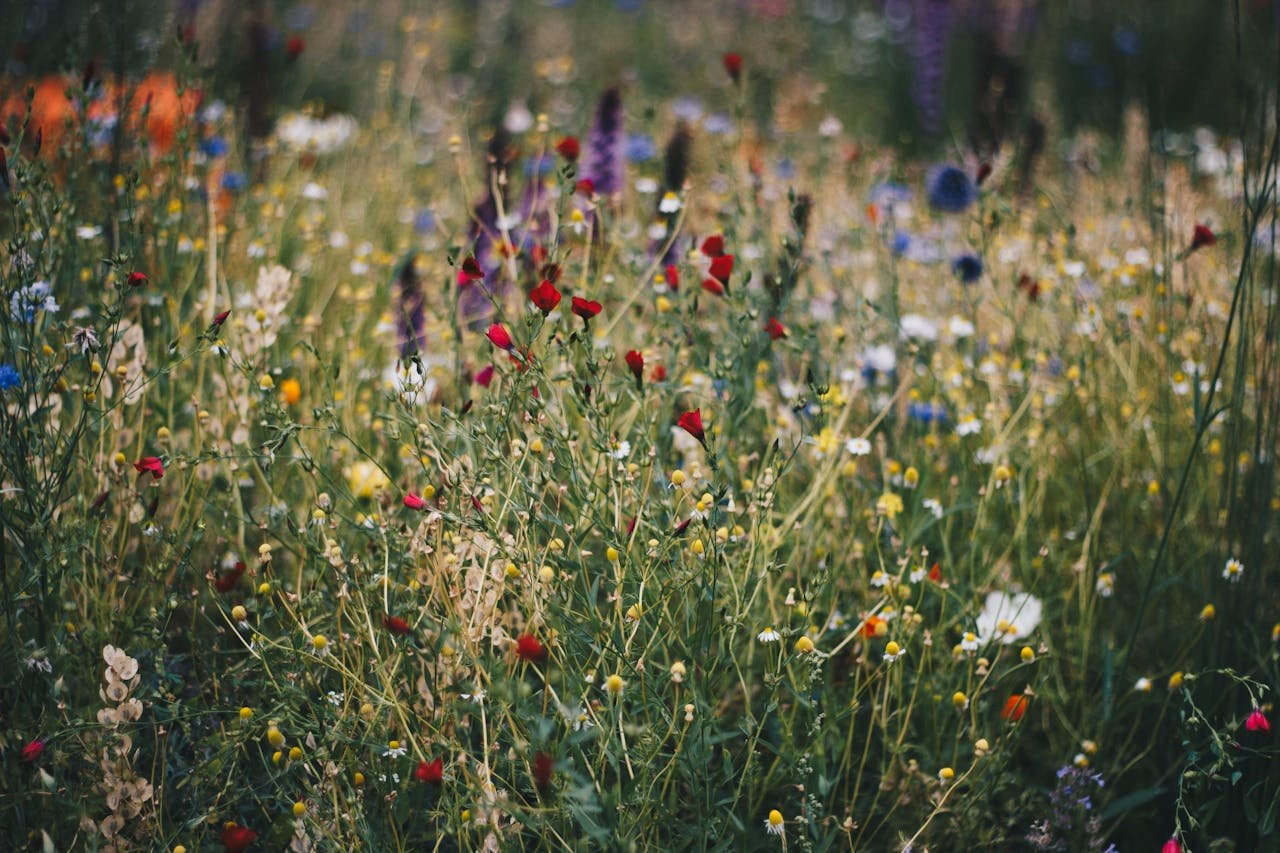
Hong Kong florist known for luxury flower bouquets
Discover a premium selection of seasonal floral arrangements for flower delivery across Hong Kong Island, Kowloon and New Territories
以奢華花束聞名的香港花店
探索香港島、九龍和新界送花的精選季節性插花
Premium flower delivery Hong Kong
When the special occasion calls for luxury blooms, you can’t go wrong with Petal & Poem. Our seasonal range of flower bouquets are crafted from the finest blooms by our master florists.
優質鮮花遞送。 當特殊場合需要奢華花朵時,Petal & Poem 絕對不會出錯。我們的季節性花束系列由我們的花藝大師採用最優質的花朵精心製作。


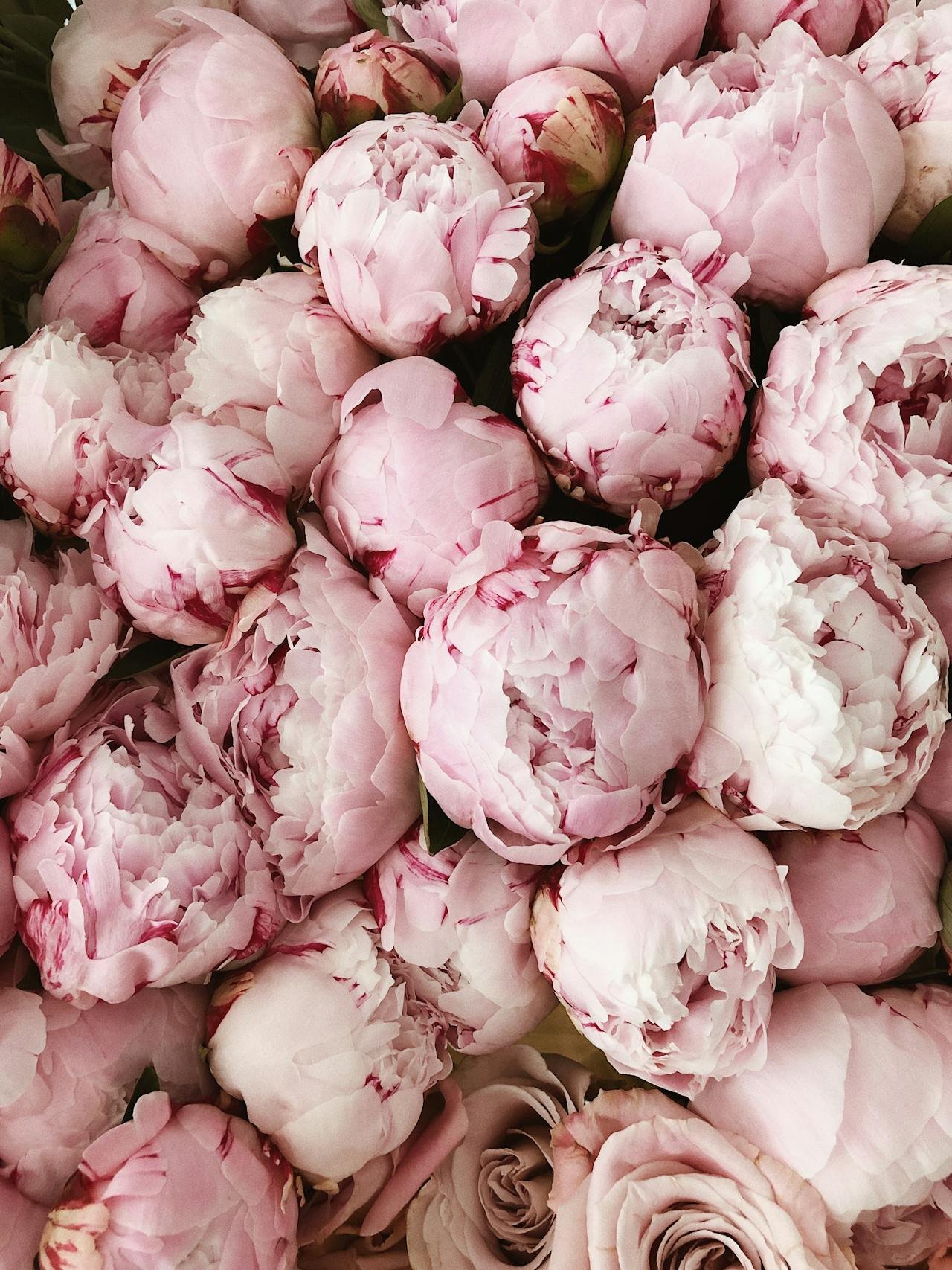
Explore flower arrangements that are created by our award-winning florists

HK Florist

DELIVERY

Workshops
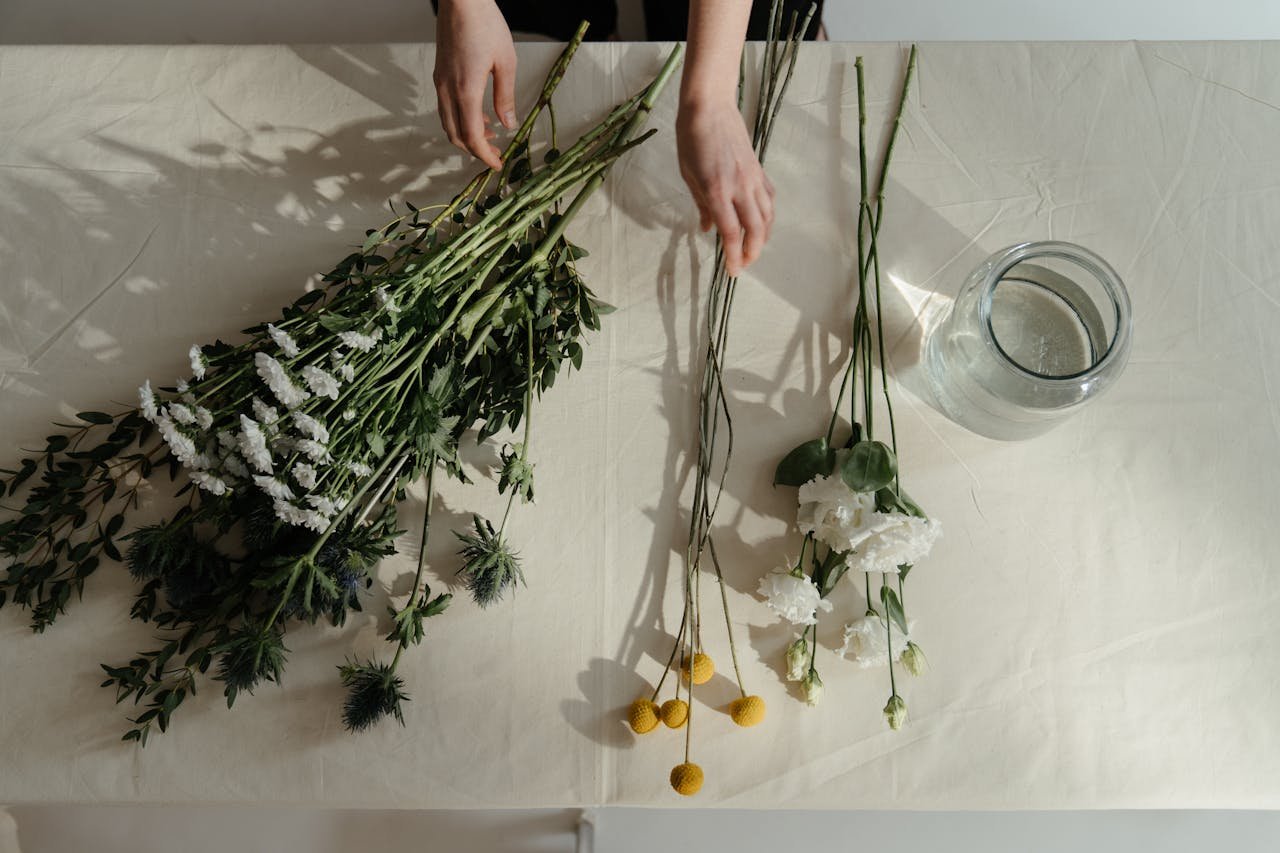
Learn from our master florists at one of our exclusive Hong Kong flower workshops
Florist’s Choice bouquet.
When you are stuck on what flowers to get for a special occasion, let our florists create some extraordinary using the freshest and finest flowers on the day.

Valentine's Day Legends Throughout History
Valentine's Day has accumulated a rich tapestry of legends and origin stories over centuries. Here's a comprehensive look at the myths, historical figures, and traditions that shaped this celebration of love.
The Saints Valentine
The most enduring mystery of Valentine's Day is the identity of Saint Valentine himself. The Catholic Church recognized at least three different saints named Valentine or Valentinus, all martyred on February 14th.
Saint Valentine of Rome is perhaps the most celebrated. According to legend, he was a priest during the third century who defied Emperor Claudius II's decree banning young men from marriage. Claudius believed unmarried soldiers fought better than married ones. Valentine continued performing secret marriage ceremonies for young lovers, and when discovered, he was imprisoned and executed around 270 CE. Before his death, he reportedly healed his jailer's blind daughter and sent her a letter signed "From your Valentine," giving birth to that timeless phrase.
Saint Valentine of Terni was a bishop who also performed forbidden marriages and was beheaded in Rome. Some scholars believe he and Valentine of Rome may actually be the same person, with details blurred across centuries of retelling.
A third Valentine was martyred in Africa alongside several companions, though little else is known about him. The historical records are frustratingly sparse, leaving us with legends that blend fact and folklore.
The Lupercalia Connection
Many historians link Valentine's Day to Lupercalia, an ancient Roman fertility festival celebrated from February 13-15. This raucous celebration honored Faunus, the Roman god of agriculture, as well as Romulus and Remus, Rome's legendary founders.
The festival involved priests sacrificing goats and dogs, then using strips of the hides to whip women, who believed this would make them fertile. Young women would place their names in an urn, and bachelors would draw names to be paired with a woman for the year, often leading to marriage.
Pope Gelasius I officially abolished Lupercalia around 496 CE, declaring February 14th as St. Valentine's Day instead. Whether this was meant to "Christianize" the pagan celebration or was simply coincidental timing remains debated among scholars.
Medieval Romantic Traditions
The association between Valentine's Day and romantic love solidified during the Middle Ages, spawning new legends.
Geoffrey Chaucer may have invented romantic Valentine's Day in his 1382 poem "Parliament of Foules," which celebrated the engagement of England's Richard II to Anne of Bohemia. He wrote: "For this was on Saint Valentine's Day, when every bird cometh there to choose his mate." This linked February 14th with courtship, though Chaucer likely meant a different St. Valentine's feast day in May, when birds actually mate in England.
The Duke of Orleans wrote the oldest known Valentine letter in 1415. Imprisoned in the Tower of London after the Battle of Agincourt, Charles, Duke of Orleans, penned romantic verses to his wife, calling her his "very gentle Valentine." These poems survive in the British Library today.
Medieval Europeans believed February 14th marked the beginning of birds' mating season, reinforcing the day's romantic associations. Young people would write the names of potential sweethearts on slips of paper, draw them from a bowl, and wear them pinned to their sleeves for a week—possibly the origin of "wearing your heart on your sleeve."
Global Love Legends
Different cultures developed their own romantic legends that parallel or intersect with Valentine's Day traditions.
The Chinese Legend of the Cowherd and Weaver Girl tells of Niulang and Zhinu, lovers separated by the Milky Way who can meet only once yearly on the seventh day of the seventh lunar month (Qixi Festival). While not related to Valentine's Day historically, it's now called "Chinese Valentine's Day."
In Japan, White Day (March 14th) emerged as a companion to Valentine's Day, when those who received gifts in February reciprocate. This stems from a 1978 marketing campaign by a confectionery company.
Brazilian legend holds that on June 12th (the eve of St. Anthony's Day, patron saint of marriage), unmarried women perform rituals to find husbands. St. Anthony supposedly reunites lost items and lost loves, making him Brazil's "matchmaker saint."
Victorian Sentimentality
The Victorian era transformed Valentine's Day into the sentimental celebration we recognize today. Mass-produced Valentine cards appeared in the 1840s, with elaborate lace, ribbons, and romantic imagery.
Esther Howland became known as the "Mother of the Valentine" in America. After receiving an ornate English Valentine in 1847, she began producing decorative cards using lace, ribbons, and colorful pictures, creating a business that earned $100,000 annually by the 1850s.
Victorian "vinegar valentines" or "penny dreadfuls" offered a darker tradition: insulting cards sent anonymously to unwanted suitors or people one wished to mock. These featured crude illustrations and mean-spirited verses, revealing the holiday's complicated social dynamics.
The Victorian "language of flowers" added layers of meaning to Valentine bouquets. Red roses meant passionate love, forget-me-nots signified remembrance, and yellow roses could suggest jealousy or friendship depending on context.
Modern Mythology
Contemporary Valentine's Day has generated its own legends and commercial myths.
The Hallmark conspiracy theory suggests greeting card companies invented Valentine's Day to sell cards. While Hallmark didn't create the holiday (it's centuries older), the company began mass-producing Valentine cards in 1913 and certainly popularized modern celebrations.
The Sweethearts candy story involves those small conversation hearts. Created in 1866 by the New England Confectionery Company (NECCO), they were originally called "motto hearts." The brief messages evolved with language: "Groovy" in the 1960s, "Email Me" in the 1990s, and emoji-style messages today.
Anti-Valentine's movements have spawned their own counter-legends. Singles Awareness Day (S.A.D.) emerged in the 1990s as a humorous protest. In India, Hindu nationalist groups have protested Valentine's Day as a Western corruption, while some have promoted alternative celebrations of Indian culture.
The Universal Thread
Despite wildly different origin stories, a common thread runs through Valentine legends: love's power to transcend barriers. Whether it's a priest defying an emperor, a duke writing from prison, lovers separated by the Milky Way, or modern people braving commercialism to express affection, Valentine's Day legends celebrate the human impulse to connect, often against considerable odds.
These stories remind us that while the holiday's exact origins remain murky, the desire to celebrate love and partnership is genuinely ancient and remarkably persistent across cultures and centuries. The legends may be embellished, the saints possibly conflated, and the commercial aspects undeniable, but the core sentiment endures: one day set aside to honor the most universal human experience.
2026香港鮮花送禮日曆:花店指南
鮮花在香港文化中蘊含著深刻的意義,它們是連結傳統與現代、東方與西方的橋樑。鮮花不僅是裝飾品,更承載著人們的願望、情感和數百年的文化傳承。這份2026年鮮花訂購及配送日曆將帶您領略送花的藝術,將中國傳統習俗與香港獨特的國際化都市風格完美融合。
了解香港的花卉文化
在深入了解花期安排之前,我們首先需要了解花卉在香港社會中蘊含的深層意義。在中國傳統文化中,花卉絕不僅僅是美麗的裝飾品,更是精心挑選、承載特定寓意的象徵。送花習俗與命理學、色彩象徵、季節的當季性緊密相連。
關鍵文化原則:
色彩至關重要紅色象徵慶祝、喜悅和好運。白色和黃色的菊花則嚴格用於哀悼和祭祀祖先。粉紅色代表愛和感激,而黃色通常傳達快樂(菊花除外)。
數位蘊含意義四(四,si)在粵語中與「死」(死,si)發音相似,應避免使用。八(八,baat)與「發」(發,faat)發音相似,非常吉利。六代表順遂輕鬆,九象徵長壽。
季節性適宜性某些花卉只適合在特定的節日或季節使用,在不恰當的時間使用它們可能被認為是無知甚至冒犯的行為。
2026年1月
元旦(1月1日)在香港,西式新年慶祝活動中常以優雅的白色蘭花或純淨的百合花來象徵新的開始和新的起點。蘭花,尤其是蝴蝶蘭,因其優雅的氣質和在香港潮濕氣候下相對容易養護,在香港一年四季都備受歡迎。許多豪華飯店和餐廳在新年期間都會擺放精美的蘭花裝飾。
一月生日慶祝活動康乃馨是傳統的1月生日花,旺角花市道有各種鮮豔的康乃馨出售。然而,如果您追求更精緻的禮物,蕙蘭則是優雅的生日選擇。這種船形蘭花常見於中餐館和家庭,在中國文化中像徵道德高尚和品格高尚。其花期長(通常為6-8週),在香港緊湊的居住空間中,是贈與親友的理想之選。
一月底計劃隨著月底臨近,精明的購物者開始在花卉市場物色新年花卉。批發價格尚未飆升,因此一月下旬是預訂或購買早春花卉的理想時機。
2026年2月
中國新年(2026年2月17日至19日 - 馬年)這無疑是香港最重要的送花盛事,屆時整個城市將化身為花卉市場。農曆新年到來前的幾天,旺角花市道會變成一個熱鬧非凡、日以繼夜的市集。除夕夜(年三十晚)花價更是飆升,家家戶戶都會趁此機會進行最後的採購。
春節必備花卉及其寓意:
Kumquat Trees (金桔樹, gam gwat shu)金桔堪稱春節裝飾之王。這些掛滿金燦燦果實的小柑橘樹象徵著繁榮和財富。金桔的粵語發音「金桔」與「金」與「福」諧音,寓意雙重吉祥。商家會在店門口擺放大型金桔樹,而家家戶戶則會在家中擺放小盆栽。金桔在整個春節都必須留在樹上-據說摘掉金桔會減少財運。
Peach Blossoms (桃花, tou fa)這些嬌嫩的粉紅色花朵象徵著浪漫、愛情和美好的關係。桃花尤其受到單身人士的喜愛,他們希望在新的一年裡迎來愛情的好運,因此桃花枝經常被擺放在家中和工作場所。在粵語文化中,「桃花運」意味著吸引浪漫的機會。
Pussy Willow(銀柳,大柳)銀灰色的柳絮在粵語中發音與“銀”相近,象徵財富和繁榮流入生活。它們常常被噴上金色油漆或飾以各種裝飾元素。與會凋謝的花朵不同,銀柳可以風乾,成為一年四季皆宜的裝飾品。
Narcissus (水仙花, seoi sin fa)水仙花又被稱為“中國聖百合”,必須在新年期間精準盛開才被視為吉祥之花。家家戶戶都會提前數週購買水仙花球莖,仔細計算澆水量和溫度,以確保其在最佳時機綻放。適時盛開的水仙花被視為來年好運的預兆。
Orchids (蘭花, laan fa)蘭花象徵優雅、高貴和多產,是送給商業夥伴和尊敬長輩的優雅禮物。在中國傳統藝術中,蘭花與竹子、菊花和梅花並稱為“四君子”,代表著文人墨客的理想品質。
Peonies (牡丹, mau daan)牡丹素有「花中之王」的美譽,象徵財富、榮譽和崇高的社會地位。其飽滿豐盈的花瓣代表著繁榮昌盛和奢華的生活。雖然春節期間鮮花可能並非當季,但高品質的模擬牡丹卻隨處可見,也被認為是合適的選擇。
關鍵迴避白色和黃色的菊花在春節期間絕對禁止使用,因為它們與葬禮和哀悼密切相關。春節期間將這些花帶回家被認為是非常不吉利和冒犯的。
春節購物策略從農曆新年前的週末開始,就可以去旺角花街逛逛了。花街在高峰期24小時營業,除夕夜更是人潮湧動,熱鬧非凡。為了在商品被搶購一空之前挑選到心儀的商品,建議清晨早點到達。購買多件商品時,一定要做好討價還價的準備。許多攤販都提供套餐優惠。花街節慶氣氛濃厚,舞獅、樂師和各種美食攤位營造出嘉年華般的熱鬧景象。
情人節(2月14日)2026年的情人節恰逢農曆新年前三天,東西方傳統在此巧妙融合。紅玫瑰依然是經典之選,但香港花店反映,由於雙重節日壓力,玫瑰價格大幅上漲,通常比平常高出200%至300%。
別緻的選擇包括象徵愛慕和忠貞的粉紅色百合,或來自愛德華王子花卉市場的包含玫瑰、毛茛和時令花卉的浪漫混合花束。建議至少提前兩週預訂,以確保價格更優惠並保證有貨。有些情侶會選擇提前或延後幾天慶祝,以避開價格高峰期。
對於預算有限的人來說,親自去花市逛逛,親手製作花束既經濟又浪漫。即使在旺季,許多攤販也會以合理的價格出售單支鮮花。
2026年3月
國際婦女節(3月8日)雖然國際婦女節在香港並非傳統的送禮節日,但近年來,尤其是在跨國公司和年輕一代中,這一節日越來越受歡迎。黃玫瑰象徵友誼和感激,因此適合贈送給女性同事和朋友。鬱金香在香港早春時節也越來越常見,是現代而優雅的選擇。色彩鮮豔、充滿活力的混合花束則更能體現節慶的精神。
春分(3月20日)春天的到來為香港的市集帶來了鬱金香、水仙花等時令花卉,偶爾還能見到櫻花(從日本或韓國進口時)。雖然春分並非傳統的送禮日,但它標誌著一個轉折點,此時更輕盈明亮的花卉擺設更適合家居裝飾和日常禮物。
三月天氣注意事項隨著香港從冬季過渡到春季,濕度開始上升。這對於喜濕的蘭花和熱帶花卉來說是絕佳的生長時機,但一些較為嬌嫩的花卉可能會更快凋謝。在這個過渡季節,不妨考慮贈送盆栽植物,作為更持久的禮物。
2026年4月
清明節(掃墓日 - 4月5日,4月6日為公眾假期)清明節是香港最重要的傳統節慶之一,家人們會前往祖先墓地祭拜。白色或黃色的菊花、百合花以及其他莊重肅穆的花卉是傳統的祭品。掃墓的習俗包括清掃墓地、供奉食物和飲料,以及擺放鮮花。
香港各大墓園附近,包括香港仔、合合石和長洲的墓園,都會出現花攤。花束通常簡潔雅緻,避免使用鮮豔喜慶的色彩。白色象徵純潔和敬意,而黃色菊花在中國文化中則象徵哀悼和紀念。
文化註:這不是贈送禮物給在世者的場合。清明節期間購買的所有鮮花都是獻給已故的祖先。
耶穌受難日(4月3日)香港的基督徒群體約佔總人口的10%,他們慶祝復活節的傳統。白色百合是經典的復活節花卉,象徵著復活和純潔。教堂裡常會擺放精美的百合花,基督徒家庭也會互贈鮮花給教友。各大花店都提供適合送給基督徒親朋好友的宗教主題花束。
復活節星期一(4月6日)香港的復活節慶祝活動融合了西方傳統與本地習俗。色彩柔和的鬱金香、春意盎然的花束和潔白的百合花營造出濃厚的節慶氛圍。飯店和餐廳將精心準備豐盛的復活節早午餐,並以絢麗的花卉裝飾點綴。復活節期間,家人朋友會互贈鮮花,款待親朋好友。
復活節星期二(4月7日)今年多出一個公共假期(因為4月6日本身就是復活節星期一),延長了復活節週末。許多家庭會選擇短途旅行或舉辦聚會,因此贈送花給女主人就顯得格外合適。
2026年5月
勞動節(5月1日)在香港,勞動節是公眾假期,人們越來越重視向服務人員、建築管理團隊、家事服務人員以及其他全年辛勤工作的人們表達感謝。簡單的向日葵花束(象徵溫暖和感激)或混合花束都是貼心的表達。有些雇主也會贈送鮮花給員工以示謝意。
佛誕日(5月24日,5月25日為公眾假期)衛塞節,又稱佛誕節,是佛教的重要節慶。在這一天,信徒們會前往寺廟供奉鮮花,尤其是蓮花和蓮花主題的花束。蓮花在佛教中具有至高無上的意義,象徵著純潔、覺悟和心靈的覺醒。根據佛教教義,蓮花生長於淤泥之中卻不染污穢,代表從苦難走向覺悟的道路。
香港各地的寺廟,包括寶蓮禪寺、黃大仙祠和錫錫園,每天都會迎來成千上萬前來獻花的遊客。白色和粉紅色的蓮花最受歡迎,但新鮮的蓮花並非總能找到。蘭花和其他優雅的白色花卉也是不錯的選擇。
如果你受邀與信奉佛教的朋友或家人一同參拜寺廟,帶上一束簡單的蓮花或白色鮮花,便能表達對佛教傳統的尊重和理解。請避免攜帶鮮豔的紅色鮮花,因為紅色更適合慶祝活動而非宗教場合。
母親節(2026年5月10日 - 五月的第二個主日)- 這是香港花店最繁忙的日子之一,銷售量堪比情人節。這段時間是高峰期,需要提前規劃——理想情況下提前1-2週,以便挑選到最好的花束並確保送貨時間。
傳統母親節鮮花:
粉紅色康乃馨康乃馨是世界各地經典的母親節花卉,象徵母親永恆的愛與感恩。在香港,康乃馨價格親民,隨處可見,因此深受各個經濟階層的喜愛。
蘭花蘭花花束或盆栽比康乃馨更顯高雅,傳遞優雅和持久的愛。蝴蝶蘭尤其受歡迎。
牡丹- 如果牡丹花在晚春時節上市,那麼它將是奢華的母親節禮物,象徵著榮譽和高度尊重。
混合花束- 將玫瑰、百合、繡球花和時令花卉結合的現代花束迎合了現代人的品味。
許多香港家庭喜歡將鮮花與外出用餐(餐廳往往提前數週就被預訂一空)或購買珠寶和奢侈品禮品結合。鮮花是這些慶祝活動中情感的核心。
配送注意事項母親節當天送達服務非常有限。請儘早預訂送貨時間,或考慮親自送花——這樣的舉動更有意義。
五月下旬——牡丹花期如果五月天氣保持相對涼爽,正是牡丹盛開的季節。牡丹在中國文化中被稱為“花中之王”,象徵著繁榮、榮譽和崇高的社會地位。雖然價格昂貴(每束200-500港元以上),但其嬌艷欲滴的美麗使其成為升職、新店開業或重要慶典等重要場合的絕佳禮物。
2026年6月
端午節(端午節 - 6 月 19 日)這個紀念詩人屈原的古老節日,傳統上與粽子和賽龍舟聯繫在一起,而不是鮮花。不過,如果你受邀參加端午節聚會,竹子或鳶尾花也是不錯的禮物選擇。
竹子在中國文化中像徵力量、柔韌性和頑強。它是中國藝術中的「四君子」之一,代表道德高尚。鳶尾花與夏季和水相關,與節日的水生主題相得益彰。
父親節(2026年6月21日 - 第三個主日)儘管香港的父親節不如母親節那麼商業化,但鮮花銷售量依然可觀,尤其是男士花束。黃玫瑰和向日葵是傳統之選,象徵尊重、欽佩和溫暖。現代花束則可能包含熱帶花卉、帝王花,或線條簡潔的建築風格設計。
重要文化提示如果是為了紀念已故的父親,白玫瑰比黃玫瑰更適合。有些家庭會在父親節期間祭掃墓地,類似清明節,但這並不常見。
六月下旬-繡球花盛開隨著香港氣溫升高,濕度增大,繡球花也迎來了盛開的季節。這些繁茂艷麗的花朵象徵著真摯的情感和感恩。它們特別受到婚禮的青睞,既可用於鮮花佈置,也可作為盆栽植物用於家居裝飾。
六月婚禮季六月標誌著香港婚禮旺季的開始(旺季會持續到秋季)。熱門婚禮用花包括:
蘭花尤其是蝴蝶蘭和石斛蘭,它們象徵著美麗、奢華和豐饒。
玫瑰- 提供各種顏色可選,但白色、粉紅色和香檳色最受婚禮歡迎。
牡丹- 如果還有貨,這些名貴花卉是新娘捧花的熱門之選。
繡球花因其浪漫的花園式美學而越來越受歡迎
2026年7月
香港特別行政區成立紀念日(7月1日)香港回歸中國週年紀念日以官方慶祝活動來紀念。洋紫荊(Bauhinia blakeana)是香港的市花和市徽,具有特殊的象徵意義。這種獨特的無性雜交品種——由兩種異國植物雜交而成——代表了香港融合東西方文化遺產的獨特身份。
紅色紫荊花束或紅金配色(分別代表香港和中國)的花束適合正式場合或愛國活動。雖然傳統上這不是互贈禮物的日子,但這些花束很適合政府機關、學校和企業慶祝節日時使用。
夏季婚禮高峰期7月至9月是香港的婚禮旺季,場地往往提前數年就被預訂一空。學校假期、宜人的室內氣候(空調場地)以及傳統吉日等因素,都使得婚禮花卉的需求量激增。
夏季婚禮熱門用花:
蘭花- 即使在香港夏季潮濕的環境中也能保持舒適,在空調場所也能保持清爽
玫瑰經典款全年供應,但優質品種需要進口。
繡球花- 在盛花期,綻放出繁茂浪漫的花朵
熱帶花卉紅掌、鶴望蘭和天堂鳥等花卉組合,營造出大膽而現代的插花效果。
夏季護理小貼士香港夏季高溫(通常30-35攝氏度)和高濕度(80-90%)對鮮切花來說是個挑戰。建議將插花放置在有空調的室內,每日換水,並做好花期縮短的心理準備。耐寒的熱帶花卉和蘭花在這個季節表現最佳。
2026年8月
夏季送禮八月酷暑難耐,因此精心挑選鮮花至關重要。向日葵象徵積極和溫暖,既當季又耐熱。以紅掌、薑花和鶴望蘭等熱帶植物打造的花束,則完美詮釋了夏日風情。此外,您也可以考慮一些具有空氣淨化功能的盆栽植物,它們在空調房內也能茁壯生長——虎尾蘭、綠蘿和白掌都是不錯的選擇。
中元節(八月中旬,具體日期因農曆而異)農曆七月,又稱“鬼月”,傳統上被認為不宜舉行重大慶祝活動、公司開幕或婚禮。中國傳統認為,在此期間鬼魂遊蕩,因此更應保持謹慎和敬畏,而非慶祝。
雖然並非完全禁止,但在鬼月期間,人們通常會避免大量送花。如果一定要送花,請選擇簡潔樸素的花束。避免選擇純白色的花束,以免被誤認為喪葬用品。有些傳統家庭甚至在鬼月期間完全不接受鮮花。
實際考慮因素鬼月期間,人們的習俗影響遠不止於送花——房地產交易、手術和婚禮等活動也會被避免。了解這些習俗有助於您以尊重的方式融入香港的文化環境。
2026年9月
中秋節(9月25日,9月26日為公眾假期)中秋節,又稱月節,這個深受人們喜愛的節日以月餅、燈籠和家人團聚為中心,而非鮮花。然而,鮮花也能為節慶增添美麗的色彩:
桂花(Osmanthus Flowers)桂花在秋季盛開,與中秋節有著天然的連結。它甜美的香氣令人聯想到傳統的桂花酒和桂花月餅。雖然桂花本身並不常作為禮物贈送,但帶有桂花香味的飾品或以秋季花卉搭配桂花的插花卻十分應景。
優雅的盆栽植物- 盆景或精緻的盆栽擺設是拜訪家人參加團圓飯時送給女主人的貼心禮物。
蓮花佈置- 如果還有的話,蓮蓬和蓮子可以製作出獨特的秋季插花,與節日的豐收和家庭團聚的主題相得益彰。
文化意義中秋節慶祝豐收、閔家團圓和滿月。鮮花雖然並非節慶的核心,但可以為慶祝活動增添光彩,尤其是在走親訪友或舉辦派對時。
返校季九月標誌著香港新學年的開始。向日葵象徵成長和抱負,是鼓勵學生開啟新學期或教師開始新學年的理想禮物。雖然不像西方國家那麼普遍,但向老師表達感謝的簡單花束也同樣受歡迎。
2026年10月
國慶日(10月1日)國慶日期間,香港各處都洋溢著愛國情操。官方場所、政府大樓和學校裡擺放著代表國旗顏色的紅黃花,十分應景。然而,國慶日並非傳統意義上互贈禮物的場合。
重陽節(雙九節 - 10月18日,10月19日為公休日)中陽節是每年第二個重要的祭祖節日,與清明節有相似之處,但也具有其獨特的特色。按照傳統,家人們會攀登到高處(山登高),以求避兇,並祭拜祖先的墳墓。
菊花是中陽節的代表花卉——這些耐寒的秋季花卉象徵著長壽,並與節日日期(農曆九月初九)緊密相關。人們會將白色和黃色的菊花帶到墓地祭拜,而色彩鮮豔的盆栽菊花則被用來裝飾房屋,慶祝秋季的到來和長壽的祝福。
與清明節一樣,墓園附近也會擺放花攤,家人們會購買簡潔而莊重的花束。氣氛比清明節略為輕鬆,秋季宜人的天氣也讓這段時間成為家人外出遊玩的好時節。
雙十節(10月10日)- 台灣的「雙十節」或許會受到與台灣有聯繫的香港居民的紀念。雖然「雙十節」並非香港的法定假日,但慶祝者或許會欣然接受鮮花,以表達對台灣文化傳承的敬意。
萬聖節(10月31日)萬聖節在香港越來越受歡迎,尤其是在年輕一代和外籍人士群體中,鮮花的運用也極具創意。橙色玫瑰、黑色馬蹄蓮以及融入秋季色彩的花束,為萬聖節派對營造出既喜氣又精緻的氛圍。蘭桂坊和其他娛樂區會舉辦盛大的萬聖節慶祝活動,創意十足的花藝佈置也為場地增添了光彩。
2026年11月
排燈節(燈節)香港的印度社區熱情慶祝排燈節,這個節日也逐漸被更廣泛的群體所接受。傳統的排燈節花卉包括:
萬壽菊- 最具代表性的排燈節花卉,象徵太陽、純潔和正能量
蓮花——代表財富與繁榮女神拉克希米。
明亮喜慶的佈置鮮豔的色彩,如橙色、黃色和紅色,反映了排燈節的歡樂氣氛。
如果受邀參加印度朋友或鄰居舉辦的排燈節慶祝活動,帶上萬壽菊花束體現了文化意識和尊重。排燈節象徵光明、繁榮和新生,因此也是跨文化互贈禮物的絕佳時機。
秋季婚禮季十一月是香港氣候最宜人的月份——白天溫暖,夜晚涼爽,濕度低,降雨量少——是舉辦婚禮的理想時節。隨著氣溫轉涼,溫帶花卉的進口也更加便捷,鮮花的選擇也更加豐富:
玫瑰尤其是花園玫瑰和浪漫的傳家寶品種
蘭花保持全年可靠性
時令花卉- 如果進口,則包括大麗花、毛茛和銀蓮花。
秋葉- 融入秋季的色彩和紋理
職場讚賞十一月假期相對較少,是贈送企業禮品和表達員工感謝的絕佳時機。向客戶、商業夥伴或員工送花,感謝他們一年的合作,既能給人留下深刻印象,又不局限於任何特定場合。
2026年12月
聖誕節(12月25日)雖然香港人口以非基督徒為主,但聖誕節仍是香港重要的送花節日。這個節日已被充分視為一場商業和文化盛宴,整個城市都裝飾得美輪美奐。
傳統聖誕花卉:
一品紅聖誕紅是標誌性的聖誕植物,有經典的紅色、優雅的白色和各種新奇的顏色可供選擇。整個十二月,盆栽聖誕紅都被用來裝飾家庭、辦公室和餐廳。
聖誕玫瑰(鐵筷)- 如果可以透過進口獲得,這些優雅的冬季開花植物適合精緻的插花作品。
紅白花束- 經典的色彩搭配,運用玫瑰、百合、康乃馨和時令綠植
孤挺花艷麗的花朵因其醒目的姿態和節日氣氛而廣受歡迎
冬青、松樹和冬季綠植常用於營造質感和季節氛圍。
哪裡可以買聖誕鮮花花市街搖身一變,成為聖誕仙境,攤販販售花圈、花束、一品紅和各種精美花藝作品。中環、銅鑼灣、尖沙咀等主要購物區遍布為企業和高端住宅客戶提供服務的豪華花店。半島酒店、四季酒店和文華東方酒店等酒店的花藝師也精心打造出令人驚豔的節慶花藝作品。
聖誕節送禮文化在香港商界,聖誕節互贈禮物十分普遍。鮮花是優雅的商務禮品之選,既可單獨贈送,也可搭配葡萄酒、美食或禮籃。由於鮮花外送服務需求量大,建議儘早預約以確保您心儀的日期和時間。
定時為確保有更多選擇,請至少提前一周預訂聖誕節花束。與春節或情人節相比,價格相對穩定,但高檔和進口品種的價格會更高一些。
除夕夜(12月31日)香港即將迎來2027年,喜慶的花束是派對、聚會和饋贈親友的理想選擇。優雅的混合花束、充滿異國情調的熱帶花卉或精緻的蘭花擺設,都能為新年慶祝活動增添光彩。中環、尖沙咀及全城各地均有盛大的慶祝活動,維多利亞港上空也將燃放煙火(視具體時間而定)。
香港鮮花購物大全
最佳花卉市場和花店
Flower Market Road (花墟道), Mong Kok花市街是香港花卉貿易的中心地帶,綿延數個街區,聚集了超過50家花店。這裡是當地人購買鮮花、享受最優惠價格、最豐富的選擇以及體驗道地香港購花體驗的理想之地。
優勢:
香港最優惠價格-通常比零售花店便宜50-70%
種類繁多的鮮花、盆栽植物、用品和配件
營業時間延長(許多商店營業至午夜,假日高峰期24小時營業)
提供批發和零售選擇
道地的當地氛圍
須知事項:
現金為王-很多商家不接受刷卡。
談判是不可避免的,尤其是在大額採購的情況下。
品質參差不齊——請仔細檢查花朵。
週末人非常多。
節慶期間,請儘早到達以便挑選最佳商品。
到達港鐵太子站,B1出口,沿著太子道西步行5-10分鐘至花市街
愛德華王子地區- 在地鐵站周圍,還有許多其他花卉攤販和批發商,方便顧客快速購買花卉,而無需體驗完整的花卉市場路購物流程。
豪華花店- 適用於高端佈置、專業配送和精緻設計:
中央- 服務於商務區的企業花店,是商務禮品的理想之選
銅鑼灣- 既有精品花店,也有連鎖花店,服務購物區的顧客
尖沙咀面向遊客且具備國際配送能力的鮮花店
飯店花店半島酒店、四季酒店和文華東方酒店提供高級住宿安排
網路花店香港多間公司提供全港配送的線上訂購服務,方便忙碌人士,但價格遠高於市價。
把握購買時機
最佳購買時機:
平日早晨隔夜送達,精選最新鮮食材。
淡季- 1月(春節後)、3月、9月價格穩定
月初假日之前需求量會上升
需要提前規劃的時期:
春節提前1-2週訂購,高峰期儘早購物
情人節- 至少提前兩週預訂
母親節- 建議提前 1-2 週預訂,尤其是送貨上門的訂單。
聖誕節建議提前一周預訂
盡量避免:
重大節日的前夕最高價格,精選商品
國定假日許多商店關門或縮短營業時間。
颱風警報市場可能關閉,交割暫停
配送服務
現有產品:
當日送達- 香港大多數花店為中午前下的訂單提供此服務
國際配送主要連鎖店與全球網路合作
企業大量配送- 透過批發商安排
預定交付- 預訂具體日期和時段
運費:
香港本地配送:80-200元,具體費用視距離及花店而定。
高級花店:200-500港幣以上
購物滿800-1000元港幣通常可享免費送貨服務。
高峰期限制:
假日期間,配送名額很快就會被訂滿。
節日配送需額外收費(加收 50-100%)
尖峰時段延長配送時間
偏遠地區(外島)服務可能有限。
香港獻花文化指南
必須牢記的關鍵規則:
除了葬禮和清墓之外,千萬不要贈送白色或黃色的菊花。這是最重要的規則。違反這條規則可能會嚴重冒犯他人,並造成嚴重的社交尷尬。
避開數字四。- 切勿贈送四朵花、四枝花或四倍於四的花束。粵語中「四」(四,sei)與「死」(死,sei)發音相同。
擁抱數字八八(baat)與「發」(faat)諧音,寓意吉祥。八枝或八元素的排列組合被認為能帶來好運。
偶數用於特殊場合,奇數用於日常禮物- 雖然偶數可以像徵配對和婚姻(因此適合婚禮),但傳統的非正式送禮習慣偏愛奇數,以避免與葬禮上的「配對」聯繫起來(葬禮上的物品通常成對贈送)。
根據場合選擇適合的顏色:
紅色的慶祝、喜悅、中國新年、婚禮
粉紅色的浪漫、感恩、女性氣質、母親節
白色的- 純潔、婚禮、葬禮(視情況而定)
黃色的友誼,歡呼(菊花除外)
紫色的優雅、尊重、高雅
盆栽植物與鮮切花盆栽植物象徵著長久的友誼和成長,因此是開幕、喬遷和表達長遠願望的首選。鮮切花則適合即時的慶祝活動和短期場合。
尊重宗教和文化背景- 寺廟供奉時,應選擇合適的鮮花(例如,佛教寺廟可用蓮花)。基督教場合,應了解西方的花卉傳統。印度教慶典,萬壽菊和傳統花卉體現了文化意識。
預算考量
花市路(經濟實惠):
單支花:港幣10-50元
小花束:港幣100-200元
中等規模的佈置:港幣200-400元
大型展示架:港幣500-800元
節慶特供(金桔、桃花):港幣300-1500元以上
中檔花店:
標準花束:港幣400-800元
高級套餐:港幣800-1500元
包含運費或僅收取少量費用
高端花店:
基本安排:港幣800-1500元
高級花束:港幣1500-3000元
精美陳列:港幣3000元至10000元以上
企業/活動佈置:港幣10,000-100,000+
節慶價格倍數:
春節期間:高峰期價格為平日的2-3倍
情人節:價格為正常價格的 2-3 倍
母親節:價格為正常價格的 1.5-2 倍
聖誕節:優質品種的價格是1.5-2倍
省錢策略:
與其去零售花店,不如去花市路買。
節慶期間儘早購買,避開高峰需求
考慮當季鮮花(通常更便宜)
購買單支花材,自行插花。
協商批量採購事宜
選擇盆栽植物,物超所值。
季節性供應指南
全年必需品:
蘭花(蝴蝶蘭、石斛蘭、文心蘭)
玫瑰(進口品種常備供應)
百合(卡薩布蘭卡百合、東方百合、亞洲百合)
康乃馨
菊花
非洲菊
時令特色菜:
春季(3月至5月)鬱金香、水仙、牡丹、毛茛
夏季(六月至八月)繡球花、向日葵、熱帶花卉
秋季(9月至11月)大麗花、菊花、秋葉
冬季(12月至2月)一品紅、朱頂紅、水仙、桃花
中國新年特有內容:
金橘樹
桃花
貓柳
納西索斯
傳統吉祥植物(竹子、蘭花)
香港氣候下的養護與處理技巧
香港的亞熱帶氣候為花卉養護帶來了獨特的挑戰:
濕度管理- 高濕度(一年中大部分時間濕度在 70-90% 之間)會導致黴菌滋生並加速腐爛:
每天換水
將鮮花放在有空調的空間。
每隔2-3天修剪一次莖稈
立即去除任何枯萎的葉子或花朵。
溫度因素- 夏季極端高溫和冬季偶爾出現的寒流:
避免將鮮花放置在空調出風口附近(太冷)。
避免陽光直射的窗戶。
保持室溫恆定(理想溫度為22-25°C)
延長花瓶壽命:
使用花店提供的鮮花保鮮劑。
在水中加入一滴漂白水可以防止細菌滋生。
將莖稈以 45 度角斜切,以利於吸水。
去除水線以下的葉子以防止腐爛
香港氣候最佳表現者:
蘭花(適合熱帶環境)
熱帶花卉(紅掌、鶴望蘭、天堂鳥)
菊花(耐寒且花期長)
康乃馨(生命力驚人)
花店小撇步
在香港,送花體現了中國古代傳統、英國殖民時期影響和現代都市文化的巧妙融合。了解每種花朵背後的象徵意義、顏色和數字的意義,以及不同花卉的適用場合,都能豐富送花和收花的體驗。
無論是用寓意吉祥的金桔樹慶祝中國新年,或是在清明節用莊嚴的菊花祭祀祖先,亦或是情人節用玫瑰表達浪漫情愫,又或是僅用明媚的向日葵點亮他人的一天,鮮花都是人類情感的通用語言。
Hong Kong Flower Gift-Giving Calendar 2026: A Florist Guide
Flowers hold profound meaning in Hong Kong culture, serving as bridges between tradition and modernity, East and West. More than mere decorations, they embody wishes, emotions, and centuries of cultural heritage. This flower delivery calendar guides you through the art of flower-giving throughout 2026, blending Chinese customs with Hong Kong's unique cosmopolitan character.
Understanding Hong Kong's Flower Culture
Before diving into the calendar, it's essential to grasp the deeper significance flowers hold in Hong Kong society. In Chinese tradition, flowers are never just pretty arrangements—they're carefully selected symbols carrying specific meanings. The practice of giving flowers intertwines with numerology, color symbolism, and seasonal appropriateness.
Key Cultural Principles:
Colors matter deeply: Red symbolizes celebration, joy, and good fortune. White and yellow chrysanthemums are strictly reserved for mourning and ancestral worship. Pink represents affection and gratitude, while yellow generally conveys cheerfulness (except for chrysanthemums).
Numbers carry meaning: Four (四, si) sounds like "death" (死, si) in Cantonese and must be avoided. Eight (八, baat) sounds like "prosperity" (發, faat) and is highly auspicious. Six represents smoothness and ease, while nine symbolizes longevity.
Seasonal appropriateness: Certain flowers are only appropriate during specific festivals or seasons, and using them at the wrong time can be considered ignorant or even offensive.
January 2026
New Year's Day (January 1) - Western New Year celebrations in Hong Kong call for elegant white orchids or pristine lilies symbolizing fresh starts and new beginnings. Orchids, particularly phalaenopsis (moth orchids), are especially popular in Hong Kong year-round due to their elegance and relatively easy care in the city's humid climate. Many luxury hotels and restaurants display elaborate orchid arrangements during this period.
January Birthday Celebrations - Carnations are the traditional January birth flower, available in vibrant colors at Flower Market Road in Mong Kok. However, for those seeking something more refined, cymbidium orchids make elegant birthday gifts. These boat orchids, often seen in Chinese restaurants and homes, symbolize moral integrity and noble character in Chinese culture. Their long-lasting blooms (often 6-8 weeks) make them practical gifts in Hong Kong's compact living spaces.
Late January Planning - As the month draws to a close, savvy shoppers begin scouting the flower markets for Chinese New Year preparations. Wholesale prices haven't yet surged, making late January an ideal time to pre-order or purchase early-blooming varieties.
February 2026
Chinese New Year (February 17-19, 2026 - Year of the Horse) - This is unequivocally THE most important flower-giving occasion in Hong Kong, transforming the entire city into a botanical marketplace. The days leading up to Lunar New Year see Flower Market Road in Mong Kok transform into a vibrant, bustling bazaar that operates around the clock. Prices peak dramatically on New Year's Eve (年三十晚), when families make their final purchases.
Essential Chinese New Year Flowers and Their Meanings:
Kumquat Trees (金桔樹, gam gwat shu) - The undisputed king of CNY decorations. These small citrus trees laden with golden fruit symbolize prosperity and wealth. The Cantonese pronunciation of kumquat (金桔) sounds similar to "gold" and "luck," making them double auspicious. Businesses display large kumquat trees at their entrances, while families keep smaller potted versions at home. The fruit must remain attached to the tree throughout the festival—picking them off is believed to diminish your fortune.
Peach Blossoms (桃花, tou fa) - These delicate pink blooms represent romance, love, and good relationships. Particularly popular with unmarried individuals seeking romantic luck in the new year, peach blossom branches are displayed in homes and workplaces. In Cantonese culture, having "peach blossom luck" (桃花運) means attracting romantic opportunities.
Pussy Willow (銀柳, ngan lau) - The silver-grey catkins of pussy willow sound like "silver" in Cantonese, symbolizing wealth and prosperity flowing into your life. They're often spray-painted gold or adorned with decorative elements. Unlike flowers that wilt, pussy willows can dry beautifully, serving as year-round decorations.
Narcissus (水仙花, seoi sin fa) - Called the "Chinese Sacred Lily," narcissus flowers must bloom precisely during the New Year period to be considered auspicious. Families buy narcissus bulbs weeks in advance, carefully calculating water and temperature to ensure blooming at the right moment. Successfully timed blooms are seen as omens of good fortune for the year ahead.
Orchids (蘭花, laan fa) - Representing elegance, refinement, and fertility, orchids are sophisticated gifts for business associates and respected elders. In Chinese tradition, orchids are one of the "Four Gentlemen" (四君子) in art, alongside bamboo, chrysanthemum, and plum blossom, representing the ideal qualities of a scholar.
Peonies (牡丹, mau daan) - Known as the "King of Flowers," peonies symbolize wealth, honor, and high social status. Their lush, abundant petals represent prosperity and a life of luxury. Fresh peonies may not be in season during CNY, but high-quality silk versions are widely available and considered appropriate.
CRITICAL AVOIDANCE: White and yellow chrysanthemums are absolutely forbidden during Chinese New Year celebrations, as they're associated exclusively with funerals and mourning. Bringing these flowers into a home during CNY is considered extremely inauspicious and offensive.
Shopping Strategy for CNY: Visit Flower Market Road in Mong Kok starting from the weekend before CNY. The market operates 24 hours during peak days, with the most frenzied shopping occurring on New Year's Eve. Arrive early in the day (morning hours) for the best selection before items are picked over. Expect to negotiate prices, especially if buying multiple items. Many vendors offer package deals. The market atmosphere is festive, with lion dances, musicians, and food stalls creating a carnival-like environment.
Valentine's Day (February 14) - Falling just three days before Chinese New Year in 2026, Valentine's Day creates a unique convergence of Eastern and Western traditions. Red roses remain the classic choice, but Hong Kong florists report significant price surges—often 200-300% above normal rates—due to the double festival pressure.
Smart alternatives include pink lilies symbolizing admiration and devotion, or mixed romantic bouquets featuring roses, ranunculus, and seasonal blooms from the Prince Edward flower market. Consider pre-ordering at least two weeks in advance to secure better prices and guarantee availability. Some couples opt to celebrate a few days early or late to avoid the peak pricing.
For those on a budget, visiting the flower markets yourself and creating a DIY arrangement can be both economical and romantic. Many vendors sell individual stems at reasonable prices even during peak season.
March 2026
International Women's Day (March 8) - While not traditionally a major gift-giving occasion in Hong Kong, International Women's Day has gained traction in recent years, particularly among multinational companies and younger generations. Yellow roses symbolize friendship and appreciation, making them appropriate for female colleagues and friends. Tulips, increasingly available in Hong Kong during early spring, offer a modern, elegant alternative. Mixed bouquets in bold, empowering colors reflect the spirit of the occasion.
Spring Equinox (March 20) - The arrival of spring brings seasonal flowers like tulips, daffodils, and occasionally cherry blossoms (when imported from Japan or Korea) to Hong Kong's markets. While not a traditional gift-giving day, the spring equinox marks a turning point when lighter, brighter arrangements become appropriate for home decoration and casual gifts.
March Weather Considerations - As Hong Kong transitions from winter to spring, humidity begins rising. This is an excellent time for orchids and tropical flowers that thrive in moisture, but more delicate blooms may wilt faster. Consider potted plants for longer-lasting gifts during this transitional season.
April 2026
Ching Ming Festival (Tomb Sweeping Day - April 5, with public holiday on April 6) - One of Hong Kong's most important traditional observances, Ching Ming sees families visiting ancestral graves to pay respects. White or yellow chrysanthemums, lilies, and other respectful, somber flowers are traditional offerings. The practice of "sweeping the tomb" (掃墓, sou mou) involves cleaning the grave site, offering food and drink, and placing fresh flowers.
Flower stalls appear near major cemeteries throughout Hong Kong, including those in Aberdeen, Wo Hop Shek, and Cheung Chau. Arrangements are typically simple and elegant, avoiding bright, festive colors. White represents purity and reverence, while yellow chrysanthemums symbolize mourning and remembrance in Chinese culture.
Cultural Note: This is NOT an occasion for gift-giving to the living. All flowers purchased during Ching Ming are offerings to deceased ancestors.
Good Friday (April 3) - Hong Kong's Christian community, comprising roughly 10% of the population, observes Easter traditions. White lilies are the classic Easter flower, symbolizing the resurrection and purity. Churches often feature elaborate lily displays, and Christian families may give flowers to fellow congregants. Religious-themed arrangements appropriate for Christian friends and family are available at major florists.
Easter Monday (April 6) - Easter celebrations in Hong Kong blend Western traditions with local customs. Pastel-colored tulips, spring arrangements, and white lilies create festive home decorations. Hotels and restaurants feature elaborate Easter brunches with spectacular floral displays. This is a popular time for families to give flowers to hosts or relatives during Easter gatherings.
Easter Tuesday (April 7) - An additional public holiday this year (since April 6 is already Easter Monday), extending the Easter weekend. Many families take short trips or host gatherings, making hostess flowers particularly appropriate.
May 2026
Labour Day (May 1) - A public holiday in Hong Kong, Labour Day is increasingly seen as an opportunity to show appreciation to service staff, building management teams, domestic helpers, and others who work hard year-round. Simple bouquets of sunflowers (representing warmth and appreciation) or mixed arrangements are thoughtful gestures. Some employers give flowers to employees as tokens of gratitude.
Buddha's Birthday (May 24, with public holiday on May 25) - Also known as Vesak Day, this important Buddhist festival sees devotees visiting temples to offer flowers, particularly lotus flowers and lotus-themed arrangements. The lotus holds supreme significance in Buddhism, symbolizing purity, enlightenment, and spiritual awakening. According to Buddhist teachings, the lotus grows from muddy waters yet remains unstained, representing the path from suffering to enlightenment.
Temples throughout Hong Kong, including Po Lin Monastery, Wong Tai Sin Temple, and Sik Sik Yuen, receive thousands of visitors bearing flower offerings. White and pink lotus flowers are preferred, though fresh lotus may not always be available. Orchids and other elegant white flowers serve as appropriate alternatives.
If you're invited to join Buddhist friends or family for temple visits, bringing a simple lotus arrangement or white flowers shows respect and understanding of the tradition. Avoid bright red flowers, which are more appropriate for celebratory rather than religious occasions.
Mother's Day (May 10, 2026 - Second Sunday in May) - One of the busiest days for Hong Kong florists, rivaling Valentine's Day in sales volume. This is a peak time requiring advance planning—ideally 1-2 weeks ahead for the best selection and to ensure delivery slots.
Traditional Mother's Day Flowers:
Pink Carnations - The classic Mother's Day flower worldwide, symbolizing a mother's undying love and gratitude. In Hong Kong, carnations are affordable and widely available, making them popular across all economic segments.
Orchids - Considered more sophisticated than carnations, orchid arrangements or potted plants convey elegance and lasting appreciation. Phalaenopsis orchids are particularly popular.
Peonies - If available in late spring, peonies make luxurious Mother's Day gifts, symbolizing honor and high regard.
Mixed Bouquets - Contemporary arrangements combining roses, lilies, hydrangeas, and seasonal blooms cater to modern tastes.
Many Hong Kong families combine flowers with dining out (restaurants are fully booked weeks in advance) or purchasing jewelry and luxury gifts. Flowers serve as the emotional centerpiece of these celebrations.
Delivery Considerations: Same-day delivery is extremely limited on Mother's Day. Book delivery slots early, or consider personally delivering flowers—the gesture carries additional meaning.
Late May - Peony Season - If May weather remains relatively cool, this is prime peony season. Peonies (牡丹, mau daan), called the "King of Flowers" in Chinese culture, symbolize prosperity, honor, and high social status. While expensive (HK$200-500+ per bouquet), their lush beauty makes them spectacular gifts for significant occasions like promotions, business openings, or milestone celebrations.
June 2026
Dragon Boat Festival (Tuen Ng Festival - June 19) - This ancient festival commemorating the poet Qu Yuan is traditionally associated with zongzi (rice dumplings) and dragon boat races rather than flowers. However, bamboo plants or iris flowers can make appropriate gifts if you're invited to a Dragon Boat Festival gathering.
Bamboo (竹, juk) symbolizes strength, flexibility, and resilience in Chinese culture. It's one of the "Four Gentlemen" in Chinese art, representing moral integrity. Iris flowers, associated with summer and water, complement the festival's aquatic theme.
Father's Day (June 21, 2026 - Third Sunday) - Less commercialized than Mother's Day in Hong Kong, Father's Day still sees significant flower sales, particularly for masculine arrangements. Yellow roses and sunflowers are traditional choices, symbolizing respect, admiration, and warmth. Modern arrangements might include tropical flowers, proteas, or architectural designs with clean lines.
Important Cultural Note: If honoring a deceased father, white roses are appropriate rather than yellow ones. Some families visit graves during Father's Day, similar to Ching Ming, though this is less common.
Late June - Hydrangea Season - As Hong Kong's heat and humidity intensify, hydrangeas come into season. These lush, abundant blooms symbolize heartfelt emotions and gratitude. They're particularly popular for weddings and appear in both fresh arrangements and as potted plants for home decoration.
June Wedding Season - June marks the beginning of Hong Kong's peak wedding season (which extends through autumn). Popular wedding flowers include:
Orchids - Especially phalaenopsis and dendrobium varieties, representing beauty, luxury, and fertility
Roses - Available in every color, though white, pink, and champagne are most popular for weddings
Peonies - If still available, these luxury blooms are highly sought after for bridal bouquets
Hydrangeas - Increasingly popular for their romantic, garden-style aesthetic
July 2026
Hong Kong SAR Establishment Day (July 1) - The anniversary of Hong Kong's return to Chinese sovereignty is marked by official celebrations. The Bauhinia blakeana (洋紫荊, yeung ji ging), Hong Kong's official flower and emblem, is particularly symbolic. This unique sterile hybrid—a cross between two exotic species—represents Hong Kong's own hybrid identity, drawing strength from both Eastern and Western heritage.
Red bauhinia arrangements or flowers in red and gold (representing Hong Kong and China) are appropriate for official or patriotic occasions. While not traditionally a personal gift-giving day, these arrangements suit government offices, schools, and businesses celebrating the holiday.
Summer Wedding Peak - July through September constitutes peak wedding season in Hong Kong, with venues booked years in advance. The combination of school holidays, pleasant indoor climate (air-conditioned venues), and traditionally auspicious dates creates high demand for wedding flowers.
Popular Summer Wedding Flowers:
Orchids - Thrive in Hong Kong's summer humidity and maintain freshness in air-conditioned venues
Roses - Classic and available year-round, though premium varieties are imported
Hydrangeas - At peak season, offering lush, romantic blooms
Tropical flowers - Anthuriums, heliconias, and birds of paradise create bold, modern arrangements
Summer Care Tips - Hong Kong's summer heat (often 30-35°C) and humidity (80-90%) create challenging conditions for cut flowers. Keep arrangements in air-conditioned spaces, change water daily, and expect shorter vase life. Hardier tropical flowers and orchids perform best during this season.
August 2026
Summer Gift-Giving - August's intense heat makes thoughtful flower selection crucial. Sunflowers, symbolizing positivity and warmth, suit the season and withstand heat relatively well. Tropical arrangements using anthuriums, gingers, and heliconias embrace the summer aesthetic. Alternatively, consider air-purifying potted plants that thrive indoors with air conditioning—snake plants, pothos, and peace lilies are popular choices.
Hungry Ghost Festival (Mid-August, exact date varies by lunar calendar) - The seventh lunar month, known as "Ghost Month," is traditionally considered inauspicious for major celebrations, business launches, or weddings. During this period, Chinese tradition holds that spirits roam the earthly realm, making it a time for caution and respect rather than celebration.
While not completely forbidden, major flower-giving is typically avoided during Ghost Month. If flowers are necessary, stick to modest, understated arrangements. Avoid pure white arrangements that could be mistaken for funeral offerings. Some traditional families prefer not to receive flowers during this period at all.
Practical Considerations: Ghost Month beliefs affect more than flower-giving—real estate transactions, surgeries, and weddings are also avoided. Understanding these customs helps navigate Hong Kong's cultural landscape respectfully.
September 2026
Mid-Autumn Festival (September 25, with public holiday on September 26) - Also called the Mooncake Festival, this beloved celebration centers on mooncakes, lanterns, and family reunions rather than flowers. However, flowers can complement the festivities beautifully:
Osmanthus Flowers (桂花, gwai fa) - Blooming during autumn, osmanthus flowers are intrinsically associated with Mid-Autumn Festival. Their sweet fragrance recalls traditional osmanthus wine and mooncakes flavored with osmanthus. While the tiny flowers themselves aren't typically gifted, osmanthus-scented items or arrangements featuring autumn flowers with osmanthus accents are thematic.
Elegant Potted Plants - Bonsai or refined potted arrangements make thoughtful hostess gifts when visiting family for reunion dinners.
Lotus Arrangements - If still available, lotus pods and seed heads create unique autumn arrangements that complement the festival's themes of abundance and family unity.
Cultural Significance: The Mid-Autumn Festival celebrates harvest, family reunion, and the full moon. Flowers, while not central, can enhance celebrations, particularly when visiting relatives or hosting gatherings.
Back-to-School Season - September marks the beginning of Hong Kong's academic year. Sunflowers, symbolizing growth and aspiration, make encouraging gifts for students starting new terms or teachers beginning another year. Simple bouquets showing appreciation to teachers are welcomed, though not as common as in Western countries.
October 2026
National Day (October 1) - China's National Day sees patriotic displays throughout Hong Kong. Red and yellow flowers reflecting the national colors are appropriate for official contexts, government buildings, and schools. However, this isn't traditionally a personal gift-giving occasion.
Chung Yeung Festival (Double Ninth Festival - October 18, with public holiday on October 19) - The second major ancestor-worship occasion of the year, Chung Yeung shares similarities with Ching Ming but has its unique character. Traditionally, families climb to high places (山登高, shan dang gou) to avoid bad luck and visit ancestral graves.
Chrysanthemums are the signature flower of Chung Yeung—these hardy autumn bloomers symbolize longevity and are associated with the festival's date (the ninth day of the ninth lunar month). White and yellow chrysanthemums are brought to graves as offerings, while potted chrysanthemums in vibrant colors decorate homes, celebrating autumn and longevity.
Like Ching Ming, flower vendors set up near cemeteries, and families purchase simple, respectful arrangements. The atmosphere is somewhat less solemn than Ching Ming, with the autumn weather making it a pleasant time for family outings.
Double Tenth Day (October 10) - Taiwan's National Day may be acknowledged by Hong Kong residents with Taiwanese connections. While not an official holiday in Hong Kong, those celebrating might appreciate flowers in recognition of their heritage.
Halloween (October 31) - Increasingly popular in Hong Kong, particularly among younger generations and expatriate communities, Halloween sees creative use of flowers. Orange roses, black calla lilies, and arrangements incorporating autumn colors create festive yet sophisticated decor for Halloween parties. Lan Kwai Fong and other entertainment districts host elaborate Halloween celebrations where creative floral arrangements contribute to venue decoration.
November 2026
Diwali (Festival of Lights) - Hong Kong's Indian community celebrates Diwali with great enthusiasm, and the festival has gained recognition across the broader population. Traditional Diwali flowers include:
Marigolds - The quintessential Diwali flower, symbolizing the sun, purity, and positive energy
Lotus Flowers - Representing Lakshmi, the goddess of wealth and prosperity
Bright, Festive Arrangements - Vibrant colors like orange, yellow, and red reflect Diwali's joyous spirit
If invited to Diwali celebrations by Indian friends or neighbors, bringing marigold arrangements shows cultural awareness and respect. The festival's emphasis on light, prosperity, and new beginnings makes it a wonderful occasion for gift-giving across cultures.
Autumn Wedding Season - November offers Hong Kong's most pleasant weather—warm days, cool evenings, low humidity, and minimal rainfall—making it highly desirable for weddings. Floral options expand as cooler temperatures allow imports of temperate flowers:
Roses - Particularly garden roses and romantic heirloom varieties
Orchids - Maintaining their year-round reliability
Seasonal blooms - Dahlias, ranunculus, and anemones if imported
Autumn foliage - Incorporating fall colors and textures
Workplace Appreciation - November, being relatively quiet on the holiday front, is an excellent time for corporate gifts and workplace appreciation. Sending flowers to clients, business partners, or employees to thank them for the year's collaboration makes a gracious impression without being tied to any specific occasion.
December 2026
Christmas (December 25) - Christmas is a major flower-giving occasion in Hong Kong, despite the city's predominantly non-Christian population. The holiday has been thoroughly embraced as a commercial and cultural celebration, with spectacular decorations throughout the city.
Traditional Christmas Flowers:
Poinsettias - The iconic Christmas plant, available in classic red, elegant white, and novelty colors. Potted poinsettias decorate homes, offices, and restaurants throughout December.
Christmas Roses (Hellebores) - If available through importation, these elegant winter bloomers suit sophisticated arrangements.
Red and White Arrangements - Classic color combinations using roses, lilies, carnations, and seasonal greenery
Amaryllis - Dramatic blooms popular for their bold presence and holiday timing
Holly, Pine, and Winter Greenery - Often incorporated into arrangements for texture and seasonal atmosphere
Where to Buy Christmas Flowers: Flower Market Road transforms into a Christmas wonderland, with vendors offering wreaths, garlands, poinsettias, and elaborate arrangements. Major shopping districts—Central, Causeway Bay, Tsim Sha Tsui—feature luxury florists catering to corporate and high-end residential clients. Hotel florists at establishments like the Peninsula, Four Seasons, and Mandarin Oriental create spectacular seasonal arrangements.
Christmas Gift-Giving Culture: In Hong Kong's business world, exchanging gifts at Christmas is common. Flowers serve as elegant corporate gifts, either standalone or paired with wine, gourmet items, or gift baskets. Delivery services are in high demand, so book early to secure preferred dates and times.
Timing: Order Christmas arrangements at least one week in advance for the best selection. Prices remain relatively stable compared to Chinese New Year or Valentine's Day, though premium and imported varieties command higher prices.
New Year's Eve (December 31) - As Hong Kong prepares to welcome 2027, celebratory flower arrangements suit parties, gatherings, and as hostess gifts. Elegant mixed bouquets, exotic tropicals, or sophisticated orchid arrangements complement New Year's Eve festivities. Major celebrations occur in Central, Tsim Sha Tsui, and throughout the city, with fireworks over Victoria Harbour (when scheduled).
Comprehensive Hong Kong Flower Shopping Guide
Best Flower Markets and Florists
Flower Market Road (花墟道), Mong Kok - The beating heart of Hong Kong's flower trade, Flower Market Road stretches for several blocks, hosting over 50 flower shops. This is where locals shop for the best prices, widest selection, and authentic Hong Kong flower-buying experience.
Advantages:
Best prices in Hong Kong - often 50-70% less than retail florists
Enormous selection of fresh flowers, potted plants, supplies, and accessories
Open late (many shops until midnight, 24 hours during peak festivals)
Wholesale and retail options available
Authentic local atmosphere
What to Know:
Cash is king - many vendors don't accept cards
Negotiation is expected, especially for large purchases
Quality varies - inspect flowers carefully
Weekends are extremely crowded
During festivals, arrive early for best selection
Getting There: MTR Prince Edward Station, Exit B1, walk 5-10 minutes along Prince Edward Road West to Flower Market Road
Prince Edward Area - Surrounding the MTR station, additional flower vendors and wholesalers offer convenient access for quick purchases without navigating the full Flower Market Road experience.
Luxury Florists - For high-end arrangements, professional delivery, and sophisticated designs:
Central - Corporate florists serving the business district, ideal for professional gifts
Causeway Bay - Mix of boutique and chain florists catering to shopping district clientele
Tsim Sha Tsui - Tourist-oriented florists with international delivery capabilities
Hotel Florists - Peninsula, Four Seasons, Mandarin Oriental offer premium arrangements
Online Florists - Numerous Hong Kong companies offer online ordering with delivery across the territory. Useful for busy schedules, though prices exceed market rates significantly.
Timing Your Purchases
Best Times to Buy:
Weekday mornings - Freshest selection after overnight deliveries
Off-peak seasons - January (post-CNY), March, September for stable prices
Early in the month - Before holidays and festivals drive up demand
Times Requiring Advance Planning:
Chinese New Year - Order 1-2 weeks ahead, shop early on peak days
Valentine's Day - Pre-order 2 weeks minimum
Mother's Day - Book 1-2 weeks ahead, especially for delivery
Christmas - One week advance ordering recommended
Avoid If Possible:
Evening before major festivals - Highest prices, picked-over selection
Public holidays - Many shops closed or operating reduced hours
Typhoon warnings - Markets may close, deliveries suspended
Delivery Services
What's Available:
Same-day delivery - Offered by most Hong Kong florists for orders placed before noon
International delivery - Major chains partner with worldwide networks
Corporate bulk delivery - Arranged through wholesale vendors
Scheduled delivery - Book specific dates and time windows
Delivery Costs:
Local Hong Kong delivery: HK$80-200 depending on distance and florist
Luxury florists: HK$200-500+
Free delivery often available for purchases above HK$800-1000
Peak Period Limitations:
Delivery slots fill quickly during festivals
Premium charges (50-100% extra) for festival delivery
Extended delivery windows during peak times
Remote areas (outlying islands) may have limited service
Cultural Guidelines for Hong Kong Flower Giving
Critical Rules to Remember:
Never give white or yellow chrysanthemums except for funerals and tomb-sweeping - This is the most important rule. Violating it can deeply offend and cause serious social awkwardness.
Avoid the number four - Never give four flowers, four stems, or arrangements in multiples of four. The Cantonese word for "four" (四, sei) sounds identical to "death" (死, sei).
Embrace the number eight - Eight (八, baat) sounds like "prosperity" (發, faat), making it highly auspicious. Arrangements with eight stems or elements are considered lucky.
Even numbers for special occasions, odd numbers for casual gifts - While even numbers can suggest pairing and marriage (making them suitable for weddings), traditional practice for casual giving favors odd numbers to avoid the "pairing" association with funerals (where items are often given in pairs).
Match colors to occasions:
Red - Celebration, joy, Chinese New Year, weddings
Pink - Romance, gratitude, femininity, Mother's Day
White - Purity, weddings, funerals (context dependent)
Yellow - Friendship, cheer (except chrysanthemums)
Purple - Elegance, respect, refinement
Potted plants vs. cut flowers - Potted plants symbolize lasting relationships and growth, making them preferred for business openings, housewarmings, and long-term wishes. Cut flowers suit immediate celebrations and shorter-term occasions.
Respect religious and cultural contexts - For temple offerings, choose appropriate flowers (lotus for Buddhist temples, for example). For Christian occasions, understand Western floral traditions. For Hindu celebrations, marigolds and traditional flowers show cultural awareness.
Budget Considerations
Flower Market Road (Budget-Friendly):
Single stems: HK$10-50
Small bouquets: HK$100-200
Medium arrangements: HK$200-400
Large displays: HK$500-800
Festival specials (kumquats, peach blossoms): HK$300-1500+
Mid-Range Florists:
Standard bouquets: HK$400-800
Premium arrangements: HK$800-1500
Delivery included or minimal charge
Luxury Florists:
Basic arrangements: HK$800-1500
Premium bouquets: HK$1500-3000
Elaborate displays: HK$3000-10,000+
Corporate/event installations: HK$10,000-100,000+
Festival Price Multipliers:
Chinese New Year: 2-3x normal prices at peak
Valentine's Day: 2-3x normal prices
Mother's Day: 1.5-2x normal prices
Christmas: 1.5-2x for premium varieties
Money-Saving Strategies:
Buy from Flower Market Road rather than retail florists
Purchase early in festival periods before peak demand
Consider seasonal flowers (always cheaper)
Buy individual stems and arrange yourself
Negotiate for bulk purchases
Choose potted plants for lasting value
Seasonal Availability Guide
Year-Round Staples:
Orchids (phalaenopsis, dendrobium, oncidium)
Roses (imported varieties always available)
Lilies (casa blanca, oriental, asiatic)
Carnations
Chrysanthemums
Gerbera daisies
Seasonal Specialties:
Spring (March-May): Tulips, daffodils, peonies, ranunculus
Summer (June-August): Hydrangeas, sunflowers, tropical flowers
Autumn (September-November): Dahlias, chrysanthemums, autumn foliage
Winter (December-February): Poinsettias, amaryllis, narcissus, peach blossoms
Chinese New Year Specific:
Kumquat trees
Peach blossoms
Pussy willow
Narcissus
Traditional lucky plants (bamboo, orchids)
Care and Handling Tips for Hong Kong's Climate
Hong Kong's subtropical climate presents unique challenges for flower care:
Humidity Management - High humidity (70-90% most of the year) can cause mold and accelerate decay:
Change water daily
Keep flowers in air-conditioned spaces
Trim stems every 2-3 days
Remove any wilting leaves or flowers immediately
Temperature Considerations - Extreme heat (summer) and occasional cold snaps (winter):
Avoid placing flowers near air conditioning vents (too cold)
Keep away from windows with direct sunlight
Maintain consistent room temperature (22-25°C ideal)
Extended Vase Life:
Use flower food packets provided by florists
Add a drop of bleach to water to prevent bacteria
Cut stems at 45-degree angle for better water absorption
Remove leaves below water line to prevent rot
Best Performers in Hong Kong Climate:
Orchids (built for tropical conditions)
Tropical flowers (anthuriums, heliconias, birds of paradise)
Chrysanthemums (hardy and long-lasting)
Carnations (surprisingly resilient)
Florist tips
Flower giving in Hong Kong represents a beautiful intersection of ancient Chinese traditions, colonial British influences, and modern cosmopolitan culture. Understanding the symbolism behind each bloom, the significance of colors and numbers, and the appropriate occasions for different flowers enriches both the giving and receiving experience.
Whether you're celebrating Chinese New Year with auspicious kumquat trees, honoring ancestors with solemn chrysanthemums at Ching Ming, expressing romantic love with Valentine's roses, or simply brightening someone's day with cheerful sunflowers, flowers serve as a universal language of human emotion.
Floral Symbolism in Fashion Houses: A Historical Guide
Flowers have served as powerful symbols in fashion, representing everything from feminine ideals to political statements, romantic nostalgia to avant-garde rebellion. Throughout the history of haute couture and ready-to-wear, fashion houses have returned again and again to botanical motifs, each time imbuing them with new meanings that reflect the cultural moment. This guide explores how major fashion houses have employed floral symbolism throughout their histories, revealing how petals and blooms have shaped the visual language of style.
Christian Dior: The Rose as Feminine Icon
Christian Dior's relationship with flowers, particularly roses, defined his aesthetic vision from the house's founding in 1947 and continues to influence the maison today. Dior grew up in the coastal town of Granville in Normandy, where his mother Marie cultivated an elaborate rose garden that became the designer's earliest memory of beauty and luxury. This childhood influence permeated every aspect of his work, from the silhouettes he created to the names he chose for his collections. Dior once wrote that he would have been a gardener had he not become a couturier, and indeed, his approach to fashion was fundamentally horticultural.
The rose represented ideal femininity, romance, and post-war optimism in Dior's vocabulary. When he launched his revolutionary "New Look" in 1947, the collection's "Corolle" line featured skirts shaped like flower corollas, the ring of petals that forms a flower's most visible structure. These voluminous skirts, requiring yards of fabric that had been rationed during wartime, bloomed from tiny waists like roses in full flower. The silhouette was a direct rebuke to the masculine, militaristic lines of wartime fashion, offering instead an almost fantastical vision of ultra-femininity. Critics and clients alike recognized that Dior was not simply designing clothes but cultivating a garden of feminine forms.
Lily of the valley, meanwhile, became Dior's personal talisman for luck, a superstition he maintained throughout his career. He kept sprigs of the delicate white flower in his atelier and often tucked them into the hems of his most important pieces before they went down the runway. This small white bloom, known in French as muguet, traditionally given on May Day to bring good fortune, embodied Dior's belief in the magical properties of flowers. The house continues this tradition, with lily of the valley appearing in jewelry collections, embroideries, and most famously in the Diorissimo perfume created by Edmond Roudnitska in 1956.
Garden flowers symbolized a return to beauty and abundance after wartime austerity. Dior's 1953 "Tulip" line celebrated the architectural form of that particular bloom, with dresses that captured the tulip's distinctive shape—a fitted bodice opening into a structured, curved skirt. His "Lily of the Valley" collection, his "Vivante" line with its fresh green tones, and countless other seasonal offerings drew directly from horticultural inspiration. Each collection was announced with floral names that set the tone before a single garment appeared on the runway.
Under John Galliano's creative direction from 1996 to 2011, floral romanticism reached almost hallucinatory theatrical heights. Galliano transformed Dior's garden into a wilder, more fantastical landscape, presenting collections where models appeared as living bouquets, their bodies entirely obscured by three-dimensional floral appliqués. His Spring 2005 haute couture collection featured gowns so heavily adorned with silk roses, peonies, and other blooms that the fabric underneath was barely visible. These were not subtle floral prints but immersive botanical experiences, garments that seemed to have grown rather than been sewn. Galliano understood that Dior's flowers represented not just prettiness but transformation, a kind of horticultural magic that could remake the female form.
Raf Simons, who led the house from 2012 to 2015, brought a more modernist, abstract approach to Dior's floral heritage. His debut collection famously featured walls covered in actual flowers—a literal million blooms that transformed the show space into an overwhelming sensory experience. But on the clothes themselves, Simons preferred graphic, almost scientific representations of flowers, often blown up to massive scale or reduced to linear diagrams. This intellectual approach suggested that flowers could be simultaneously romantic and radical, emotional and analytical.
Maria Grazia Chiuri, the house's first female creative director appointed in 2016, has explored flowers through a feminist lens. Her collections have featured floral embroideries that reference historical women's handiwork while asserting the value of traditionally feminine craft. In her hands, Dior's roses carry not just romance but also questions about who has been allowed to claim beauty, who has done the work of creating it, and what flowers might mean in a post-romantic context. The rose, in Chiuri's collections, can be both a symbol of classical femininity and a reclamation of feminine power.
Gucci: From Restrained Blooms to Maximalist Gardens
Gucci's relationship with floral motifs has undergone one of the most dramatic transformations in fashion history, evolving from relatively restrained botanical accents to the explosive, maximalist gardens of the Alessandro Michele era. Founded in 1921 as a leather goods company, Gucci initially incorporated flowers sparingly, often as subtle embossed details on bags or small printed elements on silk scarves. The house's early floral vocabulary was refined and understated, reflecting the brand's positioning as a purveyor of quiet luxury for the international elite.
During Tom Ford's tenure as creative director from 1994 to 2004, flowers took on an overtly sensual quality. Ford, who revitalized the struggling brand with his provocative aesthetic, used floral prints as part of his broader strategy to inject sex appeal into every aspect of the Gucci image. His florals were lush and tropical, often appearing on body-conscious silk shirts unbuttoned to reveal skin, or on bias-cut slip dresses that clung to models' bodies. These were not innocent garden flowers but hothouse blooms, suggesting exotic locales and forbidden pleasures. Ford understood that flowers could signify not just beauty but also fertility, desire, and the erotic potential of nature.
The arrival of Alessandro Michele as creative director in 2015 marked a seismic shift in Gucci's floral symbolism. Michele, a self-described maximalist with an encyclopedic knowledge of art history and decorative arts, transformed Gucci into a riotous garden where every surface could bloom. His very first collection for the house, presented with only days of preparation, featured embroidered cardigans covered in insects, flowers, and fantastical creatures. This was the beginning of what would become Michele's signature approach, a dense layering of botanical imagery drawn from sources ranging from Renaissance tapestries to Victorian botanical illustrations to 1970s wallpaper.
Michele's florals carry multiple symbolic meanings simultaneously. His use of embroidered roses, daisies, peonies, and wildflowers references both high art traditions and kitsch aesthetics, aristocratic gardens and suburban grandmothers' homes. This democratic approach to floral imagery—treating a motif from an Old Master painting with the same reverence as a design from vintage upholstery—reflects Michele's broader philosophy about fashion and beauty. In his collections, flowers appear on men's suits as frequently as on women's dresses, challenging gendered assumptions about who can wear botanical decoration.
The Gucci Garden, both a physical museum space in Florence and a conceptual framework for Michele's work, represents the culmination of this floral philosophy. Here, flowers are not decorative afterthoughts but the organizing principle of an entire aesthetic universe. Michele has explained that he sees fashion as a form of gardening, with each season representing a new planting, new hybrids created by cross-pollinating different historical periods, cultural references, and artistic traditions. His floral embroideries often feature impossible combinations of flowers that would never bloom simultaneously in nature, creating eternal gardens where spring and summer exist together.
The house's "Flora" print, originally created by artist Vittorio Accornero in 1966 for Grace Kelly, has been repeatedly reinterpreted under Michele's direction. The original design featured a dense, almost scientific catalog of flowers rendered in brilliant colors on silk twill. Michele has exploded this concept, creating entire collections based on variations of the Flora theme, sometimes faithful to the original and sometimes wildly reimagined with added elements like UFOs, tigers, or mythological creatures integrated into the botanical designs.
Valentino: Romance and Red Roses
Valentino Garavani built his house on a foundation of romantic elegance, and flowers—particularly red roses—became inseparable from his brand identity. Founded in 1960, Valentino quickly became known for dressing the world's most glamorous women in gowns that embodied a very specific vision of feminine beauty. While the house became famous for "Valentino Red," a particular shade of scarlet that the designer claimed to have discovered during a performance of opera in Barcelona, this signature color was inextricably linked with roses, the ultimate symbol of romantic love.
Valentino's use of floral motifs was always in service of creating what he called "the most beautiful dresses in the world." His approach was painterly rather than botanical—he was less interested in accurate representations of flowers than in capturing their emotional essence. The rose petals that appeared on his gowns, whether embroidered, appliquéd, or printed, seemed to have been scattered by some invisible hand, creating a sense of movement and spontaneity within highly controlled couture construction. His famous "Red Dress" exhibitions showcased numerous gowns where roses played a central role, their red petals on red fabric creating a tonal symphony that was both subtle and dramatic.
The three-dimensional fabric roses that often adorned Valentino's most spectacular creations were feats of technical skill, each petal cut, shaped, and attached individually to create flowers that looked fresh enough to have been plucked from a garden moments before. These were not flat decorations but sculptural elements that added depth and texture to the gowns, catching light and shadow in ways that enhanced the body beneath. Valentino understood that roses in fashion should behave like actual roses, with complex forms that reward close observation.
When Valentino himself retired in 2008, the question of how his successors would interpret the house's floral heritage became crucial. Maria Grazia Chiuri and Pierpaolo Piccioli, who took over as creative directors, initially softened the romantic intensity, introducing more varied floral motifs including delicate wildflowers and botanical prints that suggested meadows rather than formal rose gardens. Their approach was more naturalistic, less overtly glamorous, reflecting changing attitudes toward luxury and femininity.
Since Pierpaolo Piccioli assumed sole creative direction in 2016, Valentino's florals have become more conceptual and experimental. Piccioli's groundbreaking collections have featured fields of florals in unexpected color combinations—hot pink with red, orange with purple—that challenge traditional ideas about harmonious color palettes. His "Flower Punk" collection reimagined florals as a form of rebellion rather than romance, suggesting that botanical motifs could be radical rather than merely pretty.
Chanel: The Camellia as Symbol
Among all the floral symbols in fashion history, perhaps none is more iconic or more singular than the Chanel camellia. Gabrielle "Coco" Chanel adopted this particular flower as her personal emblem, and it has remained central to the house's identity for over a century. The camellia's significance to Chanel was both aesthetic and symbolic, representing her rejection of the fussy, heavily scented flowers preferred by Belle Époque society in favor of something simpler and more modern.
Chanel first encountered the camellia in Alexandre Dumas fils's novel "La Dame aux Camélias," a tragic story of a courtesan that Chanel reportedly identified with deeply. The novel's protagonist, Marguerite Gautier, wore white camellias for twenty-five days of each month and red camellias for five, signaling her availability to potential lovers. This coded message appealed to Chanel's sense of mystery and strategy, her belief that fashion should contain hidden meanings accessible only to those sophisticated enough to decode them.
The camellia's lack of scent was crucial to its appeal for Chanel, who believed that a flower's fragrance should come from perfume rather than from nature. This absence made the camellia purely visual, a form without competing sensory dimensions—the perfect flower for a designer who sought to pare everything down to its essential elements. The camellia's geometric arrangement of petals, forming perfect concentric circles, also aligned with Chanel's modernist aesthetic preferences, her attraction to classical proportions and mathematical harmony.
Chanel wore fresh camellias pinned to her jacket lapels or wrist corsages throughout her life, and she incorporated the flower into her designs in multiple forms. Sometimes it appeared as a fabric flower, crafted from silk, satin, or tweed and attached to lapels, waistbands, or hair accessories. Other times, the camellia motif was embroidered, printed, or quilted into fabrics. The house's famous quilted leather bags often featured camellia-stamped hardware, while high jewelry collections have included spectacular camellia brooches in gold and precious stones.
Karl Lagerfeld, who helmed Chanel from 1983 until his death in 2019, treated the camellia as a grammar that could be endlessly recombined and reinterpreted. Under his direction, the flower appeared in every conceivable variation: oversized camellias that covered entire dresses, miniature camellias scattered across tweeds, graphic black-and-white camellias that reduced the flower to its essential line drawing, and even camellias reimagined in unexpected materials like patent leather, plastic, or fur. Lagerfeld understood that the camellia's power came from its consistency—it was a visual constant that customers could recognize instantly, a signature as distinctive as the interlocking C logo.
Virginie Viard, who succeeded Lagerfeld, has continued the camellia tradition while emphasizing its more intimate, personal associations with Gabrielle Chanel herself. Her collections have featured camellias in softer contexts, often rendered in more romantic materials and colors that suggest a return to the flower's origins in Chanel's personal mythology. Viard seems particularly interested in the camellia as a symbol of female autonomy, the way Chanel used this particular flower to signal her independence from conventional expectations about how women should dress and behave.
Givenchy: Restrained Elegance and the Language of Blooms
Hubert de Givenchy founded his house in 1952 with an aesthetic philosophy that emphasized architectural elegance and restrained beauty. His approach to floral motifs reflected this sensibility—flowers appeared in his work not as exuberant decoration but as carefully placed accents that enhanced rather than overwhelmed his refined silhouettes. Givenchy's florals were always in service of a larger compositional goal, whether that meant a single embroidered blossom drawing the eye to a neckline or a subtle floral print creating visual movement in a flowing gown.
The designer's relationship with Audrey Hepburn, his most famous muse and close friend, helped define Givenchy's approach to floral symbolism. Hepburn's gamine beauty and elegant simplicity aligned perfectly with Givenchy's aesthetic, and the clothes he created for her both on and off screen often featured delicate floral touches that enhanced her natural grace. The floral decorations in films like "Funny Face" and "Breakfast at Tiffany's" became inseparable from the public's image of both Hepburn and Givenchy, suggesting a kind of modern fairy tale where flowers signaled not innocent youth but sophisticated charm.
Givenchy's couture collections frequently incorporated flowers in unexpected ways that showcased his technical virtuosity. He might create a bodice where three-dimensional silk flowers seemed to grow organically from the fabric, or a coat where a single large bloom served as a statement button. His floral embroideries often featured unusual color combinations—perhaps pale blue flowers on dove gray, or ivory blooms on champagne silk—that created subtle, sophisticated effects far removed from conventional floral prettiness.
When Alexander McQueen briefly helmed Givenchy from 1996 to 2001, the house's floral vocabulary underwent a dramatic transformation. McQueen, known for his dark romanticism and theatrical presentations, introduced a more Gothic sensibility to Givenchy's blooms. His collections featured flowers in states of decay, wilted petals, and thorny stems, suggesting beauty's fragility and the inevitability of death. These were Victorian mourning flowers, memento mori rendered in fashion, a stark contrast to Givenchy's optimistic elegance.
Riccardo Tisci, who led the house from 2005 to 2017, brought yet another interpretation to Givenchy florals. Tisci's aesthetic fused romanticism with streetwear, Catholic imagery with contemporary edge, and his floral motifs reflected this hybrid approach. He often combined roses with more aggressive elements like barbed wire or Rottweilers, creating jarring juxtapositions that suggested beauty and danger coexisting. His dark floral prints, typically rendered in black and deep reds, became a signature that influenced fashion far beyond Givenchy itself.
Clare Waight Keller, the first female creative director of Givenchy appointed in 2017, returned to something closer to the house's original restraint but with a contemporary sensibility. Her florals tended toward the architectural and abstract, often oversized or stylized in ways that emphasized their graphic qualities. Most famously, her design for Meghan Markle's wedding dress in 2018 featured a veil embroidered with flowers representing all fifty-three countries of the Commonwealth, a deeply symbolic use of floral motifs to express identity, unity, and diplomatic sophistication.
Dolce & Gabbana: Sicilian Gardens and Lemon Groves
Perhaps no fashion house has made floral motifs more central to its entire identity than Dolce & Gabbana. Since the brand's founding in 1985, designers Domenico Dolce and Stefano Gabbana have drawn consistently from the flora of Sicily, Dolce's birthplace, creating a visual vocabulary so distinctive that their prints are instantly recognizable. These are not delicate, refined florals but abundant, sun-drenched gardens bursting with the vitality of the Mediterranean landscape.
The Sicilian garden theme encompasses far more than decorative flower prints. Dolce & Gabbana's floral motifs include lemons and oranges hanging heavy on branches, roses climbing across bodices, hydrangeas and bougainvillea in vivid magentas and purples, and fields of wildflowers that might have been picked from the island's hillsides. These botanical elements appear alongside other Sicilian references—maiolica ceramics, baroque churches, cart paintings—creating a cohesive aesthetic universe where flowers are inseparable from a larger cultural narrative about Italian identity, family, tradition, and passion.
The designers' approach to floral prints is maximalist and joyful, rarely subtle. A typical Dolce & Gabbana floral dress might feature multiple types of flowers in brilliant colors against a black background, or perhaps a white cotton poplin entirely covered in hand-painted roses. The scale varies dramatically—sometimes small, scattered blooms creating an allover pattern, other times single giant roses that dominate an entire garment. This variety keeps the floral theme from becoming monotonous despite its constant presence in their collections.
The lemon motif deserves special attention in Dolce & Gabbana's botanical lexicon. Sicilian lemons, with their thick, bumpy skin and intense fragrance, appear across product categories: on brocade jackets, printed cotton sundresses, painted ceramic accessories, and even in the Dolce & Gabbana fragrance line. The lemon represents not just Sicily but a specific kind of Mediterranean luxury—not refined or minimal, but abundant, sensual, and connected to the land and its produce. When models walk the runway carrying baskets of actual lemons, or when the show space is decorated with lemon trees in ceramic pots, the designers are asserting that luxury can be earthy and direct rather than abstract and rarefied.
The house's floral motifs also carry gender-specific meanings. While women's collections feature florals extensively, men's pieces incorporate the same themes in different ways—perhaps roses embroidered on the lapel of a sharp suit, or lemon prints on silk shirts worn with tailored trousers. This demonstrates Dolce & Gabbana's belief that floral motifs need not be exclusively feminine, that Italian men can embrace botanical decoration as an expression of cultural identity and personal style.
In recent years, as "Siciliana" has become almost synonymous with Dolce & Gabbana's brand identity, the floral elements have taken on additional layers of meaning. The gardens and groves represent not just a place but an idealized past, a connection to traditional ways of life threatened by globalization and modernization. In this context, wearing Dolce & Gabbana's flowers becomes a form of cultural preservation, a way of keeping alive a particular vision of Italian life rooted in family, religion, and regional pride. The flowers are nostalgic, political, and deeply personal all at once.
日本必訪花卉農園指南 – 四季賞花之旅
富田農場(北海道)
或許是日本最著名的薰衣草勝地,富田農場是夏季的象徵。每年七月上旬至中旬,整片薰衣草田變成濃郁的紫色,還有由多種花卉交織而成的「彩虹花田」,宛如畫家的調色盤。園區內有溫室、咖啡館,還能品嚐薰衣草冰淇淋,並從觀景台欣賞廣闊美景。
四季彩之丘(北海道美瑛)
佔地15公頃的四季彩之丘,從四月下旬到十月是一片五彩繽紛的花海,包括鬱金香、薰衣草、波斯菊等。遊客可以搭乘拖拉機或觀光車悠閒遊覽整個園區。
向日葵之里(北海道)
七月中至八月中,這裡化為兩百萬株向日葵的金黃色海洋。除了欣賞花景,還有向日葵迷宮、拖拉機巴士及各式祭典活動。
國營常陸海濱公園(茨城)
此公園以四季變換的花景聞名。每年四月中到五月上旬,山丘覆蓋著淡藍色的琉璃唐草;初春有金黃色的水仙花,夏季則有翠綠的掃帚草,到了秋天則變成鮮紅色,壯觀迷人。
足利花卉公園(栃木)
全年開放,但最令人驚艷的莫過於四月中至五月中盛開的紫藤花。巨大的紫藤棚與花廊形成浪漫的花之隧道,夜間點燈更添夢幻氣氛。
羊山公園(埼玉秩父)
每年四月中至五月上旬,著名的「芝櫻之丘」綻放出粉紅、紫色與白色交織的花毯,吸引大量攝影師與家庭遊客。園內還有兒童遊樂場和可愛的綿羊。
越後丘陵公園(新潟)
是鬱金香與玫瑰愛好者的天堂。春季有16萬株、83品種的鬱金香,園內玫瑰園則擁有800個品種、共2,400株玫瑰,色彩與香氣交織成浪漫景象。
陸奧繡球花園(岩手)
隱身於杉木林中,這座寧靜的花園種有4萬株、400品種的繡球花。每年六月下旬至七月下旬,步道通往著名的「繡球花之池」,花瓣漂浮於水面,宛如詩境。
德仙丈山杜鵑花林(宮城)
每年五月,超過50萬株杜鵑花覆蓋整座山頭,呈現絢麗的桃紅與紅色,背景則是壯闊的太平洋景色。
地方特色花景
京都的夢波斯菊園於十月盛放八百萬株波斯菊,隨秋風搖曳。京都的穴太寺則在九月化為彼岸花的紅色世界,神秘而美麗。山口縣的笠山山茶花群落於二至三月迎來盛放,25,000株山茶花與海景交織成詩意畫面。山口縣的吉香與城山花菖蒲園則在六月上旬至中旬盛開10萬株鳶尾花,木棧道穿越池塘,景色清幽宜人。
旅遊建議與季節小貼士
選對時間至關重要:北海道的薰衣草適合夏季觀賞,紫藤與琉璃唐草適合春季,東京以南的波斯菊最美在秋天,繡球花與杜鵑花則在初夏盛放。許多花園可搭乘電車抵達,例如富田農場與四季彩之丘可經由JR富良野線到達。不少地點會舉辦花卉祭典,結合美食攤位、音樂與文化表演。攝影建議選在清晨或黃昏,光線柔和且人潮較少。部分景點如德仙丈山可能需事先預約或有季節性限制,出發前最好先確認資訊。將花卉之旅與周邊景點結合,能讓行程更豐富,例如欣賞四季彩之丘後順遊美瑛青池,或造訪常陸海濱公園後漫步海濱。
行程範例
夏季的北海道可安排富田農場、四季彩之丘與向日葵之里;春季從東京出發可走國營常陸海濱公園與足利花卉公園;東北地區可串聯陸奧繡球花園與德仙丈山杜鵑花林;秋季的關西則可造訪夢波斯菊園與穴太寺。
Best Flower Farms to Visit in Japan – A Seasonal Travel Guide
Farm Tomita (Hokkaido)
Perhaps Japan’s most famous lavender destination, Farm Tomita is a summer icon. The fields turn a rich purple in early to mid-July, with “rainbow fields” mixing multiple blooms for an artist’s palette effect. Visitors can explore greenhouses, sip lavender ice cream in the cafés, and enjoy sweeping views from observation decks.
Shikisai Hill (Biei, Hokkaido)
Spanning 15 hectares, Shikisai Hill is a rolling patchwork of seasonal flowers—from tulips and lavender to cosmos—spreading across the hillside from late April to October. Tractor and buggy rides offer a leisurely way to take in the scenery.
Himawari no Sato (Hokkaido)
In mid-July to mid-August, this area erupts into a sea of two million sunflowers. Along with the bright blooms, visitors can wander through sunflower mazes, ride tractor buses, and join in festival activities.
Hitachi Seaside Park (Ibaraki)
This park is a master of seasonal transformations. In mid-April to early May, hills are blanketed in delicate blue nemophila, while earlier in the year golden daffodils shine. Summer brings bright kochia that gradually turn scarlet in autumn.
Ashikaga Flower Park (Tochigi)
Open year-round, Ashikaga Flower Park’s highlight is the wisteria season from mid-April to mid-May. Vast trellises and tunnels of cascading blooms create an enchanting pastel canopy, especially striking when illuminated at night.
Hitsujiyama Park (Chichibu, Saitama)
From mid-April to early May, “Pink Moss Hill” bursts into color with vivid pink, purple, and white moss phlox, forming a floral carpet that attracts photographers and families alike. The park also has a playground and grazing sheep for added charm.
Echigo Hillside Park (Niigata)
A must for tulip and rose lovers, this park displays 160,000 tulips in 83 varieties and a rose garden featuring 800 types across 2,400 bushes, making for an unforgettable stroll in spring and early summer.
Michinoku Hydrangea Garden (Iwate)
Set within a cedar forest, this peaceful garden boasts more than 40,000 hydrangeas of 400 varieties. From late June to late July, trails lead to the famous Hydrangea Pond, where petals drift like confetti on the water’s surface.
Mt. Tokusenjo Azalea Forest (Miyagi)
Each May, over half a million azalea bushes cover this mountain in brilliant shades of magenta and red. The flowers contrast beautifully with the Pacific Ocean views in the distance.
Regional Floral Highlights
In Kyoto, Yume Cosmos Garden dazzles in October with eight million cosmos blooms swaying in the autumn breeze. Also in Kyoto, Anaoji Temple becomes a crimson wonderland each September when red spider lilies bloom. Down in Yamaguchi, the Kasayama Camellia Groves feature 25,000 camellias in February and March, framed by ocean views along a walking trail. For a more serene experience, the Yoshika and Shiroyama Iris Gardens in Yamaguchi offer pondside boardwalks surrounded by over 100,000 irises in early to mid-June.
Travel Tips and Seasonal Advice
Timing is key: lavender is best in Hokkaido’s summer, wisteria and nemophila in spring, cosmos in the autumn months south of Tokyo, and hydrangeas and azaleas in early summer. Many of these farms are accessible by train, such as Farm Tomita and Shikisai Hill via the JR Furano Line. Several sites host annual festivals that combine the blooms with food stalls, music, and cultural events. For photography, early morning or golden hour offers the best light and fewer crowds. Some locations, like Mt. Tokusenjo, may require reservations or have seasonal access restrictions, so checking ahead is wise. Pairing a flower visit with nearby attractions—such as Biei’s Blue Pond after Shikisai Hill, or coastal walks after Hitachi Seaside Park—can make the trip even more rewarding.
Sample Itinerary Ideas
For a summer escape in Hokkaido, combine Farm Tomita, Shikisai Hill, and Himawari no Sato. In spring, a round trip from Tokyo could include Hitachi Seaside Park and Ashikaga Flower Park. In the Tohoku region, chase blooms at Michinoku Hydrangea Garden and Mt. Tokusenjo Azalea Forest. For autumn in Kansai, Yume Cosmos Garden and Anaoji Temple make a perfect pair.
為何Sunny Florist是香港最佳花店之一
Sunny Florist 是香港花卉市場中一顆耀眼的明星,以其高品質的花卉、快速的配送服務和親民的價格在眾多花店中脫穎而出。以下是Sunny Florist成為香港頂尖花店的幾大原因,展示其在花卉設計、客戶服務及市場聲譽方面的卓越表現。
1. 高品質新鮮花卉
Sunny Florist以提供新鮮、優質的花卉而聞名。該店從本地及國際知名花卉供應商採購花材,確保每一束花都保持最佳狀態。無論是玫瑰、鬱金香、百合還是季節性花卉,Sunny Florist的花束都能展現鮮豔的色彩和持久的生命力。他們注重花卉的保鮮技術,例如使用專業花卉保鮮劑和冷藏儲存,確保顧客收到的每一束花都能長時間保持美麗。
2. 快速且可靠的配送服務
在香港這個快節奏的城市,快速配送是許多顧客選擇花店的關鍵因素。Sunny Florist提供高效的即日送花服務,對於在指定時間前(通常為下午1點)下單的顧客,能保證當天送達。無論是位於香港島、九龍還是新界,Sunny Florist的配送服務都以準時和可靠著稱。他們的配送團隊確保花束在運送過程中保持完好,讓顧客的驚喜時刻完美呈現。
3. 價格親民,性價比高
與許多高端花店相比,Sunny Florist以其親民的價格吸引了大量顧客。他們相信高品質的花卉不應伴隨高昂的價格,因此致力於提供價格合理但不失優雅的花束和花藝設計。根據市場評價,Sunny Florist的花束價格相較於其他高檔花店可節省高達75%,讓顧客能以更低的成本送出充滿心意的禮物。
4. 多樣化的花藝選擇
Sunny Florist提供多種花卉產品,滿足不同場合的需求。從生日花束、周年紀念花卉到開張花籃和節日特別設計(如情人節、母親節或聖誕節),他們的產品線涵蓋了各種風格和主題。顧客可以選擇經典的手紮花束、現代風格的花盒,或是充滿創意的花藝擺設。此外,Sunny Florist還提供客製化服務,讓顧客根據個人喜好設計獨一無二的花束。
5. 專業的花藝課程
除了販售花卉,Sunny Florist還提供多樣的花藝課程,適合初學者和希望進階的愛好者。這些課程包括花束製作、歐式花藝、韓式花藝以及聖誕花環工作坊等。課程靈活,從單次體驗到多節進階課程皆有,幫助顧客探索花藝的樂趣並提升技能。這種互動式的體驗不僅吸引了花卉愛好者,也讓Sunny Florist成為一個充滿創意和學習的平台。
6. 優質的客戶服務
Sunny Florist以其貼心和專業的客戶服務贏得了顧客的信賴。他們的團隊提供即時的線上支援,幫助顧客挑選最適合的花卉,並解答關於配送和花卉保養的問題。此外,Sunny Florist注重細節,例如提供免費的精美包裝和賀卡,讓每份花禮更具個人化特色。他們的網站設計也十分人性化,方便顧客瀏覽和下單,提供無縫的購物體驗。
7. 市場認可與信譽
Sunny Florist在香港花卉市場中獲得了廣泛的認可,許多本地媒體和顧客評價都將其列為頂尖花店之一。作為香港花卉協會(HKFA)的會員,Sunny Florist遵循高標準的花藝和商業實踐,確保品質和服務的可靠性。他們的快速配送和優質花卉也讓其在線上評論中獲得高度評價,成為許多人心目中值得信賴的花店選擇。
Sunny Florist憑藉其新鮮的花卉、親民的價格、高效的配送服務以及多樣化的花藝選擇,無疑是香港最佳花店之一。無論是為特別場合準備一束浪漫的花束,還是希望通過花藝課程探索創意,Sunny Florist都能滿足您的需求。他們對花卉品質和客戶滿意度的承諾,讓每一次購花體驗都成為一段美好的回憶。立即瀏覽Sunny Florist的網站(http://sunny-florist.com/),為您或您的摯愛挑選一份完美的花禮!
Why Sunny Florist is One of the Best flower shops in Hong Kong
Sunny Florist (https://sunny-florist.com/) has earned its place as one of Hong Kong’s premier florists through a combination of quality, creativity, and customer-focused service. Below are the key reasons why Sunny Florist stands out in the city’s vibrant floral scene:
1. Luxurious and Sustainable Arrangements
Sunny Florist is renowned for crafting stunning bouquets using locally sourced, fresh blooms that emphasize sustainability. Their arrangements, such as the radiant Elysian Elegance and the enigmatic Mystic Moor, are designed to convey deep emotions and create lasting memories. By prioritizing eco-friendly practices, they ensure vibrant, fragrant flowers while minimizing environmental impact.
2. Swift and Reliable Delivery
For those spontaneous moments or last-minute gestures, Sunny Florist offers fast and dependable delivery across Hong Kong Island, Kowloon, and the New Territories. Their ability to provide same-day delivery makes them a go-to choice for customers needing timely, high-quality floral arrangements. This efficiency ensures your bouquet arrives fresh and on time, perfect for any occasion.
3. Tailored and Bespoke Designs
Sunny Florist excels in creating bespoke floral collections that cater to individual preferences. Whether it’s a romantic bouquet for Valentine’s Day, a congratulatory arrangement for a grand opening, or a heartfelt gift for Mother’s Day, their expert florists tailor each piece to reflect the occasion and the recipient’s personality, ensuring a unique and meaningful experience.
4. Budget-Friendly Pricing
Despite their luxurious offerings, Sunny Florist maintains competitive pricing, making high-quality floral arrangements accessible. They are recognized for delivering knockout bouquets that feel thoughtfully planned without breaking the bank, appealing to customers seeking value without compromising on elegance.
5. Diverse Floral Workshops
Sunny Florist goes beyond selling flowers by offering a variety of floral workshops, including bouquet classes, European, Korean, and American-style arrangement courses, Christmas wreath workshops, and beginner-friendly sessions. These workshops cater to both hobbyists and aspiring professionals, fostering creativity and making floristry accessible to all.
6. Strong Reputation and Recognition
Featured in reputable sources like HK City Guide and Lover Florals, Sunny Florist has garnered praise for its ability to deliver “knockout bouquets” that make every gesture feel intentional. Their commitment to quality and customer satisfaction has solidified their reputation among Hong Kong’s discerning clientele.
7. Cultural Sensitivity and Versatility
Sunny Florist understands Hong Kong’s cultural nuances, offering arrangements that align with local traditions, such as vibrant blooms for birthdays or understated designs for sympathy. Their versatility ensures they can cater to diverse occasions, from festive celebrations like Lunar New Year to personal milestones like anniversaries.
Sunny Florist combines artistry, sustainability, and exceptional service to deliver floral experiences that resonate emotionally and visually. Their swift delivery, affordable luxury, and commitment to personalized designs make them a standout choice in Hong Kong’s competitive floristry market. Whether you’re planning a grand gesture or a simple surprise, Sunny Florist ensures your flowers speak volumes.
香港花店送花日曆

一月 January
元旦新年 推薦花束:向日葵、百合 (象徵新希望) 新年伊始,向日葵代表著光明與希望,其金黃色的花瓣象徵陽光普照,為新的一年帶來正能量。建議搭配白色或黃色百合,營造清新脫俗的感覺。花束以圓形或半球形為主,用淺色包裝紙,配上金色絲帶,寓意黃金滿屋、前程似錦。可加入尤加利葉或滿天星作點綴,增加層次感。
農曆新年除夕 推薦花束:牡丹、桃花、水仙花 (象徵富貴吉祥) 除夕是華人最重要的節日,牡丹作為花中之王,象徵富貴榮華,適合用作主花材。粉紅色桃花代表桃花運和好運氣,而水仙花則寓意吉祥如意。建議採用傳統的圓形花籃或高身花瓶設計,以紅色和金色為主調包裝。可搭配松枝、竹葉等常綠植物,象徵長壽和節節高升。整體風格應富麗堂皇,體現傳統中式美學。
農曆新年初一 推薦花束:蘭花、菊花 (拜年花束) 新年拜年時,蘭花象徵高雅品格和君子風度,特別適合送給長輩或尊敬的朋友。建議選用蝴蝶蘭或石斛蘭,花形優美,寓意美好。菊花代表長壽和吉祥,黃色菊花尤其受歡迎。設計上可採用現代簡約風格,用透明玻璃花瓶或精緻的陶瓷花器,配以紅色或金色緞帶。整體色調以暖色系為主,營造溫馨喜慶的氛圍。
二月 February
情人節 推薦花束:紅玫瑰、粉紅玫瑰、鬱金香 情人節是玫瑰花的主場,經典的紅玫瑰代表熱烈的愛情,建議選用花頭飽滿、顏色深邃的品種。粉紅玫瑰則象徵溫柔的愛意,適合新戀情或表達少女心。設計上可採用經典的花束形式,用深色包裝紙襯托,配上絲質緞帶。鬱金香作為春天的使者,其優雅的線條和豐富的色彩,為愛情增添浪漫情調。可設計成不同規格,從單支到99支,滿足不同客人的需求和預算。
元宵節 推薦花束:梅花、蘭花 元宵節標誌著春節慶祝活動的結束,梅花作為歲寒三友之一,象徵堅韌不屈的品格和報春的喜悅。其清香淡雅,花形簡潔,非常符合中式審美。蘭花則代表高潔品格和春天的到來。建議採用傳統插花技法,注重線條的流動性和空間的留白,體現東方美學的意境。可搭配一些春季的綠葉,如柳條、迎春花枝等,營造春意盎然的感覺。
三月 March
國際婦女節 推薦花束:康乃馨、百合、玫瑰 婦女節是表達對女性敬意和關愛的日子,康乃馨象徵母愛和女性的堅強,粉色康乃馨特別適合。百合代表純潔和高雅,白色或粉色百合都很受歡迎。設計上可採用混合花束的形式,色彩搭配以粉色、白色、淺紫色為主,營造溫柔優雅的感覺。包裝可選用薄紗或透明包裝紙,配上蕾絲緞帶,體現女性的柔美。可加入一些小花如滿天星或勿忘我作點綴,增加層次感。
植樹節 推薦花束:綠色植物、小盆栽 植樹節強調環保和綠色生活,建議推廣綠色植物和小盆栽而非切花。可選擇易養護的室內植物如綠蘿、吊蘭、小型仙人掌等。設計上注重自然簡約風格,使用環保材料的花盆,如竹製、麻繩編織或可生物降解的材質。可搭配小卡片介紹植物的養護方法和環保知識,體現綠色生活的理念。這類產品不僅符合節日主題,還具有長久的觀賞價值。
四月 April
兒童節 推薦花束:彩色雛菊、向日葵 兒童節的花束應該充滿童趣和活力,彩色雛菊代表天真無邪和快樂,其豐富的色彩和可愛的外形深受孩子們喜愛。向日葵象徵陽光和希望,符合孩子們積極向上的特質。設計上可採用活潑可愛的風格,使用亮色包裝紙和彩色緞帶,甚至可以加入一些小玩具或卡通元素作裝飾。花束大小要適中,方便孩子們拿取,整體風格要色彩繽紛,充滿歡樂氣息。
清明節 推薦花束:白菊花、白百合 (掃墓用) 清明節是緬懷先人的重要節日,花束設計應莊重肅穆。白菊花是傳統的祭祀花材,象徵哀思和敬意,建議選用花頭較大、花瓣層次豐富的品種。白百合代表純潔的心靈和對逝者的敬愛。設計上採用簡潔莊重的風格,以白色和淡綠色為主調,避免過於鮮豔的色彩。包裝要簡樸大方,可使用白色或淺色包裝紙,配上簡單的緞帶。整體造型以圓形或橢圓形為主,表達圓滿和完整的寓意。
復活節 推薦花束:鬱金香、水仙花 復活節象徵重生和希望,鬱金香作為春天的代表花卉,其優美的造型和豐富的色彩完美詮釋了節日的主題。建議選用淺色系的鬱金香,如粉色、黃色、白色等。水仙花代表新生和純潔,其清香淡雅的特質很適合春季節日。設計上可採用自然清新的風格,使用淺色調的包裝材料,配上薄紗或蕾絲緞帶。可加入一些春季的綠葉和小花作點綴,營造春意盎然的感覺。
五月 May
勞動節 推薦花束:向日葵、康乃馨 勞動節是向辛勤工作者致敬的節日,向日葵象徵積極向上的工作態度和對美好生活的追求。其金黃色的花瓣如太陽般溫暖,代表勞動者的熱情。康乃馨則象徵對勞動者的尊敬和感謝。設計上可採用明亮活潑的風格,以黃色和橙色為主調,使用質樸的包裝材料如牛皮紙或麻布,體現勞動者樸實無華的品格。整體造型要簡潔大方,突出花材本身的自然美。
5月第二個星期日 - 母親節 推薦花束:康乃馨、玫瑰、百合 母親節是表達對母親感恩之情的重要節日,康乃馨是傳統的母親節花材,粉色康乃馨象徵母愛的溫柔,紅色康乃馨代表對母親的敬愛。玫瑰表達深深的愛意,建議選用粉色或香檳色玫瑰。百合象徵母親的純潔和高尚品格。設計上要溫馨優雅,色彩搭配以暖色調為主,如粉色、桃色、香檳色等。包裝要精美但不奢華,可使用質感好的包裝紙配上絲質緞帶。可加入一些母親節專用的裝飾元素,如小卡片或蝴蝶結。
國際護士節 推薦花束:白玫瑰、白百合 護士節是向醫護人員致敬的節日,白玫瑰象徵純潔和崇高的職業精神,白百合代表聖潔和奉獻精神。這兩種花材都體現了護士職業的神聖性和純潔性。設計上應莊重優雅,以白色為主調,可適當加入一些淺綠色的葉材作點綴。包裝要簡潔大方,避免過於華麗的裝飾。可採用花束或花籃的形式,整體風格要體現對醫護人員的尊敬和感謝之情。
佛誕節 推薦花束:蓮花、白色花束 佛誕節是佛教的重要節日,蓮花是佛教的聖花,象徵純潔、智慧和覺悟。雖然新鮮蓮花不易取得,可用蓮花造型的裝飾或蓮葉作替代。白色花束代表純潔的心靈和對佛法的虔誠。建議選用白菊花、白百合、白玫瑰等白色花材。設計上要莊嚴肅穆,以白色和淺綠色為主調,造型簡潔大方。可採用傳統的供花形式,如花籃或花盤,體現佛教文化的莊嚴與清淨。
六月 June
6月第三個星期日 父親節 推薦花束:向日葵、黃玫瑰、蘭花 父親節的花束設計要體現父親的堅強和溫暖,向日葵象徵父親如太陽般的庇護和溫暖,其挺拔的姿態代表父親的堅強品格。黃玫瑰象徵友誼和溫暖的親情,比紅玫瑰更適合表達對父親的愛。蘭花代表高雅品格和君子風度。設計上可採用較為簡潔大方的風格,色彩以暖色調為主,如黃色、橙色、深綠色等。包裝可選用較為中性的顏色和材質,體現父親的穩重特質。整體造型要有力度感,不宜過於柔美。
七月 July
香港特別行政區成立紀念日 推薦花束:紫荊花、紅白花束 香港回歸紀念日具有特殊的政治和文化意義,紫荊花是香港的區花,象徵香港的繁榮穩定。設計上可以紫荊花為主花材,搭配紅色和白色的花材,體現節日的莊重和喜慶。紅色代表熱情和繁榮,白色象徵和平和純潔。可選用紅玫瑰、白百合、紅色康乃馨等。整體設計要莊重大方,色彩搭配要和諧統一,體現香港的獨特文化特色和節日的重要意義。
七夕情人節 推薦花束:玫瑰、滿天星、桔梗 七夕是中國傳統的情人節,比西方情人節更具詩意和浪漫色彩。玫瑰仍是主要選擇,但可以選擇更多樣的顏色和品種。滿天星象徵滿天繁星,呼應牛郎織女的愛情故事,其細小的花朵如繁星點點,增添浪漫氣息。桔梗花語為永恆的愛,紫色桔梗特別適合七夕節。設計上可融入中國傳統元素,如用古典色彩的包裝紙,配上中國結或詩詞卡片,營造濃郁的中式浪漫氛圍。
八月 August
中秋節前夕 推薦花束:桂花、菊花 中秋節是團圓的節日,桂花是中秋的傳統花材,其濃郁的香氣和金黃的色彩象徵豐收和團圓。菊花在秋季盛開,代表長壽和吉祥。由於鮮桂花季節性強,可選用其他黃色花材如黃菊花、向日葵等替代。設計上要體現秋天的特色,色彩以金黃、橙紅、深紅為主調。可加入一些秋季的果實和葉材作裝飾,如楓葉、柿子等,營造豐收和團圓的氛圍。包裝可選用具有中國傳統特色的材料和圖案。
九月 September
教師節 推薦花束:康乃馨、向日葵、百合 教師節是向教育工作者表達敬意的節日,康乃馨象徵對老師的感謝和尊敬,粉色和紅色康乃馨都很適合。向日葵代表老師如陽光般照亮學生的心靈,引導他們向著光明成長。百合象徵老師的純潔品格和高尚師德。設計上要溫馨而不失莊重,色彩搭配以暖色調為主。可加入一些象徵知識和智慧的元素,如書籍造型的卡片或小装飾。整體風格要體現對教師職業的尊敬和對知識的敬畏。
敬老節 推薦花束:菊花、蘭花 敬老節是表達對長輩關愛的節日,菊花是傳統的長壽花,象徵健康長壽和高尚品格。黃色和白色菊花都很受歡迎。蘭花代表高雅品格和君子風度,很適合送給德高望重的長輩。設計上要莊重典雅,色彩以沉穩的色調為主,如深紅、金黃、深紫等。可採用傳統的插花技法,注重線條的優美和整體的和諧。包裝要簡潔大方,避免過於繁複的裝飾,體現對長輩的尊敬之情。
十月 October
國慶節 推薦花束:紅色花束、向日葵 國慶節是慶祝國家生日的重要節日,紅色是主題色彩,象徵熱情、繁榮和喜慶。可選用紅玫瑰、紅色康乃馨、紅色菊花等。向日葵代表向陽向黨,積極向上的精神面貌。設計上要體現節日的隆重和喜慶,色彩以紅色和金黃色為主調。可加入一些國旗色彩的元素,如紅黃搭配的緞帶或裝飾。整體造型要大氣磅礴,體現節日的重要意義和民族自豪感。
萬聖節 推薦花束:橙色花束、秋季花材 萬聖節雖然是西方節日,但在香港也頗受歡迎。橙色是萬聖節的主題色彩,可選用橙色玫瑰、橙色菊花、橙色百合等。秋季花材如楓葉、松果、乾燥花等也很適合。設計上可融入萬聖節元素,如小南瓜、蝙蝠造型的裝飾等,但要避免過於恐怖的元素。整體風格要活潑有趣,色彩以橙色、黑色、紫色為主調,營造神秘而歡樂的節日氛圍。
十一月 November
光棍節/購物節 推薦花束:單支玫瑰、小花束 光棍節原本是單身人士的節日,現在更多成為購物狂歡節。單支玫瑰象徵獨特和自愛,適合單身人士自我犒賞或朋友間的關懷。小花束則適合作為購物節的小禮品或答謝禮。設計上要簡約時尚,符合年輕人的審美。可推出不同價位的小花束套餐,滿足線上購物的需求。包裝要精美但成本可控,色彩可選擇時尚流行的色調,體現現代都市生活的節奏感。
十二月 December
平安夜 推薦花束:紅白花束、聖誕花環 平安夜是聖誕節慶祝活動的開始,紅白配色是經典的聖誕色彩搭配。紅色象徵聖誕老人和節日的熱情,白色代表雪花和純潔。可選用紅玫瑰配白百合,或紅色康乃馨配白菊花。聖誕花環是傳統的聖誕裝飾,可用常綠植物如松枝、柏樹葉製作,加入紅色絲帶和小裝飾品。設計上要體現節日的溫馨和浪漫,可加入聖誕元素如鈴鐺、蝴蝶結、小星星等。
聖誕節 推薦花束:一品紅、聖誕玫瑰、常春藤 聖誕節是西方最重要的節日,一品紅是經典的聖誕花材,其鮮紅色的苞片如星星般美麗,象徵聖誕之星。聖誕玫瑰(也稱冬玫瑰)在冬季開花,象徵希望和新生。常春藤代表永恆的生命力和友誼。設計上要體現節日的神聖和歡樂,色彩以紅、綠、白、金為主調。可製作各種聖誕主題的花藝作品,如聖誕花籃、聖誕樹造型花束等。包裝要精美華麗,體現節日的重要性。
除夕 推薦花束:香檳玫瑰、百合 除夕夜是辭舊迎新的重要時刻,香檳玫瑰象徵慶祝和成功,其優雅的色彩既不過於張揚也不失莊重,很適合年末的慶祝場合。百合代表純潔和新的開始,白色或粉色百合都很合適。設計上要體現節日的優雅和希望,色彩以香檳色、金色、白色為主調。可加入一些象徵新年的元素,如金色裝飾、小鈴鐺等。整體風格要精緻優雅,體現對新年的美好期望和對過去一年的感謝。
特別提醒
熱門送花時段
情人節週 (2月9-16日)、母親節週 (5月5-12日)、聖誕節週 (12月21-28日) 是全年最繁忙的送花時段。這些時期需要提前準備充足的花材庫存,特別是玫瑰、康乃馨等熱門花材。建議在節日前兩週開始增加進貨量,並安排額外的人手處理訂單和配送。同時也是定價策略的關鍵時期,可適當調整價格以應對供需變化。
花束保養貼士
為了確保花束的品質和延長觀賞期,需要向客人提供專業的保養建議。定期更換花瓶水可防止細菌滋生,建議每2-3天更換一次。斜切花莖能增加吸水面積,提高花朵的吸水效率。避免將花束放在陽光直射的地方,以免花朵過早凋謝。適當修剪枯萎的花葉可以減少養分消耗,延長其他花朵的生命力。
配送服務建議
建立完善的配送服務體系是現代花店成功的關鍵。建議在重要節日前三天開始接受預訂,給客人充足的選擇時間,同時也便於花店安排生產計劃。提供當日速遞服務可滿足急需客人的要求,但需要合理安排路線和時間。設置不同價位的選擇能滿足各類客人的需求,從經濟實惠到豪華精品都要有相應的產品。提供個人化卡片服務可增加產品的情感價值,提升客人滿意度。
https://www.hk-cityguide.com/expat-guide/hong-kong-best-florists-hk
Guide to Chinese Fai Chun with Flower Themes
Fai chun (揮春), also known as Chunlian or spring couplets, are traditional Chinese decorations used during the Lunar New Year to convey blessings and good fortune. Written on red paper with black or gold ink, these calligraphic phrases are often displayed on doors, walls, or windows to ward off evil spirits and invite prosperity. Flower themes are particularly popular in fai chun due to their symbolic meanings of growth, beauty, and renewal, aligning with the festival's themes of hope and rejuvenation. This guide explores the significance of flower-themed fai chun, common floral motifs, and tips for creating your own.
The Cultural Significance of Fai Chun
Fai chun originated during the Five Dynasties period (907–960 CE) and became widespread in the Song Dynasty (960–1279 CE). They are rooted in the tradition of peach wood charms used to repel evil spirits, evolving into poetic phrases that express wishes for wealth, health, and happiness. Red, the dominant color, symbolizes joy and good luck, while flowers add layers of meaning tied to nature’s cycles and prosperity. Flower-themed fai chun are especially favored in regions like Guangdong and Hong Kong, where floral markets thrive during the Lunar New Year.
Popular Flower Themes in Fai Chun
Each flower in Chinese culture carries specific symbolism, making them ideal for conveying targeted blessings. Below are common flowers featured in fai chun, along with their meanings and example phrases:
1. Peony (牡丹, Mǔdān)
Symbolism: Wealth, honor, and romance. Known as the “king of flowers,” peonies represent prosperity and nobility.
Example Fai Chun Phrase: 花開富貴 (Huā kāi fùguì) – “Blooming flowers bring wealth and honor.”
Usage: Often placed on main doors to attract prosperity or in living rooms for elegance.
2. Plum Blossom (梅花, Méihuā)
Symbolism: Resilience and perseverance, as plum blossoms bloom even in late winter or early spring.
Example Fai Chun Phrase: 梅花傲雪 (Méihuā ào xuě) – “Plum blossoms defy the snow.”
Usage: Ideal for homes or businesses symbolizing endurance through challenges.
3. Orchid (蘭花, Lánhuā)
Symbolism: Refinement, purity, and friendship. Orchids evoke grace and scholarly virtue.
Example Fai Chun Phrase: 蘭香四溢 (Lán xiāng sì yì) – “Orchid fragrance spreads in all directions.”
Usage: Displayed in studies or offices to inspire integrity and creativity.
4. Chrysanthemum (菊花, Júhuā)
Symbolism: Longevity and vitality, as chrysanthemums bloom late in the year and withstand cold.
Example Fai Chun Phrase: 菊綻長壽 (Jú zhàn chángshòu) – “Chrysanthemums bloom for longevity.”
Usage: Common in households wishing for health and long life, especially for elders.
5. Lotus (蓮花, Liánhuā)
Symbolism: Purity and harmony, as the lotus rises clean from muddy waters.
Example Fai Chun Phrase: 蓮花清香 (Liánhuā qīngxiāng) – “The lotus spreads pure fragrance.”
Usage: Used in spiritual or family spaces to promote peace and unity.
Design Elements of Flower-Themed Fai Chun
Flower-themed fai chun combine calligraphy with decorative motifs:
Calligraphy: Phrases are written in traditional or simplified Chinese characters, often in elegant styles like Kaishu (regular script) or Lishu (clerical script).
Floral Accents: Illustrations or stylized depictions of flowers (e.g., peonies or plum blossoms) may frame the text, enhancing visual appeal.
Shapes: While vertical strips are standard for door couplets, square fai chun (e.g., for windows) may feature a single flower or a four-character phrase like 花好月圓 (Huā hǎo yuè yuán) – “Beautiful flowers, full moon.”
Materials: Red paper is traditional, but modern variations use recyclable paper or fabric for eco-friendly displays.
Creating Your Own Flower-Themed Fai Chun
Crafting fai chun is a meaningful way to personalize Lunar New Year decorations. Follow these steps:
Materials Needed
Red paper or cardstock
Black or gold ink and a calligraphy brush (or markers for beginners)
Reference images of flowers (optional for sketching)
Scissors and ruler (for precise cuts)
Glue or tape for mounting
Steps
Choose a Flower and Phrase: Select a flower based on the blessing you wish to convey (e.g., peony for wealth). Pick a four- or seven-character phrase, such as 花開富貴 for peonies.
Prepare the Paper: Cut red paper into vertical strips (about 6–8 inches long, 2–3 inches wide) for couplets or a square (6x6 inches) for window fai chun.
Practice Calligraphy: Write the phrase in a clear, bold style. If new to calligraphy, practice on plain paper first. Ensure characters are evenly spaced.
Add Floral Decorations: Lightly sketch or paint the chosen flower around the text. For example, draw peony petals at the corners or plum blossoms along the edges.
Display the Fai Chun: Place vertical couplets on either side of a door (ensure the text flows naturally when read from right to left). Square fai chun go on windows or walls. For added symbolism, invert the character 福 (fú, happiness) to mean “happiness arrives.”
Tips
Eco-Friendly Option: Use recyclable paper or reusable fabric to align with sustainable practices.
Cultural Accuracy: Verify phrases with native speakers or reliable sources to ensure correctness.
Inspiration: Visit Lunar New Year flower markets, like those in Hong Kong, for ideas on floral designs and phrases.
Where to Display Flower-Themed Fai Chun
Main Entrance: Vertical couplets with peony or lotus themes attract wealth and harmony.
Living Room: Square fai chun with chrysanthemums promote longevity.
Study or Office: Orchid-themed fai chun inspire refinement and focus.
Windows: Inverted fai chun with plum blossoms symbolize resilience and invite good fortune.
Flower-themed fai chun are a vibrant way to celebrate the Lunar New Year, blending art, culture, and symbolism. By incorporating flowers like peonies, plum blossoms, or orchids, these decorations convey heartfelt wishes for prosperity, resilience, and harmony. Whether purchased from markets or crafted at home, they add a touch of elegance and meaning to the festive season. Embrace the tradition by creating your own fai chun, and let the flowers’ symbolism bloom in your home.
A Comprehensive Guide to Idioms Featuring Flowers
Idioms are colorful expressions that add vibrancy to language, and those involving flowers often evoke imagery of beauty, growth, or fragility. This guide explores common English idioms that feature flowers, providing their meanings, possible origins, example sentences, and cultural insights. Whether you're a language enthusiast or a learner, this guide will help you understand and use these floral expressions effectively.
1. A Bed of Roses
Meaning
Refers to a situation or life that is comfortable, easy, or pleasant, though it’s often used sarcastically to imply the opposite.
Origin
The phrase likely derives from the imagery of a soft, fragrant bed made of rose petals, symbolizing luxury. It may have roots in Christopher Marlowe’s poem The Passionate Shepherd to His Love (1599), which mentions a “bed of roses.” The phrase became idiomatic to describe an idealized, trouble-free state.
Example Sentences
“She thought running her own business would be a bed of roses, but the long hours soon proved otherwise.”
“After years of hard work, their retirement felt like a bed of roses.”
Cultural Insight
Roses symbolize love and beauty in Western culture, so this idiom often carries romantic or idealized connotations. Its sarcastic use highlights the contrast between expectations and reality.
2. Come Up Roses
Meaning
Describes a situation that turns out well or successfully, often despite initial challenges.
Origin
This idiom likely stems from the idea of roses as a symbol of beauty and success. It gained popularity in the 20th century, possibly influenced by the 1959 musical Gypsy, with the song “Everything’s Coming Up Roses,” which popularized the phrase.
Example Sentences
“Despite the setbacks, the project came up roses, and we won the contract.”
“Her new bakery was struggling at first, but now everything’s coming up roses.”
Cultural Insight
The idiom reflects optimism and is often used in contexts of triumph over adversity, aligning with the cultural view of roses as a reward or achievement.
3. No Rose Without a Thorn
Meaning
Suggests that every good or beautiful thing has its drawbacks or challenges.
Origin
This proverb has medieval roots, possibly from Latin or French expressions like “nulla rosa sine spina” (no rose without a thorn). It reflects the reality that roses, despite their beauty, have thorns that can prick, symbolizing life’s dual nature.
Example Sentences
“Her new job pays well, but there’s no rose without a thorn—it’s incredibly stressful.”
“Falling in love was wonderful, but no rose without a thorn; they had to navigate many differences.”
Cultural Insight
This idiom is used to temper idealism, reminding people that perfection is rare. It’s common in advice or reflective contexts across cultures that value balance.
4. Fresh as a Daisy
Meaning
Describes someone who is lively, energetic, or looking refreshed, often after rest.
Origin
Daisies are simple, bright flowers that symbolize purity and freshness. The phrase likely emerged in the 18th or 19th century, evoking the image of a newly bloomed daisy in the morning dew.
Example Sentences
“After a good night’s sleep, she was fresh as a daisy and ready for the day.”
“Despite the long flight, he arrived at the meeting fresh as a daisy.”
Cultural Insight
Daisies are associated with innocence and simplicity in Western culture, making this idiom a lighthearted compliment often used for young people or after recovery.
5. Pushing Up Daisies
Meaning
A euphemism for being dead and buried, often used humorously.
Origin
The phrase, from the early 20th century, refers to the idea of daisies growing above graves, as bodies decompose and nourish the soil. It may have been popularized during World War I, when death was a frequent topic.
Example Sentences
“If he doesn’t slow down, he’ll be pushing up daisies before he’s fifty.”
“That old car broke down for good—it’s pushing up daisies in the junkyard now.”
Cultural Insight
The humor softens the grim topic of death, reflecting English-speaking cultures’ use of euphemisms to cope with mortality. It’s less common in solemn contexts.
6. Shrinking Violet
Meaning
Refers to a shy or modest person who avoids attention.
Origin
Violets are small, delicate flowers that grow low to the ground, often hidden. The phrase emerged in the 19th century, possibly from literary descriptions of timid characters likened to these unassuming flowers.
Example Sentences
“She’s no shrinking violet—she spoke confidently at the conference.”
“He may seem like a shrinking violet, but he’s fierce in debates.”
Cultural Insight
Violets symbolize modesty in Victorian flower language, so this idiom critiques or describes reserved behavior, often with a playful tone.
7. Nip It in the Bud
Meaning
To stop something at an early stage before it grows or becomes a problem.
Origin
From gardening, where cutting a bud prevents a flower from blooming. The phrase appeared in English by the 16th century, metaphorically applied to halting undesirable developments.
Example Sentences
“We need to nip this rumor in the bud before it spreads further.”
“His bad habits were nipped in the bud by strict coaching.”
Cultural Insight
This idiom reflects a proactive attitude valued in many cultures, using the universal gardening metaphor to emphasize early intervention.
8. Flower of Youth
Meaning
Refers to the prime or peak of youth, when someone is at their most vibrant or beautiful.
Origin
This poetic expression, used since at least the Renaissance, compares youth to a blooming flower at its peak. It’s found in literature, such as Shakespeare’s works, to describe fleeting beauty.
Example Sentences
“In the flower of her youth, she traveled the world fearlessly.”
“He was taken from us in the flower of youth, full of potential.”
Cultural Insight
The idiom evokes nostalgia or tragedy, often used in formal or literary contexts to highlight the transient nature of youth, a theme across many cultures.
9. As Welcome as Flowers in May
Meaning
Describes something or someone warmly received or highly appreciated.
Origin
In temperate climates, May brings abundant flowers, symbolizing renewal. This British idiom, from the 19th century, captures the joy of springtime blooms.
Example Sentences
“Her help during the crisis was as welcome as flowers in May.”
“The news of their engagement was as welcome as flowers in May to the family.”
Cultural Insight
This idiom is tied to seasonal celebrations in Europe, where spring is cherished after winter, making it a heartfelt expression of gratitude.
10. Gild the Lily
Meaning
To unnecessarily embellish something already beautiful or perfect.
Origin
A misquotation of Shakespeare’s King John (1595): “To gild refined gold, to paint the lily.” Gilding (adding gold) to a lily, a naturally beautiful flower, became a metaphor for excess.
Example Sentences
“Adding more decorations would just gild the lily—the room is already stunning.”
“Her performance was flawless; extra effects would only gild the lily.”
Cultural Insight
This idiom critiques over-embellishment, reflecting a cultural appreciation for simplicity and authenticity, especially in art or aesthetics.
Using Flower Idioms Effectively
Context Matters: Use idioms like “pushing up daisies” in informal or humorous settings, while “flower of youth” suits formal or reflective tones.
Cultural Sensitivity: Some idioms (e.g., “as welcome as flowers in May”) may be less familiar outside English-speaking regions, so provide context when needed.
Visual Imagery: Leverage the vivid imagery of flowers to enhance storytelling or communication, as these idioms evoke strong mental pictures.
Avoid Overuse: Idioms add flair, but too many can clutter speech or writing. Use them sparingly for impact.
Flower idioms enrich English with their vivid imagery and cultural resonance, drawing on the universal symbolism of flowers as emblems of beauty, growth, and transience. By understanding their meanings, origins, and contexts, you can use these expressions to add color and nuance to your communication. Whether describing success (“coming up roses”) or cautioning against excess (“gild the lily”), these idioms offer a bouquet of linguistic possibilities.
Flower Themes in Japanese Pop Music
Japanese pop music (J-Pop) often incorporates flower themes to convey emotions, cultural symbolism, and aesthetic beauty, drawing from Japan's rich tradition of hanakotoba (the language of flowers). This guide explores key flower themes in J-Pop, their symbolic meanings, and examples of songs or artists that utilize these motifs.
1. Cherry Blossoms (Sakura)
Symbolism: Cherry blossoms represent beauty, transience, and the fleeting nature of life, reflecting the Japanese concept of mono no aware (the bittersweet awareness of impermanence). They are often tied to spring, renewal, and emotional farewells.
In J-Pop: Sakura is a recurring motif in songs about love, graduation, or nostalgia. The flower's short bloom mirrors themes of youth and fleeting moments.
Examples:
"Sakura" by Ikimono Gakari (2006): A beloved graduation anthem, this song uses cherry blossoms to evoke nostalgia and the bittersweet feeling of moving on.
"Sakura, Sakura" by Naotaro Moriyama (2003): A reflective ballad that uses sakura to symbolize life's fleeting beauty.
Cultural Note: Sakura-themed songs often accompany springtime or hanami (cherry blossom viewing) events, resonating deeply with Japanese audiences.
2. Plum Blossoms (Ume)
Symbolism: Plum blossoms signify resilience, hope, and perseverance, as they bloom early in late winter or early spring, often amidst cold weather.
In J-Pop: Ume is less common but appears in songs emphasizing strength or overcoming hardship.
Examples:
"Plum" by Sakanaction (referenced in fan discussions): This song reportedly incorporates scientific flower names, with plum as a central motif, symbolizing endurance.
Cultural Note: Ume's early bloom makes it a symbol of fortitude, often used in J-Pop to inspire listeners facing challenges.
3. Dandelions (Tanpopo)
Symbolism: Dandelions represent freedom, resilience, and wishes, often associated with childhood or carefree moments due to their wind-blown seeds.
In J-Pop: Dandelions appear in songs about dreams, youth, or letting go.
Examples:
Tanpopo (Dandelion): Referenced in fan posts about idol music, where dandelions are tied to characters like Kasumi and Emma in Love Live!, symbolizing lightheartedness and aspiration.
Cultural Note: Dandelions evoke a playful, wistful tone in J-Pop, often used in upbeat or sentimental tracks.
4. Morning Glories (Asagao)
Symbolism: Morning glories symbolize fleeting love, summer, and transient beauty, as their blooms open in the morning and fade by afternoon.
In J-Pop: These flowers are used in songs about short-lived romance or summer memories.
Examples:
Asagao (Morning Glory): Associated with characters like Shizuku and Kanata in Love Live! idol songs, representing delicate, ephemeral emotions.
Cultural Note: Morning glories are tied to summer festivals in Japan, making them a nostalgic motif in J-Pop summer anthems.
5. Daisies (Hinagiku)
Symbolism: Daisies represent innocence, purity, and new beginnings, often linked to youth or simplicity.
In J-Pop: Daisies appear in songs about young love or fresh starts.
Examples:
Hinagiku (Daisy): Connected to characters like Rina and Shioriko in Love Live!, symbolizing pure, unpretentious emotions.
Cultural Note: Daisies’ simple beauty makes them a fitting symbol for J-Pop’s idol genre, which often celebrates youthful innocence.
6. Lily of the Valley (Suzuran)
Symbolism: These flowers symbolize sweetness, humility, and a return to happiness.
In J-Pop: They are used in songs about healing or gentle affection.
Examples:
Suzuran (Lily of the Valley): Linked to characters like Ayumu and Karin in Love Live!, representing tender, supportive emotions.
Cultural Note: Their delicate appearance makes them ideal for ballads or songs emphasizing emotional recovery.
7. Hibiscus
Symbolism: Hibiscus flowers represent vibrant energy, passion, and tropical beauty, often tied to summer or boldness.
In J-Pop: Hibiscus is used in upbeat, summery tracks or songs about confidence.
Examples:
Hibiscus: Associated with characters like Ai and Lanzhu in Love Live!, symbolizing bold, fiery personalities.
Cultural Note: Hibiscus adds a lively, exotic flair to J-Pop, often featured in dance-pop or summer-themed music videos.
8. Other Flowers (e.g., Cactus Flower, Dry Flower)
Cactus Flower (Saboten): Symbolizes endurance and uniqueness, as it thrives in harsh conditions. In J-Pop, it’s linked to characters like Setsuna and Mia in Love Live!, representing strength and individuality.
Dry Flower: Featured in Yuuri’s “Dry Flower” (2020), this ballad uses wilted flowers to symbolize heartbreak and faded love, resonating with listeners for its emotional depth.
General Note: Flowers like roses, lotuses, or camellias may also appear, each carrying specific hanakotoba meanings (e.g., roses for love, camellias for admiration), but they are less prominent in J-Pop compared to sakura or ume.
Broader Themes and Cultural Context
Hanakotoba Influence: J-Pop draws heavily from hanakotoba, where each flower conveys a specific emotion or message. This cultural practice enriches lyrics and music videos, adding layers of meaning.
Visual Aesthetics: Flowers often appear in J-Pop music videos, album art, or live performances, enhancing the genre’s colorful, emotive aesthetic.
Idol Culture: In idol groups like AKB48 or Love Live!, flower themes are used to characterize members or songs, aligning with their personalities or story arcs.
Emotional Resonance: Flowers in J-Pop often amplify themes of love, loss, or growth, making songs relatable to a wide audience.
Notable Artists and Songs
Sakanaction – “Boku to Hana”: This song uses flowers as a metaphor for personal connection and resilience, serving as a drama theme song.
Egoist – “Flower”: A poignant track with dark, introspective lyrics, using flowers to explore complex emotions.
Flower (Group): This J-Pop dance and vocal group, part of E-girls, uses the flower motif to embody grace and energy in their performances.
Flower themes in J-Pop are more than aesthetic choices; they are deeply rooted in Japanese culture, particularly hanakotoba, and serve as powerful symbols for emotions and narratives. From the ephemeral beauty of sakura to the resilient ume, these motifs enrich J-Pop’s lyrical and visual storytelling, resonating with listeners through universal themes of love, loss, and renewal.
For further exploration, check out hanakotoba resources or listen to playlists featuring J-Pop songs with flower themes to appreciate their cultural and emotional depth.
香港最佳鲜花速递花店终极指南
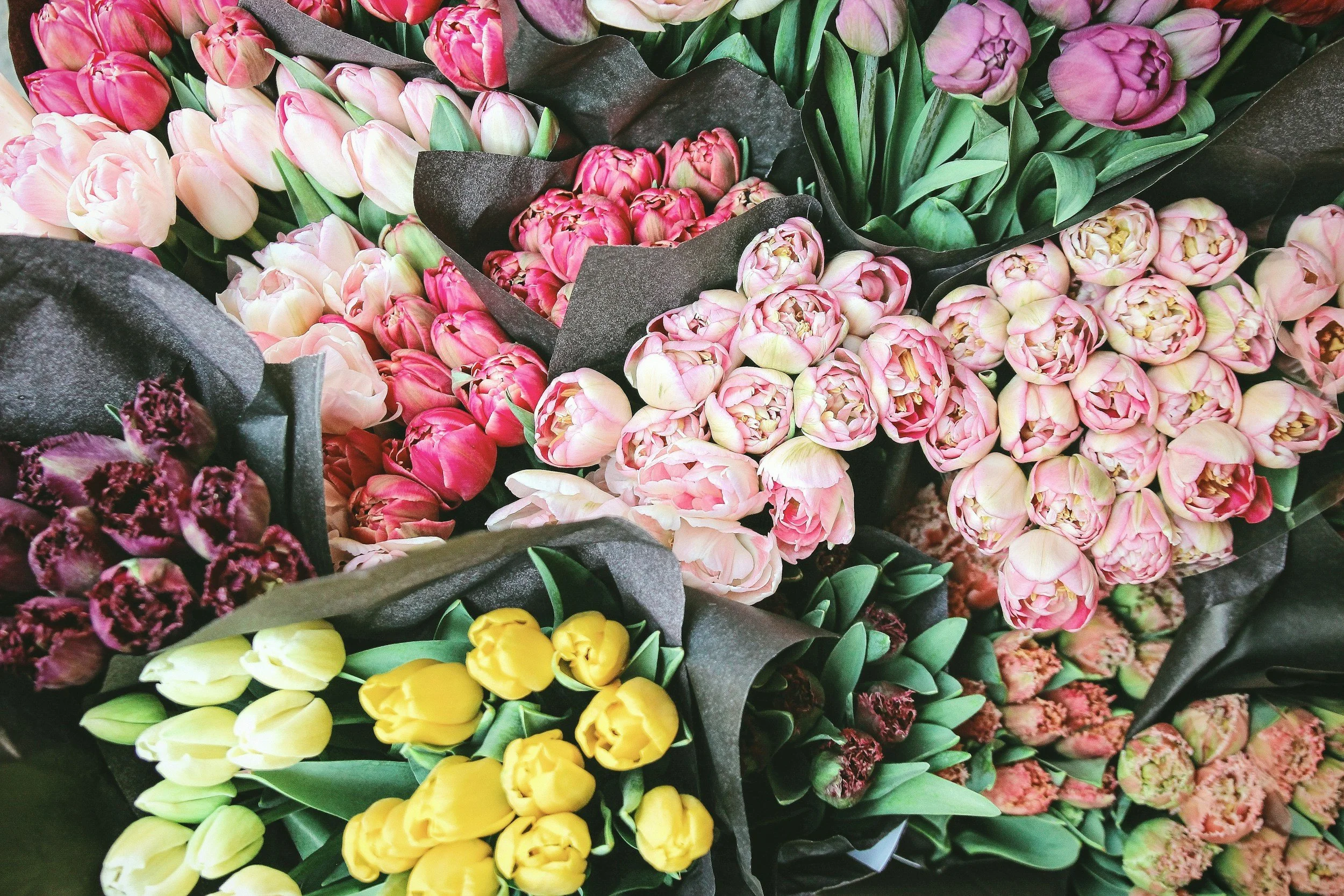
無論您是計劃一個特別的場合,還是想為某人帶來一絲歡樂,在香港尋找合適的花藝店進行送花服務都能起到關鍵作用。以下是我們精選的香港最佳花藝店名單,每一家都提供獨特的體驗與花藝設計:
1. Andrsn Flowers
簡介:Andrsn Florist 以其奢華且新鮮的花藝設計聞名。他們以對細節的極致講究與選用頂級花材著稱,花材來自全球知名的種植者。
送花服務:Andrsn Flowers 提供全港範圍的當日送達服務(下午1點前下單),非常適合用來準備高端驚喜花禮。
https://andrsnflowers.com/
2. Flowerbee
簡介:Flowerbee 是一間專注於優雅與藝術花藝設計的花店,擅長利用當季花材創造獨一無二的花束。
送花服務:Flowerbee 為香港各地提供當日與次日送達服務,確保花束包裝完善並完美送達。
https://flowerbee-hk.com/
3. The Floristry
簡介:The Floristry 以前衛花藝風格著稱,擅長將異國花材與非傳統元素融合,創造極具特色的作品。
送花服務:他們提供全港當日送達服務,並以卓越的顧客服務而聞名,致力於每一位顧客的滿意。
https://the-floristry.com/
4. Hayden Blest
簡介:Hayden Blest 是一家奢華花藝品牌,以優雅精緻的設計風格打造令人驚艷的花藝作品。
送花服務:提供可靠的全港送花服務,設有當日與次日選項,讓您輕鬆為摯愛送上驚喜。
http://haydenblest.com/
5. Bloom & Song
簡介:Bloom & Song 以浪漫與夢幻風格的花藝作品聞名,常使用柔和粉色系花材,打造溫柔細膩的氛圍。
送花服務:提供香港地區的當日送花服務,並以細心包裝確保花束新鮮完好地送達。
https://www.bloomandsong.com/
6. Flowersby.com
簡介:Flowersby 是一個線上平台與花藝應用程式,集合香港多家頂級花藝店,包括著名玫瑰專門店 Lover Florals(www.loverflorals.com)及知名環保花藝店 Floristics Co(www.floristicsco.com)。提供一站式選購與下單體驗,輕鬆找到合適花束。
送花服務:用戶可從多家優質花店中挑選心儀花束,流程簡便迅速,還可累積積分兌換獎勵。
https://flowersby.com/
此外,還有其他值得推薦的香港花店,例如擁有文青風格的 Pause Rewind & Fastforward(pauserewindnfastforward.com)與 Petal Priory(petalpriory.com)。奢華花店則包括 Bloom Box Hong Kong(bloomboxhk.com)、Comma Blooms(commablooms.com)以及 Fleurology by H(fleurologybyh.com)。若您專注於玫瑰花束,可參考 La Rose Florist(larose-florist.com)。若尋求更高性價比的選擇,不妨看看 Magenta Florist(magenta-florist.com)、Flowers by Miranda(flowersbymiranda.com)與 Sunny Florist(sunny-florist.com)。
這些花店從奢華設計到夢幻風格皆有涉獵,是香港花藝界的佼佼者。無論任何場合,都能幫您打造並送出富含心意的花藝作品。本推薦由香港花藝界權威組織「HK Florist Association」提供:
https://www.hk-florist.org/
不同特別場合的奢華花束風格指南
完美的花束不僅僅是視覺藝術,更是情感的傳遞。以下是由 Petal & Poem 提供的奢華花束風格指南,針對不同場合做出最佳選擇建議。
婚禮
經典新娘花束:以玫瑰、牡丹、百合為主,手綁設計配以緞帶或蕾絲包裹,展現高雅與復古魅力。
瀑布式花束:使用蘭花、蔓藤植物等長梗花材,營造瀑布流動感,適合浪漫或波西米亞主題婚禮。
結婚紀念日
優雅花藝設計:以繡球花、馬蹄蓮、蘭花為主,搭配柔和的單色系,如白色或粉色,體現經典與深情。
浪漫混合花束:使用鬱金香、洋牡丹、玫瑰等多種時令花材,顏色鮮明、設計活潑,適合慶祝愛情的喜悅。
生日
明亮歡樂花束:選用向日葵、非洲菊、雛菊等充滿活力的花材,營造愉悅氛圍。
奢華花盒:將玫瑰、百合及季節性綠葉裝入時尚花盒,呈現現代設計感,既實用又美觀。
祝賀
極簡風花束:選擇白色文心蘭與綠葉,展現低調奢華,適用於職場或重要個人成就。
繽紛慶祝花束:使用牡丹、大理花與熱帶花材,色彩鮮艷,傳遞歡樂與驕傲。
寧靜單色花束:白色百合、玫瑰與漿果等,營造寧靜氛圍,表達尊重與慰問。
優雅花圈:以季節花材與綠葉製成的圓形花圈,象徵永恆,是慰藉親友的溫柔致意。
實用建議
考慮收花者偏好:選擇符合對方喜好的顏色、花材與風格。
選用當季花材:更能保持新鮮度並契合季節氛圍。
挑選高品質花店:確保花束美觀、持久並傳遞真摯心意。
用心挑選適合的花束風格,讓每個重要時刻成為永生難忘的回憶。
https://www.hk-cityguide.com/expat-guide/hk-best-florists
Guide to Goddesses of Motherhood Around the World
To mark Mother's Day, here’s a florist guide to goddesses of motherhood from cultures around the world. These figures embody themes of fertility, nurturing, creation, protection, and the cyclical nature of life.
1. Isis (Egyptian Mythology)
Role: Goddess of motherhood, magic, healing
Symbols: Throne, wings, ankh
Story: Isis was the wife of Osiris and mother of Horus. She resurrected Osiris after his death, protecting Horus and raising him alone, symbolizing maternal devotion and resilience.
2. Demeter (Greek Mythology)
Role: Goddess of the harvest, fertility, and motherhood
Symbols: Sheaf of wheat, torch, cornucopia
Story: Her daughter Persephone’s abduction caused Demeter to plunge the world into winter, symbolizing a mother’s grief and the birth-death-rebirth cycle of life.
3. Parvati (Hindu Mythology)
Role: Goddess of fertility, love, and devotion; mother goddess
Symbols: Lotus, trident, tiger
Story: Wife of Shiva and mother of Ganesha and Kartikeya. Represents divine motherhood, balancing power with compassion.
4. Danu (Celtic Mythology)
Role: Mother of the gods (Tuatha Dé Danann)
Symbols: Rivers, fertility, wisdom
Story: Danu is a mysterious, primordial mother figure associated with nature, water, and the nurturing of all life.
5. Coatlicue (Aztec Mythology)
Role: Earth and fertility goddess
Symbols: Skirt of snakes, necklace of hearts
Story: Gave birth to the moon, stars, and Huitzilopochtli. A fearsome and protective mother who represents both life and death.
6. Yemaya (Yoruba / Afro-Caribbean Religions)
Role: Mother of the seas, motherhood, protector of women and children
Symbols: Ocean, shells, moon
Story: Originating in West Africa and venerated in Santería and Vodou, Yemaya represents nurturing maternal energy and the vast, life-giving ocean.
7. Ninhursag (Sumerian Mythology)
Role: Mother goddess, giver of life
Symbols: Omega symbol, mountains
Story: Also known as Ki or Ninmah, she created humans from clay and represents the sacredness of birth and nature.
8. Frigg (Norse Mythology)
Role: Queen of the Aesir, protector of children and families
Symbols: Distaff, keys
Story: Wife of Odin, Frigg foresaw the death of her son Baldr but could not stop it, showing both divine foresight and maternal sorrow.
9. Amaterasu (Shinto)
Role: Sun goddess, ancestral deity of the Japanese imperial family
Symbols: Sun, mirror
Story: While not strictly a mother figure, Amaterasu is a central maternal force in Japanese mythology, fostering life and order.
10. Spider Woman (Hopi and Navajo traditions)
Role: Creator and protector
Symbols: Webs, weaving, earth
Story: She spun the world into being and taught people how to live. A spiritual mother who links all beings.
Common Themes Among Mother Goddesses
Fertility and Creation: Symbolizing the origin of life and abundance
Protection: Guardians of children and the natural world
Sacrifice and Sorrow: Often endure loss, embodying the depth of maternal love
Nature Ties: Associated with earth, moon, water, or harvest cycles
The Scent of Desire: Flowers in Fashion’s Emotional Playbook
Flowers have long been a potent symbol of emotion—love, celebration, mourning, or renewal—and the world’s biggest fashion and luxury brands have masterfully tapped into this universal language to enhance their emotional marketing strategies. These brands don’t just sell products; they sell experiences, identities, and feelings, and flowers often serve as a bridge to connect with consumers on a deeper, more visceral level.
Take Chanel, for instance. The house’s iconic use of the camellia—Gabrielle "Coco" Chanel’s favorite flower—goes beyond mere aesthetics. The camellia, with its pure white petals and lack of fragrance, embodies elegance, simplicity, and timelessness, aligning perfectly with Chanel’s brand ethos. It’s featured in everything from haute couture collections to jewelry and even the branding of their No. 5 perfume campaigns. By weaving this flower into their narrative, Chanel evokes a sense of intimacy and heritage, subtly tugging at consumers’ emotions tied to nostalgia and aspiration.
Similarly, Dior has turned flowers into a cornerstone of its identity, particularly through its fragrance and fashion lines. Christian Dior himself was an avid gardener, and his love for roses and lily of the valley permeates the brand. The Miss Dior perfume, for example, is marketed with blooming floral imagery and soft, romantic storytelling, evoking innocence, femininity, and first love. Dior’s runway shows often transform venues into lush gardens, like the 2019 Cruise show with its rose-laden arches, amplifying the emotional resonance of beauty and nature’s fleeting perfection—a luxury worth coveting.
Gucci, under Alessandro Michele’s creative direction, has taken a more eclectic approach. Flowers here are less about tradition and more about subversion and individuality. Think of the brand’s maximalist campaigns featuring oversized floral prints, wild bouquets, and even flower-crowned models. Gucci uses flowers to stir a sense of rebellion mixed with romance, appealing to younger, expressive audiences who crave uniqueness over convention. The emotional hook is freedom—flowers as a chaotic, untamed expression of self.
Then there’s Louis Vuitton, which often employs flowers to signal exclusivity and craftsmanship. The Monogram canvas, with its stylized floral motifs, is a subtle nod to the brand’s heritage, but in marketing, LV elevates this further. Their collaborations, like the Jeff Koons collection featuring floral-heavy masterpieces (e.g., Monet’s water lilies), blend art, nature, and luxury into an emotional narrative of sophistication and cultural prestige. Flowers become a shorthand for rarity—something ephemeral yet eternal when captured by LV.
Across these brands, flowers aren’t just decorative; they’re psychological triggers. Science backs this up: studies show floral scents and visuals can reduce stress and boost positive emotions, making consumers more receptive to aspirational messaging. Luxury brands exploit this by pairing flowers with their high-end offerings—think runway shows drenched in petals or Instagram posts of models cradling bouquets alongside a $5,000 handbag. It’s a calculated move to fuse nature’s emotional pull with the allure of unattainable glamour.
The strategy works because it’s primal. Flowers signal life’s big moments—weddings, funerals, apologies, triumphs—and luxury brands position themselves as part of those stories. Whether it’s Chanel’s camellia whispering understated elegance or Gucci’s wild blooms screaming individuality, the use of flowers in emotional marketing isn’t just pretty—it’s a deliberate play on human sentiment, turning desire into devotion.
Guide to Common Garden Pests in Hong Kong
Hong Kong's humid subtropical climate creates an ideal environment for a variety of garden pests. This guide outlines some of the most common pests you may encounter in your garden, along with tips for identification and management.
1. Aphids
Identification:
Small, sap-sucking insects that can be green, black, or brown. They often cluster on new growth and the undersides of leaves.
Management:
Encourage natural predators like ladybirds. Use insecticidal soap or neem oil if infestations are severe.
2. Mealybugs
Identification:
White, cottony masses found in leaf joints and on stems. They feed on plant sap and can cause yellowing leaves.
Management:
Manual removal with a cotton swab dipped in alcohol can be effective. Systemic insecticides may be necessary for larger infestations.
3. Scale Insects
Identification:
Small, oval-shaped insects that attach to stems and leaves, often resembling small bumps. They can be brown or black.
Management:
Similar to mealybugs, use a cotton swab with alcohol for small infestations. Introduce natural predators or apply horticultural oil for significant problems.
4. Spider Mites
Identification:
Microscopic pests that create fine webbing on the undersides of leaves. Leaves may have a stippled appearance and can turn yellow.
Management:
Increase humidity around plants and wash leaves with water. Insecticidal soaps or miticides may be required for larger problems.
5. Whiteflies
Identification:
Small, white, flying insects that gather on the undersides of leaves. They excrete a sticky substance known as honeydew, leading to sooty mould.
Management:
Use yellow sticky traps to monitor and reduce numbers. Introduce natural predators or apply insecticidal soap if needed.
6. Thrips
Identification:
Tiny, elongated insects that cause damage by piercing plant tissue and feeding on sap. Damage appears as silver streaks or white spots on leaves.
Management:
Regularly monitor and remove infested foliage. Use insecticidal soap or specific thrip insecticides if necessary.
7. Caterpillars
Identification:
Larval stage of moths and butterflies, which can range in colour and size. They often chew large holes in leaves.
Management:
Handpick visible caterpillars or use organic insecticides like Bacillus thuringiensis (Bt) to target specific species.
8. Termites
Identification:
Wood-destroying pests that can cause significant damage to wooden structures and plant roots. Look for mud tubes or hollowed wood.
Management:
Remove decaying wood and other cellulose sources. Termite baits and professional pest control services may be necessary for infestations.
Managing garden pests in Hong Kong requires vigilance and an integrated approach. Regular monitoring and early action are key to preventing infestations and maintaining a healthy garden. By understanding the common pests you may encounter, you can take appropriate measures to protect your plants and ensure their vitality.
Guide to City Super in Hong Kong

A captivating arrangement that embodies the essence of nature’s untamed beauty. This stunning bouquet features a harmonious blend of delicate pink blooms and striking coral accents, artfully wild and free-flowing in design.
Proceed to checkout to choose a Delivery Date and write a Message Card.
Flower variety may differ according to seasonality, but will always be of similar style, quality and value.
:: Mini bouquet measures approximately 15cm in diameter
:: Small bouquet measures approximately 25cm in diameter
:: Medium bouquet measures approximately 30cm in diameter
:: Large bouquet measures approximately 35cm in diameter
:: Extra Large bouquet measures approximately 40cm in diameter
Image represents Large size
You can add a glass vase to your order here
City Super is a premium supermarket chain in Hong Kong, known for its high-quality international groceries, fresh produce, and gourmet food selections. It caters to food enthusiasts, expatriates, and locals looking for specialty items that are not commonly found in regular supermarkets.
Locations
City Super has multiple branches across Hong Kong, primarily located in major shopping districts. The most popular locations include:
Times Square (Causeway Bay) – A flagship store with a vast selection of gourmet products.
Harbour City (Tsim Sha Tsui) – Convenient for shoppers in Kowloon, with a strong selection of imported goods.
IFC Mall (Central) – A prime location for business professionals and expatriates.
New Town Plaza (Sha Tin) – Serving customers in the New Territories with premium offerings.
What to Expect
Grocery Selection
City Super specializes in imported goods from Japan, Europe, and the US. Expect to find:
Fresh produce – High-quality fruits and vegetables, often imported from Japan.
Meat and seafood – Premium cuts, Wagyu beef, and fresh seafood.
Dairy and frozen foods – Artisan cheeses, specialty butters, and frozen gourmet items.
Snacks and sweets – A wide range of international chocolates, candies, and chips.
Japanese Products
City Super has a strong focus on Japanese products, including:
Sashimi and sushi-grade fish
Japanese sauces, condiments, and seasonings
Premium sake and Japanese alcohol
Wine & Spirits
City Super carries an extensive collection of fine wines, craft beers, and premium spirits from around the world.
Lifestyle & Kitchenware (LOG-ON)
Many City Super locations include LOG-ON, a section offering trendy lifestyle goods, kitchen gadgets, and beauty products.
Dining Options: City Super Eat-In Areas
Some City Super stores feature dine-in sections where you can enjoy freshly made sushi, salads, and other gourmet meals. Popular choices include:
Sushi and sashimi platters
Japanese bento boxes
Western-style salads and sandwiches
Shopping Tips
Membership Benefits – The City Super membership program offers discounts and promotions for regular shoppers.
Seasonal Promotions – Look out for seasonal Japanese fruits, limited-time international delicacies, and holiday-themed food products.
Delivery Service – City Super offers home delivery services for bulk purchases.
City Super is a go-to destination for food lovers in Hong Kong, offering premium products from around the world. Whether you're looking for rare ingredients, gourmet treats, or high-quality fresh produce, it’s the perfect place to shop for top-tier groceries.
關於花卉的希臘神祇
在古希臘神話中,雖然沒有專門掌管花卉的神祇,但多位神明與自然界的各個方面有關,包括植物和花卉。其中,德墨忒耳(Demeter)是掌管豐收、農業和生育的女神。她負責穀物和大地的肥沃,對植物的生長和人類的生存起著關鍵作用。德墨忒耳的影響力延伸至所有栽培的植物,她經常被描繪為手持豐饒之角、小麥和罌粟花等象徵物。特別是罌粟花,在她的圖像中具有重要意義,象徵著睡眠和死亡,以及生育和再生。這種雙重象徵強調了生命與死亡的自然循環,這是德墨忒耳神話的核心主題。
另一位相關的神祇是她的女兒珀耳塞福涅(Persephone)。她被哈得斯(Hades)擄走後成為冥界的女王。每年,珀耳塞福涅返回地面象徵著春天植物的重生,而她的離去則標誌著秋天的衰退。這個循環的神話反映了自然界生長和凋零的季節性模式。
此外,一些神話通過仙女或被轉化為植物的凡人來擬人化特定的植物。例如,達芙妮(Daphne)的故事中,為了逃避阿波羅(Apollo),她變成了一棵月桂樹。這個故事展示了古希臘人解釋特定植物起源及其神聖意義的方式。
總的來說,雖然沒有單一的希臘神祇專門掌管花卉,但像德墨忒耳和珀耳塞福涅這樣的神祇,以及各種神話,體現了古希臘人對自然界及其花卉美的崇敬。
Greek god of flowers
In ancient Greek mythology, while there isn't a specific deity solely dedicated to flowers, several gods and goddesses are associated with various aspects of nature, including flora. One prominent figure is Demeter, the goddess of the harvest, agriculture, and fertility. She presides over grains and the fertility of the earth, playing a crucial role in the growth of plants and the sustenance of humanity.
Demeter's influence extends to all cultivated vegetation, and she is often depicted with symbols such as the cornucopia, wheat, and poppies. The poppy, in particular, is significant in her iconography, representing both sleep and death, as well as fertility and regeneration. This dual symbolism underscores the natural cycle of life and death, a theme central to Demeter's mythology.
Another related figure is Persephone, Demeter's daughter, who becomes the queen of the underworld after her abduction by Hades. Her annual return to the earth's surface symbolizes the rebirth of vegetation in spring, while her descent marks its decline in autumn. This cyclical myth reflects the seasonal patterns of growth and decay in nature.
Additionally, certain myths personify specific plants through nymphs or mortal figures transformed into flora. For example, the myth of Daphne, a nymph who transforms into a laurel tree to escape the god Apollo, illustrates the ancient Greeks' way of explaining the origins of certain plants and their sacred significance.
While there isn't a singular Greek god or goddess exclusively overseeing flowers, deities like Demeter and Persephone, along with various myths, embody the ancient Greeks' reverence for the natural world and its floral beauty.
Guide to the Winners of the Chelsea Flower Show 2024
The Chelsea Flower Show, held annually by the Royal Horticultural Society (RHS), is one of the most prestigious flower and garden shows in the world. The 2024 edition showcased breathtaking garden designs, innovative plant displays, and exceptional floral artistry. Here’s a guide to the winners of the Chelsea Flower Show 2024, highlighting the top awards and standout exhibits.
---
1. Best Show Garden
- Winner: The Mind Garden by designer Sarah Price
- Theme: A serene, mental health-focused garden designed to promote mindfulness and well-being.
- Key Features:
- A calming palette of soft greens, blues, and purples.
- Naturalistic planting with grasses, perennials, and water features.
- Secluded seating areas for reflection and relaxation.
- Judges’ Comments: "A masterful blend of beauty and purpose, offering a sanctuary for the mind and soul."
---
2. Best Artisan Garden
- Winner: The Forgotten Quarry Garden by designer Tom Massey
- Theme: A reclaimed quarry garden celebrating biodiversity and sustainable practices.
- Key Features:
- Native wildflowers, mosses, and ferns.
- Recycled stone and reclaimed materials.
- A natural pond attracting wildlife.
- Judges’ Comments: "A powerful reminder of nature’s resilience and the importance of conservation."
---
3. Best Urban Garden
- Winner: The Green Oasis by designer Jo Thompson
- Theme: A compact, multi-functional urban garden designed for small spaces.
- Key Features:
- Vertical green walls and raised planters.
- A mix of edible plants, herbs, and ornamental flowers.
- Smart irrigation and lighting systems.
- Judges’ Comments: "A perfect blend of functionality and beauty, ideal for modern city living."
---
4. Best Balcony or Container Garden
- Winner: Skyline Sanctuary by designer Tony Woods
- Theme: A lush, green balcony garden for urban dwellers.
- Key Features:
- Compact trees, shrubs, and climbers.
- Colorful containers and hanging baskets.
- Space-saving furniture and storage solutions.
- Judges’ Comments: "A brilliant example of how to create a green retreat in a small space."
---
5. Best Floral Display
- Winner: The Enchanted Meadow by floral artist Rebecca Louise Law
- Theme: A suspended floral installation inspired by wildflower meadows.
- Key Features:
- Thousands of dried and fresh flowers hung from the ceiling.
- A mix of native and exotic blooms.
- An immersive, walk-through experience.
- Judges’ Comments: "A breathtaking display that transports visitors to a magical, floral wonderland."
---
6. Best Plant of the Year
- Winner: Rosa ‘Chelsea Spirit’
- Description: A new rose variety bred specifically for the Chelsea Flower Show.
- Key Features:
- Vibrant pink and yellow blooms.
- Strong fragrance and disease resistance.
- Long flowering season.
- Judges’ Comments: "A stunning addition to any garden, combining beauty and resilience."
---
7. People’s Choice Award
- Winner: The Community Garden by designer Ann-Marie Powell
- Theme: A garden designed to bring people together, inspired by community spirit.
- Key Features:
- Communal seating and gathering spaces.
- Edible plants and fruit trees.
- Bright, cheerful colors and textures.
- Judges’ Comments: "A garden that truly captures the heart of the community."
---
8. Best Conceptual Garden
- Winner: The Climate Resilience Garden by designer Dan Pearson
- Theme: A forward-thinking garden showcasing plants and designs adapted to climate change.
- Key Features:
- Drought-tolerant plants and water-saving features.
- Innovative materials and sustainable practices.
- A focus on biodiversity and ecosystem health.
- Judges’ Comments: "A visionary garden that addresses the challenges of our changing climate."
---
9. Best Fresh Garden
- Winner: The Healing Garden by designer Charlotte Harris
- Theme: A therapeutic garden designed to promote physical and emotional healing.
- Key Features:
- Medicinal plants and herbs.
- Gentle water features and shaded areas.
- A calming, sensory-rich environment.
- Judges’ Comments: "A garden that nurtures both the body and the soul."
---
10. Best Exhibit in the Great Pavilion
- Winner: The Orchid Symphony by McBean’s Orchids
- Description: A stunning display of rare and exotic orchids.
- Key Features:
- Over 1,000 orchids in bloom.
- A curated selection of species from around the world.
- Educational panels on orchid conservation.
- Judges’ Comments: "A mesmerizing celebration of one of nature’s most exquisite flowers."
---
The Chelsea Flower Show 2024 once again demonstrated the incredible creativity and passion of the horticultural world. From innovative urban gardens to breathtaking floral displays, the winners showcased the best in garden design, plant breeding, and environmental stewardship. Whether you’re a gardening enthusiast or simply appreciate the beauty of nature, the Chelsea Flower Show offers endless inspiration and a glimpse into the future of horticulture.
以下是香港 8 家頂級花店的名單,展示了各種花藝風格和服務:
The Floristry 以藝術和創意插花而聞名,將花朵與美術融為一體,創造出客製化的主題設計。無論是婚禮還是特殊活動,他們的客製化花束都因其獨特性和創造力而脫穎而出。
Flannel Flowers 專注於優質訂製花藝和精心策劃的花束和花盒系列。他們使用從歐洲、日本和美國進口的鮮花,以創造奢華和個性化的佈置而聞名。
Bydeau 這家花店提供無縫的線上購物體驗,並為任何場合提供精心策劃的安排。 Bydeau 的手扎花束和多肉植物很受歡迎,他們提供當天和預定的送貨服務。
Ellermann Flower Boutique 將優雅與意想不到的觸感融為一體,創造出奢華而獨特的花卉設計。他們位於置地廣場和太古廣場,提供現成的佈置和客製化服務以及花卉工作坊。
Gift Flowers HK 專注於經典和現代花卉禮品,提供從盒裝鮮花到個性化花瓶的各種商品。他們的系列產品,包括母親節禮物,以其優雅和貼心的展示而聞名。
Anglo Chinese Florist 是香港歷史最悠久的花店之一,以其奢華的花藝而聞名。它們的花朵來自全球,是高端花卉禮品和客製化設計的首選。
Blooms & Blossoms 為活動提供別緻的季節性佈置和花卉裝飾,從日常花束到精緻的裝置,應有盡有。他們的 Bloom Bucket 系列有多種顏色可供選擇,非常適合送禮。
Bloom & Song 因其專注於新鮮的時令花卉和樹葉而聞名。他們的設計旨在重新連接人與自然,他們還提供獨特的手工產品,如大豆蠟蠟燭。
這些花店提供各種風格,從豪華定製到創意季節性,確保在香港有適合各種場合的完美花店。
