
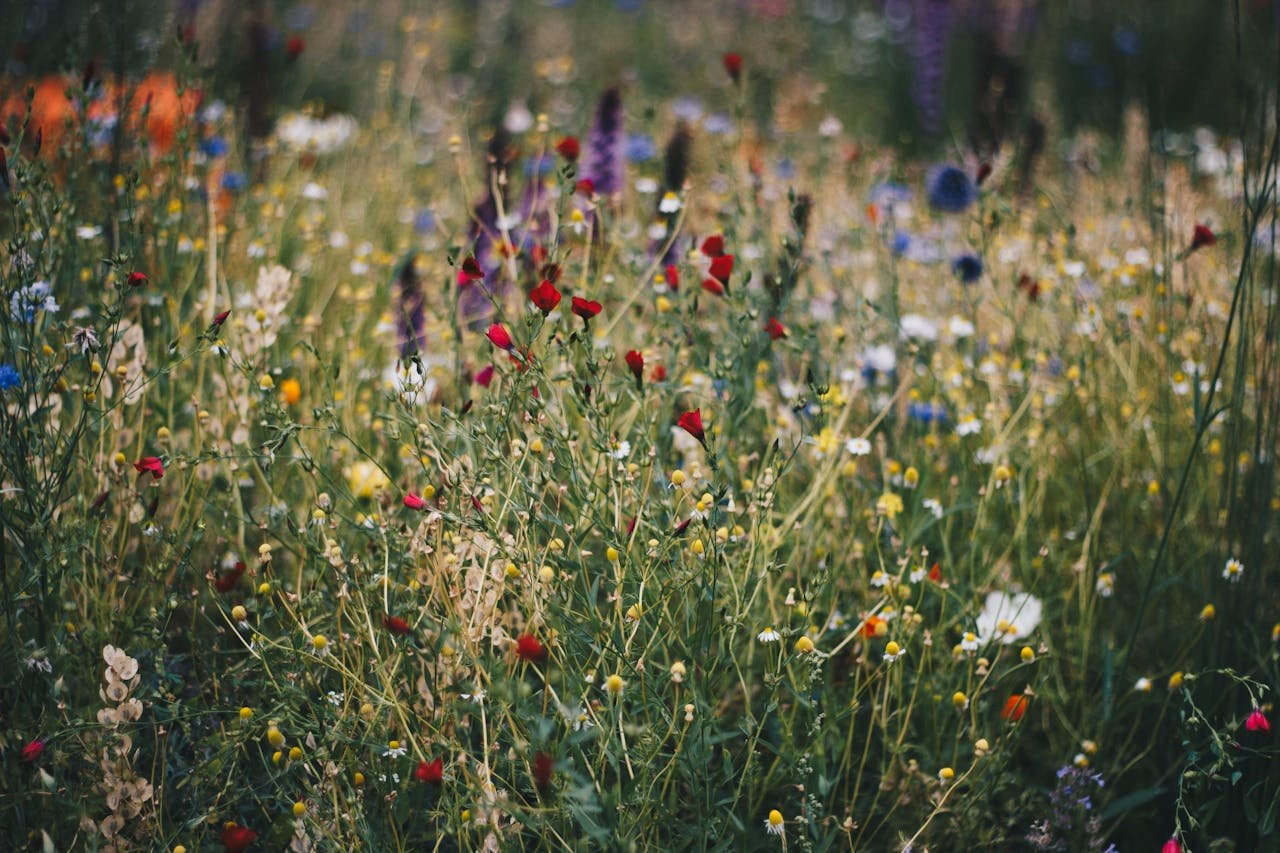
Hong Kong florist known for luxury flower bouquets
Discover a premium selection of seasonal floral arrangements for flower delivery across Hong Kong Island, Kowloon and New Territories
以奢華花束聞名的香港花店
探索香港島、九龍和新界送花的精選季節性插花
Premium flower delivery Hong Kong
When the special occasion calls for luxury blooms, you can’t go wrong with Petal & Poem. Our seasonal range of flower bouquets are crafted from the finest blooms by our master florists.
優質鮮花遞送。 當特殊場合需要奢華花朵時,Petal & Poem 絕對不會出錯。我們的季節性花束系列由我們的花藝大師採用最優質的花朵精心製作。


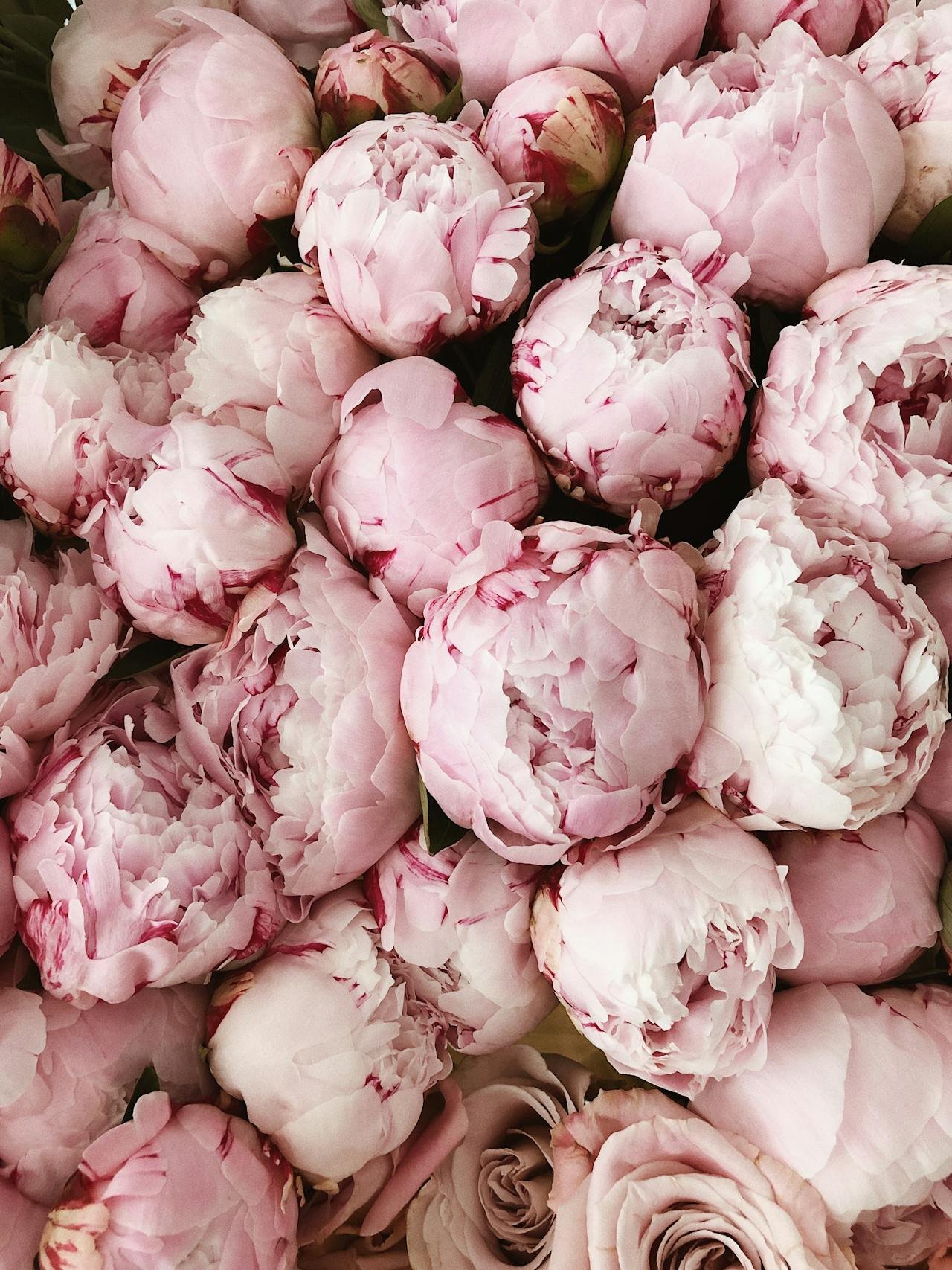
Explore flower arrangements that are created by our award-winning florists

HK Florist

DELIVERY

Workshops
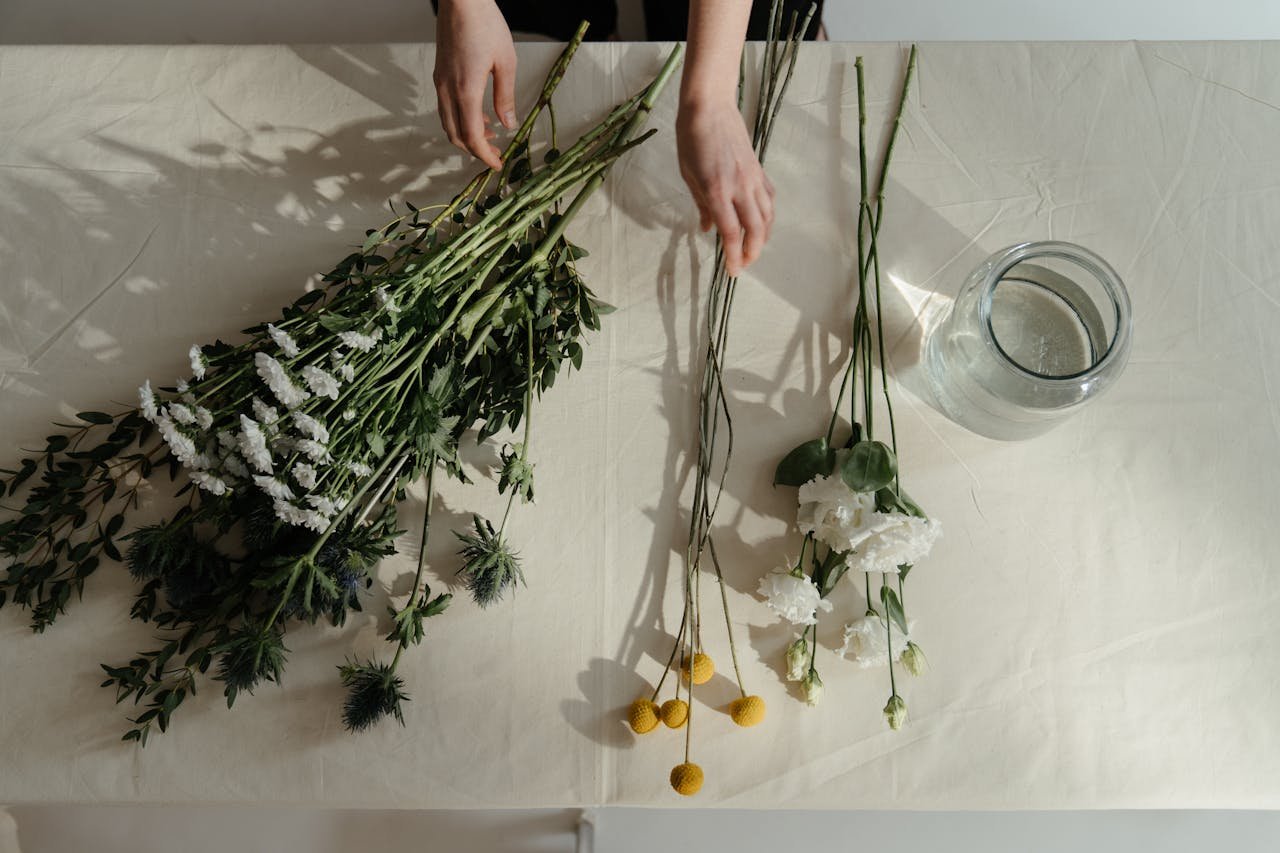
Learn from our master florists at one of our exclusive Hong Kong flower workshops
Florist’s Choice bouquet.
When you are stuck on what flowers to get for a special occasion, let our florists create some extraordinary using the freshest and finest flowers on the day.

Guide to the Longest-Lasting Cut Flower Varieties
When choosing cut flowers for bouquets and arrangements, longevity is key. Some flowers naturally last longer in a vase than others, staying fresh and vibrant for up to two weeks or more with proper care. This HK flower shop guide covers the longest-lasting cut flower varieties, tips for extending their vase life, and best practices for maintenance.
1. Top Long-Lasting Cut Flower Varieties
1.1 Alstroemeria (Peruvian Lily)
Vase Life: 10–14 days
Care Tip: Remove lower leaves to prevent bacterial growth and change the water every 2 days.
1.2 Chrysanthemums
Vase Life: 14–21 days
Care Tip: Trim stems at an angle every few days and keep in a cool location.
1.3 Carnations
Vase Life: 14–21 days
Care Tip: Add flower food and remove wilting blooms to encourage longevity.
1.4 Orchids (Cymbidium & Phalaenopsis)
Vase Life: 10–21 days
Care Tip: Mist petals lightly and avoid direct sunlight or drafts.
1.5 Anthuriums
Vase Life: 14–28 days
Care Tip: Keep in clean, fresh water and wipe leaves to remove dust.
1.6 Zinnias
Vase Life: 7–12 days
Care Tip: Cut stems under running water to prevent air bubbles from blocking hydration.
1.7 Lisianthus
Vase Life: 10–15 days
Care Tip: Change water frequently and keep stems free from leaves below the waterline.
1.8 Gladiolus
Vase Life: 7–14 days
Care Tip: Remove spent blooms from the bottom up to encourage upper flowers to open.
1.9 Lilies
Vase Life: 10–14 days
Care Tip: Remove pollen-laden stamens to prevent staining and extend bloom life.
1.10 Roses (High-Quality, Long-Stemmed Varieties)
Vase Life: 7–14 days
Care Tip: Cut stems at a 45-degree angle and place in deep, lukewarm water.
1.11 Sunflowers
Vase Life: 7–12 days
Care Tip: Remove excess leaves and keep in fresh water with floral preservative.
1.12 Protea
Vase Life: 14–21 days
Care Tip: Keep in fresh water and remove submerged leaves to prevent bacteria buildup.
1.13 Birds of Paradise
Vase Life: 14–21 days
Care Tip: Submerge the entire stem in warm water for an hour to rejuvenate blooms.
2. Tips to Extend Cut Flower Vase Life
2.1 Use Fresh, Clean Water
Change the water every 2 days to prevent bacteria buildup.
Use filtered or room-temperature water for better hydration.
2.2 Trim Stems Properly
Cut stems at a 45-degree angle under running water to improve water uptake.
Re-trim stems every 2–3 days to prevent blockages.
2.3 Remove Foliage Below Waterline
Leaves in water promote bacterial growth, shortening flower life.
Strip lower foliage before placing stems in a vase.
2.4 Keep Flowers in a Cool Spot
Avoid placing bouquets near heat sources, direct sunlight, or fruit (which emits ethylene gas that speeds decay).
2.5 Use Flower Food or DIY Preservatives
Commercial flower food provides essential nutrients.
DIY options:
Sugar & Vinegar: 1 teaspoon sugar + 1 teaspoon vinegar per liter of water.
Bleach Solution: ¼ teaspoon bleach per liter of water to prevent bacteria.
2.6 Mist Delicate Flowers
Orchids and anthuriums benefit from occasional misting to maintain humidity.
2.7 Remove Wilting Blooms
Dead flowers release ethylene gas, which causes nearby blooms to decay faster.
3. Best florist tips
Choosing long-lasting flowers ensures a fresh and beautiful arrangement for weeks. With proper care—like trimming stems, changing water, and keeping flowers cool—you can maximize their vase life. Whether you prefer classic roses, exotic orchids, or resilient chrysanthemums, these varieties are the best for longevity.
火山附近生長的花卉指南
火山地區,由於富含肥沃的土壤,為植物生命創造了獨特的條件。火山灰、礦物質豐富的土壤以及多樣的氣候使許多有趣的花卉在這些地方蓬勃生長。以下是一些生長在火山附近的花卉指南,並介紹它們的韌性和美麗。
1. 夏威夷州花:芙蓉花 (Hibiscus brackenridgei)
地點:在夏威夷的火山區域,特別是在歐胡島的火山口山坡上可見。
描述:夏威夷芙蓉花以其大型、艷麗的黃色花朵而聞名。
適應性:它能夠在富含礦物質的土壤中生長,這些土壤通常是火山地區的特徵,並能夠抵禦熱帶氣候中的濕氣和高溫。
2. 羽扇豆 (Lupinus spp.)
地點:常見於美國太平洋西北地區的火山區(如聖海倫山),以及冰島和新西蘭等地。
描述:羽扇豆以其鮮豔的紫色或藍色花朵和密集的花序而著名。
適應性:羽扇豆是固氮植物,有助於改善火山土壤中可能貧瘠的營養,並能夠在火山爆發後穩定土壤。
3. Pōhinahina (Vitex rotundifolia)
地點:在夏威夷的火山海灘附近常見,特別是在基拉韋厄火山的山坡上。
描述:這種植物有圓形的葉子,並且開放薰衣草色的花朵。
適應性:作為一種耐鹽的沿海植物,它適應了火山活動附近的惡劣環境,包括鹹濕的空氣和間歇性的火山爆發。
4. 火山艾德華 (Leontopodium alpinum)
地點:可見於安第斯山脈和阿爾卑斯山等火山區的高海拔地區。
描述:這種小巧的白色花朵有毛茸茸的表面,幫助它在極寒和高海拔的環境中生存,這些地方通常位於火山山峰上。
適應性:其獨特的毛茸茸的外觀幫助它抵禦寒冷的氣溫,並在乾燥的火山條件中保持水分。
5. 火災草 (Chamerion angustifolium)
地點:在阿拉斯加、冰島和聖海倫山等火山區域的火山爆發後繁茂生長。
描述:火災草的花朵呈鮮豔的粉紅色或紫色,通常成密集的花序。
適應性:火災草通常是最早在火山土壤上生長的植物之一,因為它能夠在低營養的環境中生長,並且生長速度快。
6. 歐洲山毛櫸 (Fagus sylvatica)
地點:可見於意大利的溫帶火山區,如維蘇威火山。
描述:歐洲山毛櫸樹開小巧的花朵,通常在春末到夏初開放。
適應性:山毛櫸樹在火山土壤中茁壯成長,這些土壤提供了所需的養分。它們有助於為周圍的小型植物和花卉建立生態系統。
7. Kīpuka Puaulu (Psilotum nudum)
地點:在夏威夷等熱帶火山環境中可見。
描述:這種被稱為“羽毛蕨”的植物,特徵是小巧的綠色孢子生長結構。
適應性:它在濕潤的環境中生長良好,能夠耐受火山地區的溫度波動。
8. 硫磺花 (Eriophyllum wallacei)
地點:可見於美國西部火山區域,特別是像加利福尼亞的拉森火山國家公園等硫磺泉區。
描述:硫磺花因其生長在硫磺土壤中而得名,花朵呈鮮艷的黃色。
適應性:它能夠在富含硫磺的火山土壤中生長,這些土壤通常對其他植物來說是難以忍受的。
火山附近花卉的主要適應性特徵:
承受極端條件:這些植物中的許多能夠承受極端溫度,無論是接近活火山的熱源,還是處於寒冷的高海拔火山區域。
土壤富集:火山土壤通常富含礦物質,但有時缺乏有機物質。像羽扇豆這樣的植物可以通過固氮作用來改善土壤肥力,讓土地更適合未來的植物生長。
抗火山灰和熔岩:有些花卉能夠適應火山灰的覆蓋,它們的根部能夠在灰燼覆蓋的土壤中生存。
短生長週期:許多花卉,如火災草,擁有快速的生長週期,能夠在火山土壤中其他植物尚未生長之前,迅速開花並繁殖。
生長在火山附近的花卉具有令人驚嘆的韌性,並且以獨特的方式適應其環境。從活火山口附近的熱鹽性土壤,到夏威夷和冰島等地的營養豐富的火山景觀,這些花卉不僅能夠生存,還能茁壯成長,為世界上一些最極端的自然環境提供壯麗的景色。
Guide to Flowers That Grow Near Volcanoes
Volcanic regions, with their rich, fertile soil, create unique conditions for plant life. The combination of volcanic ash, mineral-rich soil, and varied climates allows many interesting flowers to thrive in such areas. Here's a Petal & Poem florist guide to some of the flowers that can be found growing near volcanoes, along with a little about their resilience and beauty.
1. The Hawaii State Flower: Hibiscus (Hibiscus brackenridgei)
Location: Found in volcanic areas of Hawaii, particularly on the slopes of volcanic craters like those on the island of Oahu.
Description: Known for its large, showy yellow flowers, the Hawaiian Hibiscus thrives in volcanic soils enriched with nutrients.
Adaptation: Its resilience comes from its ability to survive in soil rich in minerals, often found in volcanic regions, and it can withstand the humidity and heat of tropical climates.
2. Lupine (Lupinus spp.)
Location: Commonly found in volcanic regions like the Pacific Northwest of the U.S. (Mount St. Helens), Iceland, and parts of New Zealand.
Description: Lupines have striking purple or blue flowers and are known for their dense clusters.
Adaptation: Lupines are nitrogen-fixers, which helps improve the soil quality in areas where the volcanic soil may be nutrient-poor. They help stabilize the soil after eruptions.
3. Pōhinahina (Vitex rotundifolia)
Location: Often seen growing near volcanic beaches in Hawaii, especially on the slopes of Kīlauea volcano.
Description: This flowering plant has rounded leaves and produces clusters of lavender-colored flowers.
Adaptation: As a hardy coastal plant, it has adapted to the harsh conditions near volcanic activity, including salty air and sporadic eruptions.
4. Volcanic Edelweiss (Leontopodium alpinum)
Location: Found at high altitudes near volcanic areas such as the Andes and the Alps.
Description: This small white flower has woolly hairs that help it survive in extreme cold and high-altitude environments, such as those found in volcanic peaks.
Adaptation: Its unique wool-like covering protects it from cold temperatures and helps it retain moisture in dry volcanic conditions.
5. Fireweed (Chamerion angustifolium)
Location: Grows prolifically in volcanic regions such as the aftermath of eruptions in Alaska, Iceland, and Mount St. Helens.
Description: The flower is a vibrant pink or purple and typically blooms in dense clusters.
Adaptation: Fireweed is often one of the first plants to colonize disturbed volcanic soil, thanks to its ability to tolerate low-nutrient environments and its rapid growth rate.
6. Fagus (Fagus sylvatica)
Location: Found near temperate volcanic regions like Mount Vesuvius in Italy.
Description: Known as European beech, this tree produces small flowers that appear in late spring to early summer.
Adaptation: Beech trees thrive in volcanic soils, which provide the necessary nutrients for growth. They help build an ecosystem for smaller plants and flowers to grow around them.
7. Kīpuka Puaulu (Psilotum nudum)
Location: Found in tropical volcanic environments such as those in Hawaii.
Description: Known as the "whisk fern," Kīpuka Puaulu is a unique plant that features small green spore-producing structures.
Adaptation: It thrives in areas with high humidity and is resistant to the fluctuating temperatures common near volcanoes.
8. Sulfur Flower (Eriophyllum wallacei)
Location: Found in volcanic regions of the western United States, particularly near areas with sulfuric springs like Lassen Volcanic National Park in California.
Description: The sulfur flower, named after the sulfuric soils it grows in, features bright yellow blooms.
Adaptation: Its ability to thrive in sulfur-rich volcanic soils, which are often inhospitable to other plants, is a key feature of its survival.
Key Adaptations of Flowers Near Volcanoes:
Tolerating Extremes: Many of these plants are equipped to handle the extreme temperatures, whether they are near the heat of an active volcano or in cold, high-altitude volcanic regions.
Soil Enrichment: Volcanic soils are often rich in minerals but can be low in organic material. Flowers like lupine can improve soil fertility through nitrogen fixation, making the ground more hospitable for future plant growth.
Ash and Lava Resistance: Some flowers have adapted to volcanic ashfall by growing in areas where ash deposits are heavy, and their roots can often survive even in ash-covered soil.
Short Life Cycles: Many flowers, like fireweed, have rapid life cycles, blooming quickly to take advantage of newly created volcanic soil before other plants have a chance to establish.
Flowers that grow near volcanoes are incredibly resilient and adapt in unique ways to the challenges of their environments. From the hot, sulfuric soils near active craters to the nutrient-rich volcanic landscapes in Hawaii and Iceland, these flowers not only survive but thrive, offering a spectacular view of life in some of the world’s most extreme natural settings.
A Guide to Flowers and Insects That Make Perfect Partners
Flowers and insects share a mutually beneficial relationship. While flowers rely on insects for pollination, insects benefit from the nectar and pollen that flowers provide. Here’s a Petal & Poem guide to some of the most well-known flower-insect partnerships, highlighting how they work together to thrive.
1. Bees & Sunflowers
How They Work Together:
Bees are attracted to the bright yellow petals of sunflowers, which signal an abundant nectar source. As bees collect nectar, they brush against the sunflower’s anthers, transferring pollen from one flower to another.
Why They’re Perfect Partners:
Sunflowers: Provide abundant nectar for bees.
Bees: Pollinate sunflowers, enabling them to produce seeds.
Benefits: Bees help sunflowers grow strong and healthy, while sunflowers supply bees with food.
2. Butterflies & Lavender
How They Work Together:
Butterflies are drawn to the fragrant purple flowers of lavender, which offer a rich supply of nectar. While feeding, butterflies transfer pollen between flowers, aiding in cross-pollination.
Why They’re Perfect Partners:
Lavender: The flowers are rich in nectar, and their long, tubular shape is ideal for butterflies to access.
Butterflies: Their delicate flight patterns help move pollen from one lavender plant to another.
Benefits: Lavender benefits from increased pollination, and butterflies get a steady food source.
3. Hummingbirds & Trumpet Vines
How They Work Together:
Hummingbirds are attracted to the bright, trumpet-shaped flowers of vines like Campsis radicans (Trumpet Vine). These flowers produce copious amounts of nectar, and hummingbirds hover to sip it, transferring pollen in the process.
Why They’re Perfect Partners:
Trumpet Vines: Their long, tubular flowers are designed for hummingbirds, with enough nectar to sustain them.
Hummingbirds: With their long bills and hovering flight, they are perfectly suited to accessing the nectar from these flowers while pollinating them.
Benefits: Trumpet vines thrive through the cross-pollination facilitated by hummingbirds, and hummingbirds are rewarded with nectar.
4. Bees & Wildflowers
How They Work Together:
Wildflowers, including daisies, clover, and poppies, attract a wide variety of bees. These flowers often have accessible nectar and pollen, making them perfect for bee visits. As bees travel from flower to flower, they transfer pollen, ensuring fertilization.
Why They’re Perfect Partners:
Wildflowers: Provide diverse and abundant food sources for bees.
Bees: Pollinate wildflowers, helping them to reproduce.
Benefits: Wildflowers bloom prolifically, and bees have a continuous food source during flowering seasons.
5. Moths & Night-Blooming Cereus
How They Work Together:
Night-blooming cereus (a type of cactus) opens its large, white flowers at night, attracting nocturnal pollinators like moths. Moths are lured by the strong fragrance and rich nectar, and while feeding, they transfer pollen.
Why They’re Perfect Partners:
Night-Blooming Cereus: Blooms in the evening, timed perfectly for moths that are active at night.
Moths: With their long tongues, moths can easily extract nectar while transferring pollen.
Benefits: The moths get a food source, while the cereus cactus is pollinated, ensuring its survival.
6. Flies & Carrion Flowers
How They Work Together:
Certain flowers, such as the corpse flower (Amorphophallus titanum), emit a strong odor resembling rotting flesh to attract flies, which are natural scavengers. The flies are lured by the scent, and as they attempt to lay eggs, they pick up and deposit pollen.
Why They’re Perfect Partners:
Carrion Flowers: The foul odor and unique appearance are perfect for attracting flies.
Flies: Flies carry pollen from one carrion flower to another, aiding in pollination.
Benefits: The flowers are pollinated through the flies' visits, and flies benefit from the decaying material they expect to find.
7. Ants & Peonies
How They Work Together:
Ants are often seen on peony buds, especially before they bloom. They are attracted by the sweet nectar produced by the flower’s buds. As they forage, ants help defend the flowers from pests while also assisting with pollination when the flowers open.
Why They’re Perfect Partners:
Peonies: Produce nectar that attracts ants, and the buds provide protection.
Ants: Help protect the peony buds from harmful insects and contribute to the pollination process.
Benefits: Peonies receive protection from ants, and ants benefit from the nectar and a safe habitat for foraging.
Flowers and insects share a vital relationship, each depending on the other for survival. By attracting the right insects, flowers ensure their pollination and reproduction, while insects receive food and shelter in return. This delicate balance of nature makes for a fascinating and essential partnership that we rely on for thriving ecosystems.
花卉與昆蟲的完美夥伴指南
花卉和昆蟲之間有著互利的關係。花卉依賴昆蟲進行授粉,而昆蟲則從花卉中獲得花蜜和花粉。以下是一些著名的花卉與昆蟲之間的夥伴關係,介紹它們如何共同茁壯成長。
1. 蜂鳥與向日葵
它們如何合作:
蜜蜂被向日葵的明亮黃色花瓣吸引,這些花瓣表明有豐富的花蜜。當蜜蜂收集花蜜時,它們會碰到向日葵的花藥,將花粉從一朵花轉移到另一朵。
為什麼它們是完美的夥伴:
向日葵: 提供豐富的花蜜給蜜蜂。
蜜蜂: 授粉向日葵,幫助它們結出種子。
益處: 蜜蜂幫助向日葵健康成長,而向日葵則為蜜蜂提供食物。
2. 蝴蝶與薰衣草
它們如何合作:
蝴蝶被薰衣草那股芳香的紫色花朵吸引,這些花朵提供豐富的花蜜。蝴蝶在吸食花蜜時,會將花粉轉移到其他花朵,促進授粉。
為什麼它們是完美的夥伴:
薰衣草: 這些花朵富含花蜜,且其長管狀的形狀適合蝴蝶進食。
蝴蝶: 蝴蝶的飛行模式有助於將花粉從一朵薰衣草傳播到另一朵。
益處: 薰衣草通過蝴蝶的授粉得以繁殖,而蝴蝶則獲得穩定的食物來源。
3. 蜂鳥與喇叭藤
它們如何合作:
蜂鳥被像Campsis radicans(喇叭藤)這種明亮的喇叭形花朵吸引。這些花朵產生大量的花蜜,而蜂鳥會停留在花朵上吸食,並在此過程中傳遞花粉。
為什麼它們是完美的夥伴:
喇叭藤: 它們的長管狀花朵為蜂鳥量身打造,並有足夠的花蜜來養活它們。
蜂鳥: 蜂鳥擁有長喙並能懸停,能輕鬆吸食這些花朵的花蜜,同時進行授粉。
益處: 喇叭藤通過蜂鳥的跨花授粉得以繁殖,而蜂鳥則從中獲得花蜜。
4. 蜜蜂與野花
它們如何合作:
包括雛菊、三葉草和罌粟等多種野花吸引了各式各樣的蜜蜂。這些花朵通常有豐富的花蜜和花粉,適合蜜蜂採集。蜜蜂在從一朵花飛到另一朵花的過程中,會將花粉轉移,幫助授粉。
為什麼它們是完美的夥伴:
野花: 提供各種各樣且豐富的食物來源,適合蜜蜂。
蜜蜂: 幫助野花授粉,促進繁殖。
益處: 野花大量開花,蜜蜂則能在開花季節獲得穩定的食物來源。
5. 蛾子與夜開仙人掌
它們如何合作:
夜開仙人掌(如Titanum)在夜間開放其大型白色花朵,吸引夜行性授粉者如蛾子。蛾子被濃郁的香味吸引,並在吸食花蜜時進行授粉。
為什麼它們是完美的夥伴:
夜開仙人掌: 在夜間開花,正好適合夜行的蛾子活動。
蛾子: 牠們有長舌頭,能輕鬆地吸取花蜜並進行授粉。
益處: 蛾子獲得食物,而夜開仙人掌則被授粉,確保了其生存。
6. 蒼蠅與屍花
它們如何合作:
某些花朵,如屍花(Amorphophallus titanum),會散發出一種類似腐爛肉的強烈氣味來吸引蒼蠅,這些蒼蠅是自然的腐食性昆蟲。蒼蠅被氣味吸引,並在試圖產卵時帶著花粉,進行授粉。
為什麼它們是完美的夥伴:
屍花: 這些花朵的臭氣和獨特的外觀專門吸引蒼蠅。
蒼蠅: 蒼蠅將花粉從一朵屍花轉移到另一朵花,協助授粉。
益處: 這些花朵通過蒼蠅的來訪得到授粉,而蒼蠅則受益於其預期的腐爛物。
7. 螞蟻與牡丹
它們如何合作:
螞蟻經常出現在牡丹花苞上,尤其是在花朵盛開之前。它們被花苞中甜美的花蜜吸引。當它們覓食時,螞蟻幫助保護牡丹免受害蟲的侵害,同時在花朵開放時協助授粉。
為什麼它們是完美的夥伴:
牡丹: 牡丹花產生吸引螞蟻的花蜜,花苞提供保護。
螞蟻: 螞蟻幫助保護牡丹的花苞免受有害昆蟲的侵襲,並協助授粉。
益處: 牡丹得到螞蟻的保護,而螞蟻則獲得花蜜和覓食的安全環境。
花卉和昆蟲之間的關係至關重要,它們相互依賴以確保生存。通過吸引合適的昆蟲,花卉能夠完成授粉和繁殖,而昆蟲則從中獲得食物和庇護。這種大自然的微妙平衡促使了生態系統的繁榮,這是一種我們依賴的關係。
蜂王乳指南:種類與健康益處
蜂王乳是一種由工蜂分泌的營養豐富物質,主要用來餵養蜂王和幼蟲。由於其獨特的成分與潛在的健康功效,蜂王乳被廣泛應用於傳統醫學與現代保健品中。本指南將介紹蜂王乳的種類、健康益處及安全使用方式。
1. 什麼是蜂王乳?
蜂王乳是一種乳白色、濃稠的物質,由**哺育蜂(護理蜂)**分泌,主要成分包括:
蛋白質 – 其中包括蜂王漿蛋白(Royalactin),能促進蜂王的發育。
維生素 – 特別是 B 群維生素(如 B5 泛酸和 B6)。
脂肪酸 – 包含 10-羥基-2-癸烯酸(10-HDA),具有免疫調節作用。
胺基酸、酵素與礦物質 – 有助於身體健康。
蜂王乳與蜂蜜不同,口感帶有微酸與些許苦味,因其蛋白質與酸性物質含量較高。
2. 蜂王乳的種類
1. 新鮮蜂王乳
特點: 最純粹且營養價值最高的形式,需冷藏或冷凍保存。
適用對象: 追求最高效益的人群,直接食用效果最佳。
保存方式: 需低溫保存,以維持活性成分。
2. 冷凍乾燥(凍乾)蜂王乳
特點: 經凍乾技術處理成粉末,保留活性成分並延長保存期限。
適用對象: 可用於膠囊、錠劑或添加至飲品中。
保存方式: 可常溫存放,較為穩定。
3. 蜂蜜蜂王乳
特點: 將蜂王乳與蜂蜜混合,不僅能改善口感,還能增強保存性。
適用對象: 適合日常補充營養的人群。
保存方式: 密封保存後無需冷藏。
4. 蜂王乳膠囊/軟膠囊
特點: 以膠囊或軟膠囊形式包裝,方便攝取。
適用對象: 不喜歡蜂王乳原味的人,適合隨身攜帶。
保存方式: 常溫保存即可。
3. 蜂王乳的健康益處
1. 增強免疫力
含有抗菌與抗發炎成分。
有助於提高免疫系統,幫助抵禦感染。
2. 促進大腦健康
可能有助於提升記憶力與認知功能。
可減少大腦氧化壓力,保護神經系統。
3. 改善皮膚狀況
刺激膠原蛋白生成,維持肌膚彈性。
常見於抗衰老與保濕護膚產品。
4. 提高能量與活力
含有豐富 B 群維生素,可減少疲勞感。
有助於促進新陳代謝,提升整體活力。
5. 調節荷爾蒙平衡
可幫助緩解更年期症狀,促進生殖健康。
可能有助於女性調節雌激素水平。
6. 保護心血管健康
降低膽固醇水平,改善血液循環。
含有抗氧化物質,可保護血管健康。
7. 促進傷口癒合
有助於加速組織修復,減少發炎反應。
可作為外用護理,幫助燒燙傷或割傷癒合。
4. 如何食用蜂王乳?
建議攝取劑量
新鮮蜂王乳:每日 500–1000 mg(初次使用者應先少量嘗試)。
凍乾蜂王乳:每日 100–300 mg。
蜂蜜蜂王乳:每日 1 茶匙。
最佳食用方式
直接含服 – 在舌下慢慢溶解,提高吸收效果。
加入飲品 – 可混合溫水、茶或果昔一起飲用。
與蜂蜜搭配 – 可混合於蜂蜜或優格中,以增添風味。
5. 安全性與副作用
哪些人應避免食用蜂王乳?
對蜂產品過敏者 – 可能引發嚴重的過敏反應。
孕婦與哺乳期女性 – 建議先諮詢醫生。
氣喘患者 – 某些人可能會因食用蜂王乳而出現呼吸不適。
可能的副作用
輕微消化不良(如脹氣、噁心)。
皮膚過敏(如紅腫、搔癢)。
嚴重過敏反應(如喉嚨腫脹、呼吸困難,需立即就醫)。
蜂王乳是一種極具營養價值的天然補品,從增強免疫力到促進皮膚健康,都有廣泛的健康益處。無論是新鮮食用、搭配蜂蜜,或以膠囊形式補充,都能為身體帶來營養支持。然而,在使用前應了解自身體質,避免過敏反應,確保安全攝取,以充分發揮蜂王乳的健康功效!
Guide to Royal Jelly: Varieties & Health Benefits
Royal jelly is a nutrient-rich substance secreted by worker bees to feed queen bees and developing larvae. It is widely used in traditional medicine and modern health supplements due to its unique composition and potential health benefits. This Hong Kong Florist guide explores the types of royal jelly, its benefits, and how to use it safely.
1. What Is Royal Jelly?
Royal jelly is a thick, milky-white substance produced by nurse bees. It contains:
Proteins – Including royalactin, which helps develop queen bees.
Vitamins – Especially B-complex vitamins like B5 (pantothenic acid) and B6.
Fatty acids – Including 10-Hydroxy-2-decenoic acid (10-HDA), known for immune support.
Amino acids, enzymes, and minerals – Essential for overall health.
Unlike honey, royal jelly has a slightly sour and bitter taste due to its high protein and acid content.
2. Varieties of Royal Jelly
1. Fresh Royal Jelly
Description: The rawest and most potent form, usually refrigerated or frozen.
Best for: Direct consumption for maximum benefits.
Storage: Requires refrigeration to maintain freshness.
2. Lyophilized (Freeze-Dried) Royal Jelly
Description: A powder form made by freeze-drying fresh royal jelly.
Best for: Capsules, tablets, or mixing into drinks.
Storage: More stable at room temperature.
3. Royal Jelly in Honey
Description: Fresh royal jelly mixed with honey to improve taste and preservation.
Best for: Daily consumption as a natural supplement.
Storage: Does not require refrigeration if properly sealed.
4. Encapsulated Royal Jelly
Description: Royal jelly in capsules or soft gels, often mixed with other nutrients.
Best for: Convenient intake without taste concerns.
Storage: Room temperature storage is sufficient.
3. Health Benefits of Royal Jelly
1. Boosts Immune System
Contains antibacterial and anti-inflammatory compounds.
Enhances immune response and helps fight infections.
2. Supports Brain Health
May improve memory and cognitive function.
Protects against oxidative stress in the brain.
3. Improves Skin Health
Stimulates collagen production for youthful skin.
Used in skincare for its anti-aging and hydrating properties.
4. Enhances Energy Levels
Rich in B vitamins, which help reduce fatigue.
Supports metabolism and overall vitality.
5. Regulates Hormonal Balance
Beneficial for menopause symptoms and fertility support.
May help balance estrogen levels in women.
6. Supports Heart Health
Lowers cholesterol levels and improves circulation.
Contains antioxidants that help protect blood vessels.
7. Aids in Wound Healing
Speeds up tissue repair and reduces inflammation.
Used in topical treatments for burns and cuts.
4. How to Take Royal Jelly
Dosage Recommendations
Fresh royal jelly: 500–1000 mg daily (start with a small amount).
Freeze-dried royal jelly: 100–300 mg daily.
Royal jelly in honey: 1 teaspoon daily.
Best Ways to Consume
Take directly under the tongue for better absorption.
Mix with warm water, tea, or smoothies.
Add to honey or yogurt for better taste.
5. Safety & Side Effects
Who Should Avoid Royal Jelly?
People with bee allergies – May cause severe allergic reactions.
Pregnant or breastfeeding women – Consult a doctor before use.
Asthma sufferers – Some individuals may experience breathing issues.
Possible Side Effects
Mild digestive issues (bloating, nausea).
Skin irritation if applied topically.
Allergic reactions in sensitive individuals.
Royal jelly is a powerful natural supplement with numerous health benefits, from boosting immunity to improving skin and brain function. Whether consumed fresh, in honey, or as a supplement, it offers valuable nutrients for overall well-being. However, it's important to use it responsibly and be aware of potential allergies before incorporating it into your routine.
世界最佳隱藏秘境花園指南

The Rosewood flower bouquet captures the essence of richly hued hardwood with a harmonious blend of rich hues and intricate textures. Featuring deep burgundy, warm orange, and delicate amber, this arrangement evokes the warmth of woodland walks. The Rosewood flower bouquet is a stunning tribute to the beauty of the wilderness.
Proceed to checkout to choose a Delivery Date and write a Message Card.
Flower variety may differ according to seasonality, but will always be of similar style, quality and value.
:: Mini bouquet measures approximately 15cm in diameter
:: Small bouquet measures approximately 25cm in diameter
:: Medium bouquet measures approximately 30cm in diameter
:: Large bouquet measures approximately 35cm in diameter
:: Extra Large bouquet measures approximately 40cm in diameter
Image represents Large size
You can add a glass vase to your order here
雖然凡爾賽宮花園(法國)或邱園(英國)等知名花園吸引了大量遊客,但世界上仍有許多鮮為人知的秘密花園,靜靜地綻放著驚人的美麗與神秘氣息。這些隱藏的綠色天堂提供寧靜的氛圍、迷人的風景,以及一種逃離塵囂的感覺。以下是一些世界上最值得探索的秘密花園。
1. 寧法花園(Giardino di Ninfa)——義大利
📍 地點: 拉齊奧大區(Lazio),義大利
寧法花園隱藏在一座中世紀廢墟之中,被譽為世界上最浪漫的花園之一。這裡有崩塌的石塔、溪流蜿蜒穿過花叢,以及充滿歷史感的氛圍。由於每年僅開放幾次,這座花園仍保持著如夢似幻的神秘感。
🌿 特色亮點:
被紫藤與玫瑰覆蓋的古老遺跡
寧靜的湖泊與潺潺溪流
罕見的異國植物收藏
2. 綠湖公園(Green Lake Park)——奧地利
📍 地點: 特拉高斯(Tragöß),奧地利
這座花園不同於世界上任何其他地方——它會隨季節「消失」!冬季時,這裡是一片綠意盎然的山間草地,而春夏季節融雪後,整座公園會被清澈的湖水淹沒,形成一座奇幻的水下花園。
🌿 特色亮點:
沉入湖底的長椅、小徑與樹木
春季可進行潛水體驗
周圍環繞壯麗的阿爾卑斯山景
3. 庫肯霍夫城堡花園(Keukenhof Castle Gardens)——荷蘭
📍 地點: 荷蘭利瑟(Lisse)
庫肯霍夫的鬱金香花田雖然聲名遠播,但鄰近的庫肯霍夫城堡花園卻是個遊客較少、更加靜謐的避世之地。這裡擁有迷人的雕塑、寧靜的池塘,以及四季不同的花卉美景。
🌿 特色亮點:
遠離擁擠的鬱金香田,享受私人空間
17 世紀城堡背景增添歷史氛圍
童話般的小徑與綠色隧道
4. 艾芙露希·德·羅斯柴爾德別墅花園(Villa Ephrussi de Rothschild)——法國
📍 地點: 法國蔚藍海岸(Saint-Jean-Cap-Ferrat)
這座精緻的莊園隱藏著九座不同主題的花園,包括日式庭園、西班牙庭院和靜謐的水上花園,並坐擁地中海美景,使其成為歐洲最迷人的秘密花園之一。
🌿 特色亮點:
音樂噴泉隨古典樂翩翩起舞
俯瞰地中海的壯麗視野
結合異國與歐洲風情的花卉設計
5. 赫利根失落花園(The Lost Gardens of Heligan)——英國
📍 地點: 英國康沃爾(Cornwall)
這座花園曾在 20 世紀初被遺忘,直到 1990 年代才被重新發現並修復。如今,這裡充滿著苔蘚覆蓋的神秘雕塑、隱密的綠色隧道,以及來自世界各地的珍稀植物。
🌿 特色亮點:
「泥土少女」與「巨人之首」苔蘚雕塑
古老的蔬菜園
宛如熱帶叢林的步道
6. 馬德拉植物園(Jardim Botânico da Madeira)——葡萄牙
📍 地點: 馬德拉島豐沙爾(Funchal, Madeira)
這座隱藏於馬德拉島上的植物園位於山丘上,俯瞰著大西洋。花園內種植了罕見的蘭花、龍血樹,並擁有多種來自世界各地的熱帶植物。
🌿 特色亮點:
繽紛的幾何圖案花壇
多種亞熱帶植物珍藏
可遠眺豐沙爾市與大西洋的壯觀景色
7. 縮景園(Shukkei-en Garden)——日本
📍 地點: 日本廣島
縮景園建於 17 世紀,雖然不如日本其他著名庭園那麼知名,但卻是一處寧靜的世外桃源。花園透過縮小的景觀技法,再現山脈、森林與湖泊的自然之美。
🌿 特色亮點:
傳統茶屋可體驗日式茶道
環繞池塘的靜謐步道
春天櫻花綻放,秋天楓葉染紅
8. 拉莫特拉秘密花園(La Mortella)——義大利
📍 地點: 意大利伊斯基亞島(Ischia)
這座地中海風格的花園由英國作曲家威廉·華頓(William Walton)及其妻子共同打造,擁有瀑布、熱帶植物和隱藏的雕塑,並可俯瞰壯麗的海景。
🌿 特色亮點:
結合地中海與熱帶植物的花園設計
隱藏其中的噴泉與水池
可眺望伊斯基亞島的壯闊景色
9. 巴爾迪尼花園(Giardino Bardini)——義大利
📍 地點: 義大利佛羅倫斯
與擁擠的波波里花園相比,巴爾迪尼花園是一個鮮為人知的瑰寶。這座階梯式花園擁有絕美的佛羅倫斯市景、靜謐的步道,以及春季盛開的紫藤隧道。
🌿 特色亮點:
隱藏於市區的寧靜綠洲
文藝復興時期的雕塑與噴泉
春季紫藤盛開,美不勝收
10. 感官秘密花園(El Jardín Secreto de los Sentidos)——西班牙
📍 地點: 西班牙瓦倫西亞
這座西班牙的秘密花園以刺激五感為設計理念,擁有芳香植物、繽紛花卉以及隱密的小徑,為訪客帶來全方位的感官體驗。
🌿 特色亮點:
充滿神秘感的花園迷宮
採用芳香療法概念的植物選擇
適合放鬆與冥想的寧靜角落
探索這些隱藏的花園,尋找屬於你的綠色秘境吧!
Guide to Flower Breeders in Holland
The Netherlands, often called the "Flower Capital of the World," is renowned for its flower breeding industry. Dutch breeders develop new and improved varieties of flowers, ensuring vibrant colors, disease resistance, and longevity. This flower shop guide explores the major flower breeders, their specialties, and how to engage with them.
1. Overview of Flower Breeding in Holland
Flower breeding in the Netherlands is a sophisticated industry driven by innovation and technology. Breeders work with growers, researchers, and geneticists to create new varieties that meet market demands. The key areas of focus include:
Disease resistance
Extended vase life
Unique colors and patterns
Climate adaptability
Holland’s breeders serve both commercial growers and home gardeners, offering premium flower varieties worldwide.
2. Leading Flower Breeders in the Netherlands
a) Royal Van Zanten
Specialty: Lilies, Alstroemeria, Chrysanthemums
Overview: Established in 1862, Royal Van Zanten is a pioneer in flower breeding. They focus on ornamental flowers and bulbs, developing award-winning varieties.
Website: www.royalvanzanten.com
b) Dümmen Orange
Specialty: Roses, Gerberas, Poinsettias, Carnations
Overview: One of the largest breeding companies, Dümmen Orange combines traditional breeding with biotechnology to create superior flower varieties.
Website: www.dummenorange.com
c) Florensis
Specialty: Bedding plants, perennials, and cut flowers
Overview: Florensis focuses on innovative, sustainable breeding of flowers for professional growers, with a commitment to eco-friendly production.
Website: www.florensis.com
d) HilverdaFlorist
Specialty: Gerberas, Dianthus, Alstroemeria
Overview: With over a century of experience, HilverdaFlorist is known for its unique hybrid varieties and high-quality cut flowers.
Website: www.hilverdaflorist.com
e) De Ruiter Innovations
Specialty: Roses
Overview: A global leader in rose breeding, De Ruiter focuses on cut roses, garden roses, and potted roses with superior characteristics.
Website: www.deruiter.com
f) Schreurs Holland
Specialty: Roses and Gerberas
Overview: This breeder is known for creating high-quality rose and gerbera varieties, tailored to the needs of commercial growers worldwide.
Website: www.schreurs.nl
3. Flower Breeding Process
Dutch breeders follow a meticulous process to develop new flower varieties:
Selection of Parent Plants – Breeders choose plants with desirable traits like color, disease resistance, and fragrance.
Crossbreeding – Pollen from one plant is transferred to another to create hybrids.
Growing and Testing – Seedlings are evaluated for strength, appearance, and performance in different conditions.
Commercial Trials – Successful varieties are tested by growers before being introduced to the market.
Patent & Licensing – Once a variety is approved, it is patented and distributed to growers worldwide.
4. Where to See Dutch Flower Breeding in Action
Keukenhof Gardens (Lisse): Displays new tulip and flower varieties each spring.
Floriade Expo (Held every 10 years): A global horticultural exhibition showcasing innovative flower breeding.
Royal FloraHolland (Aalsmeer): The world’s largest flower auction, where Dutch breeders present their latest creations.
5. How to Work with Dutch Flower Breeders
For Commercial Growers:
Contact breeders directly for licensing agreements.
Attend international flower trade shows like IPM Essen and IFTF Vijfhuizen.
Visit the breeders’ trial fields to assess new varieties.
For Gardeners & Enthusiasts:
Purchase bulbs and seeds from authorized distributors.
Visit Dutch garden centers or online platforms like FloraHolland Connect.
6. Top florist recommendations
Holland’s flower breeders are at the forefront of innovation, shaping the global floral industry. Whether you’re a commercial grower or a gardening enthusiast, Dutch breeders offer exceptional varieties that enhance landscapes, gardens, and floral arrangements worldwide.
For the latest trends and collaborations, stay connected with Dutch flower breeders through their official websites and international trade events.
The World's Best Secret Hidden Gardens

Introducing the enchanting Fleuria bouquet, a delightful harmony of captivating pinks and vibrant greens. Inspired by the elegance of a flourishing garden, this curated arrangement is perfect for moments of joy, celebration, or expressing your deepest sentiments. Experience the beauty and poetry of nature with this harmonious ensemble that effortlessly breathes life into any setting.
Proceed to checkout to choose a Delivery Date and write a Message Card.
Flower variety may differ according to seasonality, but will always be of similar style, quality and value.
This bouquet is available in four sizes:
:: Small bouquet measures approximately 25cm in diameter
:: Medium bouquet measures approximately 30cm in diameter
:: Large bouquet measures approximately 35cm in diameter
:: Extra Large bouquet measures approximately 40cm in diameter
Image represents Large size
You can add a glass vase to your order here
While famous gardens like Versailles in France or Kew Gardens in London attract millions of visitors, there are secret gardens around the world that remain hidden gems. These secluded spaces offer breathtaking beauty, tranquility, and a touch of mystery. Here’s a florist guide to some of the world’s best hidden gardens.
1. The Garden of Ninfa – Italy
Location: Lazio, Italy
Hidden in the ruins of an ancient medieval town, the Garden of Ninfa is one of Italy’s best-kept secrets. It’s a romantic landscape with crumbling stone towers, cascading flowers, and small streams weaving through the grounds. Open only a few times a year, this garden feels like a fairy tale come to life.
Highlights:
Overgrown ruins covered in wisteria and roses
Serene lakes and babbling brooks
A rare collection of exotic plants
2. The Green Lake Park – Austria
Location: Tragöß, Austria
This garden is unlike any other in the world—it disappears and reappears with the seasons! Green Lake Park is a lush, mountainous meadow during winter, but in spring and summer, melting snow floods the area, transforming it into a crystal-clear underwater garden.
Highlights:
A submerged park with visible benches, pathways, and trees
Perfect for scuba diving in the spring
Surrounded by stunning Austrian Alps
3. Keukenhof Castle Gardens – Netherlands
Location: Lisse, Netherlands
While the Keukenhof tulip fields attract millions of tourists, the nearby Keukenhof Castle Gardens remain a secret haven. These gardens offer a quiet retreat with charming sculptures, serene ponds, and a variety of flowers that bloom throughout the year.
Highlights:
A hidden escape from the crowded tulip fields
17th-century castle as a backdrop
Magical walking trails through lush greenery
4. The Secret Gardens of Villa Ephrussi de Rothschild – France
Location: Saint-Jean-Cap-Ferrat, French Riviera
This elegant estate hides nine themed gardens, including a Japanese garden, a Spanish courtyard, and a serene water garden inspired by Versailles. The breathtaking views over the Mediterranean make this one of the most enchanting hidden gardens in Europe.
Highlights:
Musical fountains set to classical music
Stunning sea views
A mix of exotic and European flora
5. The Forgotten Gardens of Heligan – England
Location: Cornwall, England
Once lost to time, the Heligan Gardens were rediscovered in the 1990s after being abandoned for nearly a century. Now restored, they feature hidden statues covered in moss, tunnels of greenery, and exotic plant collections from around the world.
Highlights:
The "Mud Maid" and "Giant’s Head" moss-covered sculptures
Ancient vegetable gardens
Jungle-like walking trails
6. Jardim Botânico da Madeira – Portugal
Location: Funchal, Madeira
Tucked away on the island of Madeira, this botanical garden is perched on a hilltop with sweeping views of the Atlantic. With exotic orchids, dragon trees, and rare bird species, it’s a secluded paradise for plant lovers.
Highlights:
Stunning patterned flower beds
A rare collection of subtropical plants
Panoramic views of Funchal and the ocean
7. The Shukkei-en Garden – Japan
Location: Hiroshima, Japan
Although overshadowed by Japan’s more famous gardens, Shukkei-en in Hiroshima remains a peaceful oasis. Built in the 17th century, this garden recreates miniature landscapes of mountains, forests, and lakes.
Highlights:
Traditional teahouses for an authentic Japanese experience
Serene walking trails around the pond
Cherry blossoms in spring and fiery maple leaves in autumn
8. The Secret Gardens of La Mortella – Italy
Location: Ischia, Italy
This lush Mediterranean garden, created by composer William Walton and his wife, features waterfalls, exotic plants, and hidden sculptures. Overlooking the sea, it remains one of Italy’s most serene escapes.
Highlights:
A mix of Mediterranean and tropical plants
Hidden fountains and pools
Panoramic views of the island of Ischia
9. Giardino Bardini – Italy
Location: Florence, Italy
Unlike the famous Boboli Gardens, Giardino Bardini remains a hidden jewel in Florence. This hillside garden offers stunning views of the city, peaceful pathways, and a wisteria-covered pergola that blooms in spring.
Highlights:
Secluded terraces with breathtaking Florence views
Renaissance-era sculptures and fountains
A quiet alternative to the crowded Boboli Gardens
10. El Jardín Secreto de los Sentidos – Spain
Location: Valencia, Spain
Translating to "The Secret Garden of the Senses," this Spanish hideaway is designed to engage all five senses. With aromatic plants, colorful flowers, and hidden corners for relaxation, it’s a magical escape from city life.
Highlights:
A secret oasis near Valencia
Aromatherapy-inspired plant selections
A hidden labyrinth of greenery
Tips for Visiting Hidden Gardens
Check opening hours: Some gardens have limited visiting days or require special appointments.
Respect nature: Many of these gardens thrive due to careful preservation, so avoid damaging plants or disturbing wildlife.
Go early or late: For the best experience, visit early in the morning or near closing time to enjoy peace and solitude.
Explore off-season: Spring and summer are beautiful, but autumn and winter often provide unique, less crowded perspectives.
Florist recommendations
These secret hidden gardens offer more than just beauty—they provide a sense of discovery, history, and tranquility. Whether you're wandering through forgotten ruins in Italy or diving into an underwater paradise in Austria, each garden is a testament to nature’s magic.
Ready to explore these hidden gems? Which secret garden is calling your name?
根據星座選擇情人節花束指南 🌹💫
花朵與星座一樣,各有獨特的個性與能量。無論是為摯愛挑選完美的花束,還是犒賞自己,讓星星為你指引最適合的情人節花卉吧!
♈ 白羊座(3月21日 – 4月19日)— 鬱金香 🌷
大膽 | 熱情 | 充滿活力
熱情奔放的白羊座喜歡刺激和驚喜,而紅色鬱金香正好符合他們的熱情個性。這種花象徵著愛與冒險,完美展現白羊座的愛情觀!
♉ 金牛座(4月20日 – 5月20日)— 玫瑰 🌹
浪漫 | 忠誠 | 感官享受
受愛之星金星守護,金牛座是天生的浪漫主義者。經典優雅的玫瑰(尤其是粉色或紅色)象徵著愛與奢華,最能滿足金牛座對美的熱愛。
♊ 雙子座(5月21日 – 6月20日)— 水仙花 🌼
活潑 | 好奇 | 表達力強
愛玩又聰明的雙子座總是尋找新鮮事物。明亮又充滿活力的水仙花象徵著重生與快樂,與雙子座的年輕活力完美契合。一束多彩的花束會讓他們更加興奮!
♋ 巨蟹座(6月21日 – 7月22日)— 白百合 🤍🌺
敏感 | 照顧他人 | 充滿愛
巨蟹座重視情感,珍惜具有深遠意義的禮物。白百合象徵純潔、忠誠與深深的愛,正如巨蟹座溫柔細膩的愛情觀。
♌ 獅子座(7月23日 – 8月22日)— 向日葵 🌻
自信 | 迷人 | 熱情如火
獅子座如太陽般耀眼奪目,沒有比向日葵更能代表他們的熱情與活力了!這種花象徵著幸福與溫暖,完美匹配獅子座的王者氣場。
♍ 處女座(8月23日 – 9月22日)— 蘭花 💜
優雅 | 細膩 | 井然有序
處女座追求細節與高雅,蘭花的精緻美感與他們的品味不謀而合。這種花象徵智慧與優雅,與處女座的完美主義精神相得益彰。
♎ 天秤座(9月23日 – 10月22日)— 牡丹 🌸
迷人 | 浪漫 | 追求和諧
受金星守護的天秤座熱愛美麗與浪漫。牡丹象徵愛情、優雅與幸福,與天秤座天生的魅力與愛好和平的個性完美契合。
♏ 天蠍座(10月23日 – 11月21日)— 深紅玫瑰 🌹🔥
熱情 | 神秘 | 愛得深沉
天蠍座的愛情充滿深度與神秘感。深紅色或黑色玫瑰象徵強烈的愛意與誘惑,最能展現天蠍座的魅力與深沉情感。
♐ 射手座(11月22日 – 12月21日)— 康乃馨 🌺
冒險精神 | 自由奔放 | 充滿希望
射手座熱愛自由與冒險,而康乃馨則象徵快樂與活力。這種花的鮮豔與持久性正好與射手座樂觀又不拘一格的個性相符。
♑ 摩羯座(12月22日 – 1月19日)— 白玫瑰 🤍
務實 | 忠誠 | 經典不敗
摩羯座欣賞傳統與經典,白玫瑰的純潔與尊貴正好符合他們穩重可靠的特質。一束優雅的白玫瑰花束絕對能打動他們的心。
♒ 水瓶座(1月20日 – 2月18日)— 鳶尾花 💙
獨特 | 前衛 | 充滿智慧
水瓶座擁有獨立的思維與非凡的創意,鳶尾花的獨特造型與鮮豔顏色與他們的前衛個性相得益彰。這種花象徵智慧與希望,正是水瓶座的靈魂特質。
♓ 雙魚座(2月19日 – 3月20日)— 薰衣草玫瑰 💜🌿
夢幻 | 溫柔 | 充滿愛意
雙魚座是天生的浪漫主義者,他們嚮往童話般的愛情。薰衣草玫瑰象徵著神秘與一見鍾情,完美契合雙魚座的夢幻與溫柔性格。
🌿 最後小建議: 如果無法決定,不妨挑選一束包含他們星座代表花的混合花束,絕對不會出錯!
你的星座花卉是什麼呢?
Valentine’s Day Flowers for Each Zodiac Sign
Flowers, like the zodiac signs, have unique personalities and energies. Whether you’re choosing the perfect bouquet for your partner or treating yourself, let the stars guide you to the ideal Valentine’s Day blooms!
♈ Aries (March 21 – April 19) – Tulips 🌷
Bold | Passionate | Energetic
Fiery Aries loves excitement and spontaneity, and red tulips perfectly match their vibrant personality. These flowers symbolize passion and adventure—just like Aries’ approach to love!
♉ Taurus (April 20 – May 20) – Roses 🌹
Romantic | Loyal | Sensual
Ruled by Venus, Taurus is the ultimate romantic. Classic, elegant roses (especially pink or red) reflect their deep love for beauty and luxury. A bouquet of lush roses will make their heart melt.
♊ Gemini (May 21 – June 20) – Daffodils 🌼
Playful | Curious | Expressive
Fun-loving and ever-curious Gemini thrives on excitement. Bright, cheerful daffodils represent their energetic and youthful spirit. A mixed bouquet with different colors will keep them intrigued!
♋ Cancer (June 21 – July 22) – White Lilies 🤍🌺
Sensitive | Nurturing | Deeply Loving
Cancers are deeply emotional and cherish sentimental gestures. White lilies symbolize purity, devotion, and heartfelt love—perfect for this nurturing sign who values meaningful connections.
♌ Leo (July 23 – August 22) – Sunflowers 🌻
Confident | Charismatic | Warm-hearted
Leos shine like the sun, and no flower matches their radiant energy better than sunflowers! These bright, eye-catching blooms reflect their warmth, joy, and larger-than-life personality.
♍ Virgo (August 23 – September 22) – Orchids 💜
Elegant | Thoughtful | Graceful
Virgos appreciate sophistication and detail, making orchids the perfect choice. Their delicate beauty and long-lasting nature align with Virgo’s refined and practical personality.
♎ Libra (September 23 – October 22) – Peonies 🌸
Charming | Romantic | Harmonious
Ruled by Venus, Libra adores beauty and elegance. Soft, romantic peonies symbolize love, grace, and balance—perfectly suiting Libra’s charming and affectionate nature.
♏ Scorpio (October 23 – November 21) – Dark Red Roses 🌹🔥
Passionate | Mysterious | Intense
Scorpios love deeply and intensely. Dark red or black roses embody their deep passion and intrigue. If you want to impress a Scorpio, go for a dramatic and alluring bouquet.
♐ Sagittarius (November 22 – December 21) – Carnations 🌺
Adventurous | Free-spirited | Optimistic
Sagittarius loves adventure and spontaneity, and carnations are the perfect match. These vibrant, long-lasting flowers represent fascination and joy—ideal for this free-spirited sign.
♑ Capricorn (December 22 – January 19) – White Roses 🤍
Ambitious | Loyal | Timeless
Capricorns appreciate tradition and elegance. White roses symbolize their devotion, wisdom, and classic sense of style. A timeless bouquet will capture their heart.
♒ Aquarius (January 20 – February 18) – Irises 💙
Unique | Visionary | Independent
Aquarians love originality and thinking outside the box. Irises, with their striking colors and symbolic meaning of wisdom and hope, perfectly suit this innovative sign.
♓ Pisces (February 19 – March 20) – Lavender Roses 💜🌿
Dreamy | Compassionate | Romantic
Pisces are gentle souls who love fairy-tale romance. Lavender roses, symbolizing enchantment and love at first sight, beautifully capture their whimsical and affectionate nature.
🌿 Final Tip: If you’re unsure, a mixed bouquet featuring their zodiac flower and complementary blooms is always a great choice!
Which flower matches your zodiac sign?
你的最愛花卉揭示你的領導風格

A vibrant and captivating floral arrangement that embodies the essence of joyful adventures and warm summer days. The star of this bouquet is the resplendent sunflower, radiating with golden hues that mirror the sun's touch. Complementing this stunning centerpiece are an assortment of equally enchanting blooms, each carefully selected to evoke the feeling of winding through sun-kissed fields.
Proceed to checkout to choose a Delivery Date and write a Message Card.
Flower variety may differ according to seasonality, but will always be of similar style, quality and value.
:: Mini bouquet measures approximately 15cm in diameter
:: Small bouquet measures approximately 25cm in diameter
:: Medium bouquet measures approximately 30cm in diameter
:: Large bouquet measures approximately 35cm in diameter
:: Extra Large bouquet measures approximately 40cm in diameter
Image represents Large size
You can add a glass vase to your order here
花朵如同領袖,各有獨特的魅力——有些大膽而果斷,有些則溫暖而鼓舞人心。無論你偏愛優雅的玫瑰,還是堅韌的向日葵,你最喜愛的花可能透露了你的領導優勢。
🌹 玫瑰——願景型領袖
關鍵特質: 熱情、雄心勃勃、富有魅力
如果你喜愛玫瑰,你是一位擁有清晰願景的領袖。你的熱情鼓舞人心,並且善於激勵他人。就像玫瑰一樣,你散發出優雅與威嚴。但要小心你的「荊棘」——過於追求完美或對他人期望過高,可能會讓人望而生畏。
🌻 向日葵——樂觀型領袖
關鍵特質: 積極、充滿活力、鼓舞人心
喜愛向日葵的人如陽光般照耀他人,你以身作則,總是向著光明前進,並鼓勵團隊一起成長。人們覺得你親切且充滿正能量,但有時候過於樂觀可能讓你難以正視挑戰的現實。
🌸 櫻花——轉型型領袖
關鍵特質: 適應力強、啟發人心、重視成長
如果你喜愛櫻花,你可能擅長擁抱變革與成長。你相信發展人才,並創造美好且富有啟發性的時刻,讓團隊蛻變。然而,你溫和的領導方式可能需要在關鍵時刻更具果斷性。
🌺 扶桑花——魅力型領袖
關鍵特質: 大膽、自信、充滿活力
扶桑花愛好者天生富有吸引力,擅長吸引人們的關注。你是充滿動能的領袖,喜歡身處創新環境,帶動變革。你的熱情極具感染力,但有時候可能過於專注大局,而忽略細節。
🌼 雛菊——支持型領袖
關鍵特質: 具有包容心、善於培育、值得信賴
喜愛雛菊的人是天生的團隊領袖,你以友善和包容來帶領團隊,確保每個人都感受到自己的價值。你擅長維持和諧,但有時可能難以做出艱難決策或堅守界限。
🌷 鬱金香——策略型領袖
關鍵特質: 優雅、前瞻性、適應力強
如果你喜愛鬱金香,你擁有精緻而務實的領導風格。你注重平衡、計劃和效率,能夠在不同環境中靈活應對。然而,你沉穩的個性可能讓他人低估你的強大領導力。
🏵️ 萬壽菊——堅韌型領袖
關鍵特質: 強韌、保護力強、果斷
萬壽菊愛好者堅強、勤奮,並且對團隊有強烈的保護意識。你在困境中茁壯成長,並確保他人能夠在你的帶領下進步。然而,你務實的風格有時可能顯得過於強勢或不夠柔和。
🌹🌻🌸 如果你喜愛不止一種花呢?
許多人可能會同時喜愛不同的花,這意味著你的領導風格可能融合了多種優勢。試著觀察自己最常展現的特質,並學會平衡它們,以成為更全面的領袖!
那麼,你的花是哪一朵?它揭示了你怎樣的領導風格呢?
What Your Favorite Flower Says About Your Leadership Style

A luxurious bouquet that will ignite your senses and leave you in awe. This enchanting arrangement combines a symphony of vibrant hues, seamlessly blending together to create a stunning visual melody that will captivate any recipient. Blossoms in every shade of the rainbow dance together in perfect unison, radiating elegance and sophistication.
Proceed to checkout to choose a Delivery Date and write a Message Card.
Flower variety may differ according to seasonality, but will always be of similar style, quality and value.
This bouquet Size:
:: Super Deluxe bouquet measures approximately 55 cm in diameter.
Image represents Extra Large size
You can add a glass vase to your order here
Flowers, like leaders, have unique characteristics—some bold and commanding, others nurturing and inspiring. Whether you’re drawn to the elegance of a rose or the resilience of a sunflower, your favorite bloom may offer insight into your leadership strengths.
🌹 Rose – The Visionary Leader
Key Traits: Passionate, ambitious, charismatic
If you love roses, you’re a leader with a strong sense of vision. You inspire people with your passion and have a flair for motivating others. Just like a rose, you exude elegance and command respect. However, be mindful of your “thorns” – perfectionism or high expectations that may intimidate others.
🌻 Sunflower – The Optimistic Leader
Key Traits: Positive, energetic, uplifting
Sunflower lovers radiate warmth and optimism. You lead by example, always turning toward the light and encouraging others to do the same. People see you as approachable and full of energy, but sometimes your relentless positivity may make it hard for you to acknowledge challenges realistically.
🌸 Cherry Blossom – The Transformational Leader
Key Traits: Adaptable, inspiring, growth-oriented
If cherry blossoms captivate you, you likely embrace change and growth in your leadership. You believe in developing people and creating beautiful, fleeting moments that inspire transformation. While your leadership is inspiring, your gentle approach may require more assertiveness in tough situations.
🌺 Hibiscus – The Charismatic Leader
Key Traits: Bold, confident, engaging
Hibiscus lovers are magnetic and have a natural ability to draw people in. You’re a dynamic leader who thrives in social settings and enjoys being at the center of innovation. Your enthusiasm is contagious, but be careful not to overlook details while focusing on the big picture.
🌼 Daisy – The Supportive Leader
Key Traits: Nurturing, inclusive, dependable
Daisy lovers are natural team players who lead with kindness and inclusivity. You prioritize harmony and make sure everyone feels valued. While your approachability is a strength, you may struggle with making tough decisions or enforcing boundaries.
🌷 Tulip – The Strategic Leader
Key Traits: Elegant, forward-thinking, resilient
If tulips are your favorite, you have a refined yet practical leadership style. You value balance, planning, and efficiency. You’re adaptable and can thrive in various environments, but your calm demeanor might make others underestimate your strength.
🏵️ Marigold – The Resilient Leader
Key Traits: Strong, protective, determined
Marigold lovers are tough, hardworking, and fiercely protective of their team. You thrive in challenges and ensure others grow under your leadership. However, your no-nonsense approach may sometimes come off as intense or overly pragmatic.
🌹🌻🌸 What If You Love More Than One?
Many people resonate with multiple flowers, which means your leadership style is a unique blend of different strengths. Pay attention to which qualities you exhibit the most and how you can balance them to become an even more effective leader.
So, what’s your flower—and what does it reveal about your leadership style?
世界各大教堂的花卉象徵主義指南
花卉在宗教和靈性上下具有深遠的象徵意義,經常被視為純潔、重生和神聖的象徵。在世界各地的教堂中,花卉常常裝飾祭壇、彩繪玻璃窗和雕塑,在宗教藝術、建築和儀式中扮演著重要角色。了解這些花卉背後的象徵意義能讓我們更深入地了解它們如何反映信仰、神聖的美和人類的情感。
以下是世界各大教堂中花卉象徵主義的指南:
1. 花卉在基督教象徵主義中的角色
花卉在基督教藝術和崇拜中常常被用來象徵基督的生命、德行和神聖。許多在全球教堂中可以見到的花卉都深深根植於聖經故事和教義中。
基督教花卉象徵的常見象徵
百合花:百合是基督教象徵主義中最常見的花卉之一,代表純潔、貞潔和聖母瑪利亞。在許多歐洲教堂中,你可以在祭壇周圍找到百合花,尤其是在聖母瑪利亞的節日中。白百合象徵著聖母的純潔和無瑕。
玫瑰花:玫瑰是另一個強大的象徵,代表神聖的愛、基督的血和聖母瑪利亞的憂傷。它也代表著靈性的啟蒙。在許多教堂中,你會看到玫瑰被雕刻在石雕或彩繪玻璃窗中,尤其是與聖母和基督的受難有關。
鸢尾花:常與聖母瑪利亞相關聯,鸢尾花象徵著信仰、希望和智慧。在許多哥德式教堂的彩繪玻璃窗或建築細節中,都可以看到鸢尾花的圖案,象徵著靈性的啟蒙。
紫羅蘭:紫羅蘭花與謙遜和樸素有關,這些是基督和聖母瑪利亞所擁有的美德。某些教堂會在花卉裝飾中加入紫羅蘭,象徵基督的謙遜生命和聖母的謙虛。
2. 著名教堂及其花卉象徵主義
世界各地的許多教堂在其建築細節和宗教象徵中融入了花卉。以下是一些教堂,花卉在這些教堂中擁有特殊意義:
巴黎聖母院(法國巴黎)
巴黎聖母院是世界上最著名的哥德式教堂之一,數個世紀以來,這座大教堂內不乏花卉的裝飾。教堂的壯麗彩繪玻璃窗,特別是標誌性的玫瑰窗,融入了花卉元素,玫瑰花象徵著基督的受難和永恆的愛。
玫瑰花:玫瑰花象徵著神聖的愛和殉道者,深深融入教堂的象徵主義中,特別是在玫瑰窗中。巴黎聖母院的彩繪玻璃窗是玫瑰花象徵神聖愛、靚麗與痛苦的經典例子。
百合花:在教堂的祭壇作品和雕塑中,百合常常出現,象徵聖母瑪利亞的純潔。教堂內部的雕刻和牆面裝飾也包含百合圖案,象徵聖母的無原罪和純潔。
聖家堂(西班牙巴塞隆納)
聖家堂由安東尼·高第設計,這座教堂融入了大量花卉圖案,從建築到彩繪玻璃窗。高第受自然美的啟發,他的作品常常模仿有機形狀,包括花卉。
受難花:在聖家堂的各個外立面和建築細節中,可以看到受難花,這象徵著基督的受難——他的痛苦和犧牲。這種精緻的花卉圖案出現在誕生立面和受難立面的設計元素中。
向日葵:向日葵象徵著基督的生命力和神的光明,並在聖家堂的許多裝飾元素中出現。高第對自然的模仿讓花卉成為聖家堂建築本身精神象徵的延伸,強調生命、重生和基督的光輝。
聖彼得大教堂(梵蒂岡城)
聖彼得大教堂是基督教最神聖的場所之一,這裡有許多花卉的描繪。大教堂的藝術和建築常常強調聖母瑪利亞和聖人的純潔、神聖和恩典。
百合花:和許多天主教教堂一樣,百合在聖彼得大教堂的祭壇作品和雕塑中經常出現,象徵聖母瑪利亞的純潔。花卉與聖母的連結也在貝爾尼尼的《聖彼得大教堂天蓋》中得到體現,百合象徵著她的貞潔。
玫瑰花:玫瑰花在聖彼得大教堂中也有著廣泛的應用,象徵基督對人類的愛和他為救贖所流的血。玫瑰花經常出現在祭壇的花卉安排中,或是在各個聖人的小教堂中。
沙特教堂(法國沙特)
沙特教堂以其壯麗的哥德式建築和精美的彩繪玻璃窗而著名,是世界上保存最完好的中世紀教堂之一。花卉在其結構中的象徵主義起著重要作用。
鸢尾花:作為純潔、智慧和奉獻的象徵,鸢尾花經常出現在沙特教堂的彩繪玻璃窗中,象徵著教堂對神聖智慧和靈性啟蒙的重視。
紫羅蘭:紫羅蘭花在教堂的花卉裝飾中也很常見,象徵著謙遜。它也反映了基督在世時的謙遜生活,以及聖母瑪利亞的謙遜。
3. 花卉在花卉安排和儀式中的象徵
除了建築和象徵性使用外,許多教堂在宗教慶典和儀式中會展示花卉安排。這些花卉布置不僅是裝飾,還具有更深的象徵意義,喚起創造之美和神聖的臨在。
節日花卉
在復活節、聖誕節和聖母瑪利亞的節日等特殊宗教慶典期間,教堂通常會用花卉裝飾祭壇和聖所。選擇的花卉品種通常承載特定的意義:
百合花:在復活節期間,百合花廣泛用於教堂,象徵基督的復活。
玫瑰花:在降臨節和聖母節期間,玫瑰常被用於花卉裝飾,象徵喜悅、神聖的愛和對基督誕生的期待。
水仙花:在復活節期間,水仙花,象徵重生和復活,也常出現在教堂中,因為它們正好在基督重生的季節開放。
花卉奉獻
教堂也會在哀悼期間或為聖人獻上花卉奉獻。葬禮服務中通常會有包含玫瑰和百合的花卉安排,每朵花卉都象徵著基督教信仰的某個方面,例如永生和純潔。
教堂中的花卉不僅是美麗的裝飾,它們是信仰、奉獻和神聖臨在的象徵。無論是通過彩繪玻璃窗、祭壇作品還是花卉安排,花卉喚起強烈的情感,將信徒與神聖的力量相連。每一朵花卉的象徵意義都反映了基督教神學的關鍵方面,百合象徵純潔,玫瑰象徵神聖的愛,紫羅蘭象徵謙遜。理解教堂中的花卉象徵意義讓我們更深刻地欣賞這些神聖空間如何運用大自然的美來增強靈性體驗。
A Guide to Flower Symbolism in the World’s Cathedrals
Flowers have long held symbolic meaning in religious and spiritual contexts, often seen as emblems of purity, renewal, and the divine. In cathedrals across the globe, flowers have adorned altars, stained glass windows, and sculptures, playing a significant role in religious art, architecture, and rituals. Understanding the symbolic meaning behind these flowers gives us deeper insight into how they reflect faith, divine beauty, and human emotion.
1. The Role of Flowers in Christian Symbolism
Flowers are often used in Christian art and worship to symbolize aspects of Christ's life, virtues, and the sacred. Many of the flowers seen in cathedrals around the world are deeply rooted in biblical stories and teachings.
Common Symbols in Christian Flower Symbolism
Lily: The lily is one of the most common flowers in Christian symbolism, representing purity, chastity, and the Virgin Mary. In many European cathedrals, you can find lilies adorning altars, especially around the feast days of the Virgin. The white lily symbolizes Mary's purity and innocence.
Rose: The rose is another powerful symbol, representing divine love, Christ’s blood, and the Virgin Mary’s sorrow. It also represents spiritual enlightenment. In many cathedrals, you’ll see roses carved into stone or in stained glass windows, particularly in relation to Mary and Christ’s passion.
Iris: Often associated with the Virgin Mary, the iris signifies faith, hope, and wisdom. In many Gothic cathedrals, iris motifs are found in stained glass windows or as part of architectural details, representing spiritual enlightenment.
Violet: The violet flower is tied to humility and modesty, virtues associated with Christ and the Virgin Mary. Some cathedrals feature violets in their floral displays, symbolizing the quiet and unassuming nature of holiness.
2. Notable Cathedrals and Their Flower Symbolism
Across the world, many cathedrals incorporate flowers both in their architectural details and religious symbolism. Here are some notable cathedrals where flowers hold particular significance:
Notre-Dame Cathedral (Paris, France)
The Notre-Dame Cathedral, one of the most famous Gothic cathedrals in the world, has been home to countless floral tributes over the centuries. The cathedral’s magnificent stained glass windows, including the iconic Rose Window, incorporate floral elements, with roses symbolizing Christ’s passion and eternal love.
Rose: Symbolizing divine love and martyrdom, the rose is deeply woven into the cathedral's symbolism, most notably in the Rose Window. The stained glass windows of Notre-Dame are among the finest examples of how the rose symbolizes divine love, beauty, and suffering.
Lily: In many of the altarpieces and sculptures within the cathedral, the lily is present to evoke the purity of the Virgin Mary. The cathedral’s interior also includes floral motifs in carvings and wall decorations, where lilies often symbolize Mary's immaculate conception and purity.
Sagrada Familia (Barcelona, Spain)
Designed by Antoni Gaudí, the Sagrada Familia incorporates numerous floral motifs, from the architecture to the stained glass windows. Gaudí was inspired by nature’s beauty, and his work often mirrored organic shapes, including flowers.
Passion Flower: Found in the facades and architectural details of Sagrada Familia, the passion flower symbolizes the Passion of Christ—His suffering and sacrifice. This intricate floral symbol can be seen in the design elements on the Nativity and Passion facades.
Sunflower: The sunflower, representing vitality and the divine presence of Christ, appears in many decorative elements of the cathedral. Gaudí’s use of natural motifs ties flowers to the spiritual symbolism of the building itself, emphasizing life, resurrection, and the light of Christ.
St. Peter’s Basilica (Vatican City)
St. Peter’s Basilica, one of the holiest sites in Christianity, contains many depictions of flowers. The basilica’s art and architecture often emphasize the purity, sanctity, and grace of the Virgin Mary and the saints.
Lily: As in many Catholic churches, the lily is featured in altarpieces and sculptures to represent the Virgin Mary’s purity. The flower’s association with the Virgin can be seen in the basilica’s art, such as in Bernini’s “Baldachin,” where the lily symbolizes her virginal nature.
Rose: The rose is used frequently in St. Peter’s Basilica, symbolizing Christ’s love for humanity and His sacrificial death. Roses are often seen in liturgical floral arrangements, placed around the altar or in the chapels dedicated to various saints.
Chartres Cathedral (Chartres, France)
Famous for its incredible Gothic architecture and stunning stained glass windows, Chartres Cathedral is one of the best-preserved medieval churches in the world. Flowers play a significant role in the symbolism within its structure.
Iris: A symbol of purity, wisdom, and devotion, the iris is often used in Chartres Cathedral’s stained glass windows. It reflects the cathedral’s focus on both divine wisdom and the importance of spiritual enlightenment.
Violet: As a symbol of humility, the violet appears in the cathedral’s floral decorations. It also reflects the humble nature of Christ’s life on earth, as well as the humility of the Virgin Mary.
3. Flowers in Floral Arrangements and Liturgical Practices
In addition to the architectural and symbolic use of flowers, many cathedrals feature floral arrangements as part of religious celebrations and liturgical practices. These arrangements are not only decorative but serve a deeper symbolic function, invoking the beauty of creation and the presence of the divine.
Flowers for Feast Days
During special liturgical celebrations such as Easter, Christmas, and the Feast of the Virgin Mary, cathedrals often adorn their altars and sanctuaries with flowers. The types of flowers chosen for these occasions hold specific meanings:
Lily: During Easter, lilies are widely used in cathedrals to symbolize the resurrection of Christ.
Rose: During Advent and the Feast of the Virgin, roses may be used in floral displays to represent joy, divine love, and the anticipation of Christ’s birth.
Daffodils: At Easter, daffodils, representing renewal and resurrection, are common in cathedrals as they bloom during the season of Christ’s rebirth.
Floral Tributes
Cathedrals also receive floral tributes during times of mourning or in honor of saints. Funeral services often feature arrangements that include roses and lilies, with each bloom symbolizing a specific aspect of the Christian faith, such as eternal life and purity.
Flowers in cathedrals are more than just beautiful decorations—they are symbols of faith, devotion, and the divine presence. Whether through stained glass windows, altarpieces, or floral arrangements, flowers evoke powerful emotions and connect worshippers to the sacred. The meaning of each flower reflects key aspects of Christian theology, with lilies symbolizing purity, roses divine love, and violets humility. Understanding the floral symbolism in cathedrals deepens our appreciation for how these sacred spaces use nature’s beauty to enhance the spiritual experience.
Guide to Climbing Flower Varieties
Climbing flowers can transform your garden, covering fences, trellises, walls, and pergolas with vibrant blooms and lush greenery. Whether you're looking for a fast-growing vine, a fragrant climber, or a perennial beauty, there's a climbing flower to suit every need. Here’s a guide to some of the best varieties.
Annual Climbers (Fast-Growing & Seasonal)
Annual climbers are great for quick coverage and can be grown from seed each year.
1. Morning Glory (Ipomoea purpurea)
Growth: Fast-growing, twining vine
Flowers: Trumpet-shaped in blue, purple, pink, or white
Sun: Full sun
Notes: Opens in the morning and closes by afternoon; attracts pollinators.
2. Sweet Pea (Lathyrus odoratus)
Growth: Twining stems, 6–8 feet tall
Flowers: Fragrant, in shades of pink, purple, blue, and white
Sun: Full sun
Notes: Needs cool weather and well-drained soil.
3. Black-Eyed Susan Vine (Thunbergia alata)
Growth: Vigorous, up to 8 feet
Flowers: Yellow, orange, or white with a dark center
Sun: Full sun to partial shade
Notes: Great for containers and trellises.
Perennial Climbers (Long-Lasting Beauty)
These climbers return year after year, adding structure and elegance to your garden.
4. Clematis (Clematis spp.)
Growth: Varies by variety, 6–20 feet
Flowers: Large, star-shaped in multiple colors
Sun: Full sun to partial shade
Notes: Requires cool roots; mulch or plant ground covers at its base.
5. Climbing Roses (Rosa varieties)
Growth: Woody stems, up to 20 feet
Flowers: Large, fragrant blooms in many colors
Sun: Full sun
Notes: Needs strong support and pruning for best performance.
6. Honeysuckle (Lonicera spp.)
Growth: Twining stems, 10–20 feet
Flowers: Tubular and fragrant in red, pink, yellow, or orange
Sun: Full sun to partial shade
Notes: Attracts hummingbirds and bees.
7. Wisteria (Wisteria spp.)
Growth: Vigorous, up to 30 feet
Flowers: Cascading purple, blue, or white clusters
Sun: Full sun
Notes: Needs strong support and pruning to control growth.
Evergreen Climbers (Year-Round Interest)
For continuous coverage and greenery, evergreen climbers are an excellent choice.
8. Star Jasmine (Trachelospermum jasminoides)
Growth: Twining vine, 10–20 feet
Flowers: Small, white, highly fragrant
Sun: Full sun to partial shade
Notes: Tolerates some shade and is great for fences or pergolas.
9. Passion Flower (Passiflora spp.)
Growth: Fast-growing, up to 20 feet
Flowers: Exotic, intricate, in purple, blue, or white
Sun: Full sun
Notes: Attracts butterflies; some varieties produce edible fruit.
10. Climbing Hydrangea (Hydrangea anomala subsp. petiolaris)
Growth: Slow to establish, then vigorous, up to 50 feet
Flowers: White lacecap blooms
Sun: Partial shade to full sun
Notes: Ideal for shady walls and tree trunks.
Choosing the Right Climber
Consider the following when selecting a climbing flower:
Sunlight Needs: Ensure the variety matches your garden’s sun exposure.
Support: Some climbers need trellises, walls, or pergolas, while others self-cling.
Growth Rate: Fast growers cover space quickly, but some need maintenance.
Fragrance & Pollinators: If you want a scented garden or to attract wildlife, choose fragrant blooms like honeysuckle or jasmine.
With the right climbing flowers, you can create a stunning vertical garden filled with color and scent.
成為藝術家靈感的花卉指南
花卉長久以來在藝術中象徵著美麗、情感和大自然。它們不僅因其固有的美麗而成為藝術家的靈感來源,還因其象徵意義和反映文化及個人情感的方式,使其在藝術史上佔有重要地位。這本指南深入探討了幾朵在歷史上啟發藝術家的經典花卉,並揭示了它們作為藝術靈感源泉的角色。
1. 玫瑰 – 永恆的愛與美的象徵
玫瑰,以其複雜的層次和芳香的氣味,成為無數藝術家的靈感來源。其深刻的象徵意義——代表愛、純美和脆弱——使它成為文藝復興畫作到現代詮釋中的重要角色。
著名藝術家:
皮埃爾-約瑟夫·雷杜特(18-19世紀)——雷杜特因其細緻且幾乎像攝影般的玫瑰插圖而聞名,他的作品被譽為植物藝術的經典。
古斯塔夫·克里姆特(20世紀)——在他的名畫《吻》中,克里姆特運用了玫瑰的象徵意義,傳達了愛的情感,將花朵與浪漫的擁抱交織在一起。
花卉靈感:
玫瑰的細緻花瓣、豐富的顏色(從深紅到柔粉色)以及其層層疊疊的象徵意義,使其成為藝術家表現愛、渴望甚至失落的理想主題。
2. 百合 – 純潔與超越
百合,以其優雅的形態和象徵純潔、優雅及精神性的意義,成為數世紀以來的藝術靈感源泉。它是復活、聖潔和神聖的象徵。
著名藝術家:
桑德羅·波提切利(15世紀)——在《報喜圖》中,波提切利用百合來象徵聖母瑪利亞的純潔。
喬治亞·奧基夫(20世紀)——奧基夫的百合近拍畫作強調其感官美與複雜性,常將百合作為內心世界的隱喻。
花卉靈感:
百合的修長花瓣與純潔的白色或柔和的色調引發出對靈性、重生和生命脆弱的探索。它在宗教和象徵性作品中的表現往往與神聖及心靈升華的主題相聯繫。
3. 向日葵 – 喜悅、力量與光明
向日葵以其明亮的黃色花瓣和巨大、燦爛的花朵,象徵著幸福、力量與生命的活力。它與太陽的聯繫使其成為溫暖與生機的象徵。
著名藝術家:
文森特·梵高(19世紀)——梵高的著名《向日葵》系列作品或許是最著名的向日葵描繪,他用大膽的筆觸和色彩捕捉了向日葵那種近乎超現實的質感。
喬治亞·奧基夫(20世紀)——奧基夫的向日葵畫作突出了其雄偉的形狀和燦爛的能量,為其增添了生命力和張力。
花卉靈感:
向日葵的鮮明色彩,尤其是鮮黃色和橙色,常常與積極、忠誠和溫暖相聯繫。梵高將其作為既象徵美麗又象徵生命短暫的象徵,這樣的表現帶有強烈的情感力量。
4. 鳶尾花 – 神秘與蛻變
鳶尾花,以其引人注目的多色花瓣和優雅的形態,象徵著蛻變、智慧和王權。它與古希臘神話中的女神伊瑞斯有關,並且因其色彩和形狀的變化而成為神秘與變遷的象徵。
著名藝術家:
文森特·梵高(19世紀)——除了向日葵,梵高也繪製了鳶尾花,將它們表現得生動且充滿表現力。
克勞德·莫奈(19世紀)——莫奈的《花園中的鳶尾花》捕捉了鳶尾花的優雅與它們流動、畫意般的質感,將顏色融入其中來展現光與運動。
花卉靈感:
鳶尾花的豐富紫色和藍色與王權和神秘相關,常被藝術家用來表達蛻變和智慧的象徵。這朵花的獨特形狀和多樣顏色為藝術家提供了豐富的繪畫素材。
5. 罌粟花 – 睡眠、死亡與紀念
罌粟花是睡眠和死亡的強烈象徵,也是紀念的象徵,特別與第一次世界大戰有關。它鮮艷的紅色和脆弱的花瓣表達了美麗與脆弱,通常象徵著生命的短暫。
著名藝術家:
約翰·辛格·沙金(19-20世紀)——在他的畫作《罌粟花》中,沙金捕捉了罌粟的自然美,反映了它既脆弱又深刻的象徵意義。
喬治亞·奧基夫(20世紀)——奧基夫的罌粟花近拍畫作,以其強烈的顏色和所表達的深度著稱,暗示著生命的活力和無常。
花卉靈感:
罌粟花的鮮紅色常與血、犧牲和紀念相關,使其成為一個富有情感的主題。它既表現出生命的美麗,又隱含死亡和記憶的重量。
6. 蘭花 – 異國情調與欲望
蘭花以其獨特、異國情調的外觀和香氣,長期以來象徵著奢華、感性和稀有的美。它錯綜複雜的結構和鮮豔的顏色,使其成為藝術家表現美麗、欲望和異國風情的源泉。
著名藝術家:
阿爾弗雷德·希區考克(20世紀)——在電影《鳥》中,蘭花在某些場景中的使用強化了欲望、神秘和危險的主題,巧妙地與心理元素交織在一起。
巴爾圖斯(20世紀)——巴爾圖斯的畫作常常將蘭花融入其中,作為感性符號,強調其親密性和複雜性。
花卉靈感:
蘭花的異國之美和細膩的花瓣形狀為藝術家提供了既視覺驚艷又充滿象徵意義的題材。它所表現出的脆弱與誘惑的平衡,成為了藝術創作中的強烈表現。
7. 櫻花 – 短暫之美與重生
櫻花,尤其是在日本,象徵著短暫的美麗、重生和生命的無常。它短暫的開花期使其成為藝術中常見的主題,代表著既美麗又短暫的生命。
著名藝術家:
葛飾北齋(18-19世紀)——日本浮世繪大師北齋經常在他的風景畫中描繪櫻花,強調它們脆弱的美和生命的瞬間。
克勞德·莫奈(19世紀)——莫奈在他的吉維尼花園中也畫過櫻花,捕捉了它們短暫而柔和的美,並將其與大自然的循環聯繫起來。
花卉靈感:
櫻花的短暫性使它成為無常的象徵。其柔和的粉紅色花瓣傳達了精緻和脆弱的情感,讓藝術家表達出短暫生命和美麗的象徵。
8. 鬱金香 – 優雅與富貴
鬱金香以其光滑的花瓣和鮮豔的色彩,成為了富貴與地位的象徵,特別是在荷蘭黃金時代,鬱金香曾在歐洲被高度推崇。它的優雅形狀和多樣顏色使其成為靜物畫和肖像畫中的常見主題。
著名藝術家:
揚·布魯赫爾(16-17世紀)——布魯赫爾是荷蘭靜物畫大師,他的作品常常描繪鬱金香,讚美其多樣性和精緻美感。
埃米爾·加萊(19世紀)——加萊以新藝術風格的玻璃工藝聞名,他的作品中常有鬱金香圖案,強調優雅與精緻的美。
花卉靈感:
鬱金香光滑的形狀和鮮豔的顏色(從明亮的紅色到柔和的黃色)使它成為富貴、美麗和奢華的象徵。它既表現出簡約的美感,也暗示著鬱金香熱潮時的歷史背景,使藝術家能夠表達時間流逝的感覺。
花卉不僅是因其視覺美感而成為藝術家創作的素材,它們更是承載了豐富的象徵意義,從愛與純潔到無常與欲望。這些花卉——每一朵在形狀、顏色和象徵意義上都有其獨特之處——激發了藝術家在歷史上表現自然世界的不同方式。
Flowers That Became Artists' Muses Throughout History
Flowers have long been symbols of beauty, emotion, and the natural world in art. They’ve inspired artists across centuries, not only for their inherent beauty but also for their symbolism and the ways they reflect cultural and personal meanings. This Hong Kong flower shop guide delves into some iconic flowers that have captured the imagination of artists throughout history, revealing their role as muses in artistic movements.
1. The Rose – A Timeless Symbol of Love and Beauty
The rose, with its complex layers and fragrant scent, has been a muse for countless artists. Its deep symbolism—representing love, beauty, and often fragility—has made it a central figure in art, from Renaissance paintings to modern interpretations.
Famous Artists:
Pierre-Joseph Redouté (18th-19th century) – Known for his botanical illustrations, Redouté's detailed, almost photographic representations of roses remain some of the most celebrated works in botanical art.
Gustav Klimt (20th century) – In his famous painting The Kiss, Klimt uses the symbolism of the rose to represent love, intertwining the flower with the romantic embrace.
Floral Inspiration: The rose's delicate petals, rich colors (from deep reds to soft pinks), and layers of symbolism make it an excellent choice for artistic inspiration. Artists often captured roses in full bloom, using them as metaphors for love, longing, and even loss.
2. The Lily – Purity and Transcendence
The lily, often associated with purity, grace, and spirituality, has been depicted in art for centuries. Its elegant form and symbolism of virtue, resurrection, and the divine have made it a favorite among artists from the Middle Ages to the modern era.
Famous Artists:
Sandro Botticelli (15th century) – In The Annunciation, Botticelli uses lilies to symbolize the Virgin Mary’s purity.
Georgia O'Keeffe (20th century) – O'Keeffe’s close-up depictions of lilies capture their sensual beauty and complexity, often exploring the flower as a metaphor for inner life.
Floral Inspiration: The long, slender petals and vibrant white or pastel colors of the lily evoke purity and transcendence. Artists have used the lily to express themes of spirituality, renewal, and the fragility of life, especially in religious and symbolic works.
3. The Sunflower – Joy, Strength, and Light
The sunflower, with its bright yellow petals and large, radiant bloom, has been associated with happiness, strength, and vitality. Its connection to the sun makes it a symbol of warmth and life.
Famous Artists:
Vincent van Gogh (19th century) – Van Gogh’s iconic Sunflowers series is perhaps the most famous depiction of this flower. He captured the vibrant, almost surreal quality of sunflowers with bold strokes and colors.
Georgia O'Keeffe (20th century) – O’Keeffe’s interpretations of flowers often focused on magnifying their beauty, and her sunflower works emphasize their majestic form and radiant energy.
Floral Inspiration: Sunflowers have inspired artists due to their bold, vibrant colors—particularly the intense yellows and oranges—and their symbolism of positivity, loyalty, and warmth. Van Gogh’s portrayal of them as both symbols of beauty and fleeting life offers a powerful emotional connection to the flower.
4. The Iris – Mystery and Transformation
The iris, with its striking, multi-colored petals and elegant form, symbolizes transformation, wisdom, and royalty. Its association with the goddess Iris in Greek mythology and its varied colors make it a symbol of mystery and change.
Famous Artists:
Vincent van Gogh (19th century) – Besides sunflowers, van Gogh painted irises in vivid, expressive colors, focusing on their delicate yet bold appearance.
Claude Monet (19th century) – Monet's Irises in the Garden captures the flower’s elegance and their fluid, painterly quality, blending colors to evoke light and movement.
Floral Inspiration: Iris flowers, particularly their rich purples and blues, are associated with royalty and mysticism. The flower’s symbolic meaning of transformation and wisdom has inspired artists to depict it with a sense of mystery and complexity. Their striking and detailed shapes also offer rich texture and form for artistic exploration.
5. The Poppy – Sleep, Death, and Remembrance
The poppy is a powerful symbol of both sleep and death, as well as remembrance, particularly in relation to World War I. Its bright red color and delicate petals evoke both beauty and fragility, often representing the transient nature of life.
Famous Artists:
John Singer Sargent (19th-20th century) – In his painting Poppies, Sargent captures the beauty of the flower in a natural landscape, reflecting both its fleeting beauty and deep symbolism.
Georgia O'Keeffe (20th century) – O'Keeffe’s close-up paintings of poppies are notable for their intense color and the depth they convey, suggesting both vitality and impermanence.
Floral Inspiration: The bold red of the poppy, often associated with blood, sacrifice, and remembrance, makes it a poignant subject for artists. It’s a flower that encapsulates both beauty and loss, creating a sense of melancholy and reverence.
6. The Orchid – Exoticism and Desire
The orchid, with its unique, exotic appearance and fragrance, has long been associated with luxury, sensuality, and rare beauty. This flower’s intricate structure and vibrant colors make it an enduring muse for artists exploring themes of beauty, desire, and the exotic.
Famous Artists:
Alfred Hitchcock (20th century) – In his film The Birds, the use of orchids in certain scenes reinforces the themes of desire, mystery, and danger, subtly intertwining with the psychological elements of the story.
Balthus (20th century) – Balthus often incorporated orchids into his paintings as symbols of sensuality, using them to enhance the intimacy and complexity of his subjects.
Floral Inspiration: Orchids’ exotic beauty, with their symmetrical yet intricate flowers, provide an artist with a subject that is both visually striking and symbolically complex. The delicate balance of fragility and allure captured in their forms is a powerful source of artistic expression.
7. The Cherry Blossom – Ephemeral Beauty and Renewal
Cherry blossoms, particularly in Japan, are symbolic of fleeting beauty, renewal, and the transient nature of life. Their brief bloom period has made them a favorite in art, representing both beauty and impermanence.
Famous Artists:
Katsushika Hokusai (18th-19th century) – The Japanese woodblock artist Hokusai often included cherry blossoms in his landscapes, emphasizing their delicate beauty and the evanescence of life.
Claude Monet (19th century) – Monet’s portrayal of cherry blossoms in his garden in Giverny captures the fleeting, soft beauty of their bloom, linking the flowers to the cycles of nature.
Floral Inspiration: Cherry blossoms’ ephemeral nature—often at their peak for only a few days—makes them a symbol of impermanence. Their soft, pale pink petals convey a sense of delicacy and fragility that artists have used to symbolize the transient nature of life and beauty.
8. The Tulip – Elegance and Wealth
The tulip, with its smooth petals and vibrant colors, has been a symbol of wealth and status, particularly during the Dutch Golden Age when tulips became highly prized in Europe. The flower's graceful form and variety of colors make it a favorite in both still life and portraiture.
Famous Artists:
Jan Bruegel the Elder (16th-17th century) – A master of floral still lifes, Bruegel’s works often featured tulips, celebrating their variety and intricate beauty.
Emile Gallé (19th century) – Gallé was known for his Art Nouveau glasswork, where he often incorporated tulip motifs into his designs, emphasizing elegance and refined beauty.
Floral Inspiration: The tulip’s smooth, rounded shape and brilliant hues (from bright red to soft yellow) have made it a symbol of wealth, beauty, and luxury. Artists have used tulips to represent both simplicity and grandeur, as well as the passage of time, since tulips were once subject to market speculation during the famous "Tulip Mania" of the 17th century.
Throughout history, flowers have not only been a subject of admiration for their aesthetic beauty, but they have also carried rich symbolic meanings, from love and purity to transience and desire. These flowers—each unique in form, color, and symbolism—have inspired artists across time, shaping how we see the natural world through their eyes.
新墨西哥州花卉指南:與喬治亞·奧基夫的聯繫
新墨西哥州擁有壯麗的景觀和豐富的文化遺產,為花卉設計師提供了獨特的環境。該州的高原沙漠氣候、美麗的野花和鮮豔的色彩使其成為探索靈感的理想之地。對於那些希望將新墨西哥的美麗與其藝術歷史融合的花卉設計師來說,與著名畫家喬治亞·奧基夫的聯繫尤為引人注目。奧基夫的作品經常反映出新墨西哥的植物、風景和精神,為花卉設計提供了豐富的靈感源泉。
以下是關於新墨西哥州花卉特色以及與喬治亞·奧基夫的聯繫的指南:
1. 新墨西哥的植物群:多樣化的色彩選擇
新墨西哥州擁有豐富的地理環境——從乾旱的沙漠到高山森林——這樣的地理多樣性創造了豐富的植物資源。了解該州獨特的植物是任何與本地花卉合作的花卉設計師的必修課。
沙漠野花
印第安畫筆:這些鮮紅、橙色或黃色的花朵出現在新墨西哥州的高沙漠中,為花卉設計增添了一抹火熱的色彩。
刺梨仙人掌花:刺梨仙人掌的鮮豔粉紅或黃色花朵為任何花卉設計增添了西南風情。
沙漠金盞花:這些金黃色的花朵是新墨西哥沙漠風光的標誌性花卉,為花束增添了歡快的色彩。
山區和森林花卉
藍亞麻:一種纖細的藍色花朵,生長在新墨西哥州較為涼爽的山區地區。
野生向日葵:這些花朵在夏季綻放,通常在該州的田野中搖曳。
銀線花:新墨西哥的州花,這種多年生植物擁有鮮豔的藍色、黃色和紅色花朵,為花卉設計增添了優雅和鮮明的色彩。
本土植物
絲蘭:這種植物以其高挑的花序而聞名,是新墨西哥沙漠的象徵。它既堅韌又優雅,喚起了新墨西哥崎嶇景觀的美感。
大花紅蜀葵:這些高聳的植物,擁有鮮紅、紫或粉紅色的花朵,在該州的花園中隨處可見。
2. 喬治亞·奧基夫的花卉靈感
喬治亞·奧基夫(Georgia O'Keeffe),通常被譽為“美國現代主義之母”,在1920年代定居於新墨西哥州。該州的開闊天空、廣袤沙漠和標誌性的山脈成為她藝術視野的核心。她對花卉的描繪——經常是特寫、細緻和抽象化的——使她成為歷史上最具影響力的藝術家之一。對於花卉設計師來說,奧基夫的藝術作品提供了豐富的靈感,尤其是對於那些融合自然美與現代美學的花卉設計。
奧基夫的花卉名作
大白百合(1932年):這幅作品描繪了一朵大白百合的特寫,捕捉了其花瓣的精緻折疊,成為奧基夫花卉作品的經典之作。花卉設計師可以從中汲取靈感,創作出強調單一花朵美麗的設計,展示它們精緻的細節。
紅色天南星(1924年):奧基夫對天南星的驚艷表現,將其鮮紅的花瓣呈現得充滿活力,彰顯出沙漠的激情。花卉設計師可以從這幅作品中汲取靈感,使用如天南星或罌粟等鮮豔的紅色花卉來表達奧基夫對強烈色彩對比的喜愛。
黑色鳶尾(1926年):奧基夫將鳶尾的形狀和形式進行抽象化處理,這為花卉設計師提供了關於如何將花卉處理為雕塑形式的靈感,並且不僅僅局限於傳統的花束。
波斯菊(1925年):奧基夫對波斯菊的表現將其柔軟的、彎曲的花瓣放大,邀請花卉設計師欣賞小而精緻的花朵及其細膩的色彩。
受奧基夫啟發的花卉設計技巧
特寫構圖:模仿奧基夫著名的花卉細節聚焦,將一種花卉擺放在大膽的特寫構圖中,讓這些花卉的每個細節都顯得格外醒目。
鮮豔的色彩搭配:奧基夫以強烈的色彩對比著稱,花卉設計師可以從她的紅色、白色和黃色搭配中汲取靈感,專注於在中性色或沙漠色調背景中突出鮮豔的色彩。
簡化的形態:奧基夫常常將花卉抽象為其本質形態,花卉設計師可以創作出簡化的花卉設計,強調花瓣的流線型和有機結構,而不是追求繁複的花束。
3. 新墨西哥的花卉商店與資源
如果你希望將新墨西哥的花卉帶入你的花卉設計中,以下資源和商店可以幫助你找到當地的花卉:
聖塔費農夫市場:這個繁忙的市場是購買新鮮本地花卉和植物的理想場所,可以找到印度畫筆、刺梨花和野生向日葵等本土物種。 聖塔費農夫市場
Flora de la Tierra(聖塔費):這是一家精品花店,以展示新墨西哥自然美景為特色,創造出獨特的花卉設計,常常融合本地沙漠花卉。 Flora de la Tierra
Blooming Desert(阿爾伯克基):這家花店以其創意設計著稱,將新墨西哥的沙漠景觀與花卉美學結合在一起,提供經典與現代風格的花卉設計。 Blooming Desert
The Flower Co.(聖塔費):這家全方位的花卉商店專注於將新墨西哥的色彩、質地和狂野精神融入每一束花卉。 The Flower Co.
4. 奧基夫的故鄉:花卉靈感的旅遊景點
喬治亞·奧基夫的生活與作品與新墨西哥州密切相關。該州的幾個地方讓花卉設計師和藝術愛好者能夠親身體驗奧基夫的世界。
喬治亞·奧基夫博物館(聖塔費):這裡展示了奧基夫的作品,包括她著名的花卉畫作、風景畫和抽象作品。這是一個研究奧基夫與花卉及自然之間關係的好地方。 喬治亞·奧基夫博物館
鬼屋牧場(阿比基尤):這個偏遠的沙漠地點曾是奧基夫的家,周圍的景觀激發了她的大部分藝術創作,包括她著名的沙漠花卉。今天,這片區域仍然壯麗,擁有紅色懸崖、沙漠花卉和寧靜的美景。 鬼屋牧場
奧基夫的阿比基尤之家與工作室:這裡可以讓你一窺奧基夫的生活與創作環境。該地的花園裡種植了許多本土花卉,其中一些是奧基夫曾經畫過的,讓花卉設計師可以直接從源頭汲取靈感。 奧基夫的家
新墨西哥的花卉之美如同這片土地一樣多樣與令人驚嘆。無論你是希望創作出靈感來自沙漠的花卉設計,還是受到喬治亞·奧基夫藝術作品的啟發,該州都為你提供了豐富的資源。從本土野花到標誌性的沙漠花卉,再到奧基夫藝術遺產的影響,新墨西哥的植物群為花卉設計提供了無盡的色彩和形態,值得細細品味與探索。
以下是香港 8 家頂級花店的名單,展示了各種花藝風格和服務:
The Floristry 以藝術和創意插花而聞名,將花朵與美術融為一體,創造出客製化的主題設計。無論是婚禮還是特殊活動,他們的客製化花束都因其獨特性和創造力而脫穎而出。
Flannel Flowers 專注於優質訂製花藝和精心策劃的花束和花盒系列。他們使用從歐洲、日本和美國進口的鮮花,以創造奢華和個性化的佈置而聞名。
Bydeau 這家花店提供無縫的線上購物體驗,並為任何場合提供精心策劃的安排。 Bydeau 的手扎花束和多肉植物很受歡迎,他們提供當天和預定的送貨服務。
Ellermann Flower Boutique 將優雅與意想不到的觸感融為一體,創造出奢華而獨特的花卉設計。他們位於置地廣場和太古廣場,提供現成的佈置和客製化服務以及花卉工作坊。
Gift Flowers HK 專注於經典和現代花卉禮品,提供從盒裝鮮花到個性化花瓶的各種商品。他們的系列產品,包括母親節禮物,以其優雅和貼心的展示而聞名。
Anglo Chinese Florist 是香港歷史最悠久的花店之一,以其奢華的花藝而聞名。它們的花朵來自全球,是高端花卉禮品和客製化設計的首選。
Blooms & Blossoms 為活動提供別緻的季節性佈置和花卉裝飾,從日常花束到精緻的裝置,應有盡有。他們的 Bloom Bucket 系列有多種顏色可供選擇,非常適合送禮。
Bloom & Song 因其專注於新鮮的時令花卉和樹葉而聞名。他們的設計旨在重新連接人與自然,他們還提供獨特的手工產品,如大豆蠟蠟燭。
這些花店提供各種風格,從豪華定製到創意季節性,確保在香港有適合各種場合的完美花店。
