
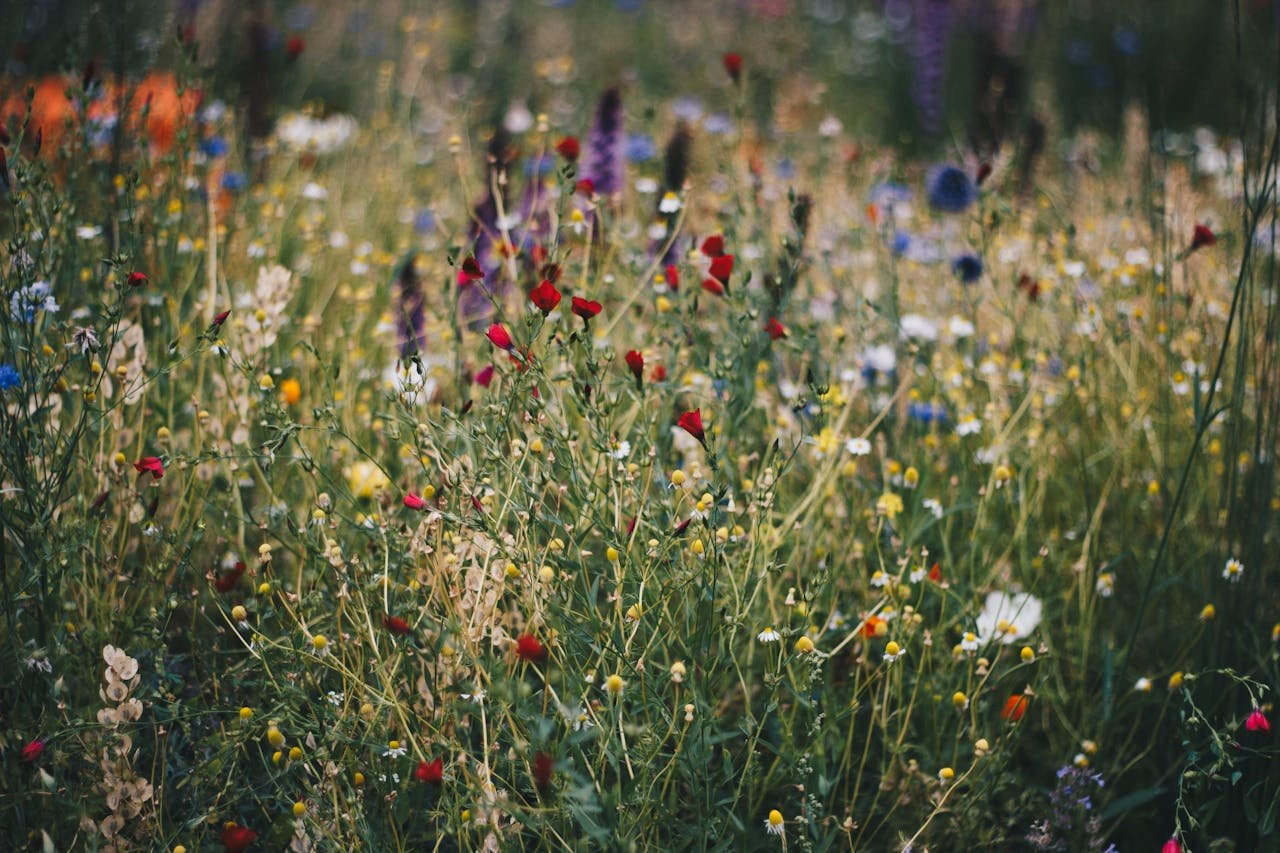
Hong Kong florist known for luxury flower bouquets
Discover a premium selection of seasonal floral arrangements for flower delivery across Hong Kong Island, Kowloon and New Territories
以奢華花束聞名的香港花店
探索香港島、九龍和新界送花的精選季節性插花
Premium flower delivery Hong Kong
When the special occasion calls for luxury blooms, you can’t go wrong with Petal & Poem. Our seasonal range of flower bouquets are crafted from the finest blooms by our master florists.
優質鮮花遞送。 當特殊場合需要奢華花朵時,Petal & Poem 絕對不會出錯。我們的季節性花束系列由我們的花藝大師採用最優質的花朵精心製作。


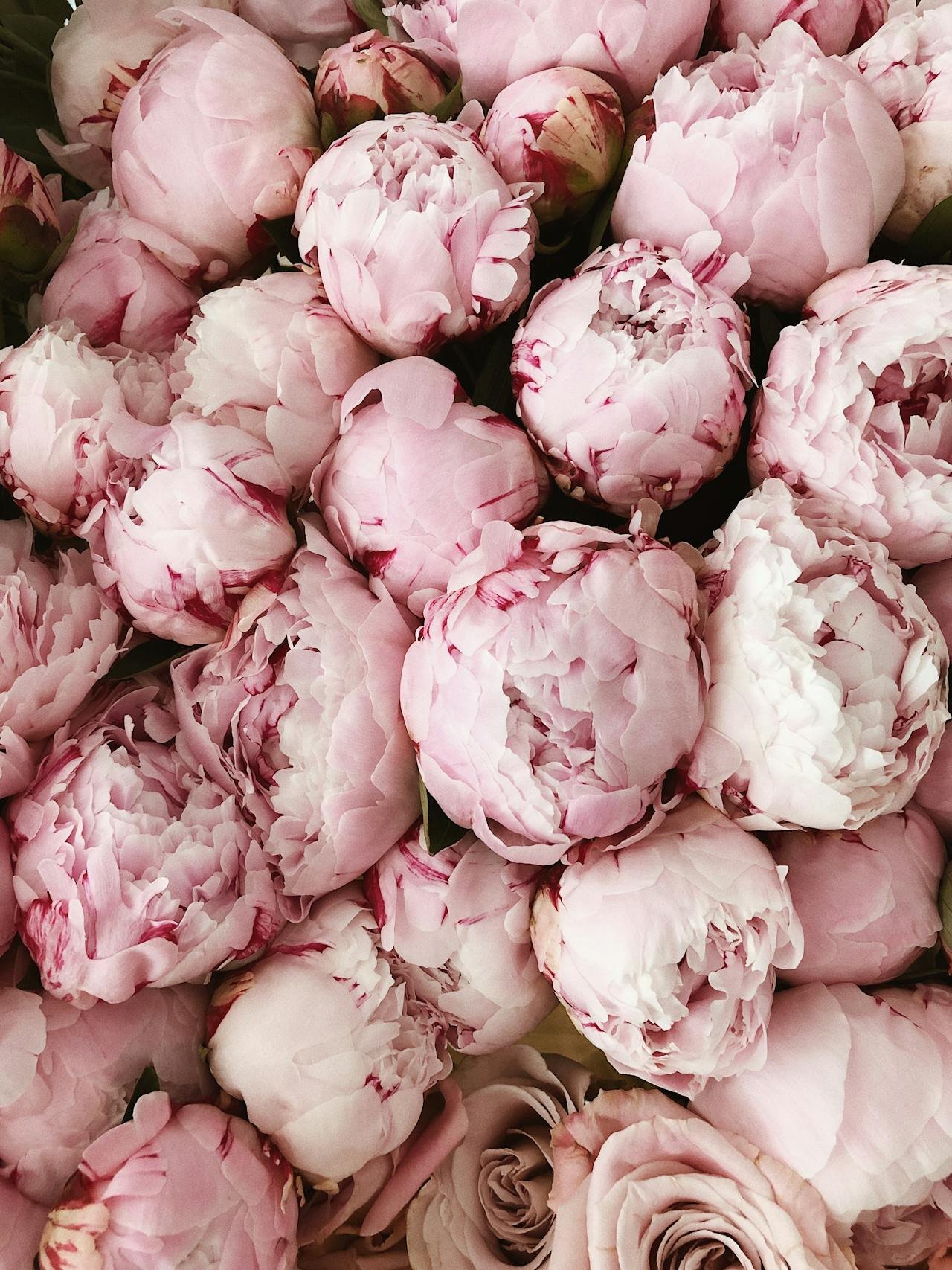
Explore flower arrangements that are created by our award-winning florists

HK Florist

DELIVERY

Workshops
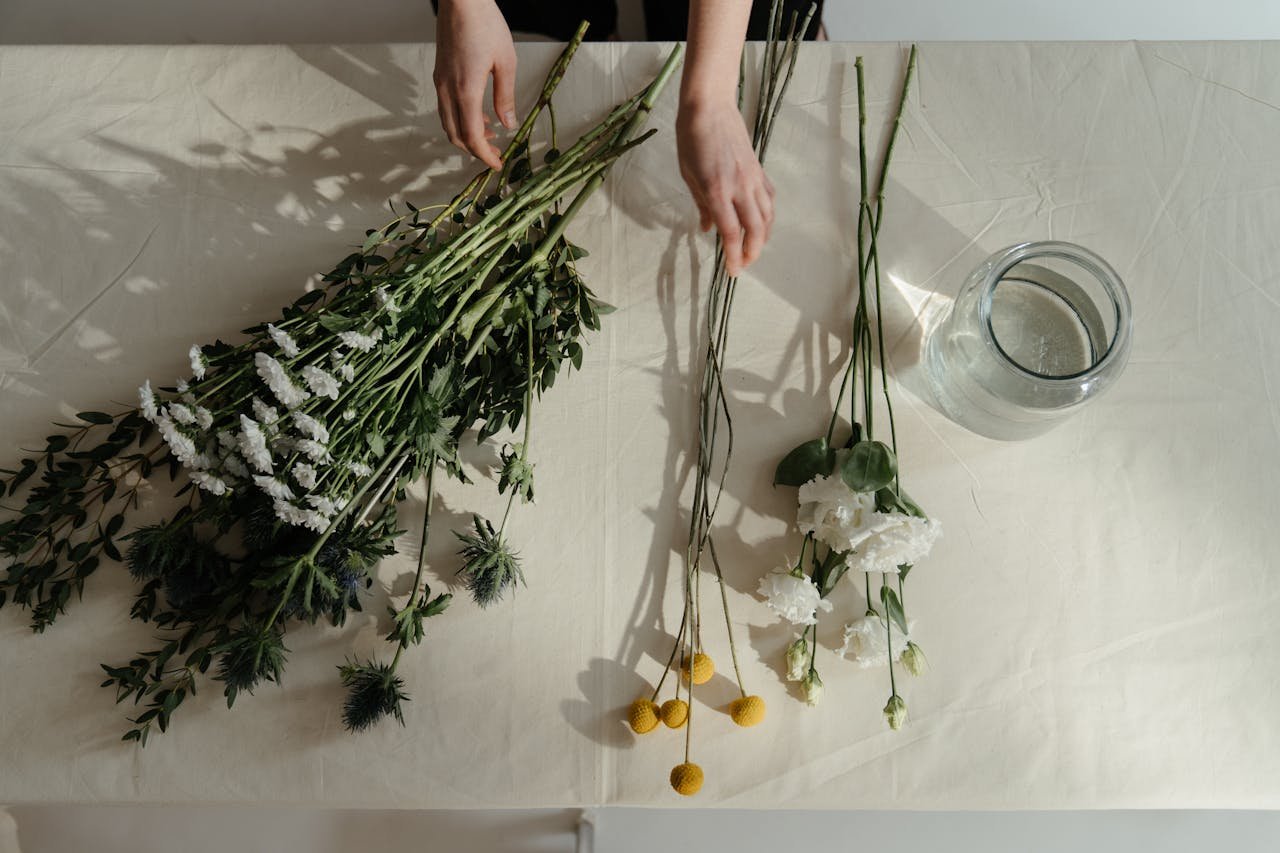
Learn from our master florists at one of our exclusive Hong Kong flower workshops
Florist’s Choice bouquet.
When you are stuck on what flowers to get for a special occasion, let our florists create some extraordinary using the freshest and finest flowers on the day.

Guide to Flowers That Symbolize Luck in Different Cultures Around the World
Flowers have held symbolic meanings across cultures for centuries, often embodying good fortune, prosperity, and protection. Here's a flower delivery guide to flowers that are believed to bring luck in various cultures, along with their meanings.
1. Asia
China
Peony (牡丹): Known as the "King of Flowers," the peony symbolizes wealth, honor, and romance. It is often displayed during festive occasions like Chinese New Year.
Plum Blossom (梅花): Represents resilience and renewal, as it blooms in late winter and early spring. It is also a symbol of perseverance.
Chrysanthemum (菊花): Yellow chrysanthemums are associated with longevity and good luck.
Japan
Cherry Blossom (桜, Sakura): While primarily representing the transient nature of life, cherry blossoms also bring luck and new beginnings in spring.
Bamboo (竹): A symbol of strength and resilience, bamboo arrangements are believed to bring luck and prosperity.
2. Europe
Ireland
Shamrock/Clovers: Though technically not a flower, the clover (especially the four-leaf variety) symbolizes good luck and is deeply rooted in Irish folklore.
Greece
Violets: In ancient Greece, violets were associated with love and fertility, often used as offerings to bring blessings and luck.
Italy
White Lily: Associated with purity and renewal, white lilies are often considered auspicious and linked to prosperity.
3. North America
United States
Sunflower: Bright and vibrant, sunflowers are thought to symbolize happiness, optimism, and good fortune.
Native American Cultures
Sweetgrass and Sage Flowers: Used in ceremonies for their cleansing properties, these plants are believed to bring spiritual blessings and protection.
4. South America
Brazil
Bougainvillea: Symbolizing protection and peace, bougainvillea is often planted around homes to bring good fortune and ward off negativity.
5. Africa
South Africa
Protea: As South Africa's national flower, the protea represents change, hope, and resilience. It is considered a flower of abundance and transformation.
Egypt
Lotus: A sacred flower in ancient Egyptian culture, the lotus symbolizes rebirth, purity, and spiritual enlightenment.
6. Middle East
Persia (Iran)
Tulips: Historically regarded as a symbol of paradise and divine beauty, tulips are believed to bring blessings and luck in Persian culture.
Turkey
Roses: In Turkish tradition, roses are sacred and symbolize love, good fortune, and protection.
7. Oceania
Hawaii
Plumeria (Frangipani): A symbol of positivity and blessings, plumeria is often worn as a lei to represent peace, love, and good luck.
New Zealand
Kowhai: The national flower of New Zealand, kowhai is associated with personal growth, happiness, and new opportunities.
8. South Asia
India
Marigold (Tagetes): Often used in religious rituals and weddings, marigolds are considered a symbol of divine blessings and prosperity.
Lotus: Revered as sacred, the lotus represents spiritual enlightenment, purity, and good fortune.
Sri Lanka
Jasmine: Jasmine flowers are used in offerings and ceremonies to symbolize purity, love, and auspicious beginnings.
9. East Asia
Korea
Mugunghwa (Rose of Sharon): Representing resilience and eternity, this flower is also a symbol of good fortune and hope.
Vietnam
Apricot Blossom (Hoa Mai): A traditional New Year flower, it symbolizes wealth, happiness, and longevity.
Tips for Using Lucky Flowers
Display Them Thoughtfully: Place lucky flowers in areas where you want to attract positive energy, such as the entryway or living room.
Use Them in Ceremonies: Incorporate flowers with cultural significance in weddings, housewarmings, or other life milestones.
Give Them as Gifts: Flowers that symbolize luck make thoughtful gifts for new beginnings or to convey good wishes.
By incorporating flowers with cultural and symbolic significance, you can enhance your surroundings with beauty and the promise of good fortune.
Guide to Flowers with Religious Symbolism Around the World
Flowers have long been revered in religious traditions and spiritual practices worldwide. Their beauty, transience, and natural purity often make them powerful symbols of faith, devotion, and the divine. This florist guide explores flowers associated with major religions and their meanings.
1. Lotus (Sacred Lotus)
Religion: Hinduism, Buddhism, Jainism
Symbolism:
Hinduism: Associated with divine beauty, purity, and creation. Represented in deities like Lakshmi and Brahma, often depicted seated on a lotus.
Buddhism: Symbolizes enlightenment, detachment, and spiritual growth. Different colors of lotus flowers carry distinct meanings (e.g., white for purity, pink for the Buddha, blue for wisdom).
Jainism: Represents spiritual awakening and the seat of divine beings.
Use in Rituals: Lotus motifs appear in temple architecture, religious art, and meditation practices.
2. Rose
Religion: Christianity, Islam
Symbolism:
Christianity: Represents the Virgin Mary (Rosa Mystica) and Christ’s sacrifice (red rose). The rose garden is often seen as a metaphor for paradise.
Islam: Associated with the Prophet Muhammad and divine beauty.
Use in Rituals: Featured in rosaries, church decorations, and Sufi poetry.
3. Tulsi (Holy Basil)
Religion: Hinduism
Symbolism:
Revered as an earthly manifestation of the goddess Tulsi, an avatar of Lakshmi.
Symbolizes purity, devotion, and protection.
Use in Rituals: Tulsi plants are commonly found in Hindu homes and temples. Its leaves are used in pujas and offerings to Vishnu and Krishna.
4. White Lily
Religion: Christianity
Symbolism:
Represents purity, chastity, and the Virgin Mary.
The Easter Lily is a symbol of Christ’s resurrection and triumph over death.
Use in Rituals: Commonly used during Easter celebrations and placed on altars.
5. Chrysanthemum
Religion: Buddhism, Taoism, Japanese Shinto
Symbolism:
Buddhism: Associated with meditation, autumn, and the impermanence of life.
Shinto: Symbolizes the sun and longevity, as seen in the Chrysanthemum Throne, the imperial emblem of Japan.
Use in Rituals: Featured in funerals, ancestral altars, and festivals like the Japanese Chrysanthemum Festival.
6. Saffron Crocus
Religion: Hinduism
Symbolism:
Sacred to Hindu deities like Krishna and often used to symbolize auspiciousness and sanctity.
Use in Rituals: Saffron dye is used in religious ceremonies, robes of monks, and temple decorations.
7. Peony
Religion: Buddhism
Symbolism:
Known as the "King of Flowers," peonies represent prosperity, honor, and good fortune.
Symbolic of feminine beauty and divine grace in Buddhist teachings.
Use in Rituals: Often planted in temple gardens and used as offerings.
8. Olive Blossom
Religion: Christianity, Judaism
Symbolism:
Christianity: Symbolizes peace, forgiveness, and God’s covenant with humanity.
Judaism: Represents peace and the Promised Land.
Use in Rituals: Olive branches are used during Palm Sunday and other religious observances.
9. Narcissus
Religion: Islam
Symbolism:
Represents the beauty of creation and the importance of gratitude.
Use in Rituals: Often referenced in Sufi poetry and Islamic art.
10. Hibiscus
Religion: Hinduism, Buddhism
Symbolism:
Represents the divine feminine energy, particularly associated with the goddess Kali in Hinduism.
In Buddhism, it symbolizes impermanence and the fleeting nature of life.
Use in Rituals: Used in offerings and temple rituals.
11. Jasmine
Religion: Hinduism, Buddhism, Islam
Symbolism:
Represents purity, love, and spiritual awakening.
Often associated with divine blessings and celestial beauty.
Use in Rituals: Worn in hair, used in garlands, and offered in prayers.
12. Marigold
Religion: Hinduism
Symbolism:
Represents auspiciousness, devotion, and the energy of the sun.
Use in Rituals: Common in Hindu temples, festivals, and weddings, often used to make garlands for deities.
13. Passion Flower
Religion: Christianity
Symbolism:
Represents the Passion of Christ, with different parts of the flower symbolizing elements of the crucifixion (e.g., ten petals for apostles, stamens for wounds).
Use in Rituals: Featured in Christian art and used as a teaching tool for the Passion story.
Conclusion
Flowers serve as profound symbols in religious and spiritual contexts, bridging the natural and divine worlds. Their roles in rituals, art, and traditions highlight the deep connection between humanity and nature. By understanding these sacred blooms, we gain insight into the values and beliefs that shape cultures around the globe.
Guide to Endangered Flower Species Around the World
Flowers are not only beautiful; they are crucial for maintaining ecological balance, supporting pollinators, and preserving biodiversity. Unfortunately, many flower species are endangered due to habitat destruction, climate change, invasive species, and overharvesting. Here’s a florist guide to some of the world’s most endangered flowers, their unique characteristics, and the efforts to protect them.
1. Middlemist’s Red (Middlemist camellia)
Habitat: Originally from China, now only found in two known locations (New Zealand and the UK).
Description: A bright red camellia-like flower with lush petals.
Threats: Overharvesting and habitat loss.
Conservation Efforts: Cultivation in botanical gardens to ensure survival.
2. Corpse Flower (Amorphophallus titanum)
Habitat: Rainforests of Sumatra, Indonesia.
Description: Known for its enormous size and pungent smell of rotting flesh, it blooms only once every 7–10 years.
Threats: Deforestation and habitat destruction.
Conservation Efforts: Protected in national parks and grown in botanical gardens worldwide.
3. Jade Vine (Strongylodon macrobotrys)
Habitat: Rainforests of the Philippines.
Description: Stunning claw-shaped flowers in shades of turquoise or blue-green.
Threats: Deforestation and declining pollinators (bats).
Conservation Efforts: Cultivation in greenhouses and protection of natural habitats.
4. Chocolate Cosmos (Cosmos atrosanguineus)
Habitat: Native to Mexico, but now extinct in the wild.
Description: Velvety dark red or brown flowers with a sweet chocolate scent.
Threats: Habitat destruction and overharvesting.
Conservation Efforts: Propagated through cloning in botanical gardens.
5. Ghost Orchid (Dendrophylax lindenii)
Habitat: Swamps of Florida and the Caribbean.
Description: Delicate white flowers resembling ghosts, often blooming high on tree trunks.
Threats: Poaching, habitat loss, and climate change.
Conservation Efforts: Protection under the Endangered Species Act and habitat restoration projects.
6. Franklin Tree Flower (Franklinia alatamaha)
Habitat: Historically found along the Altamaha River in Georgia, USA.
Description: White cup-shaped flowers with a sweet fragrance and bright yellow centers.
Threats: Extinct in the wild due to an unknown disease.
Conservation Efforts: Preserved through cultivation in gardens and arboretums.
7. Lady’s Slipper Orchid (Cypripedium calceolus)
Habitat: Europe, Asia, and North America.
Description: Unique slipper-shaped flowers in various colors, often found in woodlands.
Threats: Habitat destruction and illegal collection.
Conservation Efforts: Legal protections and reintroduction programs.
8. Youtan Poluo
Habitat: Rarely found, with no specific geographical concentration.
Description: Tiny white flowers thought to bloom every 3,000 years according to Buddhist lore.
Threats: Lack of habitat information makes conservation difficult.
Conservation Efforts: Raising awareness about its rarity and cultural significance.
How to Help Protect Endangered Flowers
Support Conservation Efforts: Donate to organizations focused on habitat preservation.
Avoid Wildflower Harvesting: Collect seeds or plants responsibly and avoid damaging natural habitats.
Promote Native Plant Growth: Encourage the growth of native plant species in gardens.
Educate Others: Spread awareness about endangered species and their ecological importance.
Every flower species, no matter how rare, plays an essential role in its ecosystem. By understanding and protecting these endangered flowers, we can ensure that future generations will enjoy their beauty and benefits. Conservation begins with education and small actions we can take in our everyday lives.
A Guide to the Different Schools of Ikebana
Ikebana, the traditional Japanese art of flower arrangement, is deeply rooted in history and philosophy. Unlike Western floral arrangements, Ikebana emphasizes harmony, balance, and the interplay between space and the materials used. Over centuries, various schools of Ikebana have developed, each with its own style, principles, and techniques. Here’s a florist guide to the most prominent schools and what sets them apart.
1. Ikenobo School
Foundation: Established in the 15th century, Ikenobo is the oldest and most traditional school of Ikebana.
Philosophy: Rooted in Buddhist principles, it emphasizes simplicity, natural beauty, and the spiritual connection between humanity and nature.
Styles:
Rikka (Standing Flowers): A formal and highly structured style with multiple layers representing natural landscapes.
Shoka (Living Flowers): A simpler style that uses three main elements—shin (heaven), soe (earth), and tai (humanity)—to depict harmony.
Free Style: A contemporary approach that allows for creative expression while maintaining the spirit of Ikenobo.
2. Ohara School
Foundation: Founded in the late 19th century by Unshin Ohara.
Philosophy: Focuses on seasonal changes and the natural beauty of landscapes, often inspired by Western floral aesthetics.
Styles:
Moribana (Piled-Up Flowers): Uses shallow, wide containers to create naturalistic, landscape-inspired arrangements.
Heika (Vase Flowers): A vertical arrangement style using tall vases, emphasizing line and movement.
Landscape Arrangement: A detailed representation of nature, often depicting rivers, mountains, and valleys.
3. Sogetsu School
Foundation: Established in 1927 by Sofu Teshigahara.
Philosophy: Advocates for creative freedom and individuality, emphasizing that Ikebana can be created by anyone, anywhere, with any materials.
Styles:
Free-Style Arrangements: Encourages artists to experiment with unconventional materials like glass, metal, or plastic.
Avant-Garde: Often sculptural and abstract, reflecting modern art influences.
Traditional with a Twist: Classic styles with innovative elements added for a fresh perspective.
4. Ichiyo School
Foundation: Founded in 1937 by brothers Ichiyo and Meikyo Kasuya.
Philosophy: Focuses on harmonizing arrangements with their surroundings and the personalities of the arranger.
Styles:
Personalized Arrangements: Tailored to the creator’s emotions and the setting of the display.
Group Arrangements: Encourages collaboration, often resulting in more dynamic compositions.
5. Enshu School
Foundation: Originated in the early 17th century under the influence of Kobori Enshu, a tea master and landscape gardener.
Philosophy: Strongly linked to the aesthetics of tea ceremonies, emphasizing elegance, simplicity, and restraint.
Styles:
Kirei Sabi: A blend of beauty and simplicity that echoes the wabi-sabi aesthetic.
Seasonal Focus: Arrangements highlight the essence of the season in a minimalist way.
6. Koryu School
Foundation: Dating back to the Edo period, this school focuses on strict rules and traditional techniques.
Philosophy: Places importance on balance and spiritual harmony, aligning with Zen Buddhist principles.
Styles:
Classical Arrangements: Symmetrical and formal, emphasizing tradition.
Bunjin Style: Inspired by Chinese scholar-artists, it is more poetic and free-flowing.
7. Adachi School
Foundation: A relatively modern school blending traditional Japanese aesthetics with contemporary elements.
Philosophy: Seeks to modernize Ikebana while preserving its spiritual and cultural essence.
Styles:
Abstract Arrangements: Focus on form and color.
Fusion with Modern Art: Incorporates mixed media and bold designs.
Common Elements Across All Schools
Asymmetry: A hallmark of Ikebana, creating dynamic and visually interesting arrangements.
Emptiness (Ma): The use of space to emphasize the beauty of the materials.
Natural Materials: Branches, flowers, leaves, and even moss are often used.
Seasonality: Reflecting the current season is central to most Ikebana styles.
Choosing the Right School for You
Each school of Ikebana offers unique philosophies and methods, allowing practitioners to find one that resonates with their personality, lifestyle, and artistic preferences. Whether you’re drawn to the structured traditions of Ikenobo or the creative freedom of Sogetsu, exploring Ikebana is a journey of self-discovery and connection to nature.
A Guide to the Year of the Wood Snake (2025)
In Chinese astrology, each year is associated with one of the 12 zodiac animals and one of the five elements: Wood, Fire, Earth, Metal, and Water. The Year of the Wood Snake (2025) combines the characteristics of the Snake with the nurturing and expansive qualities of Wood. This guide will take you through the key aspects of the Year of the Wood Snake and what it means for individuals born in this year and those living under its influence.
1. Overview of the Snake in Chinese Zodiac
Personality Traits of the Snake:
Wise and Intuitive: Snakes are often seen as highly intelligent and perceptive. They possess a deep understanding of situations and can read people well.
Charming and Mysterious: With their allure and magnetic charm, Snakes tend to attract attention easily. Their secretive and mysterious nature adds to their appeal.
Calculated and Strategic: Snakes are patient and tend to think things through before acting. They are meticulous and careful, preferring to make decisions based on reason and analysis.
Snake Characteristics:
Element: Fire, Earth, Metal, Water, or Wood depending on the year.
Yin (feminine) energy: Snakes are more introverted and reflective, valuing their privacy and personal space.
2. What Does the Wood Element Add to the Snake?
In 2025, the Snake is paired with Wood, a creative and expansive element. Wood brings a sense of growth, renewal, and innovation to the more introspective Snake personality. This combination has several key influences:
a. Creativity and Vision
The Wood Snake will likely be more creative and innovative than previous Snake years. Wood enhances the Snake’s natural ability to think strategically, making this year a great time for pursuing new ventures, especially in creative or artistic fields.
b. Nurturing and Growth
Wood is a symbol of growth, and when combined with the Snake's meticulous and patient nature, it supports the idea of slow, steady progress in personal and professional life. It’s a year to plant seeds (figuratively and literally) and watch them grow over time.
There is also a focus on nurturing relationships and self-growth.
c. Transformation and New Beginnings
As Wood promotes flexibility and change, the Wood Snake is a year where transformation is possible. People born in this year might experience personal evolution, shifting towards a more dynamic and expansive lifestyle.
3. What the Year of the Wood Snake Means for You
a. Personal Growth
This is a year to focus on self-improvement. The Wood Snake encourages you to develop new skills, embrace change, and take calculated risks. Whether in your career or personal life, now is the time to push forward with confidence.
Relationships: If you've been looking to deepen connections, whether in friendships or love, the Year of the Wood Snake provides opportunities for growth and mutual support.
b. Career and Finances
Opportunities for Growth: The Wood element brings a fresh perspective, and the Snake’s strategic nature means that this is a favorable year for making long-term financial decisions. However, patience is key—there's no rush, but steady, thoughtful progress will yield the best results.
Creative Projects: If you've been sitting on creative ideas or business ventures, the Year of the Wood Snake is a great time to put them into action. The Snake’s intelligence and the Wood element’s nurturing energy provide a perfect balance for turning dreams into reality.
c. Health and Well-Being
Physical and Emotional Growth: With the Wood Snake, focus on holistic well-being—both mental and physical. Wood symbolizes vitality and health, so it’s an excellent year to develop healthy habits, exercise regularly, and practice mindfulness.
The Snake’s natural introversion may mean you need to find time for solitude to recharge.
4. Compatibility with Other Zodiac Signs
In Chinese astrology, certain signs are more compatible with each other. Here’s how the Wood Snake might interact with other animal signs:
Most Compatible:
Rooster: Both the Snake and Rooster share a love of sophistication, attention to detail, and intellect. They make a dynamic pair in both romantic and business partnerships.
Ox: The Ox’s steady and hardworking nature complements the Snake’s strategic thinking. Together, they can create a harmonious and successful partnership.
Less Compatible:
Tiger: The Tiger’s bold and impulsive nature may clash with the Snake’s more calculated and introspective approach. There could be misunderstandings or power struggles.
Monkey: The Monkey’s playful and restless personality can conflict with the Snake’s serious and contemplative demeanor.
5. Lucky Things for the Wood Snake
If you're born in the Year of the Wood Snake or simply want to align yourself with the energy of this year, here are a few things that are considered lucky or auspicious:
Lucky Numbers: 2, 8, 9
Lucky Colors: Green (reflecting the Wood element), Red (for vitality), and Yellow (for stability and optimism)
Lucky Flowers: Orchid, Cineraria
Lucky Directions: East, Southeast
6. How to Make the Most of the Year of the Wood Snake
Focus on Creativity: Engage in creative activities like painting, writing, or learning a new craft. This year supports innovation and self-expression.
Nurture Relationships: Take time to build deeper connections with your loved ones and work on improving communication in relationships.
Embrace Change: The Wood Snake invites personal and professional transformation. Be open to new experiences and trust the process of growth.
Be Patient and Strategic: While the Wood Snake encourages growth, it also values patience. Avoid rushing into decisions—take your time to assess and plan your moves carefully.
7. Celebrating the Year of the Wood Snake
If you're celebrating the Year of the Wood Snake in 2025, here are a few traditional practices to embrace:
Family Reunions and Feasts: Chinese New Year is a time for families to come together. Celebrate with special meals, offering prayers to ancestors, and bonding over traditional dishes like dumplings and fish, symbolizing wealth and prosperity.
Red Decorations: Decorate your home with red lanterns and couplets to welcome the year’s energy and attract good fortune.
Giving Red Envelopes (Ang Bao): Exchange red envelopes filled with money, symbolizing good luck and blessings for the year ahead.
The Year of the Wood Snake is a time for steady growth, creativity, and transformation. Whether you’re born in this year or are simply under its influence, 2025 offers a chance to reflect on your goals and nurture both your personal and professional lives. With patience, strategic thinking, and a willingness to embrace change, you can harness the positive energy of the Wood Snake and achieve new heights of success and happiness.
A Guide to Flowers That Grow in Saltwater
Saltwater-tolerant flowers, or halophytes, thrive in saline environments where most plants cannot survive. These fascinating species are vital to the ecosystems they inhabit, often found in coastal marshes, mangroves, and salt flats. Below is a guide to some remarkable saltwater-tolerant flowers, their habitats, and unique characteristics.
1. Marshmallow Plant (Althaea officinalis)
Habitat: Coastal marshes and wetlands in Europe, Asia, and North America.
Flower Features: Pale pink or white, hibiscus-like flowers that bloom in late summer.
Special Adaptations: Deep roots and a high tolerance for salinity.
Ecological Role: Supports pollinators like bees and butterflies.
2. Sea Lavender (Limonium spp.)
Habitat: Coastal salt marshes and sandy beaches across Europe, North America, and Asia.
Flower Features: Tiny, papery flowers in shades of purple, blue, or white arranged in clusters.
Special Adaptations: Ability to excrete excess salt through specialized glands.
Ecological Role: Provides nectar for pollinators; used in coastal erosion control.
3. Saltmarsh Morning Glory (Ipomoea sagittata)
Habitat: Salt marshes along the southeastern U.S. coastline and the Caribbean.
Flower Features: Trumpet-shaped pink or purple flowers that bloom in summer and fall.
Special Adaptations: Tolerance for saline soil and occasional flooding.
Ecological Role: Stabilizes soil in marshy areas.
4. Glasswort (Salicornia spp.)
Habitat: Coastal salt flats and intertidal zones worldwide.
Flower Features: Inconspicuous flowers that are often hidden in the plant's jointed stems.
Special Adaptations: Stores water in succulent stems to dilute salt and prevent dehydration.
Ecological Role: Acts as a pioneer species, improving soil conditions for other plants.
5. Sea Purslane (Sesuvium portulacastrum)
Habitat: Coastal dunes, salt marshes, and mangroves in tropical and subtropical regions.
Flower Features: Small pink or purple flowers that bloom year-round in warm climates.
Special Adaptations: Stores water in succulent leaves and excretes salt through specialized pores.
Ecological Role: Prevents erosion and provides habitat for small marine life.
6. Yellow Marsh Marigold (Caltha palustris)
Habitat: Coastal and freshwater marshes in Europe, Asia, and North America.
Flower Features: Bright yellow, buttercup-like flowers that bloom in early spring.
Special Adaptations: Thrives in brackish or mildly saline water.
Ecological Role: Early source of nectar for pollinators in wetland areas.
7. Mangrove Apple (Sonneratia alba)
Habitat: Mangrove swamps in Southeast Asia, the Pacific, and East Africa.
Flower Features: Showy, white flowers with long stamens that bloom at night.
Special Adaptations: Excretes salt through leaves and tolerates waterlogged, saline soils.
Ecological Role: Provides habitat for marine life and stabilizes coastal areas.
8. Sea Holly (Eryngium maritimum)
Habitat: Sandy beaches and coastal dunes in Europe and North America.
Flower Features: Spiky blue or purple flowers surrounded by stiff, silver-green bracts.
Special Adaptations: Deep taproots to access freshwater below the salty surface soil.
Ecological Role: Helps bind sandy soils and prevent erosion.
9. Coastal Sand Verbena (Abronia latifolia)
Habitat: Sandy coastal areas of North America’s Pacific coast.
Flower Features: Small, fragrant yellow flowers that grow in clusters.
Special Adaptations: Thrives in nutrient-poor, saline soils.
Ecological Role: Provides ground cover and nectar for pollinators.
10. Pickleweed (Batis maritima)
Habitat: Salt flats, marshes, and mangroves in tropical and subtropical regions.
Flower Features: Tiny, greenish flowers that are not showy but important for reproduction.
Special Adaptations: Stores excess salt in specialized cells and sheds them when full.
Ecological Role: Food source for animals like waterfowl and a stabilizing agent in wetlands.
Tips for Observing Saltwater Flowers:
Visit During Blooming Season: Research the flowering period of each plant for the best experience.
Respect the Environment: Stay on designated paths to protect fragile ecosystems.
Bring Binoculars: Many saltwater flowers grow in marshes or areas difficult to access directly.
Wear Appropriate Gear: Waterproof boots and insect repellent are essential for wetland exploration.
Saltwater flowers are an incredible testament to nature’s ability to adapt to harsh environments. They play critical roles in their ecosystems, from preventing erosion to supporting wildlife. Whether you’re visiting a mangrove forest or a coastal dune, these plants are sure to impress with their resilience and beauty.
Guide to On-Trend Flowers to Grow in Your Garden in 2025
Gardening trends for 2025 emphasize sustainability, biodiversity, and vibrant aesthetics. From pollinator-friendly blooms to drought-tolerant varieties, here’s a guide to the most fashionable flowers to plant in your garden this year. These choices will keep your outdoor space beautiful, eco-friendly, and up-to-date with the latest gardening styles.
1. Native Wildflowers
Why Grow Them: Native wildflowers are low-maintenance and play a vital role in supporting local ecosystems. They attract pollinators like bees, butterflies, and birds, fostering biodiversity.
Trendy Varieties:
Black-eyed Susan (Rudbeckia): Golden petals that bloom profusely in summer and fall.
Coneflower (Echinacea): Available in classic purple or modern shades like coral and green.
Milkweed (Asclepias): Essential for monarch butterflies.
Benefits:
Drought-tolerant
Minimal pest issues
Excellent for meadow-style gardens
2. Drought-Tolerant Flowers
Why Grow Them: With increasing awareness of water conservation, drought-resistant flowers are a smart and stylish choice for 2025.
Trendy Varieties:
Lavender: Fragrant and ideal for borders or containers.
California Poppy (Eschscholzia californica): Vibrant orange flowers that reseed easily.
Salvia: Pollinator-friendly with striking purple, blue, or red spikes.
Benefits:
Resilient in dry climates
Perfect for xeriscaping
Long blooming seasons
3. Cut-and-Come-Again Flowers
Why Grow Them: These flowers are perfect for gardeners who love creating fresh bouquets. They bloom continuously when harvested regularly.
Trendy Varieties:
Zinnias: Available in a rainbow of colors and ideal for pollinator gardens.
Sweet Peas (Lathyrus): Fragrant and delicate, perfect for trellises.
Snapdragons (Antirrhinum): Great for vertical interest in flower beds.
Benefits:
Encourage regular gardening activity
Provide fresh, homegrown décor
Support pollinators with continuous blooms
4. Edible Flowers
Why Grow Them: Edible flowers bring beauty and function to your garden. They’re perfect for culinary use, from salads to desserts and cocktails.
Trendy Varieties:
Calendula: Bright orange and yellow flowers with a mild, peppery flavor.
Nasturtiums: Bold colors with a spicy taste, great for companion planting.
Borage: Star-shaped blue flowers with a mild cucumber flavor.
Benefits:
Dual-purpose as food and ornament
Easy to grow in small spaces
Boosts sustainability by reducing the need for store-bought garnishes
5. Pastel Blooms
Why Grow Them: Soft pastel hues are on-trend for garden aesthetics in 2025, creating a calming and romantic atmosphere.
Trendy Varieties:
Peonies: Luxurious blooms in blush pink or creamy white.
Foxgloves (Digitalis): Towering spires of pink, peach, or lavender flowers.
Delphiniums: Dramatic spikes in pastel blues and purples.
Benefits:
Add elegance to cottage or formal gardens
Ideal for mixed borders
Attract butterflies and bees
6. Compact Varieties for Small Gardens
Why Grow Them: With urban gardening on the rise, compact flowers are perfect for pots, balconies, and small spaces.
Trendy Varieties:
Miniature Sunflowers: Bright and cheerful blooms in a manageable size.
Dwarf Dahlias: Stunning blooms in a wide range of colors.
Petunias: Trailing varieties for hanging baskets.
Benefits:
Space-saving
Easy to manage
Versatile for indoor and outdoor settings
7. Pollinator Powerhouses
Why Grow Them: Supporting pollinators is a key trend for 2025, as gardens increasingly focus on environmental benefits.
Trendy Varieties:
Bee Balm (Monarda): Vibrant red, pink, or purple blooms loved by bees and hummingbirds.
Coreopsis: Bright yellow or pink flowers with a long blooming season.
Verbena bonariensis: Delicate purple flowers on tall stems, great for borders.
Benefits:
Attract bees, butterflies, and hummingbirds
Low-maintenance
Add color and movement to the garden
8. Biophilic Blooms
Why Grow Them: Inspired by the biophilic design trend, flowers that connect people to nature are highly desirable. Think calming greens and neutral tones.
Trendy Varieties:
Green Zinnias: Unique chartreuse-colored flowers.
Hydrangeas: Timeless blooms that change color based on soil pH.
Hellebores: Early bloomers with understated elegance.
Benefits:
Foster relaxation and mindfulness
Perfect for shaded areas
Year-round garden interest
9. Statement Blooms
Why Grow Them: Dramatic flowers are perfect for gardeners looking to make bold visual statements.
Trendy Varieties:
Dahlias: Large blooms in rich jewel tones like burgundy and emerald.
Amaranthus: Long, cascading flowers for vertical drama.
Hibiscus: Tropical flair with oversized, colorful blooms.
Benefits:
Create focal points
Perfect for modern garden designs
Pair well with minimalist landscaping
10. Climate-Adaptive Flowers
Why Grow Them: Climate change has made gardeners more mindful of selecting resilient, adaptable plants.
Trendy Varieties:
Gaillardia (Blanket Flower): Heat-tolerant with vibrant red and yellow blooms.
Sedum (Stonecrop): Hardy succulents with star-shaped flowers.
Lantana: Thrives in hot, sunny climates with multicolored blooms.
Benefits:
Low water requirements
Thrive in challenging conditions
Long-lasting blooms
Tips for Growing Trendy Flowers in 2025
Focus on Sustainability: Choose native or drought-tolerant varieties to reduce maintenance and resource use.
Plan for Pollinators: Mix flowering plants that bloom throughout the year to provide consistent nectar and pollen.
Combine Colors Thoughtfully: Follow a cohesive color palette to enhance garden aesthetics.
Embrace Vertical Gardening: Use trellises, walls, or containers to maximize space.
Go Organic: Avoid chemical fertilizers and pesticides to create an eco-friendly haven.
With these on-trend flowers, your 2025 garden will be not only visually stunning but also a reflection of modern, sustainable gardening values.
喜馬拉雅山區賞花愛好者指南
喜馬拉雅山脈橫跨多國,擁有壯麗的自然景觀與豐富的生物多樣性,是賞花愛好者的夢幻之地。這片遼闊的山區以其獨特的地理條件孕育了眾多珍稀花卉,從高山草甸的絢麗野花到林間幽谷的迷人蘭花,為遊客提供了一場視覺與心靈的盛宴。以下是一份針對賞花愛好者的詳細旅遊指南。
1. 最佳旅行時間
春季(3月至5月):雪融後,高山草甸與低海拔地區被五彩繽紛的花朵覆蓋,如杜鵑花和報春花,最適合賞花。
夏季(6月至8月):高海拔地區迎來盛花期,罌粟花、風毛菊等特有花卉競相開放。
秋季(9月至11月):雖然花期已過,但仍有部分野花盛開,且天氣晴朗,適合徒步探索。
2. 喜馬拉雅山賞花地點推薦
A. 花之谷國家公園(印度)
特色:聯合國教科文組織世界遺產,擁有約300種野花。
花卉亮點:藍罌粟、報春花、百合花等。
最佳時間:7月至8月,盛夏時期花卉最為繁茂。
B. 帕羅(不丹)
特色:幽靜山谷與傳統寺廟交相輝映,春季杜鵑花盛開。
花卉亮點:杜鵑花、藍罌粟、報春花。
推薦活動:徒步虎穴寺(Tiger’s Nest)並觀賞沿途花卉。
C. 安娜普爾納區(尼泊爾)
特色:徒步路線穿越多樣生態系統,適合不同季節的花卉觀賞。
花卉亮點:杜鵑花、山茶花、罌粟花。
推薦路線:安娜普爾納環線,春季杜鵑花林尤為壯觀。
D. 西藏林芝
特色:被譽為“西藏的江南”,擁有廣闊的桃花林與高原野花。
花卉亮點:桃花、格桑花、報春花。
最佳時間:3月至4月的桃花節。
E. 喬戈裡峰地區(巴基斯坦)
特色:高山草甸與壯觀的冰川並存,是探險與賞花的理想地。
花卉亮點:高山罌粟、金露梅。
適合人群:高山徒步愛好者。
3. 代表性花卉
藍罌粟(Blue Poppy):被譽為“高山之王”,是喜馬拉雅山的象徵性花卉,通常在高海拔地區(3,500米以上)生長。
杜鵑花(Rhododendron):分布廣泛,有多種顏色和形態,是春季不可錯過的亮點。
報春花(Primula):遍佈於濕潤山谷和草甸,色彩鮮豔、種類繁多。
高山蘭花(Orchid):在低海拔森林地帶可見,細緻優雅,充滿異域美感。
4. 相關節慶活動
花之谷徒步節(印度)
時間:每年7月至8月。
特色:組織徒步穿越花之谷,欣賞各類野花與雪山景觀。西藏林芝桃花節
時間:每年3月至4月。
特色:參加節慶活動的同時欣賞大片盛開的桃花林。杜鵑花節(不丹)
時間:4月。
特色:展示不丹獨特的杜鵑花品種,並結合當地文化表演。
5. 活動與建議
徒步旅行:選擇適合自身體能的徒步路線,探索不同海拔的花卉景觀。
攝影:帶上廣角鏡頭和微距鏡頭,捕捉花卉細節與壯麗背景。
植物學探索:與當地嚮導同行,深入了解喜馬拉雅山區的植物多樣性與生態系統。
文化體驗:參觀寺廟和村落,感受當地文化與自然的和諧共存。
6. 實用建議
裝備準備:攜帶防水登山鞋、保暖衣物和防曬用品,適應多變氣候。
高原反應:逐步適應高海拔環境,攜帶常用藥品以備不時之需。
環保意識:尊重當地生態,切勿採摘花卉,並妥善處理垃圾。
旅行許可:部分地區(如西藏)需要申請特殊旅行許可,提前安排相關手續。
7. 行程範例(適合賞花愛好者)
第一天至第二天:帕羅(不丹)
參觀虎穴寺,欣賞沿途的杜鵑花與高山景觀。
第三天至第五天:花之谷國家公園(印度)
徒步穿越花之谷,拍攝藍罌粟與各類野花。
第六天至第七天:林芝(西藏)
參加桃花節,漫步於桃花林,感受高原春天的美麗。
8. 為何選擇喜馬拉雅山區?
喜馬拉雅山區集壯麗自然景觀與珍稀花卉於一身,無論是追尋高山罌粟的稀有之美,還是流連於杜鵑花海的絢麗色彩,都能讓賞花愛好者收穫獨特的旅行體驗。這裡的每一次徒步、每一次駐足,都是與自然深度對話的機會。
踏上這片神秘土地,與花卉共舞,感受喜馬拉雅山區的自然奇蹟!
How to Choose a Bouquet Style for a Birthday flowers

Selecting the right bouquet style for birthday flowers can elevate the gesture from a simple gift to a deeply meaningful expression of love and appreciation. The perfect bouquet should align with the recipient’s personality, the tone of your relationship, and the occasion’s significance. Here’s a guide to help you choose the ideal bouquet style:
1. Understand the Recipient’s Personality
The bouquet style should reflect the recipient’s character and preferences. Ask yourself:
Are they traditional or modern?
For traditional tastes, opt for classic arrangements like roses or lilies.
For modern tastes, consider unique blooms or minimalist designs.
Are they vibrant and outgoing or calm and reserved?
Bright, colorful arrangements suit energetic personalities.
Soft pastel tones or monochromatic bouquets work for those who prefer understated elegance.
2. Match the Bouquet to the Relationship
Your relationship with the recipient helps determine the bouquet’s tone:
Romantic Partner: Choose passionate and romantic styles, such as a bouquet of red roses or an arrangement featuring their favorite flowers with lush greenery.
Family Member: Consider cheerful and heartfelt bouquets with sunflowers, daisies, or carnations.
Friend: Opt for fun, vibrant arrangements with mixed blooms in bright colors like yellows, oranges, and pinks.
3. Consider the Occasion’s Significance
If it’s a milestone birthday, the bouquet can be grander or carry symbolic meaning:
Milestone Birthdays (e.g., 30, 50): Create a dramatic arrangement with luxurious flowers like orchids, lilies, or peonies. Add special touches like a large bow or decorative elements.
Casual Birthdays: Simple mixed-flower arrangements in a mason jar or hand-tied bouquets work beautifully for more informal celebrations.
4. Select a Bouquet Style
Here are popular bouquet styles and their best use cases:
Hand-Tied Bouquet
Description: A loose arrangement of flowers tied together with a ribbon or twine.
Best For: Casual or rustic celebrations; easy to carry and versatile.
Features: Often includes a mix of seasonal flowers and greenery.
Cascade Bouquet
Description: A flowing, waterfall-like design where flowers and foliage spill downward.
Best For: Elegant and dramatic celebrations, perfect for milestone birthdays.
Features: Usually incorporates luxurious blooms like orchids and roses.
Posy Bouquet
Description: A small, rounded bouquet often arranged in a compact style.
Best For: Petite or understated gifts; ideal for teens or minimalist tastes.
Features: Focused on symmetry and balance, using a few blooms and greenery.
Flower Box or Basket
Description: Flowers arranged in a decorative box, basket, or container.
Best For: Long-lasting and practical gifts; excellent for office settings or home décor.
Features: Includes floral foam to keep flowers fresh longer.
Wildflower Arrangement
Description: A mix of wildflowers and garden-inspired blooms in a free-flowing style.
Best For: Nature lovers or those who appreciate a boho aesthetic.
Features: Often incorporates seasonal, local blooms with a natural look.
5. Consider Flower Colors and Meanings
Colors play a vital role in setting the bouquet's tone:
Red: Passion and love (romantic partners).
Yellow: Joy, friendship, and positivity.
Pink: Elegance, admiration, and gratitude.
White: Purity and sincerity; pair with brighter hues for a cheerful birthday vibe.
Purple: Royalty and sophistication; ideal for milestone birthdays.
6. Factor in Practicality
Travel-Friendly: If the recipient will carry the bouquet home, consider compact or boxed styles.
Longevity: Flowers like carnations and chrysanthemums last longer, making them great for recipients who cherish keeping their bouquets for days.
7. Seasonal and Local Influences
Choose blooms that are in season for the freshest and most vibrant arrangements. Seasonal flowers are often more affordable and eco-friendly.
8. Add Personal Touches
Customizable Bouquets: Many florists allow you to design your own arrangement. Include the recipient’s favorite flowers or colors.
Thematic Arrangements: Incorporate elements that resonate with the recipient’s hobbies or interests (e.g., sports-themed colors or tropical flowers for a beach lover).
Choosing the right bouquet style for a birthday is all about thoughtfulness and personalization. Whether you go for a simple hand-tied arrangement, a luxurious cascade bouquet, or a cheerful flower box, aligning your choice with the recipient’s personality, your relationship, and the occasion will ensure your gift is memorable and meaningful.
如何讓情人節花束保持更長時間的新鮮度
收到情人節花束後,如何讓它保持美麗和新鮮,成為許多人的關注點。一束精心挑選的花若能持續綻放,將為浪漫的回憶增添更多色彩。以下是一些簡單實用的方法,幫助你延長情人節花束的壽命。
一、收到花束後的立即處理
拆除包裝
雖然花束的包裝紙很美,但保持花的新鮮更重要。收到花束後,立即拆開外包裝,讓花材自由呼吸,減少擁擠和潮濕可能導致的腐爛。
修剪花莖
使用乾淨、鋒利的剪刀或修枝剪,將花莖以45度角斜剪約2-3公分。這樣可以增加花莖吸收水分的面積。
如果某些花材的底部較木質化(如玫瑰或百合),可以輕輕刮掉底部硬皮,進一步促進吸水。
清理花莖下部葉片
將浸入水中的葉片清除,避免它們腐爛污染水質,影響花材的新鮮度。
二、選擇適當的容器與水
清潔的花瓶
選擇大小適合的花瓶,並徹底清洗,避免殘留的細菌或雜質污染水質。
新鮮水源
為花瓶注入乾淨的溫水(約20-25°C),溫水有助於花材更快速吸收水分。
若有提供專用的花卉保鮮劑,可以按照說明加入水中,延緩細菌滋生並提供營養。
三、擺放環境的選擇
避免陽光直射
將花瓶放置在陰涼處,避免陽光直射或高溫環境。過高的溫度會加速花朵的枯萎。
遠離水果
水果(如蘋果和香蕉)釋放的乙烯氣體會促進花材的衰老,應將花束與水果分開擺放。
遠離風口或冷氣
避免將花束放置在風口、空調下方或暖氣旁,以免花材因乾燥或溫度波動而受損。
四、日常保養與維護
每天更換水
每天更換花瓶中的水,並確保水中沒有殘留葉片或其他雜質。
定期修剪花莖
每隔1-2天重新修剪花莖底部,以保持良好的吸水能力。
噴灑清水
用噴壺向花材的花瓣和葉片輕輕噴灑清水,幫助保濕並讓花看起來更有光澤。
使用保鮮劑
若花瓶中的保鮮劑效果減弱,可以自行製作簡單的花卉保鮮液。將1茶匙糖、幾滴檸檬汁和1-2滴漂白水混合到1公升水中,既能提供營養又能抑制細菌生長。
五、針對特定花材的特別處理
玫瑰
玫瑰容易因空氣進入導致水流中斷,修剪花莖時可在水下進行,避免氣泡堵塞吸水通道。
百合
若百合花苞尚未完全開放,可將其放在稍暖的環境中加速綻放。同時,定期清除花粉,避免花粉掉落影響美觀或污染環境。
郁金香
郁金香對水量敏感,只需在花瓶中注入少量清水,避免過多水分導致花莖過度彎曲。
康乃馨
康乃馨花朵耐久性高,但仍需注意每日修剪花莖並保持清潔水質。
六、最後的小貼士
使用冰塊延長新鮮度
在花瓶水中加入幾塊冰塊,特別適合在炎熱的氣候下延長花材的保鮮時間。
晚上放入冰箱
如果條件允許,可將花瓶放入冰箱中過夜,降低溫度有助於減緩花材的枯萎。
觀察花材狀況
如果某些花朵開始枯萎,可以將它們移除,以免影響其他仍新鮮的花材。
通過正確的處理和日常保養,情人節花束的美麗可以持續更長時間。用心呵護你的花束,不僅能延長它的壽命,更能讓你和伴侶在每次欣賞它時,感受到情人節的浪漫氛圍。
2025年情人節選擇優質花店指南
情人節是一年中最浪漫的日子,送上一束美麗的花是傳遞愛意的經典方式。選擇一家可靠且有創意的花店,可以確保你送出的花束既精緻又能打動對方的心。以下是如何找到理想花店的實用指南,幫助你輕鬆完成2025年情人節的花束準備。
一、提前規劃與準備
提早開始搜尋
情人節是花店的旺季,優質花店的訂單可能很快爆滿。因此,最好在情人節前2-3週開始尋找花店並下單,確保你能獲得理想的花束設計。確定預算
根據你的預算範圍篩選花店,有些花店專注於高端定制,而另一些則提供平價且高質量的選擇。提前了解自己可以投入的費用範圍,能幫助你更高效地挑選花店。了解對方喜好
確定對方喜歡的花種、顏色或風格(如簡約風、浪漫風或復古風),這將有助於與花店溝通,訂製一束符合對方品味的花束。
二、如何挑選花店
查看線上評價
使用Google、Facebook或Instagram等平台查看花店的顧客評價和星級評分。
留意其他顧客對花店設計、服務態度和交貨準時性的反饋。
瀏覽作品集或社交媒體
優質花店通常會在網站或社交媒體上展示他們的花束設計。檢查作品是否符合你的美學需求,並特別注意是否有情人節專屬設計。
留意他們的花材選擇和配色技巧,是否新鮮且具有創意。
詢問親友推薦
如果你有朋友或家人對某家花店有良好的經驗,可以參考他們的建議。口碑推薦往往比線上搜尋更可靠。
實地考察(如有時間)
如果方便,親自到花店查看花材的新鮮度、花店環境和服務態度。這樣可以更直接地了解花店的專業程度。
三、與花店溝通的技巧
明確需求
向花店描述你的預算、對花束風格的期望,以及送花的場合和對象。例如,「我想要一束浪漫風格的紅玫瑰花束,適合情人節送給伴侶」。
詢問建議
優秀的花店員工通常能根據你的需求提供專業建議,幫助你選擇最適合的花材和設計。
確認細節
確保花束的花材、大小、顏色、包裝風格等細節都與你的期望一致。
若需要配送,確認配送日期、時間及地點是否準確。
定製服務
如果對方有特殊喜好(如喜歡特定的花或顏色),可詢問花店是否提供定製服務,這會使花束更具個人意義。
四、優質花店的特徵
新鮮花材
優質花店通常會保證花材的新鮮度,避免枯萎或損壞的花出現在花束中。
創意設計
花店是否能根據不同客戶的需求提供創意花束設計,展現其專業性與用心。
透明價格
價格清晰且符合市場水平,沒有隱藏費用。
良好服務
客戶服務是否耐心並樂於解答問題。良好的溝通體驗能讓訂花過程更順利。
準時配送
如果需要配送服務,選擇能準時將花束送達的花店,尤其是在情人節這樣的高峰時段。
五、情人節花束推薦
紅玫瑰花束
經典且熱烈,象徵愛與浪漫,是情人節的首選。混搭花束
結合紅玫瑰、粉色康乃馨或白百合等不同花材,展現豐富層次感。永生花禮盒
適合喜歡長久紀念的伴侶,象徵永恆的愛情。異國花材設計
使用獨特的異國花材(如藍色繡球花、澳洲尤加利葉),打造與眾不同的浪漫花束。
選擇一家優質的花店需要綜合考慮花材品質、設計創意、服務態度和價格透明度等多方面因素。提前規劃和充分溝通是成功訂購情人節花束的關鍵。透過精挑細選,你將能為所愛之人準備一份既驚喜又貼心的禮物,讓2025年的情人節更加難忘!
2025 年農曆新年蘭花品種選擇指南
蘭花因其高雅的氣質和長壽的寓意,一直是農曆新年期間深受喜愛的年節花卉之一。2025 年是乙巳年(蛇年),選擇合適的蘭花,不僅能增添節慶氣氛,還能帶來吉祥如意的祝福。以下是適合農曆新年的蘭花品種推薦及搭配建議。
1. 蝴蝶蘭(Phalaenopsis)
蝴蝶蘭在農曆新年中極為流行,因其花形如展翅的蝴蝶,象徵喜慶與繁榮。
適合的品種與顏色
紅色蝴蝶蘭:
紅色代表喜氣與成功,是新年必備的吉祥顏色。黃色蝴蝶蘭:
黃色象徵富貴與財運,寓意「黃金滿地」。紫色或粉色蝴蝶蘭:
帶來高雅氣質,象徵幸福與和諧。
擺放建議
將蝴蝶蘭擺放在客廳或門口,寓意迎接幸福與好運。
2. 文心蘭(Oncidium)
文心蘭,又稱「跳舞蘭」,因其花朵形狀如跳舞的小人而得名,寓意活力與興旺。
適合的顏色
金黃色:
金黃的文心蘭象徵財源滾滾,寓意「金光閃耀」,非常適合蛇年增添財運。
擺放建議
可將文心蘭置於書房或辦公室,增添活力與創意,亦可放置於餐廳,寓意新年的豐衣足食。
3. 石斛蘭(Dendrobium)
石斛蘭被視為堅韌與健康的象徵,花型小巧精緻,花期長,適合營造溫馨氛圍。
適合的顏色
粉紫色:
粉紫色石斛蘭象徵浪漫與和諧,適合家庭擺設,寓意家人平安幸福。白色:
白色石斛蘭清新高雅,寓意純潔與新年新氣象。
擺放建議
可將石斛蘭擺放於臥室或玄關處,增添清雅氣息。
4. 卡特蘭(Cattleya)
卡特蘭被譽為「蘭花之王」,其大而豔麗的花朵非常吸引人,特別適合新年增添喜慶氣氛。
適合的顏色
紅色與橙色:
這兩種顏色卡特蘭花象徵熱情與活力,寓意新年的希望與成功。多色混合品種:
例如紅黃交織或紫白交織,展現繁榮與多彩的人生。
擺放建議
將卡特蘭放置於餐桌中央或大廳,作為亮眼的節慶裝飾。
5. 萬代蘭(Vanda)
萬代蘭花型典雅,色彩鮮豔且耐久,象徵高貴與吉祥。
適合的品種與顏色
藍紫色萬代蘭:
藍紫色萬代蘭獨具神秘感,寓意祥瑞與精神富足。玫紅色萬代蘭:
玫紅色鮮明奪目,寓意熱情洋溢與日子紅火。
擺放建議
可將萬代蘭懸掛於陽台或窗邊,增添節慶氛圍。
6. 豆蘭(Cymbidium)
豆蘭花朵端莊大氣,是東亞文化中極具象徵意義的蘭花,寓意健康與長壽。
適合的顏色
金黃色豆蘭:
象徵榮華富貴與滿載而歸。綠色豆蘭:
象徵春意盎然與生命力,適合蛇年迎來全新的開始。
擺放建議
豆蘭適合擺放於祠堂或祖先牌位前,象徵對家族的敬意與祈福。
蘭花搭配與佈置建議
盆栽搭配:
使用紅色或金色花盆,象徵吉祥與財運。
可加入象徵「富貴竹」或「金錢樹」的植物,提升整體吉祥寓意。
擺放方位:
擺放於家中東方或南方,符合風水中「木火相生」的原則,增添正能量。
燈光點綴:
結合LED燈或燈籠裝飾,突出蘭花的高貴氣質。
選購與照護小貼士
選購時注意:
花苞飽滿但未完全開放,可延長觀賞期。
根系健康無病害,葉片鮮嫩有光澤。
照護建議:
光線:放置於明亮但無直射陽光處。
澆水:保持基質濕潤但避免積水。
濕度:適度增加濕度,尤其是在氣候乾燥的季節。
選擇適合農曆新年的蘭花,不僅能裝點居家環境,還能傳遞吉祥美好的祝福。希望本指南能幫助您在 2025 年的蛇年新春期間,找到心儀的蘭花,為節日增添更多喜慶與祥瑞!
如何挑選最優質的蘭花:全面指南
蘭花以其高雅氣質和繁複多樣的品種深受花卉愛好者喜愛。要挑選出最頂級的蘭花,不僅需要了解其外觀特徵,還需要考慮品種、健康狀況以及栽培方式等細節。以下是挑選最優質蘭花的指南。
1. 瞭解蘭花的品種與特性
常見高端蘭花品種
蝴蝶蘭(Phalaenopsis): 花型如飛舞的蝴蝶,色彩多樣,適合室內擺放。
文心蘭(Oncidium): 花朵細緻小巧,形似跳舞的芭蕾舞者,被稱為「跳舞蘭」。
石斛蘭(Dendrobium): 花期長,具有藥用價值,葉片翠綠,花色鮮豔。
卡特蘭(Cattleya): 花型大而艷麗,被譽為「蘭花之王」。
萬代蘭(Vanda): 花色豔麗,耐久性強,適合高端花藝設計。
挑選時需了解: 不同品種適應的環境與花期,根據需求選擇適合的品種。
2. 外觀檢查:健康與美觀
花朵
形狀完整: 花瓣應對稱且完整,無破損或皺縮現象。
顏色鮮豔: 花色均勻、飽滿,無斑點或褪色跡象。
花苞充實: 若購買帶苞的蘭花,花苞應飽滿而富有彈性,這表明即將盛開且壽命更長。
葉片
顏色: 健康的葉片應為亮綠色或深綠色,無黃斑或病害痕跡。
光澤: 葉片表面應具有自然光澤,不應過於乾燥或黯淡。
形狀: 葉片應挺直或微微彎曲,避免購買葉片枯萎或彎曲異常的植株。
根系
氣根健康: 顏色為銀白或綠色,富有彈性,無腐爛或乾枯現象。
根部穩固: 根系應穩定扎實,若輕輕觸動植株,根部應不易鬆動。
3. 確認栽培方式與培植環境
基質
檢查蘭花是否種植在適合的基質中,例如樹皮、苔蘚或特製混合土壤。優質基質應保持透氣和適度濕潤。
種植容器
材質: 透明塑膠盆有助於觀察根系,陶瓷盆則更美觀且通氣性佳。
排水性: 花盆底部應有良好的排水孔,避免積水導致根部腐爛。
4. 挑選時機:注意季節與開花期
最佳購買季節: 大多數蘭花在春季和秋季開花,此時市場上品種最豐富,花卉品質最高。
注意開花進程: 選擇帶有部分花苞未開的植株,以延長觀賞期。
5. 檢查病蟲害與健康狀況
葉片病害: 注意是否有黑斑、黃化或霉菌痕跡。
蟲害跡象: 檢查葉片背面和花苞內是否有蚜蟲、螨蟲或介殼蟲。
異味: 健康的蘭花不應散發異常氣味,例如腐敗或霉味。
6. 確認供應商的專業性
專業園藝中心: 優質的蘭花通常來自專業花卉市場或信譽良好的園藝中心。
產地來源: 詢問是否來自知名栽培地區,如台灣、日本、泰國或南美洲,這些地區以高端蘭花栽培著稱。
栽培方式: 有機培植和溫室管理的蘭花通常品質更高。
7. 購買後的照護須知
環境需求
光照:大多數蘭花喜愛明亮的散射光,避免長時間直射陽光。
溫度:適宜的溫度範圍為15°C至25°C。
濕度:保持60%至80%的濕度,可使用加濕器或擺放水盤增加環境濕度。
澆水技巧
保持基質微濕,但避免積水,每次澆水後應確保多餘的水分排出。
施肥
選用專用的蘭花肥料,按照薄肥多施的原則,每2至3週施一次。
挑選最優質的蘭花不僅需要仔細觀察花材的外觀和健康狀況,還需要結合品種特性與種植條件進行評估。通過這些指引,您將能夠找到既美觀又長壽的高端蘭花,為家居或花藝作品增添獨特的魅力。
Florist Guide to Table Centrepiece Styles to Look Out for in 2025
Table centrepieces are a cornerstone of event design, setting the tone for celebrations and creating memorable visual experiences. In 2025, floral trends are blending sustainability, bold creativity, and personalization, offering florists a wealth of inspiration to craft stunning centrepieces. Below is a guide to the top table centrepiece styles to watch for in 2025.
1. Sustainable and Eco-Friendly Centrepieces
Sustainability continues to dominate the floral industry, with couples and event planners prioritizing eco-conscious designs.
- Locally Sourced Blooms: Use seasonal, locally grown flowers to reduce carbon footprints and support local growers. Think wildflowers, dahlias, and sunflowers for a fresh, natural look.
- Reusable Elements: Incorporate reusable vases, biodegradable wraps, or upcycled containers like vintage jars or wooden crates. Dried flowers and preserved greenery are also gaining popularity for their longevity and eco-friendliness.
- Edible Additions: Combine flowers with fruits, vegetables, or herbs like rosemary and thyme for a dual-purpose centrepiece that’s both decorative and functional.
2. Bold and Vibrant Color Palettes
2025 is all about making a statement with bold, unexpected color combinations.
- Monochromatic Magic: Stick to a single color family, such as deep purples, fiery oranges, or sunny yellows, and layer textures for depth. For example, pair velvety roses with spiky protea or soft ranunculus.
- High-Contrast Combos: Experiment with striking pairings like coral and teal or magenta and chartreuse. These combinations create high-energy visuals that captivate guests.
- Pantone Influence: Incorporate the Pantone Color of the Year, such as "Mocha Mousse," into your designs for a trendy yet timeless look.
3. Textural Diversity and Natural Elements
Texture is key in 2025, with arrangements that invite touch and intrigue.
- Mixed Foliage: Combine lush greenery like eucalyptus, ferns, and monstera leaves with unexpected elements like cabbage or kale for a rustic, bohemian vibe.
- Foraged Accents: Add dried grasses, seed pods, or curling vines to create a wild, untamed aesthetic. These elements bring a sense of movement and natural beauty to your designs.
- Tactile Contrasts: Pair smooth, waxy flowers like calla lilies with fuzzy or feathery blooms like asters or carnations for a dynamic interplay of textures.
4. Minimalist and Elegant Designs
Less is more in 2025, with minimalist centrepieces that exude sophistication.
- Single-Stem Statements: Highlight the beauty of a single bloom, such as a protea or orchid, in a dramatic vase. This approach is perfect for intimate settings or modern weddings.
- Clean Lines and Greenery: Use abundant greenery paired with a few standout flowers for a refined, fresh look. Long garlands or simple clusters of foliage create a serene atmosphere.
- Monochromatic Schemes: Stick to one color palette, such as all-white or all-pink flowers, for a cohesive and elegant aesthetic.
5. Statement Floral Installations
For those looking to make a grand impression, oversized and dramatic centrepieces are a must.
- Cascading Designs: Create lush garlands or cascading arrangements that spill over the sides of tables, adding movement and drama to the setting.
- Floral Chandeliers: Suspend floral installations above tables for a show-stopping effect. These works of art are perfect for weddings or high-end events.
- Asymmetrical Arrangements: Break away from traditional symmetry with off-centre designs that feel modern and artistic. These arrangements often feature bold blooms and unexpected shapes.
6. Personalized and Thematic Centrepieces
Couples are increasingly seeking centrepieces that reflect their unique stories and personalities.
- Custom Details: Incorporate meaningful elements like birth month flowers, family heirlooms, or monogrammed accents into your designs.
- Theme-Based Designs: Match centrepieces to the event’s theme, whether it’s vintage, boho, or tropical. For example, use exotic blooms like heliconias and anthuriums for a destination wedding.
- Interactive Elements: Add candles, lanterns, or small trinkets that guests can take home as keepsakes, creating a memorable and personal touch.
2025 is shaping up to be an exciting year for floral design, with table centrepieces that blend sustainability, bold creativity, and personalization. Whether you’re crafting minimalist arrangements, dramatic installations, or eco-friendly designs, these trends offer endless possibilities to captivate and inspire. Stay ahead of the curve by experimenting with these styles and tailoring them to your clients’ unique visions.
世界最佳觀賞野生繡球花地點
繡球花(Hydrangea)因其豐富的色彩、壯觀的花團以及優雅的姿態,深受賞花愛好者喜愛。在某些地方,繡球花不僅是園藝花卉,更可在野外欣賞到它們自然生長的美態。以下是世界各地觀賞野生繡球花的最佳地點和特色。
1. 日本:鎌倉(Kamakura)與長谷寺(Hase-dera Temple)
地點特徵:
鎌倉的長谷寺以「紫陽花寺」聞名,每年6月的雨季,寺廟內種植的超過2500株繡球花盛開,涵蓋藍、粉紅、紫等多種顏色。寺內步道蜿蜒,遠眺還能看到海景,與繡球花相映成趣。最佳觀賞季節: 6月至7月
特別體驗: 雨中漫步欣賞繡球花,感受濕潤環境中花卉的清新與鮮豔。
2. 韓國:巨濟島(Geoje Island)繡球花公園
地點特徵:
巨濟島的繡球花公園位於島嶼的丘陵地帶,這裡的繡球花自然散佈於小徑兩旁,形成壯觀的花海。不同顏色的繡球花在翠綠的背景中特別耀眼。最佳觀賞季節: 6月至7月
特別體驗: 在花叢間拍攝迷人的照片,還能欣賞海島的自然風光。
3. 法國:布列塔尼(Brittany)海岸地區
地點特徵:
布列塔尼的濕潤海洋氣候特別適合繡球花的生長,這裡的野生繡球花大多分佈在海岸線和鄉村小道。藍紫色的花朵與大西洋的背景完美結合,宛如一幅風景畫。最佳觀賞季節: 夏季(6月至8月)
特別體驗: 在古老的法式村莊漫步,欣賞石牆旁自然生長的繡球花。
4. 美國:北卡羅萊納州大煙山國家公園(Great Smoky Mountains National Park)
地點特徵:
大煙山國家公園是北美野生繡球花的重要棲息地,特別是在森林步道和溪流附近,能看到大量的「光葉繡球花」(Hydrangea arborescens)。這些白色的花團在綠意盎然的山林間格外醒目。最佳觀賞季節: 夏季(6月至8月)
特別體驗: 探索森林小徑,感受自然環境中繡球花的清新氣息。
5. 中國:貴州荔波樟江風景區
地點特徵:
荔波樟江風景區被譽為「地球綠寶石」,擁有豐富的植物多樣性。這裡生長的野生繡球花分佈在森林和河谷間,與周圍的瀑布、溪流共同構成一幅壯觀的自然畫面。最佳觀賞季節: 5月至7月
特別體驗: 探訪原始森林,感受自然與繡球花的和諧共生。
6. 葡萄牙:亞速群島(Azores)
地點特徵:
亞速群島的群島氣候為繡球花提供了理想的生長條件,這裡的野生繡球花覆蓋了山坡、田野和湖畔,特別是在聖米格爾島(São Miguel),藍紫色的花朵延綿成花牆,令人目不暇接。最佳觀賞季節: 夏季(6月至9月)
特別體驗: 驅車環島旅行,沉浸在花海與海島景色中。
7. 紐西蘭:懷卡托地區(Waikato Region)
地點特徵:
紐西蘭的懷卡托地區以廣闊的草原和山丘著稱,這裡的野生繡球花常見於湖泊和農田旁,自然生長的藍紫色花朵與新西蘭的清新風景相得益彰。最佳觀賞季節: 夏季(12月至2月)
特別體驗: 在湖畔野餐,欣賞繡球花與新西蘭的純淨自然。
8. 意大利:伊索拉貝拉島(Isola Bella)花園
地點特徵:
位於馬焦雷湖的伊索拉貝拉島擁有壯麗的巴洛克風格花園,這裡種植了大量野生與人工培育的繡球花,與宮殿建築和湖景共同構成了絕美的畫面。最佳觀賞季節: 春季至夏季(4月至7月)
特別體驗: 在優雅的花園中漫步,感受繡球花與古典建築的和諧。
賞繡球花小貼士
查詢花期: 不同地區的花期會因氣候不同而變化,提前確認是關鍵。
選擇合適裝備: 雨季觀賞時攜帶防水外套或雨傘,並穿著舒適的步道鞋。
尊重自然: 不採摘野生花卉,保護當地生態環境。
繡球花的魅力在於它的豐富多彩和自然的生長姿態,無論是雨中的鎌倉,還是海島的亞速群島,每一個地點都為賞花之旅增添無限驚喜。
世界最佳玫瑰園終極指南
玫瑰園是歷史、自然和美景融為一體的迷人空間。從大量稀有品種到精心設計的景觀,這些花園為遊客帶來色彩、香氣和質感的感官盛宴。無論您是玫瑰愛好者、自然愛好者,還是尋求寧靜之美的旅行者,這裡都有一份精心挑選的世界最佳玫瑰園指南,並附帶網站鏈接,可供您規劃行程。
1. 法國馬恩河谷玫瑰園
- 參觀原因:這座歷史悠久的花園始建於 1899 年,擁有 3,000 多個玫瑰品種,其中包括稀有和古老的品種。它是玫瑰歷史的活博物館,也是玫瑰愛好者必去的地方。
- 最佳遊覽時間:春末至初夏(五月至六月),花期最盛。
- 網址:http://www.roseraeieduvaldemarne.fr/
2. 英國倫敦瑪麗皇后花園
- 參觀理由:這座花園位於攝政公園,擁有 85 個品種,超過 12,000 株玫瑰。其正式的佈局和生動的展示使其成為當地人和遊客的最愛。
- 最佳遊覽時間:六月,花朵最茂盛的時期。
- 網址:https://www.royalparks.org.uk/visit/parks/regents-park-primrose-hill/queen-marys-garden
3. 德國桑格豪森歐洲玫瑰園
- 參觀理由:世界上最大的玫瑰園,佔地 12 公頃,超過 8,500 個品種。它是玫瑰的活百科全書,涵蓋從古老品種到現代雜交品種。
- 最佳遊覽時間:5月至7月,觀賞效果最令人印象深刻。
- 網址:https://www.europa-rosarium.de/
4. 美國波特蘭國際玫瑰測試花園
- 參觀原因:花園成立於 1917 年,是美國目前仍在運作的最古老的玫瑰試驗花園。
- 最佳遊覽時間:五月下旬至九月,花期最盛。
- 網址:https://www.portland.gov/parks/washington-park-international-rose-test-garden
5. 法國巴黎巴加泰勒玫瑰園
- 參觀原因:花園以其一年一度的國際玫瑰大賽而聞名,擁有超過 10,000 株玫瑰花叢和 1,200 個品種。它是歷史、藝術和園藝的融合。
- 最佳遊覽時間:5 月下旬至 7 月上旬,觀賞比賽和鮮花盛開。
- 網址:https://www.paris.fr
6.加拿大布查特花園
- 參觀理由:這座佔地 55 英畝的花園包括一個令人驚嘆的玫瑰園,花園裡有超過 280 個品種的玫瑰,包括豐花月季、雜交茶香月季和攀緣月季。景色與花朵一樣令人嘆為觀止。
- 最佳遊覽時間:5月至7月,觀賞效果最佳。
- 網址:https://www.butchartgardens.com/
7.澳洲阿德萊德植物園
- 參觀理由:這座花園擁有超過 1,500 株玫瑰花叢,以維多利亞風格的佈局展示了各種物種和栽培品種。這是阿德萊德市中心一個寧靜的度假勝地。
- 最佳遊覽時間:春季(10 月至 11 月),花期最盛。
- 網址:https://www.botanicgardens.sa.gov.au/
8. 阿根廷布宜諾斯艾利斯 Rosedal de Palermo
- 參觀理由:這座屢獲殊榮的花園擁有 1,200 個品種的 18,000 多株玫瑰。其中央池塘和步道使其成為當地人和遊客的最愛。
- 最佳遊覽時間:5月至6月,觀賞景色最為絢麗。
- 網址:https://www.buenosaires.gob.ar/
9.日本京成玫瑰園
- 參觀理由:這座花園位於八千代,在玫瑰旺季擁有超過 1,600 個品種和 10,000 朵玫瑰。攀緣的玫瑰和藤架營造出一種神奇的氛圍。
- 最佳遊覽時間:5月至6月或10月至11月,為花開高峰期。
- 網址:https://www.keiseirose.co.jp/
10.美國聖荷西市立玫瑰園
- 參觀理由:這座佔地 5.5 英畝的玫瑰園被譽為“美國最佳玫瑰園”,園內有 4,000 多株玫瑰花叢和 190 個品種。這是精心關懷和設計的證明。
- 最佳遊覽時間:5月至6月,花朵盛開的季節。
- 網址:https://www.sanjoseca.gov/
參觀玫瑰園的小貼士
1. 提前規劃:在官方網站上查看花期和開放時間。
2. 提早參觀:早上到達可以避開擁擠人群,並享受最佳的攝影光線。
3. 穿著舒適:穿著結實的鞋子,帶上防曬乳、帽子和水。
4. 參加導遊陪同的遊覽:許多花園都提供由專家帶領的遊覽,以深入了解玫瑰的種植和歷史。
5. 支持永續發展:尊重花園的保育工作,走在指定的道路上,避免亂丟垃圾。
這些玫瑰園不僅是美麗的地方,也是教育、保護和靈感的中心。無論您探索的是歷史悠久的馬恩河谷玫瑰園還是生機勃勃的國際玫瑰試驗園,每個目的地都會為您提供獨特的體驗,讓您驚嘆大自然的藝術造詣。
Ultimate Guide to the World’s Best Rose Gardens
Rose gardens are enchanting spaces where history, nature, and beauty converge. From sprawling collections of rare varieties to meticulously designed landscapes, these gardens offer a sensory feast of colors, fragrances, and textures. Whether you’re a rose enthusiast, a nature lover, or a traveler seeking serene beauty, here’s a curated guide to the world’s best rose gardens, complete with website links for planning your visit.
1. La Roseraie du Val-de-Marne, France
- Why Visit: Founded in 1899, this historic garden boasts over 3,000 rose varieties, including rare and ancient species. It’s a living museum of rose history and a must-visit for enthusiasts.
- Best Time to Visit: Late spring to early summer (May–June) for peak blooms.
- Website: http://www.roseraieduvaldemarne.fr/
2. Queen Mary’s Gardens, London, UK
- Why Visit: Located in Regent’s Park, this garden features over 12,000 roses across 85 varieties. Its formal layout and vibrant displays make it a favorite for locals and tourists alike.
- Best Time to Visit: June for the most vibrant blooms.
- Website: https://www.royalparks.org.uk/visit/parks/regents-park-primrose-hill/queen-marys-garden
3. Europa-Rosarium, Sangerhausen, Germany
- Why Visit: The largest rose garden in the world, with over 8,500 varieties spread across 12 hectares. It’s a living encyclopedia of roses, from ancient species to modern hybrids.
- Best Time to Visit: May to July for the most impressive displays.
- Website: https://www.europa-rosarium.de/
4. International Rose Test Garden, Portland, USA
- Why Visit: Established in 1917, this garden is the oldest continuously operating rose test garden in the U.S. It features over 10,000 rose plants and is a hub for new rose varieties.
- Best Time to Visit: Late May to September for peak blooms.
- Website: https://www.portland.gov/parks/washington-park-international-rose-test-garden
5. Roseraie de Bagatelle, Paris, France
- Why Visit: Known for its annual international rose competition, this garden features over 10,000 rose bushes and 1,200 species. It’s a blend of history, art, and horticulture.
- Best Time to Visit: Late May to early July for the competition and full blooms.
- Website: https://www.paris.fr
6. The Butchart Gardens, Canada
- Why Visit: This 55-acre garden includes a stunning rose garden with over 280 varieties, including Floribundas, hybrid teas, and climbing roses. The setting is as breathtaking as the blooms.
- Best Time to Visit: May to July for the best displays.
- Website: https://www.butchartgardens.com/
7. Adelaide Botanic Garden, Australia
- Why Visit: Home to over 1,500 rose bushes, this garden showcases a mix of species and cultivars in a Victorian-style layout. It’s a peaceful retreat in the heart of Adelaide.
- Best Time to Visit: Spring (October–November) for peak blooms.
- Website: https://www.botanicgardens.sa.gov.au/
8. Rosedal de Palermo, Buenos Aires, Argentina
- Why Visit: This award-winning garden features over 18,000 roses across 1,200 varieties. Its central pond and walking paths make it a favorite for locals and tourists.
- Best Time to Visit: May to June for the most vibrant displays.
- Website: https://www.buenosaires.gob.ar/
9. Keisei Rose Garden, Japan
- Why Visit: Located in Yachiyo, this garden features over 1,600 rose varieties and 10,000 blooms during peak season. Its climbing roses and pergolas create a magical atmosphere.
- Best Time to Visit: May to June or October to November for peak blooms.
- Website: https://www.keiseirose.co.jp/
10. San Jose Municipal Rose Garden, USA
- Why Visit: Named “America’s Best Rose Garden,” this 5.5-acre space features over 4,000 rose bushes and 190 varieties. It’s a testament to meticulous care and design.
- Best Time to Visit: May to June for the most vibrant blooms.
- Website: https://www.sanjoseca.gov/
Tips for Visiting Rose Gardens
1. Plan Ahead: Check bloom seasons and opening hours on the official websites.
2. Visit Early: Arrive in the morning to avoid crowds and enjoy the best lighting for photography.
3. Dress Comfortably: Wear sturdy shoes and bring sunscreen, a hat, and water.
4. Join Guided Tours: Many gardens offer expert-led tours for deeper insights into rose cultivation and history.
5. Support Sustainability: Respect the gardens’ conservation efforts by staying on designated paths and avoiding littering.
These rose gardens are not just places of beauty but also centers of education, conservation, and inspiration. Whether you’re exploring the historic La Roseraie du Val-de-Marne or the vibrant International Rose Test Garden, each destination offers a unique experience that will leave you in awe of nature’s artistry.
How to Create a Flower-Inspired Capsule Wardrobe
A capsule wardrobe is a curated collection of essential clothing items that can be mixed and matched to create a variety of outfits. When infused with a floral theme, it becomes a celebration of nature, color, and personal style. A flower-inspired capsule wardrobe is perfect for those who love the beauty of blooms and want to incorporate their elegance into everyday fashion. Here’s how to create a floral-themed capsule wardrobe that’s both stylish and versatile.
Start with a Color Palette Inspired by Nature
The foundation of any capsule wardrobe is a cohesive color palette. For a flower-inspired wardrobe, draw inspiration from nature’s hues. Think soft pastels like blush pink, lavender, and mint green, or bold shades like sunflower yellow, rose red, and deep violet. Neutral tones like ivory, beige, and olive green can serve as a base to balance the brighter floral accents.
Choose Floral Prints as Statement Pieces
Incorporate floral prints into your wardrobe through key pieces like dresses, blouses, or skirts. Opt for timeless patterns like delicate daisies, romantic roses, or tropical blooms. To keep the look modern, pair bold floral prints with solid-colored items. For example, a floral midi skirt can be paired with a neutral top, or a floral blouse can be matched with tailored trousers.
Add Subtle Floral Accents
If bold prints aren’t your style, consider subtle floral accents. Look for clothing with embroidered flowers, floral lace details, or accessories like scarves, bags, or shoes with floral motifs. These small touches can add a touch of whimsy without overwhelming your outfit.
Invest in Versatile Basics
A capsule wardrobe thrives on versatility. Include classic basics like a white button-down shirt, a tailored blazer, and well-fitted jeans. These pieces can be paired with floral items to create balanced, chic looks. For example, a floral skirt paired with a crisp white shirt creates a polished yet playful ensemble.
Layer with Floral-Inspired Outerwear
Outerwear is a great way to incorporate floral themes into your wardrobe. Consider a floral trench coat, a lightweight kimono with botanical prints, or a cardigan with embroidered flowers. These pieces can add a pop of color and pattern to simpler outfits.
Accessorize with Floral Jewelry and Hairpieces
Accessories are an easy way to embrace the floral trend. Look for earrings, necklaces, or rings shaped like flowers, or choose hair accessories like floral headbands or clips. These small details can tie your outfit together and add a touch of elegance.
Choose Footwear with Floral Touches
Complete your flower-inspired wardrobe with footwear that complements the theme. Opt for shoes with floral prints, embroidered details, or even subtle floral-shaped embellishments. Ballet flats, sneakers, or ankle boots with floral accents can add a playful yet sophisticated touch to your look.
Incorporate Floral Fragrances
While not part of the wardrobe itself, a floral fragrance can enhance the overall theme. Choose perfumes with notes of rose, jasmine, or peony to complete your flower-inspired aesthetic.
Mix and Match for Endless Outfits
The beauty of a capsule wardrobe lies in its versatility. Experiment with mixing floral pieces with solid colors, layering different textures, and combining casual and formal items. For example, pair a floral blouse with tailored trousers for work, or dress it down with jeans for a casual outing.
Rotate Seasonally for Fresh Inspiration
To keep your flower-inspired capsule wardrobe fresh, rotate items seasonally. In spring and summer, focus on lightweight fabrics and bright, cheerful prints. In fall and winter, opt for richer colors like deep reds, purples, and greens, and incorporate floral patterns through scarves, sweaters, or coats.
Top florist tips
Creating a flower-inspired capsule wardrobe is a delightful way to bring the beauty of nature into your everyday style. By combining timeless basics with floral prints and accents, you can build a versatile wardrobe that reflects your love for blooms. Whether you prefer bold patterns or subtle touches, a floral-themed capsule wardrobe allows you to express your creativity while staying effortlessly chic. So, embrace the power of petals and let your wardrobe bloom!
全球農曆新年慶祝指南

農曆新年,又稱春節或中國新年,是全球數百萬人共同慶祝的重要節日。以農曆為基準,它標誌著新年的開始,根據月亮的週期計算日期。雖然農曆新年的起源與中國文化密切相關,但許多國家和地區都有自己獨特的慶祝方式。以下是關於世界各地農曆新年慶祝活動的介紹。
1. 中國:春節
概述
時間:農曆正月初一,通常在1月底或2月初。
持續時間:15天,最後一天為元宵節。
傳統
團圓飯:節日從年夜飯開始,常見菜餚包括餃子、魚和年糕。
紅包:長輩向孩子派發紅包(壓歲錢)以祈求好運。
煙花與舞獅:放煙花和舞獅表演用於驅邪避兇。
裝飾:家中裝飾紅色對聯、剪紙和春聯。
元宵節:第15天,人們點亮燈籠並參與燈會活動。
2. 越南:越南新年(Tết Nguyên Đán,簡稱 Tết)
概述
時間:與中國新年同步。
持續時間:7天,準備工作通常提前幾週開始。
傳統
祖先崇拜:家庭清潔與裝飾祖先的祭壇,並進行祈禱。
特色美食:特製菜餚如越南粽(bánh chưng)和醃製蔬菜。
利是:長輩向小輩派發紅包(lì xì),寓意好運。
裝飾:桃花和金橘樹象徵幸運與繁榮。
舞獅:表演用於驅邪避兇。
3. 韓國:韓國新年(Seollal)
概述
時間:農曆新年,通常為3天的假期。
持續時間:前一天、當天及後一天。
傳統
祭祀(Charye):家庭舉行儀式祭拜祖先,並準備供品。
穿韓服:人們穿著傳統韓服慶祝節日。
年糕湯(Tteokguk):食用這道年糕湯象徵“長一歲”。
傳統遊戲:如韓國傳統擲柶戲(yutnori),還有放風箏活動。
禮物交換:人們互相贈送食物或現金禮品。
4. 日本:正月(Oshōgatsu,歷史上的農曆新年)
注意:日本自1873年採用公曆後,不再慶祝農曆新年。
影響:現代新年(1月1日)的清掃房屋、家人聚餐、參拜寺廟等習俗,仍保留部分農曆新年的傳統。
5. 馬來西亞與新加坡
概述
時間:與中國新年同步,並作為法定假日。
持續時間:15天。
傳統
團圓飯:年夜飯是家庭團聚的重要時刻。
撈魚生(Lou Hei/Yee Sang):獨特的習俗,大家攪拌一道五顏六色的沙拉,同時高呼祝福語。
妝藝大遊行(Chingay Parade):新加坡舉行的大型遊行,包括花車、舞獅與煙火表演。
開放日(Open Houses):人們開放家門迎接訪客,促進社區聯繫。
6. 印尼
時間:農曆新年在當地被稱為“Imlek”。
傳統:
家庭到寺廟祈福。
華人社區張燈結綵,紅燈籠隨處可見。
分享傳統美食如月餅和米飯類菜餚。
地方特色:非華裔印尼人也常參與其中,體現印尼文化的多樣性。
7. 菲律賓
概述
當地的華裔社區慶祝農曆新年,稱為“FilChi”。
傳統:
舉行舞龍舞獅表演與煙花活動。
傳統中國菜如炒麵(象徵長壽)與菲律賓菜並存。
家庭互贈年糕(tikoy),象徵團結與吉祥。
8. 蒙古:白月(Tsagaan Sar)
概述
時間:農曆新年,通常在1月底或2月初。
持續時間:主要慶祝3天,家族拜訪可持續數週。
傳統
祖先敬拜:家庭準備供品祭祖。
特色美食:餃子、羊肉及奶製品是主要食品。
問候語:傳統問候語是“Amar baina uu?”(您過得平安嗎?)。
長者敬禮:以獻上哈達(Khadag)表達敬意。
9. 西藏:藏曆新年(Losar)
概述
時間:農曆新年,慶祝長達15天。
傳統:
打掃與裝飾房屋,增添吉祥符號。
家庭準備青稞酒、酥油茶及炸糕(Khapse)。
僧院舉行祈禱儀式與面具舞蹈。
10. 西方城市
在舊金山、倫敦、悉尼與溫哥華等地,當地的華人與其他東亞社區舉辦盛大的遊行、節慶與文化展演活動。
全球慶祝的共同主題
家庭團聚:與親人共度時光是農曆新年的核心。
美食:特製菜餚象徵繁榮、長壽與幸福。
吉祥與財運:紅色裝飾、紅包及儀式都旨在迎接好運。
清潔與更新:打掃房屋象徵掃除厄運,迎接新年。
給外國人與旅客的建議
學些基本用語:如“恭喜發財”(普通話)或“恭喜發財”(廣東話)。
積極參與:參加當地遊行或嘗試傳統美食,融入節日氛圍。
尊重習俗:若受邀參加家庭聚會,可帶上禮物(如水果或甜點)並穿著得體。
農曆新年是一個美好的節日,象徵著更新、感恩與希望,將不同文化與世代的人們聯繫在一起。
A Guide to Lunar New Year Celebrations Around the World
The Lunar New Year, also known as the Spring Festival or Chinese New Year, is celebrated by millions of people worldwide. Rooted in the lunar calendar, this festive occasion marks the beginning of the year based on the cycles of the moon. While its origins are tied to Chinese culture, many other countries and regions celebrate it with their own unique traditions. Here’s an exploration of how Lunar New Year is celebrated across the globe.
1. China: The Spring Festival
Overview
When: The first day of the lunar calendar, usually in late January or early February.
Duration: 15 days, culminating in the Lantern Festival.
Traditions
Family Reunion: The festival begins with a family reunion dinner, often featuring dumplings, fish, and rice cakes.
Red Envelopes: Elders give children red envelopes (hongbao) filled with money for good fortune.
Fireworks and Lion Dances: Firecrackers and lion dances are performed to ward off evil spirits.
Decorations: Homes are adorned with red banners, paper cutouts, and couplets.
Lantern Festival: On the 15th day, people release lanterns into the sky or display them in processions.
2. Vietnam: Tết Nguyên Đán (Tết)
Overview
When: Coincides with Chinese New Year.
Duration: 7 days, though preparations begin weeks in advance.
Traditions
Ancestor Worship: Families clean and decorate ancestor altars and offer prayers.
Food: Special dishes like bánh chưng (sticky rice cakes) and pickled vegetables are prepared.
Lucky Money: Children receive "lì xì" (red envelopes) for prosperity.
Peach Blossoms and Kumquat Trees: Homes are decorated with these symbols of luck and growth.
Lion Dances: Performances are held to drive away evil spirits.
3. South Korea: Seollal
Overview
When: Lunar New Year’s Day, typically a 3-day holiday.
Duration: 3 days (day before, day of, and day after).
Traditions
Charye (Ancestral Rites): Families gather to pay respects to ancestors by preparing food offerings.
Hanbok: Traditional Korean clothing is often worn.
Tteokguk: Eating this rice cake soup symbolizes gaining a year in age.
Games: People play traditional games like yutnori (a board game) and fly kites.
Gift-Giving: Families exchange gifts, often food or cash.
4. Japan: Oshōgatsu (Historically Lunar New Year)
Note: Japan adopted the Gregorian calendar in 1873, so Lunar New Year is no longer an official holiday.
Influence: Traditional practices like cleaning the house, family meals, and temple visits during modern New Year (January 1st) still reflect old Lunar New Year customs.
5. Malaysia and Singapore
Overview
When: Same as Chinese New Year, but celebrated as a public holiday in multicultural societies.
Duration: 15 days.
Traditions
Reunion Dinners: Families enjoy meals together on Lunar New Year’s Eve.
Lou Hei/Yee Sang: A unique practice in Malaysia and Singapore, families toss a colorful salad while shouting blessings for prosperity.
Chingay Parade: Singapore hosts vibrant parades with floats, lion dances, and fireworks.
Open Houses: People host guests in their homes, fostering community spirit.
6. Indonesia
When: Known as "Imlek," it coincides with Chinese New Year.
Traditions:
Families visit temples to pray for blessings.
Red decorations and lanterns are prominent in Chinese communities.
Traditional foods like mooncakes and rice dishes are shared.
Local Twist: Non-Chinese Indonesians often join the celebrations, reflecting Indonesia’s diverse culture.
7. The Philippines
Overview
Celebrated by the Filipino-Chinese community, known as "FilChi."
Traditions:
Dragon dances and fireworks are common.
Filipino dishes like pancit (noodles) are prepared alongside traditional Chinese foods.
Families exchange tikoy (sticky rice cake) as a symbol of unity and good fortune.
8. Mongolia: Tsagaan Sar (White Moon)
Overview
When: Lunar New Year, typically in late January or February.
Duration: 3 days of main celebrations, with extended family visits over several weeks.
Traditions
Ancestral Honoring: Families prepare offerings for ancestors.
Food: Dumplings, mutton, and dairy products are staples.
Greetings: The traditional greeting is "Amar baina uu?" (Are you living peacefully?).
Elders: Respect is shown by presenting them with ceremonial scarves (khadag).
9. Tibet: Losar
Overview
When: Lunar New Year, celebrated for 15 days.
Traditions:
Homes are cleaned and decorated with auspicious symbols.
Families prepare barley wine, butter tea, and khapse (deep-fried pastries).
Monasteries host elaborate rituals, prayers, and masked dances.
10. Western Celebrations
In cities like San Francisco, London, Sydney, and Vancouver, Lunar New Year is celebrated by Chinese and other East Asian communities with parades, festivals, and cultural showcases.
Common Themes Across Cultures
Family and Togetherness: Reuniting with loved ones is central to Lunar New Year.
Food: Special dishes symbolize prosperity, longevity, and happiness.
Luck and Prosperity: Red decorations, envelopes, and rituals aim to invite good fortune.
Cleaning and Renewal: Homes are cleaned to sweep away bad luck and welcome the new year.
Tips for Expats and Travelers
Learn the Basics: Familiarize yourself with key greetings like “Gong Xi Fa Cai” (Mandarin) or “Gong Hei Fat Choi” (Cantonese).
Participate: Join local parades or try traditional foods to immerse yourself in the culture.
Be Respectful: If invited to a family celebration, bring a gift (like fruits or sweets) and dress modestly.
Lunar New Year is a beautiful celebration of renewal, gratitude, and hope, connecting people across cultures and generations.
以下是香港 8 家頂級花店的名單,展示了各種花藝風格和服務:
The Floristry 以藝術和創意插花而聞名,將花朵與美術融為一體,創造出客製化的主題設計。無論是婚禮還是特殊活動,他們的客製化花束都因其獨特性和創造力而脫穎而出。
Flannel Flowers 專注於優質訂製花藝和精心策劃的花束和花盒系列。他們使用從歐洲、日本和美國進口的鮮花,以創造奢華和個性化的佈置而聞名。
Bydeau 這家花店提供無縫的線上購物體驗,並為任何場合提供精心策劃的安排。 Bydeau 的手扎花束和多肉植物很受歡迎,他們提供當天和預定的送貨服務。
Ellermann Flower Boutique 將優雅與意想不到的觸感融為一體,創造出奢華而獨特的花卉設計。他們位於置地廣場和太古廣場,提供現成的佈置和客製化服務以及花卉工作坊。
Gift Flowers HK 專注於經典和現代花卉禮品,提供從盒裝鮮花到個性化花瓶的各種商品。他們的系列產品,包括母親節禮物,以其優雅和貼心的展示而聞名。
Anglo Chinese Florist 是香港歷史最悠久的花店之一,以其奢華的花藝而聞名。它們的花朵來自全球,是高端花卉禮品和客製化設計的首選。
Blooms & Blossoms 為活動提供別緻的季節性佈置和花卉裝飾,從日常花束到精緻的裝置,應有盡有。他們的 Bloom Bucket 系列有多種顏色可供選擇,非常適合送禮。
Bloom & Song 因其專注於新鮮的時令花卉和樹葉而聞名。他們的設計旨在重新連接人與自然,他們還提供獨特的手工產品,如大豆蠟蠟燭。
這些花店提供各種風格,從豪華定製到創意季節性,確保在香港有適合各種場合的完美花店。