
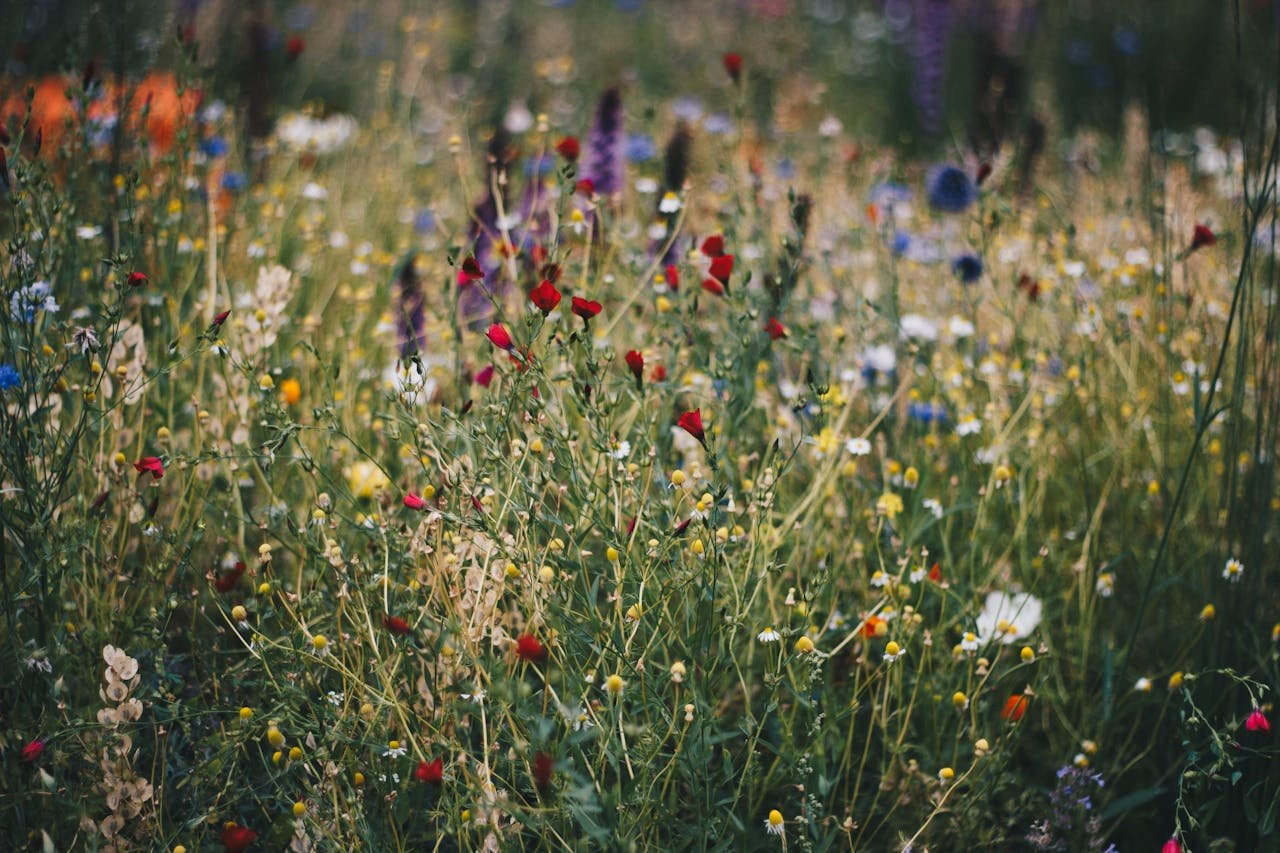
Hong Kong florist known for luxury flower bouquets
Discover a premium selection of seasonal floral arrangements for flower delivery across Hong Kong Island, Kowloon and New Territories
以奢華花束聞名的香港花店
探索香港島、九龍和新界送花的精選季節性插花
Premium flower delivery Hong Kong
When the special occasion calls for luxury blooms, you can’t go wrong with Petal & Poem. Our seasonal range of flower bouquets are crafted from the finest blooms by our master florists.
優質鮮花遞送。 當特殊場合需要奢華花朵時,Petal & Poem 絕對不會出錯。我們的季節性花束系列由我們的花藝大師採用最優質的花朵精心製作。


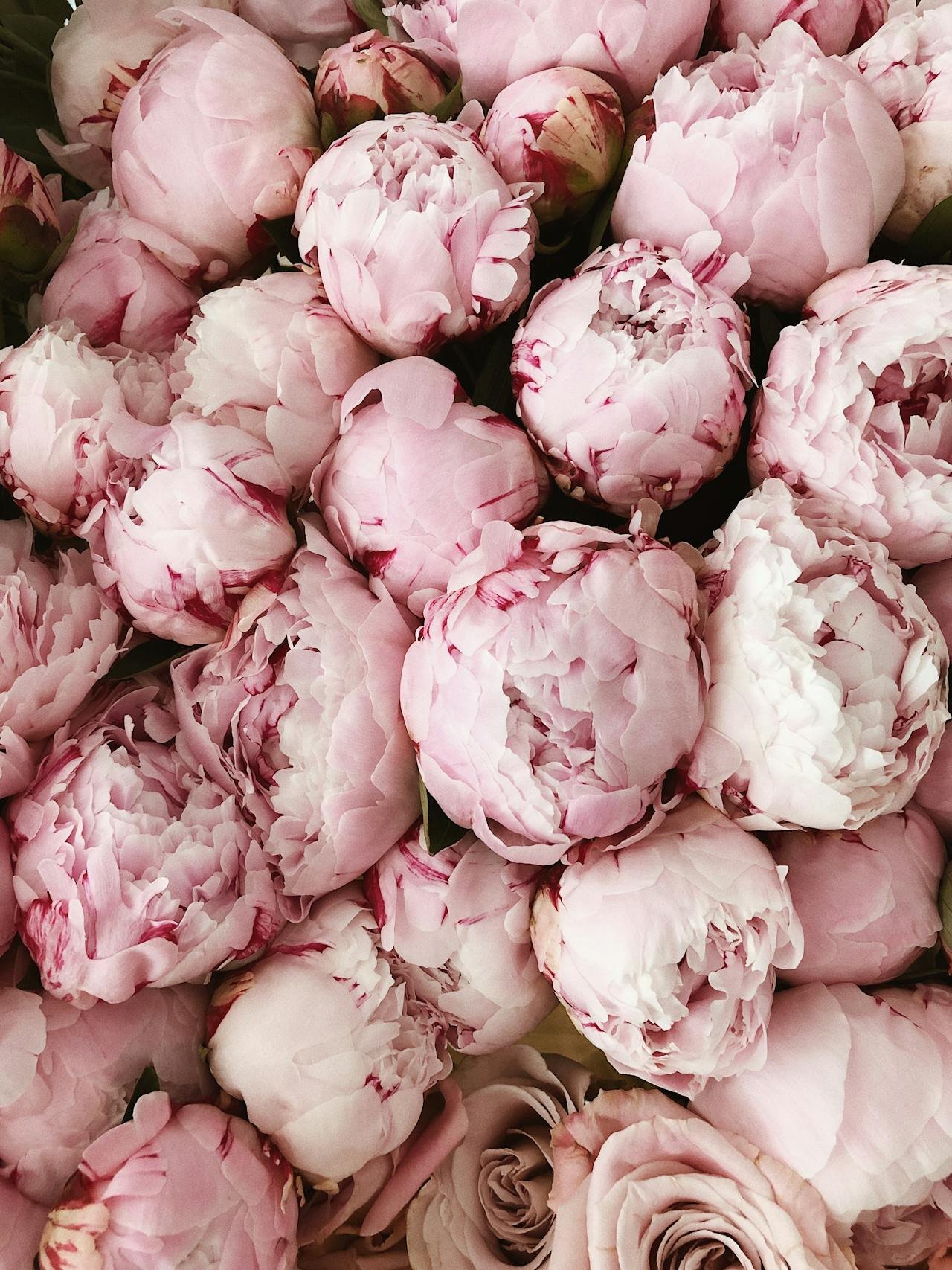
Explore flower arrangements that are created by our award-winning florists

HK Florist

DELIVERY

Workshops
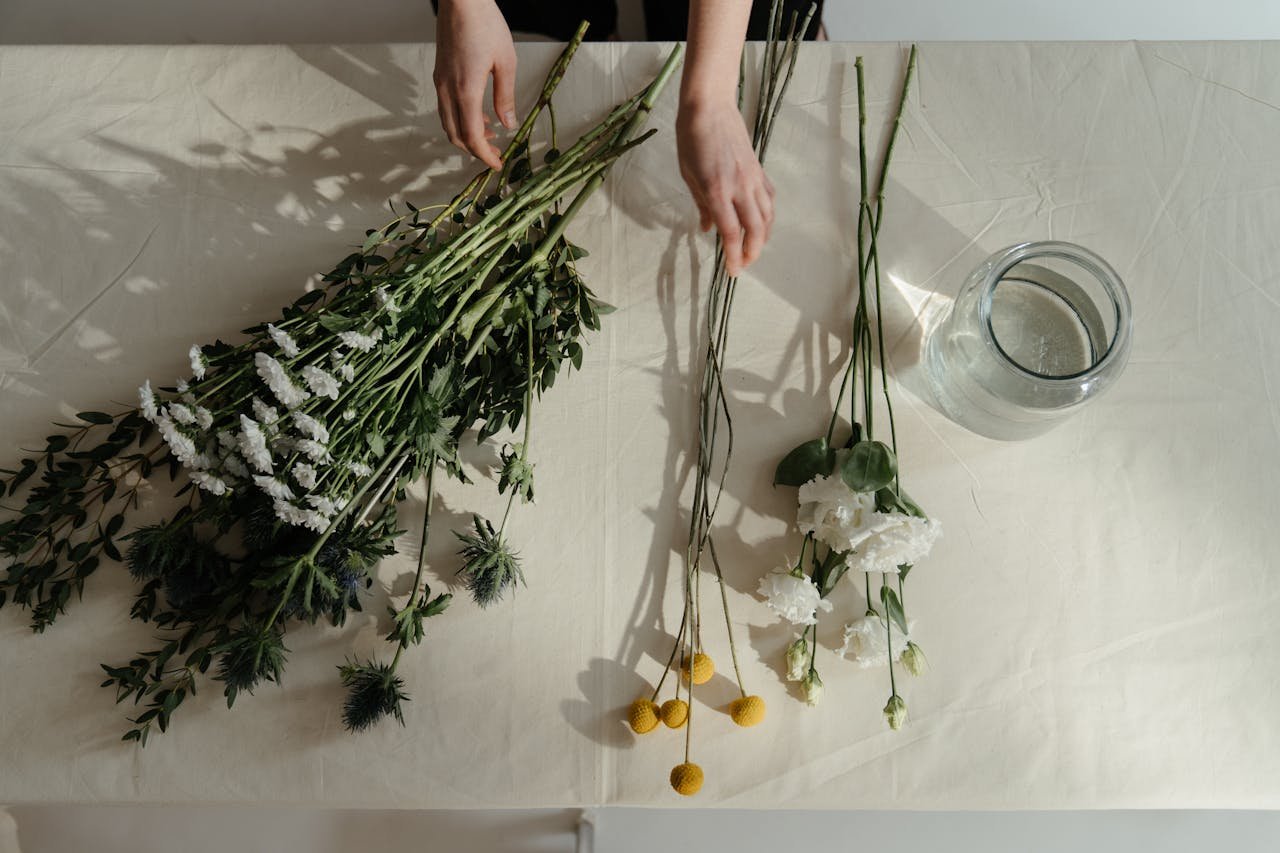
Learn from our master florists at one of our exclusive Hong Kong flower workshops
Florist’s Choice bouquet.
When you are stuck on what flowers to get for a special occasion, let our florists create some extraordinary using the freshest and finest flowers on the day.

How to Create a Flower-Inspired Capsule Wardrobe
A capsule wardrobe is a curated collection of essential clothing items that can be mixed and matched to create a variety of outfits. When infused with a floral theme, it becomes a celebration of nature, color, and personal style. A flower-inspired capsule wardrobe is perfect for those who love the beauty of blooms and want to incorporate their elegance into everyday fashion. Here’s how to create a floral-themed capsule wardrobe that’s both stylish and versatile.
Start with a Color Palette Inspired by Nature
The foundation of any capsule wardrobe is a cohesive color palette. For a flower-inspired wardrobe, draw inspiration from nature’s hues. Think soft pastels like blush pink, lavender, and mint green, or bold shades like sunflower yellow, rose red, and deep violet. Neutral tones like ivory, beige, and olive green can serve as a base to balance the brighter floral accents.
Choose Floral Prints as Statement Pieces
Incorporate floral prints into your wardrobe through key pieces like dresses, blouses, or skirts. Opt for timeless patterns like delicate daisies, romantic roses, or tropical blooms. To keep the look modern, pair bold floral prints with solid-colored items. For example, a floral midi skirt can be paired with a neutral top, or a floral blouse can be matched with tailored trousers.
Add Subtle Floral Accents
If bold prints aren’t your style, consider subtle floral accents. Look for clothing with embroidered flowers, floral lace details, or accessories like scarves, bags, or shoes with floral motifs. These small touches can add a touch of whimsy without overwhelming your outfit.
Invest in Versatile Basics
A capsule wardrobe thrives on versatility. Include classic basics like a white button-down shirt, a tailored blazer, and well-fitted jeans. These pieces can be paired with floral items to create balanced, chic looks. For example, a floral skirt paired with a crisp white shirt creates a polished yet playful ensemble.
Layer with Floral-Inspired Outerwear
Outerwear is a great way to incorporate floral themes into your wardrobe. Consider a floral trench coat, a lightweight kimono with botanical prints, or a cardigan with embroidered flowers. These pieces can add a pop of color and pattern to simpler outfits.
Accessorize with Floral Jewelry and Hairpieces
Accessories are an easy way to embrace the floral trend. Look for earrings, necklaces, or rings shaped like flowers, or choose hair accessories like floral headbands or clips. These small details can tie your outfit together and add a touch of elegance.
Choose Footwear with Floral Touches
Complete your flower-inspired wardrobe with footwear that complements the theme. Opt for shoes with floral prints, embroidered details, or even subtle floral-shaped embellishments. Ballet flats, sneakers, or ankle boots with floral accents can add a playful yet sophisticated touch to your look.
Incorporate Floral Fragrances
While not part of the wardrobe itself, a floral fragrance can enhance the overall theme. Choose perfumes with notes of rose, jasmine, or peony to complete your flower-inspired aesthetic.
Mix and Match for Endless Outfits
The beauty of a capsule wardrobe lies in its versatility. Experiment with mixing floral pieces with solid colors, layering different textures, and combining casual and formal items. For example, pair a floral blouse with tailored trousers for work, or dress it down with jeans for a casual outing.
Rotate Seasonally for Fresh Inspiration
To keep your flower-inspired capsule wardrobe fresh, rotate items seasonally. In spring and summer, focus on lightweight fabrics and bright, cheerful prints. In fall and winter, opt for richer colors like deep reds, purples, and greens, and incorporate floral patterns through scarves, sweaters, or coats.
Top florist tips
Creating a flower-inspired capsule wardrobe is a delightful way to bring the beauty of nature into your everyday style. By combining timeless basics with floral prints and accents, you can build a versatile wardrobe that reflects your love for blooms. Whether you prefer bold patterns or subtle touches, a floral-themed capsule wardrobe allows you to express your creativity while staying effortlessly chic. So, embrace the power of petals and let your wardrobe bloom!
全球農曆新年慶祝指南

Celebrate with the opulence of our seasonal bouquet, a stunning arrangement that radiates luck and prosperity. This exquisite bouquet features a harmonious blend of festive reds and regal purples, symbolizing good fortune, longevity, and joyous celebration for the year ahead.
Flower variety may differ according to seasonality, but will always be of similar style, quality and value.
:: Mini bouquet measures approximately 15cm in diameter
:: Small bouquet measures approximately 25cm in diameter
:: Medium bouquet measures approximately 30cm in diameter
:: Large bouquet measures approximately 35cm in diameter
:: Extra Large bouquet measures approximately 40cm in diameter
Image represents Large size
You can add a glass vase to your order here
農曆新年,又稱春節或中國新年,是全球數百萬人共同慶祝的重要節日。以農曆為基準,它標誌著新年的開始,根據月亮的週期計算日期。雖然農曆新年的起源與中國文化密切相關,但許多國家和地區都有自己獨特的慶祝方式。以下是關於世界各地農曆新年慶祝活動的介紹。
1. 中國:春節
概述
時間:農曆正月初一,通常在1月底或2月初。
持續時間:15天,最後一天為元宵節。
傳統
團圓飯:節日從年夜飯開始,常見菜餚包括餃子、魚和年糕。
紅包:長輩向孩子派發紅包(壓歲錢)以祈求好運。
煙花與舞獅:放煙花和舞獅表演用於驅邪避兇。
裝飾:家中裝飾紅色對聯、剪紙和春聯。
元宵節:第15天,人們點亮燈籠並參與燈會活動。
2. 越南:越南新年(Tết Nguyên Đán,簡稱 Tết)
概述
時間:與中國新年同步。
持續時間:7天,準備工作通常提前幾週開始。
傳統
祖先崇拜:家庭清潔與裝飾祖先的祭壇,並進行祈禱。
特色美食:特製菜餚如越南粽(bánh chưng)和醃製蔬菜。
利是:長輩向小輩派發紅包(lì xì),寓意好運。
裝飾:桃花和金橘樹象徵幸運與繁榮。
舞獅:表演用於驅邪避兇。
3. 韓國:韓國新年(Seollal)
概述
時間:農曆新年,通常為3天的假期。
持續時間:前一天、當天及後一天。
傳統
祭祀(Charye):家庭舉行儀式祭拜祖先,並準備供品。
穿韓服:人們穿著傳統韓服慶祝節日。
年糕湯(Tteokguk):食用這道年糕湯象徵“長一歲”。
傳統遊戲:如韓國傳統擲柶戲(yutnori),還有放風箏活動。
禮物交換:人們互相贈送食物或現金禮品。
4. 日本:正月(Oshōgatsu,歷史上的農曆新年)
注意:日本自1873年採用公曆後,不再慶祝農曆新年。
影響:現代新年(1月1日)的清掃房屋、家人聚餐、參拜寺廟等習俗,仍保留部分農曆新年的傳統。
5. 馬來西亞與新加坡
概述
時間:與中國新年同步,並作為法定假日。
持續時間:15天。
傳統
團圓飯:年夜飯是家庭團聚的重要時刻。
撈魚生(Lou Hei/Yee Sang):獨特的習俗,大家攪拌一道五顏六色的沙拉,同時高呼祝福語。
妝藝大遊行(Chingay Parade):新加坡舉行的大型遊行,包括花車、舞獅與煙火表演。
開放日(Open Houses):人們開放家門迎接訪客,促進社區聯繫。
6. 印尼
時間:農曆新年在當地被稱為“Imlek”。
傳統:
家庭到寺廟祈福。
華人社區張燈結綵,紅燈籠隨處可見。
分享傳統美食如月餅和米飯類菜餚。
地方特色:非華裔印尼人也常參與其中,體現印尼文化的多樣性。
7. 菲律賓
概述
當地的華裔社區慶祝農曆新年,稱為“FilChi”。
傳統:
舉行舞龍舞獅表演與煙花活動。
傳統中國菜如炒麵(象徵長壽)與菲律賓菜並存。
家庭互贈年糕(tikoy),象徵團結與吉祥。
8. 蒙古:白月(Tsagaan Sar)
概述
時間:農曆新年,通常在1月底或2月初。
持續時間:主要慶祝3天,家族拜訪可持續數週。
傳統
祖先敬拜:家庭準備供品祭祖。
特色美食:餃子、羊肉及奶製品是主要食品。
問候語:傳統問候語是“Amar baina uu?”(您過得平安嗎?)。
長者敬禮:以獻上哈達(Khadag)表達敬意。
9. 西藏:藏曆新年(Losar)
概述
時間:農曆新年,慶祝長達15天。
傳統:
打掃與裝飾房屋,增添吉祥符號。
家庭準備青稞酒、酥油茶及炸糕(Khapse)。
僧院舉行祈禱儀式與面具舞蹈。
10. 西方城市
在舊金山、倫敦、悉尼與溫哥華等地,當地的華人與其他東亞社區舉辦盛大的遊行、節慶與文化展演活動。
全球慶祝的共同主題
家庭團聚:與親人共度時光是農曆新年的核心。
美食:特製菜餚象徵繁榮、長壽與幸福。
吉祥與財運:紅色裝飾、紅包及儀式都旨在迎接好運。
清潔與更新:打掃房屋象徵掃除厄運,迎接新年。
給外國人與旅客的建議
學些基本用語:如“恭喜發財”(普通話)或“恭喜發財”(廣東話)。
積極參與:參加當地遊行或嘗試傳統美食,融入節日氛圍。
尊重習俗:若受邀參加家庭聚會,可帶上禮物(如水果或甜點)並穿著得體。
農曆新年是一個美好的節日,象徵著更新、感恩與希望,將不同文化與世代的人們聯繫在一起。
A Guide to Lunar New Year Celebrations Around the World
The Lunar New Year, also known as the Spring Festival or Chinese New Year, is celebrated by millions of people worldwide. Rooted in the lunar calendar, this festive occasion marks the beginning of the year based on the cycles of the moon. While its origins are tied to Chinese culture, many other countries and regions celebrate it with their own unique traditions. Here’s an exploration of how Lunar New Year is celebrated across the globe.
1. China: The Spring Festival
Overview
When: The first day of the lunar calendar, usually in late January or early February.
Duration: 15 days, culminating in the Lantern Festival.
Traditions
Family Reunion: The festival begins with a family reunion dinner, often featuring dumplings, fish, and rice cakes.
Red Envelopes: Elders give children red envelopes (hongbao) filled with money for good fortune.
Fireworks and Lion Dances: Firecrackers and lion dances are performed to ward off evil spirits.
Decorations: Homes are adorned with red banners, paper cutouts, and couplets.
Lantern Festival: On the 15th day, people release lanterns into the sky or display them in processions.
2. Vietnam: Tết Nguyên Đán (Tết)
Overview
When: Coincides with Chinese New Year.
Duration: 7 days, though preparations begin weeks in advance.
Traditions
Ancestor Worship: Families clean and decorate ancestor altars and offer prayers.
Food: Special dishes like bánh chưng (sticky rice cakes) and pickled vegetables are prepared.
Lucky Money: Children receive "lì xì" (red envelopes) for prosperity.
Peach Blossoms and Kumquat Trees: Homes are decorated with these symbols of luck and growth.
Lion Dances: Performances are held to drive away evil spirits.
3. South Korea: Seollal
Overview
When: Lunar New Year’s Day, typically a 3-day holiday.
Duration: 3 days (day before, day of, and day after).
Traditions
Charye (Ancestral Rites): Families gather to pay respects to ancestors by preparing food offerings.
Hanbok: Traditional Korean clothing is often worn.
Tteokguk: Eating this rice cake soup symbolizes gaining a year in age.
Games: People play traditional games like yutnori (a board game) and fly kites.
Gift-Giving: Families exchange gifts, often food or cash.
4. Japan: Oshōgatsu (Historically Lunar New Year)
Note: Japan adopted the Gregorian calendar in 1873, so Lunar New Year is no longer an official holiday.
Influence: Traditional practices like cleaning the house, family meals, and temple visits during modern New Year (January 1st) still reflect old Lunar New Year customs.
5. Malaysia and Singapore
Overview
When: Same as Chinese New Year, but celebrated as a public holiday in multicultural societies.
Duration: 15 days.
Traditions
Reunion Dinners: Families enjoy meals together on Lunar New Year’s Eve.
Lou Hei/Yee Sang: A unique practice in Malaysia and Singapore, families toss a colorful salad while shouting blessings for prosperity.
Chingay Parade: Singapore hosts vibrant parades with floats, lion dances, and fireworks.
Open Houses: People host guests in their homes, fostering community spirit.
6. Indonesia
When: Known as "Imlek," it coincides with Chinese New Year.
Traditions:
Families visit temples to pray for blessings.
Red decorations and lanterns are prominent in Chinese communities.
Traditional foods like mooncakes and rice dishes are shared.
Local Twist: Non-Chinese Indonesians often join the celebrations, reflecting Indonesia’s diverse culture.
7. The Philippines
Overview
Celebrated by the Filipino-Chinese community, known as "FilChi."
Traditions:
Dragon dances and fireworks are common.
Filipino dishes like pancit (noodles) are prepared alongside traditional Chinese foods.
Families exchange tikoy (sticky rice cake) as a symbol of unity and good fortune.
8. Mongolia: Tsagaan Sar (White Moon)
Overview
When: Lunar New Year, typically in late January or February.
Duration: 3 days of main celebrations, with extended family visits over several weeks.
Traditions
Ancestral Honoring: Families prepare offerings for ancestors.
Food: Dumplings, mutton, and dairy products are staples.
Greetings: The traditional greeting is "Amar baina uu?" (Are you living peacefully?).
Elders: Respect is shown by presenting them with ceremonial scarves (khadag).
9. Tibet: Losar
Overview
When: Lunar New Year, celebrated for 15 days.
Traditions:
Homes are cleaned and decorated with auspicious symbols.
Families prepare barley wine, butter tea, and khapse (deep-fried pastries).
Monasteries host elaborate rituals, prayers, and masked dances.
10. Western Celebrations
In cities like San Francisco, London, Sydney, and Vancouver, Lunar New Year is celebrated by Chinese and other East Asian communities with parades, festivals, and cultural showcases.
Common Themes Across Cultures
Family and Togetherness: Reuniting with loved ones is central to Lunar New Year.
Food: Special dishes symbolize prosperity, longevity, and happiness.
Luck and Prosperity: Red decorations, envelopes, and rituals aim to invite good fortune.
Cleaning and Renewal: Homes are cleaned to sweep away bad luck and welcome the new year.
Tips for Expats and Travelers
Learn the Basics: Familiarize yourself with key greetings like “Gong Xi Fa Cai” (Mandarin) or “Gong Hei Fat Choi” (Cantonese).
Participate: Join local parades or try traditional foods to immerse yourself in the culture.
Be Respectful: If invited to a family celebration, bring a gift (like fruits or sweets) and dress modestly.
Lunar New Year is a beautiful celebration of renewal, gratitude, and hope, connecting people across cultures and generations.
A Guide to Proportion Theory in Floristry

Inspired by the vibrant hues of tangerine oranges, this exquisite bouquet captures the essence of freshness and joy. Bursting with bright orange blooms accented by lush green foliage, this sun-kissed bouquet is a stunning arrangement that brings a touch of zest and elegance to any space. Whether as a gift to celebrate a special occasion or to brighten up your own surroundings, this bouquet is a beautiful choice that is sure to leave a lasting impression.
Proceed to checkout to choose a Delivery Date and write a Message Card.
Flower variety may differ according to seasonality, but will always be of similar style, quality and value.
:: Mini bouquet measures approximately 15cm in diameter
:: Small bouquet measures approximately 25cm in diameter
:: Medium bouquet measures approximately 30cm in diameter
:: Large bouquet measures approximately 35cm in diameter
:: Extra Large bouquet measures approximately 40cm in diameter
Image represents Extra Large size
You can add a glass vase to your order here
Proportion is one of the fundamental principles of design in floristry, ensuring that arrangements are visually balanced and harmonious. It involves the relationship between the sizes of different elements within a design, including flowers, foliage, containers, and the surrounding space. Understanding and applying proportion theory can elevate your floral arrangements, making them more aesthetically pleasing and impactful. Here’s a comprehensive florist guide to mastering proportion in floristry:
What is Proportion in Floristry?
Proportion refers to the size relationship between the components of a floral arrangement and their surroundings. It ensures that no single element overwhelms the design and that all parts work together cohesively. Proportion is closely tied to scale, which deals with the size of the arrangement relative to its environment.
Key Principles of Proportion
1. The Golden Ratio (1:1.618)
The golden ratio is a mathematical principle often used in art and design to create visually pleasing compositions. In floristry, it can be applied to determine the ideal height and width of an arrangement.
- How to Apply:
- For a vase arrangement, the total height of the design (flowers + vase) should be approximately 1.5 times the height of the vase.
- For a centerpiece, the width should be about 1.5 times the height to maintain balance.
2. The Rule of Thirds
The rule of thirds divides a design into three equal parts, both vertically and horizontally. Placing key elements at the intersections of these lines creates a balanced and dynamic composition.
- How to Apply:
- Divide your arrangement into three sections: base, middle, and top.
- Place focal flowers or larger blooms at the intersections to draw the eye.
3. Size Relationships Between Elements
The size of flowers, foliage, and accessories should complement each other and the container.
- How to Apply:
- Use larger blooms as focal points and smaller flowers as fillers.
- Ensure foliage is proportionate to the flowers—neither too large nor too small.
4. Container Proportion
The container should harmonize with the arrangement in terms of size, shape, and color.
- How to Apply:
- Tall vases suit long-stemmed flowers, while low, wide containers are ideal for compact arrangements.
- Avoid using a container that overpowers the flowers or vice versa.
5. Negative Space
Negative space, or the empty areas in a design, is just as important as the flowers themselves. Proper use of negative space ensures the arrangement doesn’t feel overcrowded.
- How to Apply:
- Allow gaps between flowers to create a sense of movement and breathability.
- Use foliage to frame the arrangement and enhance its proportions.
Practical Tips for Applying Proportion
1. Consider the Setting
The size of the arrangement should suit its environment. A large, dramatic piece works well in a spacious room, while a small, delicate arrangement is better for intimate settings.
- Example: A grand entrance hall calls for a tall, statement arrangement, while a dining table requires a low centerpiece that doesn’t obstruct views.
2. Balance Height and Width
A well-proportioned arrangement balances height and width. Tall, narrow designs can feel unstable, while overly wide arrangements may appear squat.
- Tip: Use the golden ratio to determine the ideal height-to-width ratio for your design.
3. Use Focal Flowers Wisely
Focal flowers, such as roses or lilies, should be proportionate to the rest of the arrangement. Avoid using too many large blooms, as they can overwhelm the design.
- Tip: Place focal flowers at the center or slightly off-center to create visual interest.
4. Scale Foliage Appropriately
Foliage should complement the flowers, not overshadow them. Use larger leaves for bigger arrangements and smaller leaves for delicate designs.
- Tip: Trim foliage to ensure it doesn’t dominate the arrangement.
5. Test and Adjust
Proportion is often a matter of trial and error. Step back and assess your arrangement from different angles to ensure it feels balanced.
- Tip: Use a mirror to view your design from multiple perspectives.
Common Proportion Mistakes to Avoid
- Overcrowding: Too many flowers can make the arrangement feel cluttered.
- Ignoring the Container: A mismatched container can throw off the entire design.
- Disregarding the Setting: An arrangement that’s too large or too small for its environment will look out of place.
- Neglecting Negative Space: Failing to leave enough empty space can make the design feel heavy.
Examples of Proportion in Floristry
1. Tall Arrangements
- Ideal for: Entryways, church altars, or large event spaces.
- Proportion Tips: Use tall vases and long-stemmed flowers like delphiniums or gladioli. Ensure the height is balanced with the width.
2. Low Arrangements
- Ideal for: Dining tables, coffee tables, or small spaces.
- Proportion Tips: Use shallow containers and compact flowers like roses or carnations. Keep the height low to avoid obstructing views.
3. Round Arrangements
- Ideal for: Centerpieces or gift bouquets.
- Proportion Tips: Ensure the diameter of the arrangement is proportionate to the container. Use a mix of focal flowers and fillers for balance.
Mastering proportion in floristry is essential for creating arrangements that are visually appealing and harmonious. By understanding the principles of proportion, such as the golden ratio and the rule of thirds, and applying practical tips, you can elevate your designs and ensure they suit their intended settings. Remember, proportion is not just about size—it’s about creating a sense of balance and unity in your floral creations.
Height Theory in Floristry

A captivating arrangement that embodies the essence of nature’s untamed beauty. This stunning bouquet features a harmonious blend of delicate pink blooms and striking coral accents, artfully wild and free-flowing in design.
Proceed to checkout to choose a Delivery Date and write a Message Card.
Flower variety may differ according to seasonality, but will always be of similar style, quality and value.
:: Mini bouquet measures approximately 15cm in diameter
:: Small bouquet measures approximately 25cm in diameter
:: Medium bouquet measures approximately 30cm in diameter
:: Large bouquet measures approximately 35cm in diameter
:: Extra Large bouquet measures approximately 40cm in diameter
Image represents Large size
You can add a glass vase to your order here
Height theory in floristry is a fundamental principle used to create visually appealing and well-proportioned floral arrangements. This concept revolves around the careful consideration of the height of flowers and foliage in relation to the container and the overall design. Understanding and applying height theory helps florists craft arrangements that are balanced, harmonious, and aesthetically pleasing.
Key Elements of Height Theory in Floristry
Proportion and Scale
Height theory emphasizes the proportional relationship between the arrangement and its container. A common guideline is that the height of the arrangement should be 1.5 to 2 times the height (or width, for wider containers) of the container. This ensures that the design looks balanced and avoids appearing either too top-heavy or too understated.Focal Point Consideration
The height of flowers is often used to direct attention to the arrangement's focal point. Taller elements are typically positioned centrally or at a strategic angle to draw the eye upward and create movement within the design.Visual Balance
Height variations are crucial for maintaining balance within the arrangement. While tall stems add drama and elegance, shorter flowers and foliage provide grounding and structure. Proper height distribution prevents the design from feeling lopsided or chaotic.Design Styles and Height
Traditional Styles: Traditional arrangements often adhere to strict height rules, emphasizing symmetry and proportion.
Modern/Contemporary Styles: Modern designs might intentionally break height rules, using exaggerated heights or minimal elements to create striking, avant-garde arrangements.
Flower Placement and Line
The height of each flower affects the arrangement’s line and flow. Tall flowers like delphiniums or gladioli are often used to establish vertical movement, while shorter blooms like roses or hydrangeas fill the middle and lower sections.Occasion-Specific Height Adjustments
The event or purpose of the arrangement can influence height choices. For example:Table Centerpieces: These typically require lower heights to avoid obstructing views.
Event Installations: Tall arrangements may be used for dramatic impact in venues with high ceilings.
Techniques for Applying Height Theory
Layering and Depth
Use flowers of varying heights to create layers within the arrangement. Taller stems are placed at the back or center, while shorter blooms are positioned at the forefront to achieve depth and dimension.Gradual Transitions
Avoid abrupt changes in height. Gradual transitions between tall and short elements create a smoother and more natural appearance.Using Floral Mechanics
Tools like floral foam, chicken wire, or armatures help secure stems at varying heights, ensuring stability and the desired aesthetic.Experimentation and Creativity
While guidelines provide structure, experimenting with height can lead to unique designs. Creativity and an understanding of the client's preferences or the setting’s requirements can inspire variations.
Height Theory in Practice
A floral arrangement for a wedding altar, for instance, might use tall stems like lilies or snapdragons to create a sense of grandeur, supported by medium-height flowers like roses and accentuated with cascading greenery. Conversely, a casual tabletop arrangement might feature shorter flowers, ensuring practicality and ease of conversation among guests.
Height theory in floristry serves as both a technical guideline and a creative tool. By mastering this principle, florists can craft arrangements that not only fit the intended purpose but also evoke emotion, enhance spaces, and leave lasting impressions.
A Guide to the Best Flower Glass Houses Around the World
Flower glass houses, or conservatories, are architectural marvels that combine stunning design with the beauty of nature. These structures house diverse plant collections, often including rare and exotic flowers, and provide a unique opportunity to experience flora from around the world in one place. Here’s a florist guide to some of the most breathtaking flower glass houses you can visit globally:
1. Kew Gardens – Princess of Wales Conservatory (London, UK)
The Princess of Wales Conservatory at Kew Gardens is a masterpiece of modern glasshouse design. It features ten distinct climate zones, showcasing everything from tropical orchids to arid desert succulents. The glass pyramid structure allows natural light to flood the interior, creating an ideal environment for plant growth.
- Highlight: The orchid collection, with its vibrant colors and intricate blooms, is a must-see.
- Best Time to Visit: Spring and summer for peak flowering displays.
2. Eden Project (Cornwall, UK)
The Eden Project is a world-renowned ecological park housed in massive biomes made of hexagonal and pentagonal glass panels. The Tropical Biome is home to lush rainforests and exotic flowers, while the Mediterranean Biome features plants from warmer climates, including vibrant blooms like bougainvillea and hibiscus.
- Highlight: The Flower Dome, which replicates mild, dry climates, is filled with seasonal floral displays.
- Best Time to Visit: Year-round, but spring and summer offer the most vibrant blooms.
3. Singapore Botanic Gardens – The Glasshouse (Singapore)
The Glasshouse at Singapore Botanic Gardens is a tropical paradise, featuring a humid climate perfect for orchids, pitcher plants, and other exotic flowers. The glass structure is designed to mimic a tropical rainforest, offering visitors an immersive experience.
- Highlight: The National Orchid Garden, located within the Glasshouse, boasts over 1,000 species and 2,000 hybrids of orchids.
- Best Time to Visit: Year-round, with peak orchid displays in spring.
4. Missouri Botanical Garden – Climatron (St. Louis, USA)
The Climatron is a geodesic dome greenhouse that houses a lush rainforest ecosystem. It features a stunning collection of tropical flowers, including bromeliads, anthuriums, and rare orchids. The innovative climate control system ensures optimal conditions for plant growth.
- Highlight: The waterfall and surrounding tropical blooms create a serene, otherworldly atmosphere.
- Best Time to Visit: Spring and summer for the most vibrant displays.
5. National Botanic Garden of Wales – Great Glasshouse (Wales, UK)
The Great Glasshouse is the largest single-span glasshouse in the world, housing Mediterranean climate-zone plants. It features a stunning array of flowers, including geraniums, echiums, and dragon trees. The glasshouse is designed to blend seamlessly with its natural surroundings.
- Highlight: The echiums, with their towering flower spikes, are a breathtaking sight in spring.
- Best Time to Visit: Spring for the peak bloom of Mediterranean flowers.
6. Longwood Gardens – Conservatory (Pennsylvania, USA)
Longwood Gardens’ Conservatory is a grand space featuring seasonal flower displays, including orchids, chrysanthemums, and tropical blooms. The glasshouse is known for its stunning architecture and meticulously curated plant collections.
- Highlight: The annual Orchid Extravaganza, held in winter, showcases thousands of orchids in creative displays.
- Best Time to Visit: Winter for the Orchid Extravaganza or spring for seasonal blooms.
7. Gardens by the Bay – Flower Dome (Singapore)
The Flower Dome at Gardens by the Bay is one of the largest glass greenhouses in the world. It replicates a cool, dry climate and features seasonal floral displays, including tulips, cherry blossoms, and succulents. The dome’s innovative design allows for year-round flower shows.
- Highlight: The seasonal flower festivals, such as the Tulipmania and Sakura displays, are a visual feast.
- Best Time to Visit: Year-round, with seasonal festivals offering unique displays.
8. Royal Botanic Gardens Edinburgh – Glasshouses (Edinburgh, UK)
The Royal Botanic Gardens Edinburgh features a collection of 28 glasshouses, each housing different plant species. The Tropical Palm House and the Orchid and Cycad House are particularly notable for their stunning flower displays.
- Highlight: The Victorian-era Palm House, with its towering palms and vibrant tropical flowers, is a must-see.
- Best Time to Visit: Spring and summer for the most vibrant blooms.
9. Barcelona Botanical Garden – Glasshouse (Barcelona, Spain)
The Barcelona Botanical Garden’s glasshouse is a modern architectural gem, housing Mediterranean plants and flowers. The glass panels regulate temperature and humidity, creating an ideal environment for plant growth.
- Highlight: The collection of Mediterranean blooms, including lavender and rosemary, is both beautiful and aromatic.
- Best Time to Visit: Spring for the peak bloom of Mediterranean flowers.
10. Shanghai Chenshan Botanical Garden – Glasshouses (Shanghai, China)
The Chenshan Botanical Garden features three stunning glasshouses, each replicating different climates. The Tropical Plant House is particularly impressive, with its towering palms and vibrant tropical flowers.
- Highlight: The cactus and succulent collection in the Desert Plant House is a unique and fascinating display.
- Best Time to Visit: Spring and summer for the most vibrant blooms.
Tips for Visiting Flower Glass Houses
1. Check Seasonal Displays: Many glasshouses host seasonal flower festivals or special exhibits, so plan your visit accordingly.
2. Photography Tips: Bring a camera with a macro lens to capture the intricate details of flowers.
3. Guided Tours: Opt for guided tours to learn more about the plants and their ecosystems.
4. Conservation Efforts: Support conservation initiatives by visiting glasshouses that focus on preserving rare and endangered species.
Flower glass houses are not just architectural wonders but also sanctuaries for some of the world’s most beautiful and rare blooms. Whether you’re a plant enthusiast or simply looking for a serene escape, these glasshouses offer an unforgettable experience. For more detailed information, refer to the sources cited above or explore the official websites of these gardens.
A Guide to the Best Places Around the World to See Wild Roses
Wild roses, with their delicate blooms and untamed beauty, thrive in diverse habitats across the globe. Unlike their cultivated counterparts, wild roses are deeply connected to their ecosystems, offering a glimpse into the natural origins of this beloved flower. Here’s a guide to the best places to experience wild roses in their native environments, along with tips for making the most of your visit.
1. Caucasus Mountains (Georgia, Armenia, Azerbaijan, Russia)
The Caucasus region is a biodiversity hotspot and one of the primary centers of rose diversity. Wild rose species like Rosa canina (dog rose) and Rosa gallica (Gallic rose) flourish in mountainous meadows and forest edges.
- Best Locations: Lagodekhi National Park (Georgia), Mount Ararat foothills (Turkey), Sochi National Park (Russia)
- Best Time to Visit: May to June, during peak blooming season.
2. Rocky Mountains (USA and Canada)
North America’s wild roses, such as Rosa woodsii (Wood’s rose) and Rosa nutkana (Nootka rose), thrive in meadows, along streams, and in forest clearings.
- Best Locations: Glacier National Park (Montana, USA), Banff and Jasper National Parks (Alberta, Canada), Rocky Mountain National Park (Colorado, USA)
- Best Time to Visit: May to July, when the roses are in full bloom.
3. Icelandic Highlands
Iceland’s rugged landscapes are home to hardy wild roses like Rosa rugosa (rugosa rose), which thrive in volcanic soils and coastal areas.
- Best Locations: Reykjanes Peninsula, Skaftafell Nature Reserve, Snæfellsnes Peninsula
- Best Time to Visit: July to August, when the roses are at their peak.
4. Himalayas (India, Nepal, Bhutan)
The Himalayan foothills and valleys host unique wild roses like Rosa sericea (silky rose), adapted to high-altitude conditions.
- Best Locations: Valley of Flowers National Park (India), Paro Valley (Bhutan), Annapurna Region (Nepal)
- Best Time to Visit: May to June, during the blooming season.
5. English Countryside
England’s hedgerows and meadows are home to wild rose species like Rosa arvensis (field rose) and Rosa canina (dog rose), often seen climbing through ancient woodlands.
- Best Locations: Cotswolds, Peak District National Park, Lake District National Park
- Best Time to Visit: May to June, when the roses are in bloom.
6. Deserts of the American Southwest
The desert-dwelling Rosa stellata (desert rose) is a tough, low-growing species that thrives in arid climates, offering a unique contrast to its more delicate relatives.
- Best Locations: Big Bend National Park (Texas, USA), Sonoran Desert (Arizona, USA), Mojave Desert (California, USA)
- Best Time to Visit: April to May, during the spring bloom.
7. Balkan Peninsula
The Balkans are known for their wild roses, especially Rosa damascena, historically used in perfume and essential oil production.
- Best Locations: Rose Valley (Bulgaria), Pelister National Park (North Macedonia), Durmitor National Park (Montenegro)
- Best Time to Visit: May to June, during the early summer bloom.
8. Japanese Mountains and Countryside
Japan’s native wild roses, such as Rosa multiflora, bloom profusely in mountainous areas, offering cascades of white flowers.
- Best Locations: Mount Fuji foothills, Hokkaido flower fields, Nikko National Park
- Best Time to Visit: June to July, during the early summer bloom.
9. Siberian Wilderness
Siberia’s rugged landscapes are home to cold-tolerant wild rose species like Rosa acicularis (prickly rose), known for its vibrant pink flowers and edible hips.
- Best Locations: Lake Baikal region, Altai Mountains, Yakutia tundra
- Best Time to Visit: June to August, during the summer bloom.
10. South American Andes
The Andes host rare rose species adapted to high-altitude conditions, where the blooms thrive in temperate climates.
- Best Locations: Torres del Paine National Park (Chile), Cotopaxi National Park (Ecuador), Sacred Valley (Peru)
- Best Time to Visit: November to January, during the Southern Hemisphere’s summer.
Tips for Observing Wild Roses
1. Learn to Identify: Wild roses often have five petals and thorny stems, distinguishing them from cultivated varieties.
2. Photography Gear: Bring a macro lens or smartphone with a good camera to capture the intricate details.
3. Respect Conservation Efforts: Some wild rose species are rare or endangered, so avoid disturbing their habitat.
4. Check Seasonal Conditions: Plan your visit during the local blooming season for the best experience.
Exploring the native habitats of wild roses is an enriching way to deepen your appreciation of these iconic flowers and their fascinating origins. Whether trekking through a desert or wandering the English countryside, these blooms are worth the journey. For more detailed information, refer to the sources cited above or explore the regions’ official tourism websites.
Guide to the Best Country Parks Around the World for Flower Lovers
For flower enthusiasts, country parks are a treasure trove of natural beauty, offering vibrant displays of wildflowers, rare blooms, and breathtaking landscapes. From alpine meadows to tropical gardens, these parks provide a perfect escape for those who want to immerse themselves in the wonders of nature. Here’s a curated florist guide to the best country parks around the world for flower lovers, complete with highlights and tips for planning your visit.
1. Aiguestortes i Estany de Sant Maurici National Park, Spain
- Highlights: Nestled in the Pyrenees, this park is famous for its alpine meadows that burst into color during late spring and summer. Notable flowers include the Pyrenean lily, wild orchids, and bellflowers.
- Best Time to Visit: May to July, when the meadows are in full bloom.
2. Great Smoky Mountains National Park, USA
- Highlights: Known as the "Wildflower National Park," it boasts over 1,500 flowering species, including trilliums, lady’s slippers, and wild phlox. The Spring Wildflower Pilgrimage (mid-March to late May) is a must-visit event.
- Best Time to Visit: Mid-March to late May for the peak wildflower season.
3. Namaqua National Park, South Africa
- Highlights: This semi-arid region transforms into a technicolor wonderland during spring, with fields of daisies, vygies (mesembs), and succulent Karoo species.
- Best Time to Visit: August to September, when the wildflowers are at their peak.
4. Cairngorms National Park, Scotland
- Highlights: Home to rare wildflowers like the Scottish primrose, marsh marigold, and heather, this park is a haven for pollinators and flower enthusiasts.
- Best Time to Visit: June to August, when the meadows are lush and vibrant.
5. Jigme Dorji National Park, Bhutan
- Highlights: This pristine Himalayan reserve features breathtaking meadows with endemic wildflowers, including Bhutan’s national flower, the blue poppy, as well as rhododendrons and gentians.
- Best Time to Visit: Late April to June, when the flowers are in full bloom.
6. Fiordland National Park, New Zealand
- Highlights: Set against dramatic mountain backdrops, this UNESCO World Heritage Site features meadows bursting with color, including the Mount Cook buttercup, alpine daisies, and New Zealand flax.
- Best Time to Visit: November to February, during the Southern Hemisphere’s summer.
7. Yellowstone National Park, USA
- Highlights: Amidst geysers and hot springs, Yellowstone’s meadows are a treasure trove of wildflowers, including Indian paintbrush, monkeyflowers, and lupines.
- Best Time to Visit: Late May to July, when the wildflowers are at their peak.
8. Taroko National Park, Taiwan
- Highlights: This lush park features wildflower meadows along its trails, with notable blooms like the Formosan lily, azaleas, and cherry blossoms.
- Best Time to Visit: March to May, during the spring bloom.
9. Val Grande National Park, Italy
- Highlights: A hidden gem in the Alps, this park is a sanctuary for wildflower enthusiasts, featuring alpine anemone, edelweiss, and wild peonies.
- Best Time to Visit: June to early August, when the alpine flowers are in bloom.
10. Kakadu National Park, Australia
- Highlights: During the wet season, Kakadu’s meadows come alive with native blooms like kapok flowers, billy buttons, and grevillea, offering a striking contrast to its rugged landscape.
- Best Time to Visit: February to April, when the wet season brings the flowers to life.
Tips for Flower Enthusiasts
- Plan Around Peak Bloom Times: Flowering periods vary based on climate and altitude, so research the best time to visit each park.
- Respect the Ecosystem: Stay on marked trails to avoid damaging delicate plants and habitats.
- Bring a Guidebook: Identifying species can enhance your appreciation of the diversity and beauty of the flowers.
- Photography Tips: Use a macro lens to capture the intricate details of blooms, and visit during early morning or late afternoon for the best lighting.
- Be Weather Prepared: Many parks are in remote or mountainous regions where weather can change suddenly, so pack accordingly.
Best florist recommendation
From the alpine meadows of Spain to the tropical blooms of Australia, these country parks offer some of the most stunning floral displays in the world. Whether you’re a casual admirer or a dedicated botanist, these destinations promise unforgettable experiences for flower lovers. So pack your camera, lace up your hiking boots, and get ready to explore nature’s most colorful masterpieces!
Guide to the Best Flowers for a Wild-Style Arrangement

The Rosewood flower bouquet captures the essence of richly hued hardwood with a harmonious blend of rich hues and intricate textures. Featuring deep burgundy, warm orange, and delicate amber, this arrangement evokes the warmth of woodland walks. The Rosewood flower bouquet is a stunning tribute to the beauty of the wilderness.
Proceed to checkout to choose a Delivery Date and write a Message Card.
Flower variety may differ according to seasonality, but will always be of similar style, quality and value.
:: Mini bouquet measures approximately 15cm in diameter
:: Small bouquet measures approximately 25cm in diameter
:: Medium bouquet measures approximately 30cm in diameter
:: Large bouquet measures approximately 35cm in diameter
:: Extra Large bouquet measures approximately 40cm in diameter
Image represents Large size
You can add a glass vase to your order here
Wild-style floral arrangements celebrate the untamed beauty of nature, emphasizing a loose, natural, and organic look. They often feature diverse textures, asymmetrical designs, and a mix of bold and delicate elements. Here's how to create the perfect wild-style arrangement and the best flowers to include.
1. Characteristics of Wild-Style Arrangements
Asymmetry: Avoid perfectly symmetrical shapes; embrace free-flowing forms.
Variety: Mix different flower types, sizes, and colors for a dynamic effect.
Textures: Combine soft blooms with spiky or wispy elements.
Greenery: Use an abundance of foliage to create a lush, untamed base.
Seasonality: Incorporate seasonal flowers and foliage for authenticity.
2. The Best Flowers for Wild-Style Arrangements
Wild-style arrangements work best with flowers that mimic the look of wild meadows or natural landscapes. Here are some top choices:
a. Large, Statement Blooms
These serve as focal points in the arrangement:
Peonies: Their full, ruffled petals add softness and drama.
Garden Roses: Provide a classic, romantic touch with a natural feel.
Dahlias: Offer bold shapes and vibrant colors.
Sunflowers: Bring a cheerful, rustic vibe.
Proteas: Add a unique and striking focal point for a modern wild look.
b. Whimsical, Airy Blooms
These add lightness and movement:
Cosmos: Delicate petals and tall, thin stems for a graceful touch.
Poppies: Bright colors and unique textures create visual interest.
Nigella (Love-in-a-Mist): Intricate flowers surrounded by feathery foliage.
Buttercups: Small, colorful blooms for a charming, carefree vibe.
c. Wildflowers
Wildflowers epitomize the wild-style look:
Queen Anne’s Lace: Adds a lace-like, airy effect.
Cornflowers: Bring pops of blue and a rustic charm.
Yarrow: Offers clusters of tiny flowers and a hint of wildness.
Chamomile: Daisy-like flowers that evoke a meadow feel.
d. Spiky or Structural Blooms
These add contrast and structure:
Delphiniums: Tall spires of flowers for vertical interest.
Eryngium (Sea Holly): Spiky blooms in silvery-blue hues.
Liatris: Tall, feathery spikes for a bold vertical element.
e. Greenery and Foliage
Greenery is essential for creating a lush, organic base:
Eucalyptus: Its cascading stems and soft scent are perfect for filling gaps.
Ferns: Add texture and a woodland feel.
Grasses: Pampas grass, bunny tails, or fountain grass enhance the wild aesthetic.
Ruscus: Versatile greenery for layering.
Olive Branches: Provide a natural, Mediterranean touch.
f. Berries and Seed Pods
For added texture and seasonal interest:
Hypericum Berries: Colorful berries for a playful touch.
Scabiosa Pods: Add earthy, sculptural elements.
Lotus Pods: Perfect for a rustic or autumnal arrangement.
3. Color Palette Suggestions
Wild-style arrangements often mimic nature’s palette:
Muted Tones: Soft whites, creams, blush pinks, and greens for an ethereal feel.
Vivid Colors: Bold oranges, yellows, purples, and reds for a meadow-inspired look.
Monochromatic Themes: Different shades of one color (e.g., varying greens or blues) for a sophisticated touch.
Seasonal Colors: Earthy tones in autumn, pastels in spring, or deep jewel tones in winter.
4. Arrangement Tips
Start with Greenery: Create a base with a mix of foliage to form the overall shape.
Add Statement Blooms: Place large, bold flowers in a loose, scattered pattern.
Layer in Smaller Flowers: Use whimsical blooms and wildflowers to fill gaps and add depth.
Incorporate Textures: Add spiky or unique elements like seed pods, berries, or grasses.
Let it Flow: Allow stems and foliage to drape naturally for a relaxed, untamed feel.
Work in Layers: Place flowers at varying heights for a multidimensional look.
5. Displaying a Wild-Style Arrangement
Vases: Use rustic, natural-looking containers like ceramic vases, mason jars, or woven baskets.
No Vase Needed: Arrange flowers in a loose bundle for a hand-tied bouquet.
Natural Settings: Place arrangements on wooden tables or near natural light for a cohesive aesthetic.
6. Seasonal Inspiration
Spring: Peonies, tulips, lilacs, and chamomile.
Summer: Sunflowers, cosmos, Queen Anne’s lace, and grasses.
Autumn: Dahlias, proteas, yarrow, and scabiosa pods.
Winter: Eucalyptus, pine branches, proteas, and seed pods.
By selecting flowers with diverse shapes, textures, and colors, and embracing an unstructured design, your wild-style arrangement will capture the spirit of nature’s untamed beauty.
A Guide to Valentine's Day Celebrations Across Asia

Exuding timeless elegance and sophistication, the Red Velvet arrangement evokes all the decadence of our favourite cake — capturing the sumptuousness and opulence of deep reds, lush crimson and delicate pinks. Each bloom is carefully selected to embody a sense of luxury and refinement, creating a striking visual composition that exudes passion and romance.
Proceed to checkout to choose a Delivery Date and write a Message Card.
Flower variety may differ according to seasonality, but will always be of similar style, quality and value.
:: Mini bouquet measures approximately 15cm in diameter
:: Small bouquet measures approximately 25cm in diameter
:: Medium bouquet measures approximately 30cm in diameter
:: Large bouquet measures approximately 35cm in diameter
:: Extra Large bouquet measures approximately 40cm in diameter
Image represents Large size
You can add a glass vase to your order here
Valentine's Day, celebrated on February 14th, has become a popular occasion in many parts of Asia, but its traditions and customs vary widely from one country to another. In some places, it focuses on romantic love, while in others, it’s a broader celebration of affection that includes friends and family. Here’s how Valentine’s Day is uniquely celebrated in different Asian countries:
1. Japan
Tradition: Women give chocolates to men.
Giri-choco: "Obligation chocolate" given to colleagues, bosses, or acquaintances.
Honmei-choco: "True love chocolate" given to romantic partners or someone special.
March 14 - White Day: Men return the gesture by giving gifts like chocolates, jewelry, or flowers to women who gave them chocolates on Valentine’s Day.
2. South Korea
Tradition: Similar to Japan, Valentine’s Day involves women gifting chocolates to men.
White Day (March 14): Men reciprocate with gifts for women.
Black Day (April 14): Singles gather to eat jajangmyeon (black bean noodles) to celebrate or commiserate their single status.
3. China
Tradition: Valentine's Day is celebrated in urban areas, but Qixi Festival, the traditional Chinese Valentine's Day, is more culturally significant.
Qixi Festival (7th day of the 7th lunar month): Couples celebrate the legend of the Cowherd and Weaver Girl by exchanging gifts and spending time together.
Modern Valentine's Day: Includes gift-giving (flowers, chocolates, jewelry) and romantic dinners.
4. Taiwan
Tradition: Valentine's Day and White Day are both celebrated, but the roles are reversed compared to Japan and South Korea.
On Valentine’s Day, men give gifts to women.
On White Day, women return the favor.
5. India
Tradition: Valentine’s Day has become popular in urban areas, especially among young couples.
Celebrations include:
Exchanging cards, chocolates, and flowers.
Romantic dinners or outings.
Cultural Context: Some conservative groups oppose Valentine’s Day, seeing it as a Western influence, leading to debates about its cultural relevance.
6. Thailand
Tradition: Valentine’s Day is widely celebrated and considered a day of love for couples and families alike.
Popular Activities:
Exchanging gifts such as flowers (roses are the favorite), chocolates, and teddy bears.
Couples often register their marriages on Valentine’s Day, making it a popular day for weddings.
7. Vietnam
Tradition: Valentine's Day is celebrated with a mix of Western and local customs.
Couples exchange gifts like flowers, chocolates, and cards.
Romantic dinners are common.
Unique Twist: Some regions incorporate traditional elements, blending modern and cultural practices.
8. Philippines
Tradition: Valentine’s Day is one of the most celebrated occasions.
Mass Weddings:
Public events often feature mass wedding ceremonies, where dozens or even hundreds of couples get married simultaneously.
Romantic Gestures:
Couples exchange gifts like flowers, chocolates, and heartfelt letters.
Grand romantic gestures are common.
9. Indonesia
Tradition: Celebrated mainly among young couples in urban areas.
Popular Activities:
Exchanging gifts like chocolates and flowers.
Romantic dinners at restaurants or hotels.
Cultural Considerations: In some regions, conservative communities discourage public displays of affection on Valentine’s Day.
10. Malaysia
Tradition: Celebrated with Western-style customs like gift-giving, romantic dinners, and outings.
Qixi Festival Connection: Some Chinese-Malaysians also observe Qixi Festival as a day for romance.
11. Singapore
Tradition: Valentine’s Day is a blend of Western and Asian traditions.
Activities:
Couples exchange flowers, chocolates, and personalized gifts.
Romantic dinners and short vacations are popular.
Unique Feature: Singaporeans often combine Valentine’s Day with practical aspects, like planning for marriage or proposing.
12. Saudi Arabia (and parts of the Middle East)
Tradition: Valentine's Day celebrations are subtle due to cultural and religious norms.
Some couples exchange gifts in private.
Public celebrations are low-key but have grown in popularity in recent years.
Valentine’s Day in Asia reflects a rich tapestry of cultural interpretations, blending global influences with local traditions. While romantic love is the primary focus, many countries extend the celebration to include acts of kindness and affection for family and friends. Understanding these unique customs can deepen your appreciation of how love is expressed across the continent.
Indoor Plants That Thrive in Low Light
Here’s a Petal & Poem Hong Kong Florist guide to help you select and care for indoor plants that thrive in low light conditions.
Benefits of Low-Light Plants
Aesthetic Appeal: They enhance indoor spaces with their lush greenery.
Air Purification: Many low-light plants help filter toxins from the air.
Low Maintenance: Ideal for those with busy lifestyles or beginner gardeners.
Top Low-Light Indoor Plants
1. Snake Plant (Sansevieria)
Care Needs: Tolerates neglect and minimal light.
Watering: Allow soil to dry out completely between waterings.
Special Note: Known for its air-purifying properties.
2. Pothos (Epipremnum aureum)
Care Needs: Grows well in low light; can thrive in a variety of environments.
Watering: Water when the top inch of soil is dry.
Special Note: Trailing vines are perfect for hanging baskets or shelves.
3. ZZ Plant (Zamioculcas zamiifolia)
Care Needs: Extremely tolerant; thrives in low light and requires little water.
Watering: Water once every 2–3 weeks.
Special Note: Shiny, waxy leaves add a modern touch to interiors.
4. Peace Lily (Spathiphyllum)
Care Needs: Prefers indirect light and moist soil.
Watering: Keep soil consistently moist, but avoid waterlogging.
Special Note: Produces elegant white flowers even in low light.
5. Parlor Palm (Chamaedorea elegans)
Care Needs: Adapts to low light; thrives in humid conditions.
Watering: Water when the topsoil is dry to the touch.
Special Note: Adds a tropical vibe to any space.
6. Cast Iron Plant (Aspidistra elatior)
Care Needs: Virtually indestructible; grows slowly but steadily in low light.
Watering: Let the soil dry out before watering.
Special Note: Perfect for neglected corners.
7. Spider Plant (Chlorophytum comosum)
Care Needs: Grows well in a variety of light conditions, including low light.
Watering: Water when the soil is partially dry.
Special Note: Produces baby “spiderettes” that can be propagated.
8. Dracaena (Dracaena spp.)
Care Needs: Prefers filtered light but can survive in dim areas.
Watering: Water when the topsoil feels dry.
Special Note: Dramatic foliage adds height and interest to rooms.
9. Chinese Evergreen (Aglaonema)
Care Needs: Thrives in dim settings and requires minimal care.
Watering: Water when the soil is slightly dry.
Special Note: Variegated leaves add a splash of color to dull spaces.
10. Philodendron
Care Needs: Grows well in low-light environments; climbing or bushy varieties available.
Watering: Allow the top inch of soil to dry before watering.
Special Note: Highly adaptable and forgiving plant.
Care Tips for Low-Light Plants
Avoid Overwatering
Most low-light plants are prone to root rot. Always check soil moisture before watering.
Provide Humidity
Mist plants or place a tray of water near them to maintain humidity levels.
Rotate Plants
Turn plants occasionally to ensure even growth and prevent lopsidedness.
Clean Leaves
Dust can block light absorption. Gently wipe leaves with a damp cloth.
Use Artificial Light
If natural light is very limited, supplement with fluorescent or LED grow lights.
Repot When Needed
Every 1–2 years, refresh the soil and upgrade the pot size to ensure healthy growth.
Common Challenges
Leggy Growth: Indicates a need for more light. Move the plant closer to a light source or use grow lights.
Yellow Leaves: Often caused by overwatering or poor drainage.
Pests: Watch for pests like spider mites or scale. Treat with insecticidal soap if necessary.
Styling Tips
Group plants with varying heights for visual interest.
Use decorative pots to match your décor.
Place plants on stands, shelves, or hanging baskets to maximize space.
With proper care, these low-light plants can thrive in any indoor environment, bringing life and beauty to even the shadiest corners.
A Guide to the Best Places to Buy Tulips Around the World
Tulips, with their vibrant colors and elegant shapes, are a favorite among flower enthusiasts and gardeners. Whether you’re looking to buy tulip bulbs for your garden or fresh-cut tulips for a bouquet, this flower shop guide highlights the best places around the world to purchase these iconic blooms.
1. The Netherlands: The Tulip Capital of the World
The Netherlands is synonymous with tulips, offering a wide range of options for buying tulip bulbs and fresh flowers.
- Keukenhof Gardens (Lisse): Known as the "Garden of Europe," Keukenhof is not only a stunning display of tulips but also a great place to purchase bulbs. The garden’s official shop offers high-quality tulip bulbs for planting in your own garden.
- Bloemenmarkt (Amsterdam): This floating flower market is a must-visit for tulip lovers. While prices can be high, it’s a unique experience to browse the colorful stalls. For better deals, check out nearby supermarkets like Albert Heijn.
- DutchGrown and Tulip Festival Amsterdam: These online retailers offer a wide variety of tulip bulbs, including rare and unique varieties, with delivery across Europe and beyond.
2. Turkey: The Ancestral Home of Tulips
Turkey, where tulips originated, offers a rich cultural experience alongside tulip shopping.
- Istanbul Tulip Festival: Held every April, this festival features millions of tulips in parks like Emirgan Park and Gülhane Park. You can also purchase tulip bulbs from local vendors during the festival.
- Topkapı Palace Gardens: Explore the historic gardens and nearby markets for tulip bulbs and floral arrangements.
3. Canada: Tulip Festivals and Gardens
Canada celebrates tulips with vibrant festivals and beautiful gardens.
- Canadian Tulip Festival (Ottawa): This annual event commemorates the Netherlands’ gift of tulips after World War II. You can buy tulip bulbs and enjoy over a million blooms in Commissioners Park.
- Butchart Gardens (British Columbia): A springtime showcase of tulips, where you can also purchase bulbs to take home.
4. United States: Tulip Hotspots
The U.S. has several tulip hotspots, especially in areas with Dutch heritage.
- Skagit Valley Tulip Festival (Washington State): Spanning the entire month of April, this festival offers vibrant tulip fields and events. Local vendors sell bulbs and fresh-cut tulips.
- Holland, Michigan: The Tulip Time Festival celebrates Dutch heritage with over 5 million tulips. Windmill Island Gardens and downtown Holland are great places to buy tulip bulbs.
5. Japan: Unique Tulip Festivals
Japan’s meticulous gardening traditions make it a unique destination for tulip lovers.
- Tonami Tulip Fair (Toyama): One of Japan’s largest tulip events, featuring over 3 million tulips in 700 varieties. You can purchase bulbs and enjoy creative floral displays.
- Nagano Tulip Fields: A lesser-known but equally stunning location for tulip viewing and bulb shopping.
6. France: Romantic Tulip Settings
France offers elegant tulip displays, often paired with historic sites.
- Parc de Bagatelle (Paris): A serene park featuring tulip gardens amidst classic French landscaping. Nearby florists and markets offer tulip bulbs and arrangements.
- Provence Tulip Fields: Known for lavender, Provence also has charming tulip farms in spring where you can buy bulbs.
7. New Zealand: Tulips Down Under
New Zealand’s Southern Hemisphere seasons provide an alternative tulip-viewing timeline.
- Hamilton Gardens: A spectacular display of tulips set in themed garden spaces. You can purchase bulbs from local nurseries.
- Tulip Festivals in South Island: Various towns, like Timaru, host tulip festivals during spring, offering bulbs and fresh-cut flowers.
8. South Korea: Vibrant Tulip Festivals
South Korea’s dedication to flower festivals includes impressive tulip events.
- Taean Tulip Festival: Ranked among the world’s top tulip festivals, this event features creative designs and millions of blooms. Local vendors sell tulip bulbs and arrangements.
- Everland Theme Park: Known for its tulip festival, blending floral beauty with amusement park fun. You can buy tulip bulbs at the park’s gift shops.
9. Iran: The Tulip Fields of Persia
Iran’s rich floral heritage includes stunning tulip displays.
- Isfahan and Kashan: Known for their tulip-filled gardens and parks during spring. Local markets offer tulip bulbs and floral arrangements.
- Chaharbagh Street: A historic avenue in Isfahan, often lined with tulips during the blooming season. You can purchase bulbs from local vendors.
10. Italy: Tulip Wonders in the Mediterranean
Italy’s climate and landscapes provide a unique backdrop for tulips.
- Castello di Pralormo (Messer Tulipano): A castle in Piedmont hosting an annual tulip event with thousands of blooms. You can buy tulip bulbs at the event.
- Giardini Botanici Villa Taranto (Lake Maggiore): Famous for its "Tulip Week," showcasing rare varieties. The garden’s shop offers tulip bulbs for sale.
Tips for Buying Tulips
- Plan Ahead: Peak bloom varies by location and climate. Check local bloom calendars before visiting.
- Photography: Visit early in the morning or late afternoon for the best light and fewer crowds.
- Respect the Fields: Stay on marked paths to avoid damaging flowers.
Best florist recommendations
From the Netherlands’ high-tech auctions to Japan’s meticulous gardens, the world offers countless opportunities to buy tulips. Whether you’re a seasoned gardener or a casual flower enthusiast, these destinations provide unforgettable experiences and stunning blooms.
專家蘭花養護指南
蘭花是優雅迷人的植物,在適當的照顧下可以健康生長並多年開花。雖然蘭花看起來可能難以照護,但一旦了解其需求,就會發現它們其實相當有韌性。本指南涵蓋蘭花養護的各個方面,幫助您保持蘭花健康並持續開花。
1. 認識蘭花基本知識
蘭花屬於蘭科植物(Orchidaceae),是世界上最大的植物家族之一,包含數千種物種和雜交品種。最常見的栽培蘭花分為以下幾類:
蝴蝶蘭(Phalaenopsis): 適合初學者,易於照護且隨處可見。
卡特蘭(Cattleya): 以鮮艷且芳香的花朵著稱。
石斛蘭(Dendrobium): 韌性強,直立的莖上長滿花朵。
文心蘭(Oncidium,跳舞蘭): 喜歡明亮的光線,花朵小而密集。
萬代蘭(Vanda): 花朵華麗,但需要強光與高濕度。
了解您所擁有的蘭花種類是提供精準照護的關鍵。
2. 光線需求
A. 光線類型
低至中光需求: 適合蝴蝶蘭和拖鞋蘭(Paphiopedilum)。
明亮間接光: 石斛蘭、文心蘭和部分卡特蘭。
高光需求: 萬代蘭和部分卡特蘭品種需要強光。
B. 光線問題的徵兆
光線不足: 葉片深綠且無法開花。
光線過多: 葉片泛黃或有曬斑。
將蘭花放置在東向或南向窗戶附近,使用薄紗窗簾過濾直射光線。
3. 蘭花澆水
正確的澆水對蘭花至關重要,過多或過少都可能損害植物。
A. 澆水頻率
生長旺季(春季和夏季):每週澆水一次。
休眠期(秋季和冬季):每10–14天澆水一次。
B. 澆水方法
使用溫水徹底浸透栽培基質。
確保多餘的水完全排出,避免根部浸水。
避免讓水停留在蘭花的冠部(葉片與莖的交界處),以防腐爛。
C. 過多或過少澆水的徵兆
過多澆水: 根部發黃且變軟腐爛。
過少澆水: 假球莖皺縮或根部乾枯。
4. 濕度需求
蘭花喜歡50%至70%的濕度。
使用濕度盤:在托盤中加入水和鵝卵石,將花盆放在其上。
將多株植物放在一起,創造微氣候。
在乾燥的環境中使用加濕器。
5. 溫度需求
大多數蘭花適合**15°C至29°C(60°F至85°F)**的溫度範圍。
喜涼品種: 如虎頭蘭(Cymbidium)和某些石斛蘭,喜歡夜間10–15°C(50–60°F)的涼爽環境。
喜暖品種: 如蝴蝶蘭和萬代蘭,適合較高溫度(18–29°C / 65–85°F)。
避免將蘭花放置在有冷風、加熱通風口或空調附近,以免溫度劇烈波動造成壓力。
6. 花盆與換盆
A. 選擇合適的花盆
使用帶有排水孔的花盆,防止積水。
透明塑膠盆適合蝴蝶蘭,可方便觀察根部健康。
B. 栽培基質
常見基質:樹皮、苔蘚或混合基質。
樹皮排水良好;苔蘚則保水性強。
C. 換盆頻率
每1–2年換盆一次,或當栽培基質開始分解時。
需要換盆的徵兆:
根部從花盆外長出。
栽培基質壓實或有異味。
D. 換盆步驟
輕輕將蘭花從花盆中取出。
用消毒剪刀修剪壞死的根部。
將蘭花放入新基質中,確保植物基部高於基質表面。
7. 蘭花施肥
蘭花需要定期施肥,但過量可能造成傷害。
使用平衡型蘭花肥料(如20-20-20),並以半濃度稀釋。
生長旺季每週施肥一次,休眠期減少至每月一次。
每月用清水沖洗基質一次,去除肥料殘留鹽分。
8. 促進再度開花
只要提供適當條件,大多數蘭花都能再度開花。
蝴蝶蘭: 花期結束後,將花梗修剪至第二或第三節以促進新花梗生長。
溫差調節: 許多蘭花需要日夜溫差(約5–8°C / 10–15°F)以觸發花芽形成。
適當光線與施肥: 在生長期確保植物得到充足的光照與養分。
9. 常見蘭花問題與解決方法
A. 害蟲
介殼蟲: 葉片出現白色棉狀物,用酒精棉簽清除。
紅蜘蛛: 葉片上有細小網狀物,噴水增加濕度並清洗植物。
介殼蟲: 硬殼狀昆蟲附著於莖上,可手動移除或使用苦楝油。
B. 疾病
根部腐爛: 因過多澆水引起,修剪腐爛根部並換盆。
葉斑病: 葉片上有黑點或黃條紋,改善通風並避免葉片受潮。
C. 無法開花
光線不足或溫差不夠是主要原因。
10. 季節性護理建議
春季與夏季
蘭花處於生長旺季,增加澆水與施肥頻率。
秋季與冬季
生長減緩,減少澆水與施肥。注意光線減少時可能需要補光。
養護蘭花是一個需要細心與耐心的過程。只要了解您的蘭花種類並提供適合的條件,這些優雅的植物將會在您的悉心照顧下長期開花,為您的生活增添美麗與樂趣。祝您養蘭愉快!
Expert Guide to Orchid Care
Orchids are elegant and captivating plants that, with proper care, can thrive and bloom for years. While their exotic appearance might seem intimidating, they are surprisingly resilient once you understand their needs. This expert florist guide covers all aspects of orchid care to help you maintain healthy, blooming plants.
1. Understanding Orchid Basics
Orchids belong to the Orchidaceae family, one of the largest plant families in the world. There are thousands of species and hybrids, but most cultivated orchids fall into these popular groups:
Phalaenopsis (Moth Orchid): Beginner-friendly and widely available.
Cattleya: Known for its vibrant, fragrant flowers.
Dendrobium: Versatile and hardy, with upright canes.
Oncidium (Dancing Lady): Requires bright light and produces abundant small flowers.
Vanda: Stunning blooms but demands high light and humidity.
Understanding the type of orchid you own is essential to provide tailored care.
2. Light Requirements
A. Types of Light
Low to Moderate Light: Suitable for Phalaenopsis and Paphiopedilum (Lady’s Slipper).
Bright Indirect Light: Dendrobium, Oncidium, and Cattleya thrive here.
High Light: Vanda and some Cattleya varieties need intense light.
B. Signs of Light Issues
Too Little Light: Dark green leaves and no blooms.
Too Much Light: Yellowing leaves or sunburn spots.
Place your orchid near an east or south-facing window with filtered light. Use sheer curtains if needed to diffuse direct sunlight.
3. Watering Orchids
Proper watering is crucial for orchids, as both overwatering and underwatering can harm the plant.
A. How Often to Water
Water once a week during active growth (spring and summer).
Reduce watering to every 10–14 days during the dormant period (fall and winter).
B. How to Water
Use lukewarm water and thoroughly soak the potting medium.
Allow excess water to drain completely to prevent root rot.
Avoid letting water sit in the crown (the area where leaves meet the stem) to prevent rot.
C. Signs of Overwatering or Underwatering
Overwatering: Yellowing, mushy roots.
Underwatering: Wrinkled pseudobulbs or shriveled roots.
4. Humidity Needs
Orchids thrive in environments with 50–70% humidity.
Use a humidity tray: Place the pot on a tray filled with water and pebbles.
Group plants together to create a microclimate.
Use a humidifier in dry environments.
5. Temperature Requirements
Most orchids prefer temperatures between 60°F and 85°F (15°C to 29°C).
Cool-Growing Orchids: Cymbidium and some Dendrobiums prefer cooler nights (50–60°F).
Warm-Growing Orchids: Phalaenopsis and Vanda thrive in warmer temperatures (65–85°F).
Avoid placing orchids near drafts, heating vents, or air conditioners, as sudden temperature fluctuations can cause stress.
6. Potting and Repotting
A. Choosing the Right Pot
Use pots with drainage holes to prevent waterlogging.
Transparent plastic pots are ideal for Phalaenopsis, allowing you to monitor root health.
B. Potting Medium
Common options: Bark, sphagnum moss, or a mix of both.
Bark provides better drainage; moss retains more moisture.
C. When to Repot
Every 1–2 years, or when the potting medium breaks down.
Signs you need to repot:
Roots growing out of the pot.
Potting medium is compacted or smells sour.
D. How to Repot
Gently remove the orchid from its pot.
Trim dead roots using sterilized scissors.
Place the orchid in fresh medium, ensuring the base of the plant is above the surface.
7. Fertilizing Orchids
Orchids benefit from regular feeding but are sensitive to over-fertilization.
Use a balanced orchid fertilizer (20-20-20 or similar) diluted to half strength.
Fertilize weekly during active growth and reduce to once a month during dormancy.
Flush the potting medium with water monthly to remove fertilizer salt buildup.
8. Encouraging Reblooming
Most orchids rebloom under the right conditions.
Phalaenopsis: After flowering, trim the flower spike above the second or third node to encourage a new spike.
Temperature Drop: Many orchids need a 10–15°F (5–8°C) temperature difference between day and night to initiate blooming.
Proper Light and Fertilizer: Ensure the plant gets adequate light and feeding during its growth phase.
9. Common Orchid Problems and Solutions
A. Pests
Mealybugs: White, cottony patches on leaves. Remove with alcohol-soaked cotton swabs.
Spider Mites: Fine webbing on leaves; mist the plant to increase humidity and wash off mites.
Scale: Hard, shell-like insects on stems; remove manually or use neem oil.
B. Diseases
Root Rot: Caused by overwatering. Remove rotted roots and repot in fresh medium.
Leaf Spot: Yellow or black spots on leaves, often due to bacterial or fungal infections. Improve air circulation and avoid wetting leaves.
C. Failure to Bloom
Lack of light or insufficient temperature changes are the most common causes.
10. Seasonal Care Tips
Spring and Summer
Orchids are in their active growth phase. Provide more water and fertilizer.
Fall and Winter
Reduce watering and feeding as growth slows. Monitor light levels, as shorter days may require supplemental light.
Orchid care is a rewarding process that combines attention to detail with a touch of patience. By understanding your orchid’s specific needs and providing the right conditions, you can enjoy these stunning plants in full bloom for years to come. Happy growing!
專家挑選蘭花指南
蘭花是最美麗且多樣化的花卉之一,擁有數千種品種與雜交品種。在選擇蘭花時,需要考慮您的經驗水平、生長環境以及植物的特定特徵。本指南將幫助您做出明智的選擇。
1. 了解蘭花種類
蘭花可分為野生種和雜交種。以下是一些常見類型供參考:
A. 適合初學者的蘭花
蝴蝶蘭(Phalaenopsis)
特徵:大而持久的花朵,容易再度開花。
適合對象:初學者,因為其耐受性強。
生長環境:適合中等濕度與間接陽光。
石斛蘭(Dendrobium)
特徵:直立莖上綻放多朵小花。
適合對象:中級種植者,養護相對簡單。
生長環境:需要明亮光照與較涼爽的溫度。
B. 中高級蘭花
卡特蘭(Cattleya)
特徵:芬芳且色彩鮮艷的花朵,被稱為“蘭花之王”。
適合對象:具備照顧特定光照和澆水需求經驗的種植者。
生長環境:需要強光與良好的通風。
文心蘭(Oncidium,跳舞蘭)
特徵:鮮亮且充滿活力的花朵,形似跳舞的身影。
適合對象:具備一定經驗的種植者。
生長環境:中等至強光,高濕度。
萬代蘭(Vanda)
特徵:華麗的花朵,圖案精美且開花頻繁。
適合對象:高級種植者。
生長環境:需要強光、高濕度,每日澆水。
2. 檢查植株健康狀況
購買蘭花時,仔細檢查植物以確保其健康。
A. 根系
健康的根系應該是結實、飽滿且呈現綠色。
避免購買根系糜爛、棕色或乾枯的植株。
B. 葉片
選擇葉片翠綠且堅挺的蘭花。
避免葉片發黃、帶斑點或萎靡的植株,這可能表明病害或壓力。
C. 假球莖(針對某些種類)
檢查假球莖是否堅實且飽滿,假球莖儲存著水分與養分。
乾癟或起皺的假球莖可能表明脫水或照護不當。
D. 花朵
若購買開花植株,選擇花朵新鮮且色彩鮮豔,且邊緣無褐變或斑點。
避免購買花期即將結束的植株(花朵已經凋謝大部分)。
3. 考慮生長環境
不同蘭花種類對環境條件的要求不同,選擇適合您提供的環境的蘭花。
A. 光照
低光需求:蝴蝶蘭、拖鞋蘭(Paphiopedilum)。
中至強光需求:石斛蘭、文心蘭。
高光需求:萬代蘭、卡特蘭。
B. 溫度
喜暖種類:蝴蝶蘭、萬代蘭適合溫暖環境(18–29°C)。
喜涼種類:虎頭蘭(Cymbidium)、石斛蘭偏好涼爽環境(10–24°C)。
C. 濕度
大多數蘭花需要50%至70%的濕度。可以使用加濕器或濕度托盤來增加濕度。
D. 空間
小型蘭花:迷你蝴蝶蘭或拖鞋蘭適合空間有限的環境。
大型蘭花:萬代蘭或卡特蘭需要更多空間。
4. 成熟植株或幼苗的選擇
成熟植株:已開花或接近開花,適合希望立即欣賞花朵的買家。
幼苗:價格較低,但需要耐心,因為開花需要幾年時間。適合喜歡培育過程的愛好者。
5. 野生種與雜交種的選擇
野生種蘭花:代表自然界的品種,需要針對其原生地環境提供特定照護。
雜交種蘭花:經培育的品種,通常更具適應性,適合室內環境。
6. 檢查是否有蟲害或病害
仔細檢查植物是否有蟲害或病害的跡象:
蟲害:白色棉狀物(介殼蟲)、粘性物質(介殼蟲)、或網狀結構(紅蜘蛛)。
病害:避免購買葉片有黑點、黃色條紋或不正常生長的植株。
7. 購買蘭花的途徑
本地花店或苗圃:可以現場檢查植物健康。
專業蘭花種植園:提供更多野生種和雜交品種的選擇。
網絡商店:方便購買,但需檢查評價以確保品質。
8. 長期養護的成功要訣
從耐活的蘭花(如蝴蝶蘭)開始,然後逐漸嘗試更稀有的品種。
學習您選擇的蘭花類型的特定照護需求(光照、澆水、溫度)。
投資適合蘭花的花盆與栽培介質,並在必要時重新上盆。
定期檢查蘭花是否有壓力、蟲害或病害跡象。
挑選合適的蘭花需要平衡您的喜好、環境條件與經驗水平。通過選擇健康的植株並了解其需求,您可以享受培育這些優雅迷人的花卉的樂趣。在細心呵護下,蘭花可以多年開花,為您的生活增添持久的美麗。
Expert's Guide to Choosing an Orchid Plant
Orchids are among the most beautiful and diverse flowering plants, with thousands of species and hybrids available. Selecting the right orchid requires consideration of your skill level, growing environment, and the specific characteristics of the plant. This HK flower shop guide will help you make an informed decision.
1. Understand Orchid Types
Orchids are categorized into species and hybrids. Here are some popular types to consider:
A. Beginner-Friendly Orchids
Phalaenopsis (Moth Orchid)
Characteristics: Large, long-lasting blooms; reblooms easily.
Ideal For: Beginners due to its forgiving nature.
Environment: Thrives in moderate humidity and indirect sunlight.
Dendrobium
Characteristics: Multiple small flowers along upright canes.
Ideal For: Intermediate growers; relatively easy to care for.
Environment: Prefers bright light and cooler temperatures.
B. Intermediate and Advanced Orchids
Cattleya
Characteristics: Fragrant, vibrant flowers; the "Queen of Orchids."
Ideal For: Growers ready to meet specific light and watering needs.
Environment: Needs bright light and good air circulation.
Oncidium (Dancing Lady Orchid)
Characteristics: Bright, cheerful flowers resembling dancing figures.
Ideal For: Those with some orchid experience.
Environment: Requires moderate to bright light and high humidity.
Vanda
Characteristics: Stunning blooms with intricate patterns; blooms frequently.
Ideal For: Advanced growers.
Environment: Needs high light, high humidity, and daily watering.
2. Evaluate the Plant’s Health
When purchasing an orchid, inspect the plant carefully to ensure it's healthy.
A. Roots
Look for firm, plump, and green roots.
Avoid plants with mushy, brown, or dried roots, which indicate poor health.
B. Leaves
Choose orchids with bright green, firm leaves.
Avoid plants with yellow, spotted, or wilting leaves, as these can signal disease or stress.
C. Pseudobulbs (for certain types)
Check for firm and plump pseudobulbs, which store water and nutrients.
Shriveled or wrinkled pseudobulbs may indicate dehydration or neglect.
D. Flowers
If buying in bloom, look for fresh, vibrant flowers without brown edges or spots.
Avoid plants with most of their blooms already spent, as their flowering phase is ending.
3. Consider the Growing Environment
Different orchids have varying needs. Match the orchid to the conditions you can provide.
A. Light
Low Light: Phalaenopsis and Paphiopedilum (Lady’s Slipper).
Medium to Bright Light: Dendrobium and Oncidium.
High Light: Vanda and Cattleya.
B. Temperature
Warm Growers: Phalaenopsis and Vanda thrive in warm environments (65–85°F / 18–29°C).
Cool Growers: Cymbidium and Dendrobium prefer cooler conditions (50–75°F / 10–24°C).
C. Humidity
Most orchids thrive in 50–70% humidity. Use a humidity tray or humidifier if needed.
D. Space
Compact Orchids: Miniature Phalaenopsis or Paphiopedilum are suitable for small spaces.
Large Orchids: Vanda or Cattleya may require more room.
4. Decide Between a Mature Plant or Seedling
Mature Plants: Already blooming or near blooming; perfect for immediate gratification.
Seedlings: Cost less but require patience, as they take years to bloom. Ideal for hobbyists who enjoy nurturing plants.
5. Choose Between Species and Hybrids
Species Orchids: Represent natural plants; may require specific care tailored to their native habitats.
Hybrids: Bred for beauty and ease of care; often more adaptable to indoor environments.
6. Check for Pests or Disease
Inspect the plant carefully for signs of pests or disease:
Pests: Look for white cottony spots (mealybugs), sticky residue (scale), or webbing (spider mites).
Disease: Avoid plants with black spots, yellow streaks, or unusual growths.
7. Where to Buy Orchids
Local Nurseries: Allow you to inspect the plant in person.
Specialty Orchid Growers: Offer a wider variety of species and hybrids.
Online Stores: Convenient but inspect reviews to ensure quality.
8. Tips for Long-Term Success
Start with hardy orchids like Phalaenopsis before experimenting with exotic species.
Learn the specific care needs of the orchid type you choose (light, water, temperature).
Invest in proper orchid pots and media for repotting when needed.
Regularly monitor your orchid for signs of stress, pests, or disease.
Best florist recommendations
Choosing the perfect orchid involves balancing your preferences, environment, and level of experience. By selecting a healthy plant suited to your conditions and skill level, you’ll enjoy the rewarding experience of growing these elegant and captivating flowers. With proper care, your orchid can thrive and bloom for years to come.
蘭花修剪指南
修剪蘭花是保持其健康、促進開花以及維持整潔美觀的重要步驟。適當的修剪還能去除枯死或病變的部分,讓植物的能量集中於健康的生長。
1. 理解蘭花修剪需求
蘭花是精緻的植物,不同種類需要不同的修剪技巧。常見的蘭花種類包括:
蝴蝶蘭(Phalaenopsis):容易再度開花,花梗修剪尤為重要。
卡特蘭、石斛蘭、文心蘭:需要更注重枯枝與葉片的修剪。
2. 所需工具
消毒的剪刀或修枝剪:使用酒精或煮沸的熱水對工具進行消毒。
手套:保護手部避免接觸植物汁液。
剪口膏或肉桂粉:用於封閉較大的切口,防止感染。
3. 何時修剪蘭花
開花後:大多數蘭花應在花凋謝後進行修剪。
休眠期:當植物不再生長或開花時,是修剪的最佳時機。
出現損傷時:發現黃化葉片或腐爛根系時可隨時修剪。
4. 蘭花修剪步驟
A. 修剪花梗(開花的花莖)
檢查花梗狀態:
綠色且結實的花梗可能會再度開花。
棕色或黃色的花梗已經枯死,應修剪掉。
針對會再開花的花梗(蝴蝶蘭):
在健康的節點(花梗上的小凸點)上方1–2公分處修剪,這有助於促進新花的生成。
針對已枯死的花梗:
在靠近植株基部的地方修剪,留下一小段(約1公分)。
B. 修剪枯葉或受損葉片
檢查葉片:移除已黃化、變黑或出現病斑的葉片。
小心修剪:靠近基部修剪,但不要傷害健康的組織。
C. 修剪根系
取出植株:輕輕將蘭花從花盆中取出,去除舊的栽培介質。
檢查根系:
健康根系:綠色、結實且飽滿。
枯死或受損根系:棕色、發軟或乾枯。
修剪受損根系:
使用消毒的剪刀剪掉枯死或腐爛的根系。
保留健康根系以支持植株生長。
5. 修剪後的護理
消毒切口:對較大的切口塗抹剪口膏或撒上肉桂粉,以防感染。
必要時換盆:
如果修剪掉大量根系,需用新的蘭花介質(如樹皮或水苔)重新上盆。
確保花盆排水良好,避免積水。
調整澆水:
剛修剪的蘭花需要稍減少澆水,避免直接澆在傷口上。
光照與濕度:提供適合蘭花種類的間接光照和濕度環境。
6. 常見錯誤需避免
過度修剪:修剪過多會使植物承受壓力,延遲開花。
修剪健康部位:僅移除受損、病變或枯死的部分。
使用未消毒的工具:不消毒的工具可能會導致疾病感染。
開花時修剪:避免在花朵尚未凋謝時進行修剪,除非必須移除受損部位。
7. 鼓勵再開花的方法
修剪後提供適當的養護:
充足的光照、濕度和適宜的溫度。
在生長季節施肥以促進強壯的生長。
蝴蝶蘭的健康花梗可能會再次開花,而其他種類如卡特蘭和石斛蘭通常會長出新的花梗。
修剪蘭花是保持其長壽與美觀的簡單但關鍵的工作。按照這些指導進行修剪,您可以幫助您的蘭花保持健康,並欣賞它一次次的盛開。用心呵護,修剪過程將成為一種美的藝術,為您的家增添自然的優雅。
Orchid Pruning Guide
Pruning orchids is essential for maintaining their health, encouraging blooming, and keeping the plant neat and attractive. Proper pruning also helps remove dead or diseased parts, ensuring the plant's energy is focused on healthy growth.
1. Understand Orchid Pruning Needs
Orchids are delicate plants that require specific pruning techniques based on their species and growth patterns. Common orchid types include:
Phalaenopsis (Moth Orchid): Reblooming orchids that often benefit from spike trimming.
Cattleya, Dendrobium, and Oncidium: Require more focused trimming of dead stems and leaves.
2. Tools You’ll Need
Sterilized Scissors or Pruners: Use rubbing alcohol or boiling water to disinfect tools before use.
Gloves: To protect your hands from plant sap.
Cutting Paste or Cinnamon: For sealing large cuts and preventing infection.
3. When to Prune an Orchid
After Blooming: Most orchids should be pruned when flowers fade.
Dormant Phase: Pruning is best done when the plant is not actively producing flowers.
Signs of Damage: Remove yellowing leaves or rotting roots as needed.
4. Pruning Steps for Orchids
A. Pruning Flower Spikes (Stems with Blooms)
Determine Spike Health:
Green and firm spikes may rebloom.
Brown or yellow spikes are dead and should be removed.
For Reblooming (Phalaenopsis Orchids):
Cut above a healthy node (small bump on the stem) about 1–2 inches below the last flower. This can encourage new blooms from the same spike.
For Dead Spikes:
Trim the spike near the base of the plant, leaving about 1 inch.
B. Pruning Dead or Damaged Leaves
Inspect Leaves: Remove leaves that are yellow, blackened, or show signs of disease.
Cut Carefully: Trim close to the base without damaging the healthy tissue.
C. Pruning Roots
Remove the Orchid from Its Pot: Gently unpot the orchid and shake off old growing media.
Inspect the Roots:
Healthy Roots: Green, firm, and plump.
Dead/Damaged Roots: Brown, mushy, or dried out.
Trim Damaged Roots:
Use sterilized scissors to cut away dead or rotting roots.
Leave healthy roots intact to support the plant.
5. Post-Pruning Care
Disinfect Cuts: Use cutting paste or sprinkle cinnamon on large cuts to prevent infections.
Repot if Necessary:
If roots were heavily pruned, repot the orchid with fresh orchid bark or sphagnum moss.
Ensure proper drainage to avoid overwatering.
Adjust Watering:
Newly pruned orchids need slightly less water initially.
Avoid watering directly on cuts until they heal.
Light and Humidity: Provide indirect sunlight and maintain humidity levels appropriate for the orchid species.
6. Common Mistakes to Avoid
Over-Pruning: Removing too much can stress the plant and delay blooming.
Cutting Healthy Tissue: Only remove damaged, diseased, or dead parts.
Using Dirty Tools: Unsterilized tools can introduce diseases.
Pruning During Active Bloom: Avoid trimming while flowers are present unless necessary to remove damaged parts.
7. Encouraging Reblooming
After pruning, provide consistent care:
Adequate light, humidity, and temperature.
Fertilize during the growing season to promote strong growth.
Phalaenopsis orchids may rebloom from healthy spikes, while other types like Cattleya and Dendrobium typically grow new spikes.
Best florist tips
Pruning orchids is a simple yet critical task for their longevity and beauty. By following these guidelines, you can keep your orchid healthy, encourage new blooms, and enjoy its vibrant flowers for years to come. With proper care and attention, pruning becomes an art that enhances the natural elegance of these stunning plants.
Saint Valentine: The Man Behind the Day of Love
Exuding timeless elegance and sophistication, the Red Velvet arrangement evokes all the decadence of our favourite cake — capturing the sumptuousness and opulence of deep reds, lush crimson and delicate pinks. Each bloom is carefully selected to embody a sense of luxury and refinement, creating a striking visual composition that exudes passion and romance.
Proceed to checkout to choose a Delivery Date and write a Message Card.
Flower variety may differ according to seasonality, but will always be of similar style, quality and value.
:: Mini bouquet measures approximately 15cm in diameter
:: Small bouquet measures approximately 25cm in diameter
:: Medium bouquet measures approximately 30cm in diameter
:: Large bouquet measures approximately 35cm in diameter
:: Extra Large bouquet measures approximately 40cm in diameter
Image represents Large size
You can add a glass vase to your order here
Every year on February 14th, millions of people around the world celebrate Valentine’s Day, exchanging flowers, chocolates, and heartfelt messages. But behind the modern celebration lies the story of Saint Valentine, a figure shrouded in mystery and legend. Petal & Poem delves into the history of Saint Valentine, exploring his life, martyrdom, and how he became the patron saint of love.
Who Was Saint Valentine?
The exact origins of Saint Valentine are unclear, as historical records are sparse and often contradictory. What is known is that there were multiple Christian martyrs named Valentine who lived during the Roman Empire. The most widely recognized figure is Valentine of Rome, a priest who lived in the 3rd century AD.
Valentine is said to have defied Emperor Claudius II, who had banned marriages for young soldiers, believing that single men made better warriors. Valentine secretly performed marriages for young couples, earning the emperor’s wrath. He was eventually arrested, imprisoned, and executed on February 14th, around 269 AD.
Another legend suggests that Valentine healed the blind daughter of his jailer and wrote her a letter signed “From your Valentine,” a phrase that has endured through the centuries.
The Connection to Love and Romance
The association between Saint Valentine and romantic love began in the Middle Ages. Geoffrey Chaucer, the English poet, played a significant role in linking Valentine’s Day to courtly love in his 14th-century work *The Parliament of Fowls*. During this time, February 14th was also believed to mark the beginning of birds’ mating season, further cementing the connection to love.
By the 15th century, Valentine’s Day had become a popular occasion for exchanging handwritten notes and tokens of affection. The tradition of sending Valentine’s cards, or “valentines,” grew in popularity during the 18th and 19th centuries, eventually evolving into the commercialized holiday we know today.
Saint Valentine’s Legacy
Saint Valentine’s legacy extends far beyond his martyrdom. He is venerated as the patron saint of love, couples, and happy marriages. His story has inspired countless works of art, literature, and music, and his name has become synonymous with expressions of love and affection.
In addition to his role in romantic love, Saint Valentine is also the patron saint of beekeepers, epilepsy, and travelers. His feast day, February 14th, is celebrated by the Catholic Church and other Christian denominations, though his status as a saint was removed from the General Roman Calendar in 1969 due to the lack of historical evidence about his life.
Celebrating Saint Valentine Today
While modern Valentine’s Day is often associated with consumerism, the spirit of Saint Valentine’s story remains relevant. His acts of defiance, compassion, and love serve as a reminder of the importance of standing up for what is right and cherishing the bonds we share with others.
For those looking to honor Saint Valentine’s legacy, here are a few meaningful ways to celebrate:
- Write a Handwritten Note: Follow Saint Valentine’s example by writing a heartfelt letter to a loved one.
- Perform Acts of Kindness: Spread love and compassion by helping others, whether through volunteering or simple gestures of kindness.
- Celebrate Love in All Forms: Take time to appreciate not only romantic partners but also friends, family, and community.
Hong Kong Valentine’s Day flowers
Saint Valentine’s story is a testament to the enduring power of love and sacrifice. While the modern celebration of Valentine’s Day may seem far removed from its origins, the essence of Saint Valentine’s message—love, compassion, and courage—remains at its heart.
This February 14th, as you exchange gifts and messages with loved ones, take a moment to reflect on the man behind the holiday. Saint Valentine’s legacy reminds us that love, in all its forms, is worth celebrating.
Guide to Studying Flower Symbolism in Art History

Exuding timeless elegance and grace, our Purple Chiffon Bouquet is a stunning floral ensemble that captures the essence of sophistication. This exquisite arrangement features a harmonious blend of ethereal purple blooms, carefully hand-selected to convey an air of luxurious beauty.
Proceed to checkout to choose a Delivery Date and write a Message Card.
Flower variety may differ according to seasonality, but will always be of similar style, quality and value.
:: Mini bouquet measures approximately 15cm in diameter
:: Small bouquet measures approximately 25cm in diameter
:: Medium bouquet measures approximately 30cm in diameter
:: Large bouquet measures approximately 35cm in diameter
:: Extra Large bouquet measures approximately 40cm in diameter
Image represents Large size
You can add a glass vase to your order here
Flowers have been a recurring motif in art across cultures and time periods, often carrying rich symbolic meanings. Studying flower symbolism in art history allows you to uncover deeper layers of meaning in artworks, understand cultural contexts, and appreciate the artistic use of nature. Here’s a step-by-step guide to help you explore this fascinating subject:
1. Understand the Basics of Flower Symbolism
- Historical and Cultural Context: Research how flowers have been used symbolically in different cultures and time periods. For example:
- In Christian art, the lily often represents purity and the Virgin Mary.
- In Japanese art, cherry blossoms symbolize the transient nature of life.
- In Dutch Golden Age still lifes, flowers like tulips symbolized wealth and vanity.
- Common Symbolism: Familiarize yourself with traditional flower meanings. For instance:
- Roses: Love, passion, or sacrifice.
- Sunflowers: Devotion or adoration.
- Poppies: Sleep, death, or remembrance.
2. Identify Flowers in Artworks
- Close Observation: Carefully examine the artwork for depictions of flowers. Note their types, colors, and placement within the composition.
- Recurring Motifs: Look for repeated floral motifs in an artist’s body of work or within a specific art movement.
- Contextual Clues: Consider the setting and subject matter. Are the flowers part of a still life, a religious scene, a portrait, or a landscape?
3. Analyze the Artistic Context
- Art Movement and Style: Research the art movement or style (e.g., Renaissance, Baroque, Impressionism) to understand how flowers were used symbolically during that period.
- Artist’s Intent: Investigate the artist’s background, influences, and intentions. Did they use flowers to convey personal, religious, or political messages?
- Patronage and Audience: Consider who commissioned the artwork and its intended audience. Flowers might have held specific meanings for the patron or viewers.
4. Explore Symbolic Meanings
- Religious and Spiritual Symbolism: In religious art, flowers often carry spiritual meanings. For example:
- The white lily in Christian art symbolizes the Virgin Mary’s purity.
- The lotus in Buddhist and Hindu art represents enlightenment and rebirth.
- Mythological References: Flowers in art may reference myths or legends. For instance:
- The narcissus flower is tied to the myth of Narcissus in Greek mythology.
- The anemone is associated with the death of Adonis.
- Social and Political Symbolism: Flowers can convey social or political messages. For example:
- The red poppy became a symbol of remembrance for soldiers after World War I.
- Flowers in feminist art might challenge traditional gender roles.
5. Compare and Contrast
- Cross-Cultural Comparisons: Compare how the same flower is used symbolically in different cultures. For example, the lotus holds different meanings in Egyptian, Indian, and East Asian art.
- Artistic Interpretations: Analyze how different artists or movements interpret the same flower. For instance, compare how Van Gogh and Monet depicted sunflowers.
- Symbolic Contrasts: Examine how flowers are juxtaposed with other symbols or themes in the artwork. For example, a rose might symbolize love, but thorns could represent pain or danger.
6. Use Secondary Sources
- Art Historical Texts: Read scholarly analyses of flower symbolism in art history. Look for books, articles, or exhibition catalogs that focus on specific artists, periods, or themes.
- Floral Dictionaries: Consult historical or cultural guides to flower symbolism, such as Victorian floriography books or botanical texts.
- Museum Resources: Visit museums or explore their online collections and educational materials. Many museums provide detailed interpretations of floral motifs in their artworks.
7. Apply Art Historical Theories
- Iconography: Use iconographic analysis to decode the symbolic meanings of flowers in art. This approach focuses on identifying and interpreting visual symbols.
- Feminist Art History: Examine how flowers are used to represent or challenge gender roles and stereotypes.
- Ecocriticism: Analyze how flowers in art reflect humanity’s relationship with nature and the environment.
- Psychoanalytic Criticism: Explore how flower symbolism might reflect the artist’s subconscious desires, fears, or conflicts.
8. Explore Broader Themes
- Life and Death: Many flowers symbolize the cycle of life, death, and rebirth. Analyze how this symbolism ties into the artwork’s themes.
- Beauty and Transience: Flowers often represent the fleeting nature of beauty and life. Consider how this theme is explored in vanitas paintings or Impressionist works.
- Identity and Emotion: Flowers can convey personal or emotional messages. For example, Frida Kahlo used flowers in her self-portraits to express her identity and pain.
9. Create Your Own Interpretations
- Symbolic Connections: Draw connections between the flowers and the artwork’s themes, subjects, or historical context. How do they enhance the artwork’s meaning?
- Personal Reflection: Consider how the flower symbolism resonates with you personally. Does it evoke specific emotions or ideas?
- Creative Projects: Experiment with incorporating flower symbolism into your own art or writing to better understand its impact.
10. Examples of Flower Symbolism in Art History
- Dutch Golden Age Still Lifes: Flowers like tulips and roses symbolized wealth, vanity, and the transience of life.
- Claude Monet’s Water Lilies: The water lilies in Monet’s paintings reflect his fascination with nature and light, while also symbolizing tranquility and reflection.
- Frida Kahlo’s Self-Portraits: Kahlo used flowers like marigolds and hibiscus to express her Mexican heritage and personal struggles.
- Georgia O’Keeffe’s Flower Paintings: O’Keeffe’s large-scale flower paintings are often interpreted as explorations of femininity and abstraction.
Top florist recommendations
Studying flower symbolism in art history is a rewarding way to uncover deeper meanings and appreciate the artistic use of nature. By combining close observation, research, and critical analysis, you can decode the rich language of flowers and enrich your understanding of artworks. Whether you’re analyzing a Renaissance masterpiece or a modern painting, flower symbolism offers a timeless lens through which to explore the human experience.
以下是香港 8 家頂級花店的名單,展示了各種花藝風格和服務:
The Floristry 以藝術和創意插花而聞名,將花朵與美術融為一體,創造出客製化的主題設計。無論是婚禮還是特殊活動,他們的客製化花束都因其獨特性和創造力而脫穎而出。
Flannel Flowers 專注於優質訂製花藝和精心策劃的花束和花盒系列。他們使用從歐洲、日本和美國進口的鮮花,以創造奢華和個性化的佈置而聞名。
Bydeau 這家花店提供無縫的線上購物體驗,並為任何場合提供精心策劃的安排。 Bydeau 的手扎花束和多肉植物很受歡迎,他們提供當天和預定的送貨服務。
Ellermann Flower Boutique 將優雅與意想不到的觸感融為一體,創造出奢華而獨特的花卉設計。他們位於置地廣場和太古廣場,提供現成的佈置和客製化服務以及花卉工作坊。
Gift Flowers HK 專注於經典和現代花卉禮品,提供從盒裝鮮花到個性化花瓶的各種商品。他們的系列產品,包括母親節禮物,以其優雅和貼心的展示而聞名。
Anglo Chinese Florist 是香港歷史最悠久的花店之一,以其奢華的花藝而聞名。它們的花朵來自全球,是高端花卉禮品和客製化設計的首選。
Blooms & Blossoms 為活動提供別緻的季節性佈置和花卉裝飾,從日常花束到精緻的裝置,應有盡有。他們的 Bloom Bucket 系列有多種顏色可供選擇,非常適合送禮。
Bloom & Song 因其專注於新鮮的時令花卉和樹葉而聞名。他們的設計旨在重新連接人與自然,他們還提供獨特的手工產品,如大豆蠟蠟燭。
這些花店提供各種風格,從豪華定製到創意季節性,確保在香港有適合各種場合的完美花店。
