
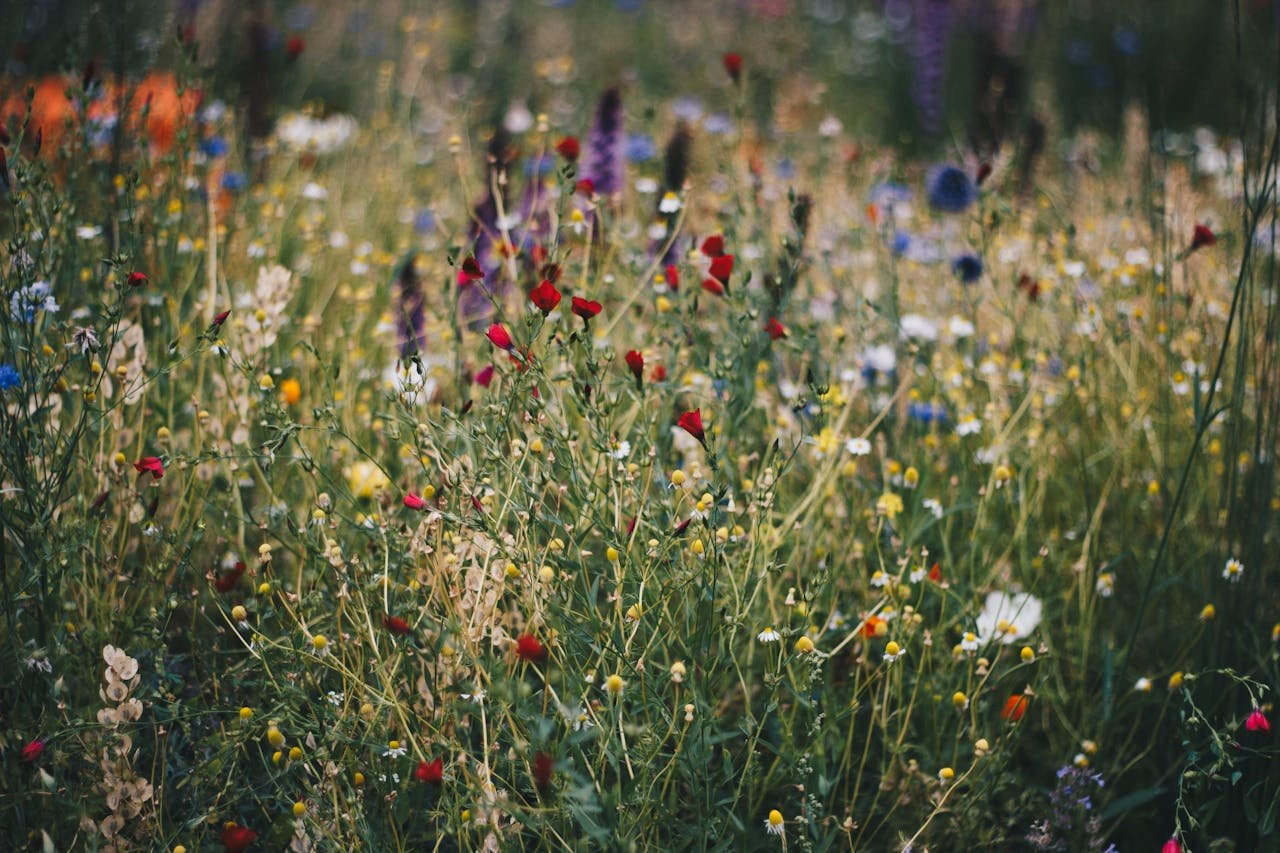
Hong Kong florist known for luxury flower bouquets
Discover a premium selection of seasonal floral arrangements for flower delivery across Hong Kong Island, Kowloon and New Territories
以奢華花束聞名的香港花店
探索香港島、九龍和新界送花的精選季節性插花
Premium flower delivery Hong Kong
When the special occasion calls for luxury blooms, you can’t go wrong with Petal & Poem. Our seasonal range of flower bouquets are crafted from the finest blooms by our master florists.
優質鮮花遞送。 當特殊場合需要奢華花朵時,Petal & Poem 絕對不會出錯。我們的季節性花束系列由我們的花藝大師採用最優質的花朵精心製作。


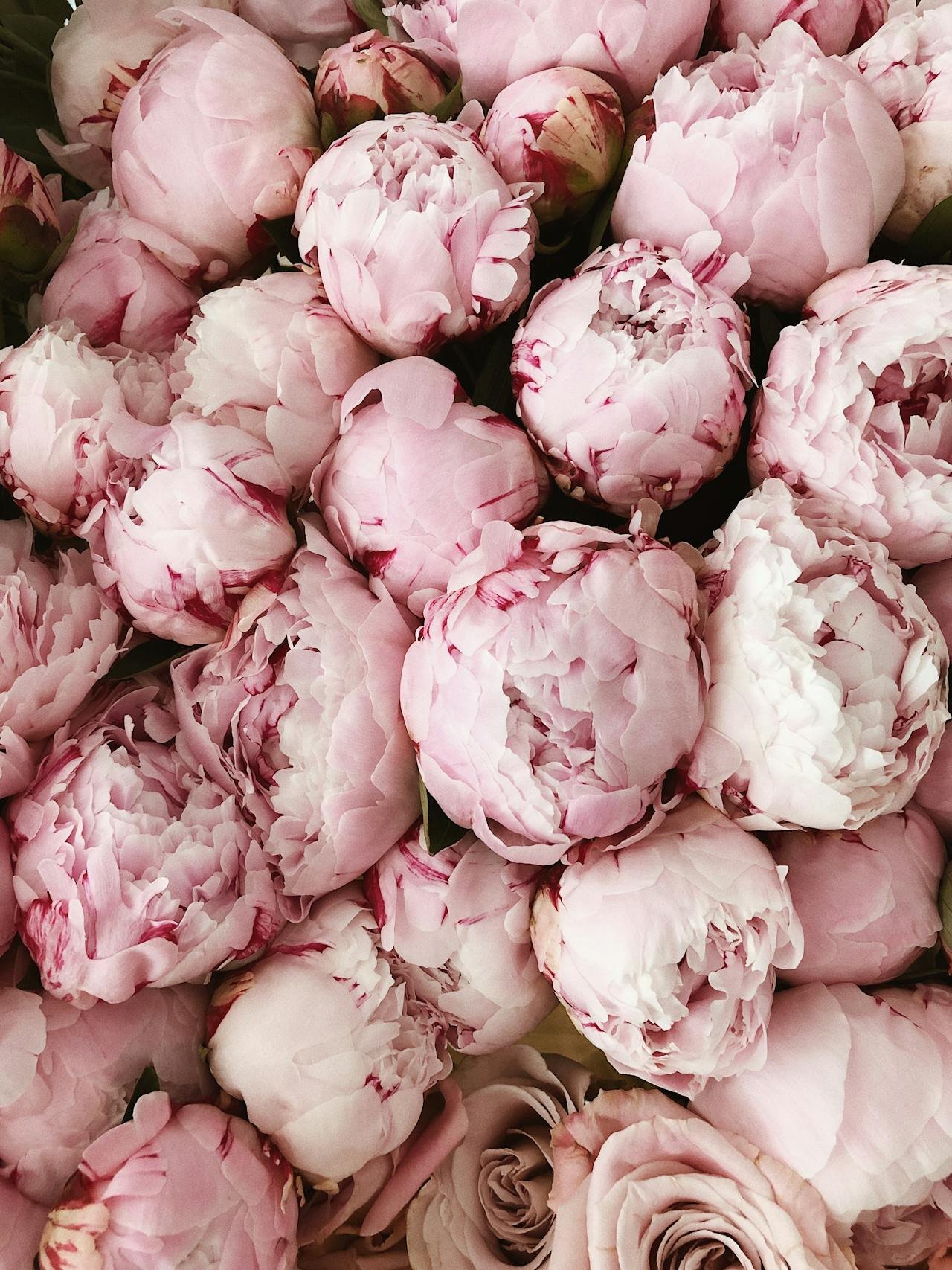
Explore flower arrangements that are created by our award-winning florists

HK Florist

DELIVERY

Workshops
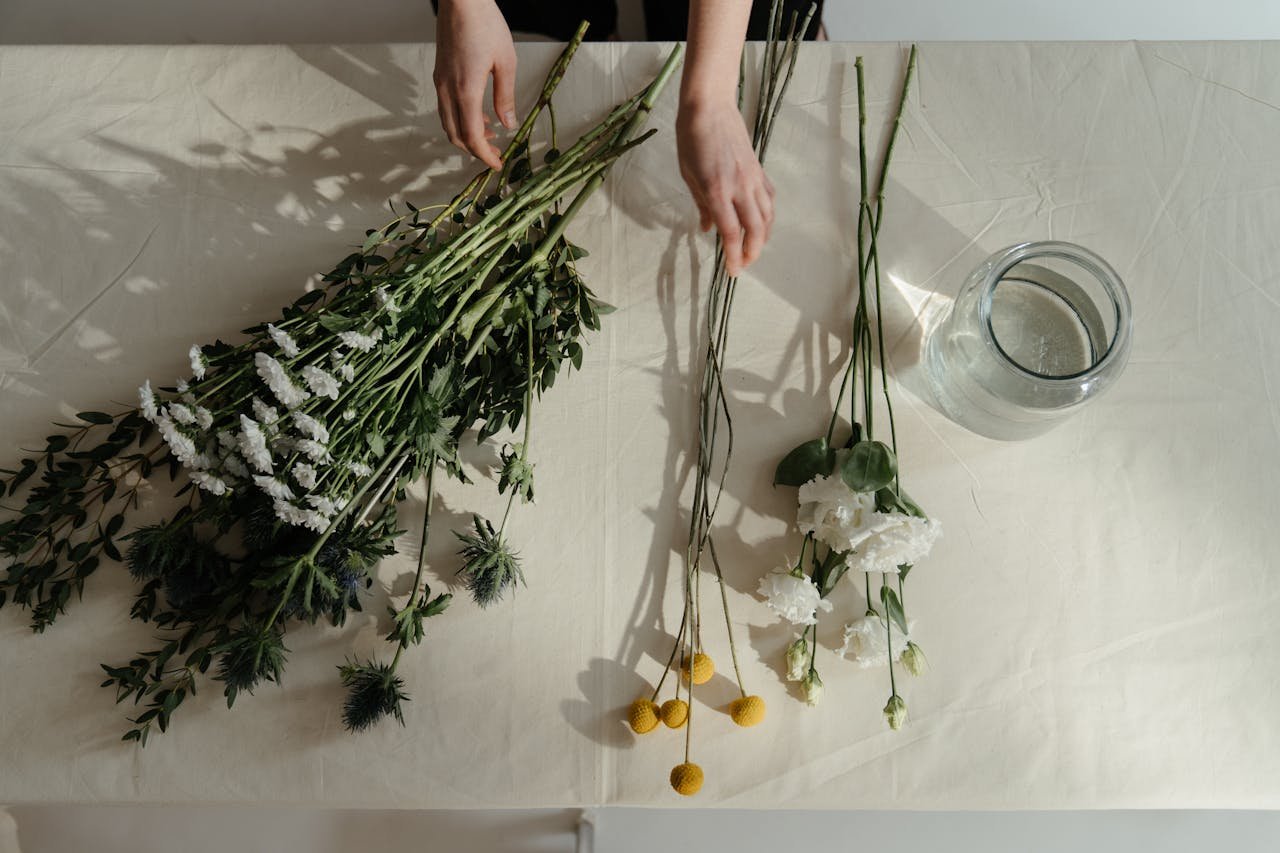
Learn from our master florists at one of our exclusive Hong Kong flower workshops
Florist’s Choice bouquet.
When you are stuck on what flowers to get for a special occasion, let our florists create some extraordinary using the freshest and finest flowers on the day.

The Ideal Terroir for Growing the World's Finest Roses

When it comes to cultivating the world's finest roses, the significance of terroir cannot be overstated. The ideal terroir for growing these exquisite blooms combines a delicate balance of climate, soil composition, and topographical features.
1. Climate: The perfect climate for rose cultivation is moderate with warm, sunny days and cool nights. A consistent temperature range allows the roses to develop slowly, resulting in fuller blooms with more intense colors and fragrances. Furthermore, adequate sunlight is crucial for photosynthesis and flower production.
2. Soil Composition: Roses thrive in well-drained soil rich in organic matter. A loamy soil texture is preferred as it retains moisture while allowing excess water to flow through easily. The pH level of the soil should be slightly acidic to neutral, enabling the roses to absorb essential nutrients effectively.
3. Topography: The ideal terroir should offer natural protection from harsh elements such as strong winds and heavy rainfall. Sheltered valleys or gentle slopes provide the necessary microclimates for rose bushes to flourish without being subjected to extreme weather conditions.
4. Altitude: While most rose varieties prefer lower altitudes for cultivation, some premium roses benefit from higher altitudes where cooler temperatures slow down growth, intensifying the colors and fragrances of the blooms.
The ideal terroir for growing the world's finest roses is a harmonious blend of climate, soil composition, topographical features, and altitude. It is this unique combination that contributes to the cultivation of exceptional roses sought after for their beauty, aroma, and overall quality.
Guide: Garden Roses vs Regular Farmed Roses

When it comes to roses, there is a distinction between garden roses and regular farmed roses. Understanding this difference can help you make an informed choice when selecting the perfect roses for your special occasion. Here are the key factors that separate garden roses from regular farmed roses:
1. Growing Environment:
Garden Roses:
Garden roses are grown outdoors in open fields or greenhouses, benefiting from natural sunlight and fresh air.
They are cultivated with more space, allowing each rose to develop with room to breathe and grow naturally.
Regular Farmed Roses:
Regular farmed roses are typically grown in large quantities on commercial farms.
They are often cultivated in controlled environments using fertilizers and pesticides to ensure quick and uniform growth.
2. Aroma and Appearance:
Garden Roses:
Garden roses are known for their exquisite fragrance, often with a stronger and more complex scent compared to regular farmed roses.
They come in a wide range of unique colors and shapes, with petals that are sometimes more delicate and lush.
Regular Farmed Roses:
Regular farmed roses tend to have a milder scent, and their appearance may be more standardized in terms of color and petal structure.
3. Longevity and Size:
Garden Roses:
Garden roses are prized for their longevity, with blooms that can last longer than regular farmed roses when properly cared for.
They often have larger blooms, making them a popular choice for special events and floral arrangements.
Regular Farmed Roses:
Regular farmed roses may have a shorter vase life compared to garden roses, requiring more frequent water changes and maintenance.
Their blooms are generally smaller in size and may not have the same impact in arrangements as garden roses.
While both garden roses and regular farmed roses have their own unique qualities, garden roses are often favored for their superior fragrance, appearance, and longevity. Whether you are looking to convey romance, elegance, or beauty, choosing the right type of rose can make a significant difference in your floral arrangements. Consider the factors mentioned above to select the perfect roses for your next special occasion.
Varieties of Garden Roses for Your Next Flower Arrangement
When creating a stunning floral arrangement, garden roses are an excellent choice to bring elegance and beauty to your creation. Here is a guide to some popular varieties of garden roses to consider:
1. Juliet Garden Rose
Color: Soft peachy-pink
Features: Large, cup-shaped blooms with a lovely fragrance
2. David Austin Patience Rose
Color: Creamy white
Features: Ruffled petals with a light, fresh scent
3. Evelyn Garden Rose
Color: Peach
Features: Full-bodied blooms with a fruity fragrance
4. Eden Garden Rose
Color: Pale pink
Features: Double blooms with a delicate scent
5. Garden Spirit Rose
Color: Blush pink
Features: High petal count and a subtle fragrance
6. Pink Piano Garden Rose
Color: Vibrant pink
Features: Large, classic rose blooms perfect for focal points
7. White O'Hara Garden Rose
Color: Ivory white
Features: Elegant, high-centered blooms with a light, sweet scent
When selecting garden roses for your arrangement, consider the color scheme, size of the blooms, and fragrance to complement the overall look and feel you wish to achieve. Experiment with different varieties to create a unique and enchanting floral masterpiece.
airing Flowers with Different Types of Jewelry for Luxury Gifting
When it comes to luxury gifting, the combination of exquisite flowers and stunning jewelry can create a truly unforgettable experience. Here are some tips to help you pair flowers with different types of jewelry for the perfect gift:
1. Rose Bouquet with Diamond Earrings
Flower: A classic bouquet of red roses signifies love and passion, making it an ideal choice for gifting to a loved one.
Jewelry: Pair the roses with elegant diamond earrings to add a touch of sophistication and glamour to the gift.
2. Orchid Arrangement with Pearl Necklace
Flower: Orchids symbolize luxury, beauty, and strength, making them a great choice for a sophisticated gift.
Jewelry: Combine the orchids with a timeless pearl necklace for a classic yet elegant gift suitable for any occasion.
3. Tulip Bouquet with Gold Bracelet
Flower: Tulips represent elegance and grace, making them perfect for gifting to someone with a refined taste.
Jewelry: Pair the tulips with a chic gold bracelet to add a touch of warmth and style to the gift.
4. Peony Arrangement with Sapphire Ring
Flower: Peonies symbolize romance and prosperity, making them a lavish choice for a special gift.
Jewelry: Combine the peonies with a striking sapphire ring to create a luxurious and eye-catching gift that will surely impress.
5. Lily Bouquet with Silver Earrings
Flower: Lilies symbolize purity and refined beauty, making them a wonderful choice for a sophisticated gift.
Jewelry: Pair the lilies with elegant silver earrings for a chic and timeless gift that exudes elegance.
When pairing flowers with jewelry for luxury gifting, consider the recipient's preferences and style to create a personalized and thoughtful gift that will be cherished for years to come.
Guide to Pairing Flowers and Wine

When choosing flowers to accompany your favorite wine, it's essential to consider the flavors and aromas of both to create a harmonious experience. Here are some Petal & Poem tips to help you pair flowers with wine effectively:
1. Consider the Wine Varietal:
White Wines: Pair light, delicate flowers like lilies or daisies with white wines such as Chardonnay or Sauvignon Blanc.
Red Wines: Opt for bold blooms like roses or dahlias to complement the robust flavors of red wines like Cabernet Sauvignon or Merlot.
2. Match Intensity:
Pair the intensity of the wine with the vibrancy of the flowers. Light wines go well with subtle, delicate blooms, while bold wines can handle more vibrant and richly colored flowers.
3. Complementing Aromas:
Consider the aromatic profile of the wine. Floral wines like Gewürztraminer can be paired with similarly fragrant flowers like jasmine or lavender to enhance the sensory experience.
4. Seasonal Pairings:
Choose flowers that are in season to create a cohesive and visually appealing pairing. For example, pairing a crisp Rosé with spring blooms like tulips or cherry blossoms.
5. Contrasting Elements:
Embrace contrasting elements by pairing a sweet dessert wine with sharp, citrus-scented flowers like orange blossoms for a unique sensory experience.
The key to a successful pairing is to experiment and trust your palate. Have fun exploring different combinations to find the perfect match that elevates both your wine and floral experience.
the Symbolism of Flowers in Renowned Architecture

Flowers have long been appreciated for their beauty and symbolic meanings in various cultures around the world. Within the realm of architecture, flowers are often used as design elements to convey deeper messages and evoke emotions. Let's explore how flowers have been incorporated as symbols in some of the world's most renowned architectural structures:
The Lotus Flower in Buddhist Architecture
In Buddhist architecture, the lotus flower holds great significance as a symbol of purity, enlightenment, and rebirth.
The Lotus Temple in Delhi, India, with its lotus-shaped design, symbolizes purity and peace, inviting visitors to experience tranquility and spiritual renewal.
The Rose in Gothic Architecture
The rose window, a prominent feature in Gothic cathedrals such as Notre Dame in Paris, often incorporates intricate rose designs symbolizing the Virgin Mary or the divine mysteries of the Christian faith.
The delicate beauty of the rose in Gothic architecture serves as a symbol of love, faith, and beauty.
The Chrysanthemum in Japanese Architecture
In Japanese architecture, the chrysanthemum holds great cultural significance as the imperial crest of the Japanese emperor.
The Imperial Palace in Tokyo features motifs of the chrysanthemum, symbolizing longevity, rejuvenation, and the imperial family's connection to nature.
The Lily in Islamic Architecture
The lily, known for its elegance and purity, is a common motif in Islamic architecture symbolizing heavenly beauty and spiritual perfection.
The Alhambra in Spain features intricate lily patterns in its architectural designs, reflecting themes of paradise and divine grace.
The Poppy in Art Nouveau Architecture
Art Nouveau architecture often incorporates floral motifs such as the poppy, symbolizing peace, remembrance, and the ephemeral beauty of life.
The Maison Cauchie in Brussels, Belgium, showcases elaborate poppy designs in its facade, reflecting the artistic movement's emphasis on nature and symbolism.
Flowers play a significant role in architectural design by conveying deeper meanings and evoking emotional responses. Whether symbolizing purity, faith, cultural identity, or artistic expression, flowers in architecture serve as timeless symbols that enrich the built environment with beauty and meaning.
Guide to Flowers in the World's Literary Classics

Flowers have long been used as powerful symbols in literature, adding depth and beauty to the words on the page. Petal & Poem explores some iconic flowers that have appeared in the world's literary classics:
Roses in "Romeo and Juliet" by William Shakespeare: The rose, a universal symbol of love and passion, plays a significant role in this tragic love story. It represents the intense but doomed love between Romeo and Juliet.
Daisies in "The Great Gatsby" by F. Scott Fitzgerald: Daisies are mentioned as part of the book's prominent motif of the American Dream. The image of Jay Gatsby reaching out towards the distant green light, often interpreted as a symbol of Daisy Buchanan, is a poignant and enduring one.
Ivy in "Jane Eyre" by Charlotte Brontë: Ivy is used throughout the novel as a symbol of resilience and tenacity. It represents Jane's steadfast nature as she overcomes various challenges in her life.
Forget-me-nots in "Heidi" by Johanna Spyri: Forget-me-nots symbolize remembrance and connection. In "Heidi," they are used to convey the enduring bond between Heidi and her grandfather as well as Heidi's unwavering spirit.
Daffodils in "I Wandered Lonely as a Cloud" by William Wordsworth: Daffodils are a symbol of joy and inspiration in this famous poem. The sight of the golden flowers dancing in the breeze brings comfort and solace to the poet's heart.
Chrysanthemums in "The Chrysanthemums" by John Steinbeck: Chrysanthemums symbolize confinement and unfulfilled potential in this short story. The protagonist's connection to her chrysanthemum garden reflects her own longing for freedom and self-expression.
Orchids in "The Orchid Thief" by Susan Orlean: Orchids are central to this non-fiction work, symbolizing obsession, beauty, and desire. The intricate world of orchid collecting serves as a captivating backdrop for exploring human passion and complexity.
Exploring these floral symbols in literature can deepen our appreciation for the nuanced meanings and emotions they convey, enhancing our understanding of the timeless works in which they appear.
Petal & Poem is Now Available on Flowersby!

We are excited to announce that Petal & Poem, HK's Top Luxury Florist, is now listed on Flowersby.com - Hong Kong's leading flower delivery app. This integration allows customers to shop for flowers from all of Hong Kong's best florists in one convenient platform for efficient delivery. Check it out here: https://flowersby.com/
With this collaboration, Petal & Poem expands its reach and makes it even easier for customers to access our exquisite floral arrangements, no matter where they are in Hong Kong. Whether you are looking for stunning bouquets for a special occasion or elegant floral decor for your home or event, Petal & Poem on Flowersby.com has you covered.
Our team at Petal & Poem is dedicated to providing top-notch service and exceptional floral designs, and we are thrilled to bring our offerings to Flowersby.com users. We look forward to serving both our loyal customers and new clients through this partnership, ensuring that everyone can experience the beauty and luxury of Petal & Poem's creations with the utmost convenience.
Download the Flowersby app today and explore the latest collection from Petal & Poem. We can't wait to be part of your unforgettable moments with our exquisite flowers!
Stay tuned for more exciting updates and floral inspirations from Petal & Poem on Flowersby.com. Shop now and let us deliver beauty to your doorstep!
Petal & Poem 現已在 花樂比 上架!
我們很高興地宣布,香港頂級豪華花店 Petal & Poem 現已在香港領先的送花應用程式花樂比上上市。 這項整合使客戶能夠在一個便捷的平台上從香港所有最好的花店購買鮮花,並實現高效配送。 在這裡查看:https://flowersby.com/zh
透過這項合作,Petal & Poem 擴大了其影響範圍,讓客戶無論身在香港哪個地方都可以更輕鬆地獲得我們精美的插花。 無論您是在為特殊場合尋找令人驚嘆的花束,還是為您的家居或活動尋找優雅的花卉裝飾,花樂比 上的 Petal & Poem 都能滿足您的需求。
Petal & Poem 的團隊致力於提供一流的服務和卓越的花卉設計,我們很高興將我們的產品帶給 花樂比 用戶。 我們期待透過這種合作夥伴關係為我們的忠實客戶和新客戶提供服務,確保每個人都能以最大的便利體驗 Petal & Poem 創作的美麗和奢華。
立即下載花樂比應用程序,探索 Petal & Poem 的最新系列。 我們迫不及待地想用我們精美的鮮花來見證您難忘的時刻!
請繼續關注 花樂比 上 Petal & Poem 的更多精彩更新和花卉靈感。 立即購買,讓我們將美麗送到您家門口!
The Fusion of Flowers and Art in Sculptures
Sculptors around the world have long been inspired by the delicate beauty and ephemeral nature of flowers, incorporating them into their masterpieces to create stunning works of art. This fusion of organic elements with solid materials results in breathtaking sculptures that capture the essence of nature in a permanent form. Here are some ways in which artists have merged flowers and art in their sculptures:
Materials: Sculptors use a variety of materials to create flower-inspired art pieces. While some artists carve intricate floral patterns directly into stone or wood, others choose to cast flowers in metal or glass for a more lifelike representation. The contrast between the fragility of the petals and the durability of the medium adds depth and complexity to the artwork.
Symbolism: Flowers have deep symbolic meanings in many cultures, representing themes such as beauty, love, growth, and transience. By incorporating floral motifs into their sculptures, artists evoke these symbolic associations, inviting viewers to reflect on the cycle of life and the passage of time.
Scale: Some sculptors choose to magnify the scale of flowers in their artworks, creating larger-than-life blooms that command attention and instill a sense of wonder. By exaggerating the size of petals, stems, and leaves, artists highlight the intricate details of each flower, inviting viewers to appreciate their beauty from a new perspective.
Interactive Installations: In recent years, artists have embraced interactive elements in their flower-inspired sculptures, inviting viewers to engage with the artwork in innovative ways. Installations that incorporate real flowers, scents, and sounds create multisensory experiences that blur the line between art and nature, fostering a deeper connection between the viewer and the artwork.
Cultural Adaptations: Different cultures have unique relationships with flowers, influencing the way artists approach floral themes in their sculptures. From traditional Japanese cherry blossom motifs to vibrant Indian marigold sculptures, artists draw inspiration from local flora to create pieces that resonate with their cultural heritage and spiritual beliefs.
Environmental Consciousness: As concerns about climate change and biodiversity grow, some sculptors are using flower motifs to raise awareness about environmental issues. By highlighting the fragility of nature and the importance of preserving floral diversity, artists spark conversations about sustainability and the interconnectedness of all living things.
The fusion of flowers and art in sculptures offers a powerful testament to the enduring beauty and significance of nature in human culture. Whether through intricate carvings, symbolic representations, interactive installations, or cultural adaptations, sculptors around the world continue to push the boundaries of creativity, inviting us to pause, reflect, and marvel at the wonder of the natural world.
Guide to Luxury Flower Arrangements for a Hong Kong Wedding

Planning a luxury wedding in Hong Kong involves careful attention to detail, especially when it comes to flower arrangements. Here are some tips to help you create stunning floral displays for your special day:
1. Choose Premium Flowers
Opt for high-quality, premium flowers that exude elegance and sophistication. Roses, orchids, peonies, and lilies are popular choices for luxury weddings in Hong Kong.
2. Incorporate Local Flora
Consider incorporating local Hong Kong flora such as cherry blossoms or orchids to add a touch of cultural significance to your arrangements.
3. Opt for a Monochromatic Color Scheme
Create a chic and sophisticated look by sticking to a monochromatic color scheme for your floral arrangements. Whites, creams, and pastels are classic choices for luxury weddings.
4. Add Luxe Accents
Enhance your arrangements with luxe accents such as crystals, pearls, or gold-leaf detailing to elevate the overall look and add a touch of opulence.
5. Consider Unique Containers
Choose unique and ornate containers such as crystal vases, gilded urns, or mirrored vessels to display your floral arrangements in a luxurious way.
6. Work with a Professional Florist
Consult with a professional florist who specializes in luxury weddings to bring your floral vision to life. They can offer expert advice on flower selection, arrangement design, and overall aesthetic.
7. Create a Cohesive Look
Ensure that your floral arrangements complement the overall theme and decor of your wedding venue. Consistency in style and color palette will create a cohesive and visually appealing atmosphere.
8. Pay Attention to Scent
Consider the scent of the flowers you choose, especially if you have any guests with sensitivities. Opt for lightly scented blooms or unscented varieties to ensure a pleasant experience for everyone.
9. Final Touches
Don't forget the final touches - consider adding flower petals along the aisle, floral installations as backdrops, or a statement floral arch for a truly luxurious finish.
Flowers in the World's Most Famous Poetry Through the Ages

Flowers have been a timeless source of inspiration for poets around the world, capturing their beauty, fragility, and symbolism in verses that have stood the test of time. Let's take a journey through the ages and explore when flowers have been featured in some of the most famous poetry:
Ancient Times
1. Ancient Greek and Roman Poetry
Poets like Sappho and Virgil often referenced flowers like roses, violets, and daisies in their works, symbolizing love, beauty, and nature.
Medieval and Renaissance Period
2. William Shakespeare
Shakespeare incorporated flowers in many of his famous plays and sonnets. In works like "A Midsummer Night's Dream" and "Sonnet 18," flowers such as roses and daisies were used to convey themes of love, beauty, and transience.
19th Century
3. Emily Dickinson
Known for her introspective poetry, Emily Dickinson often referenced flowers like roses, daffodils, and poppies in her poems, using them as symbols of nature, life, and emotions.
4. Alfred, Lord Tennyson
Tennyson frequently used floral imagery in his poetry, with flowers like the lotus and the lily symbolizing purity, beauty, and renewal in works such as "The Lotus Eaters" and "The Lady of Shalott."
Modern Era
5. Sylvia Plath
Sylvia Plath's poetry often featured flowers like tulips and poppies, exploring themes of death, rebirth, and the complexities of human emotions.
6. Mary Oliver
Mary Oliver, known for her nature poetry, frequently wrote about flowers such as wild roses and daisies, celebrating the beauty and resilience of the natural world.
Contemporary Poetry
7. Warsan Shire
Contemporary poets like Warsan Shire have continued the tradition of incorporating flowers in their works, using them to symbolize themes of love, loss, and healing in a modern context.
From ancient civilizations to contemporary poets, flowers have remained a constant muse for poetic expression, weaving their beauty and symbolism into the tapestry of some of the world's most famous poetry.
The next time you admire a bouquet of flowers, you may just be witnessing a source of inspiration that has moved poets throughout history.
Guide to Luxury Flower Vessels
When it comes to displaying exquisite floral arrangements, the choice of vessel plays a pivotal role in elevating the beauty and elegance of the flowers. Luxury flower vessels are not just containers but works of art that enhance the overall aesthetic appeal of the blooms. Here is a Petal & Poem guide to selecting the perfect luxury flower vessel:
Material Matters: Opt for vessels crafted from high-quality materials such as crystal, porcelain, hand-blown glass, or artisan ceramics. These materials not only exude luxury but also provide a sophisticated backdrop for your blooms.
Design Elements: Look for vessels with intricate designs, unique shapes, and exquisite detailing. From sleek and modern to ornate and vintage-inspired, the design of the vessel should complement the style of your floral arrangement.
Size and Proportion: Consider the size and proportion of the vessel in relation to the flowers. The vessel should provide adequate space for the blooms to shine while ensuring a harmonious balance between the arrangement and the container.
Versatility: Opt for versatile vessels that can be used for a variety of floral arrangements. Vessels with a classic design and neutral color palette can effortlessly complement different types of flowers and foliage.
Statement Pieces: For special occasions or grand events, consider investing in statement luxury vessels that serve as focal points in the room. Bold colors, sculptural shapes, and eye-catching textures can make a striking impression.
Maintenance and Care: Proper maintenance of luxury flower vessels is essential to preserve their beauty. Follow the care instructions provided by the manufacturer to ensure longevity and keep your vessels looking pristine.
Personal Style: Ultimately, choose luxury flower vessels that resonate with your personal style and aesthetic preferences. Whether you prefer minimalist elegance or lavish opulence, let your vessel reflect your unique taste and creativity.
By selecting the right luxury flower vessel, you can transform a simple bouquet into a stunning masterpiece that captivates the senses and brings joy to any space. Explore different styles, materials, and designs to find the perfect vessel that complements your exquisite floral arrangements.
A Brief Guide to Flowers in English Mythology

Flowers play a significant role in English mythology, symbolizing various themes such as love, beauty, renewal, and transformation. In ancient folklore and myths, certain flowers have been attributed with mystical properties and connections to deities. Here are a few notable instances of flowers appearing in English mythology:
Rose: The rose holds a prominent place in English mythology, often associated with the goddess of love, Venus. In various tales, the red rose symbolizes passionate love, while the white rose represents purity and innocence. The War of the Roses between the Houses of Lancaster and York is a notable historical event where the red and white roses were used as emblems.
Bluebell: Bluebells are believed to be enchanted flowers in English folklore. It is said that anyone who hears the ringing of bluebells will soon meet their demise. Despite this ominous legend, bluebells are also considered symbols of gratitude and everlasting love.
Daffodil: Daffodils are linked to the story of Narcissus in Greek mythology, where the vain youth falls in love with his own reflection in a pool of water and is transformed into a daffodil. In English myths, daffodils represent rebirth, new beginnings, and the coming of spring.
Primrose: Primroses have been associated with fairies and are commonly found in fairy tales and folklore. In English mythology, it is believed that carrying a primrose can help one see fairies or gain their favor. Primroses symbolize youth, beauty, and protection.
Foxglove: In Celtic folklore, foxgloves are known as fairy thimbles and are said to be favored by fairies who wear them as gloves. It is believed that the foxglove plant has magical properties and can either attract fairies or protect against their mischief.
While flowers have taken on different meanings and symbolism throughout English mythology, they continue to captivate our imagination and inspire stories of beauty, love, and wonder. Whether used in ancient tales or modern interpretations, flowers remain timeless symbols that connect us to the natural world and to the myths that have shaped our cultural heritage.
Famous Flower Masterpieces Around the World
Flowers have been a popular subject matter in art for centuries, inspiring some of the most exquisite masterpieces in the world. Here are a few renowned artworks featuring flowers and where you can find them:
1. Sunflowers by Vincent van Gogh
Where: Van Gogh Museum in Amsterdam, Netherlands
Description: This series of paintings by Van Gogh captures the beauty of sunflowers in vibrant hues and expressive brushstrokes.
2. Water Lilies by Claude Monet
Where: Musée de l'Orangerie in Paris, France
Description: Monet's iconic series of water lily paintings showcases the artist's fascination with light, color, and nature.
3. The Starry Night by Vincent van Gogh
Where: Museum of Modern Art (MoMA) in New York City, USA
Description: While primarily known for its swirling sky, this masterpiece also features cypress trees and white stars that resemble flowers.
4. Flower Beds in Holland by Vincent van Gogh
Where: Kroeller-Mueller Museum in Otterlo, Netherlands
Description: Van Gogh's painting depicts colorful flower beds in Holland with his signature bold and textured style.
5. The Birth of Venus by Sandro Botticelli
Where: Uffizi Gallery in Florence, Italy
Description: While not solely focused on flowers, this iconic painting features a variety of blooms surrounding the central figure of Venus.
These masterpieces symbolize the enduring beauty and allure of flowers in art, capturing the essence of nature's delicate wonders for generations to admire.
Historical Connections Between Easter and Flowers

Easter, a Christian holiday that celebrates the resurrection of Jesus Christ, has long been associated with the beauty and symbolism of flowers. The tradition of using flowers to adorn churches, homes, and Easter baskets dates back centuries and is deeply rooted in both religious symbolism and historical practices.
Early Christian Symbolism
In the early Christian Church, flowers were used to symbolize virtues such as purity, renewal, and the beauty of God's creation. The lily, in particular, became a symbol of the resurrection and the purity of the Virgin Mary. Its white petals were seen as a representation of her innocence and the promise of new life.
Pagan Origins
The association between Easter and flowers can also be traced back to pre-Christian pagan traditions. The arrival of spring was celebrated with festivals honoring fertility and new life. Flowers, with their vibrant colors and delicate fragrances, became a natural symbol of this season of renewal and rebirth. Over time, these pagan customs became intertwined with Christian celebrations of Easter, resulting in the adoption of flowers as part of the holiday's rituals.
Easter Lilies
One of the most iconic flowers associated with Easter is the Easter lily. This elegant white flower symbolizes purity, hope, and the resurrection. The trumpet shape of the lily is often interpreted as a symbol of the triumphant proclamation of Easter. It is commonly used to decorate churches and homes during the Easter season, serving as a visual reminder of the holiday's significance.
Floral Decorations and Traditions
Throughout history, various flowers have been used to decorate Easter altars, crosses, and homes. Daffodils, hyacinths, tulips, and azaleas are among the popular choices for Easter floral arrangements due to their vibrant colors and seasonal availability. These flowers not only beautify the surroundings but also convey deeper meanings of hope, rebirth, and spiritual renewal.
The historical connections between Easter and flowers are rich and deeply intertwined with religious symbolism, seasonal traditions, and cultural practices. From early Christian symbolism to pagan rituals celebrating the arrival of spring, flowers have played a significant role in enhancing the beauty and meaning of the Easter holiday. Today, the sight of colorful blooms adorning churches and homes serves as a timeless reminder of the joy and renewal that Easter brings.
Flowers in Famous Greek Mythology

In Greek mythology, flowers have played significant roles, symbolizing various emotions, stories, and even gods and goddesses. These delicate blooms are not mere decorations but are woven intricately into tales that have withstood the test of time.
One of the most famous stories involving flowers in Greek mythology is the tale of Persephone and the Pomegranate seeds. As the daughter of Zeus and Demeter, Persephone was abducted by Hades, the god of the underworld. During her time in the underworld, it is said that Persephone consumed a few pomegranate seeds. This act bound her to the underworld for a portion of the year, leading to the changing of seasons. The blooming of flowers in spring symbolizes Persephone's return to the world above, while their withering marks her descent back to the underworld.
The myth of Adonis and the Anemone is another poignant story involving flowers. Adonis, a handsome youth loved by both Aphrodite and Persephone, was fatally wounded by a boar. Legend has it that as Adonis lay dying, red anemone flowers sprung from his blood, forever after representing love, beauty, and the fleeting nature of life.
The Narcissus flower is renowned for its connection to the myth of Narcissus, a vain youth who fell in love with his own reflection in a pool of water and wasted away staring at himself. The gods took pity on him and transformed him into a flower that now bears his name. The Narcissus flower symbolizes self-love and vanity.
In the myth of Apollo and Hyacinthus, the Hyacinth flower emerges. Hyacinthus, a beloved youth, died tragically during a discus-throwing contest with Apollo. From his spilled blood, Apollo caused a flower, the Hyacinth, to bloom. The flower's petals bear the mark of Apollo's grief, with the words "ai, ai" (alas) inscribed upon them, immortalizing Hyacinthus's memory.
Flowers in Greek mythology serve as more than mere adornments. They are living symbols of the intricate tales and emotions that have captivated generations. Through these myths, the beauty and transience of flowers are forever intertwined with the rich tapestry of ancient Greek storytelling.
Guide to Filming a Video Using Luxury Flowers

Filming a video with luxury flowers can add an elegant and enchanting touch to any content. Whether you are creating a promotional video, a tutorial, or simply want to capture the beauty of exquisite blooms, here are some tips to help you achieve stunning results:
1. Choose the Right Flowers
Select fresh, vibrant luxury flowers that complement the theme and color scheme of your video. Consider using a variety of textures and shapes to add visual interest.
2. Set the Scene
Find a well-lit location with a clean, uncluttered background to showcase the flowers prominently. Consider using props like vases, candles, or decorative items to enhance the visual appeal.
3. Use High-Quality Equipment
Invest in a good camera or smartphone with high-resolution capabilities to capture the intricate details of the flowers. A tripod can help keep your shots steady and professional-looking.
4. Focus on Composition
Experiment with different angles, depths, and framing to create visually captivating shots. Explore close-up macro shots to highlight the beauty of individual petals and blooms.
5. Incorporate Movement
Add movement to your video by gently swaying or rotating the flowers to create a dynamic and engaging visual experience. Consider using slow-motion effects to add drama and elegance.
6. Pay Attention to Lighting
Natural light is ideal for showcasing the true colors and textures of luxury flowers. Avoid harsh overhead lighting and opt for soft, diffused light to create a flattering and enchanting atmosphere.
7. Edit with Care
Enhance your video with editing software to fine-tune colors, contrast, and overall visual appeal. Add background music or subtle overlays to elevate the mood and ambiance of the video.
8. Share Your Creation
Once you are satisfied with your video, share it on social media platforms, websites, or with your target audience to inspire and delight viewers with the beauty of luxury flowers.
By following these tips and unleashing your creativity, you can create a stunning video featuring luxury flowers that captivate and enchant your audience. Guidance kindly provided by: https://www.hk-video-production.com/
Guide to Eco-Friendly Luxury Bouquets

Luxury bouquets can be both stunning and environmentally friendly. Here are some tips for creating eco-friendly luxury bouquets:
Choose Local and Seasonal Flowers: Opt for flowers that are in season and locally grown. This helps reduce the carbon footprint associated with shipping flowers long distances.
Avoid Chemical Treatments: Look for flowers that have been grown without the use of harsh chemicals or pesticides. Organic and sustainably grown flowers are better for the environment.
Opt for Sustainable Packaging: Choose bouquets that are wrapped in biodegradable or recyclable materials. Avoid plastic and excessive packaging whenever possible.
Reuse and Recycle: Encourage the recipient to reuse or recycle the bouquet packaging. Some florists offer vase exchange programs or biodegradable wrapping options.
Support Eco-Friendly Florists: Look for florists who prioritize sustainability in their practices. Ask about their sourcing methods and eco-friendly initiatives.
Consider Potted Plants: Instead of cut flowers, consider gifting potted plants. They can be enjoyed for longer periods and have a lower environmental impact.
By following these tips, you can enjoy luxurious bouquets while minimizing the environmental footprint of your floral arrangements. Make a sustainable choice and show your love for both luxury and the planet.
the Best Places in the World to Pick Wild Flowers
Picking wildflowers can be a delightful way to connect with nature and immerse oneself in the beauty of the world. If you're a flower enthusiast looking to wander through the world's most picturesque spots for picking wildflowers, consider the following destinations:
1. Crested Butte, Colorado, USA
Known as the "Wildflower Capital of Colorado," Crested Butte offers a stunning display of vibrant wildflowers from June to August. The nearby alpine meadows and mountain ranges are adorned with lupine, sunflowers, and columbines, creating a breathtaking sight for any nature lover.
2. Provence, France
Provence is famous for its lavender fields, particularly around the town of Valensole. Between late June and early August, the region transforms into a purple paradise, with endless rows of fragrant lavender as far as the eye can see. It's a must-visit destination for those seeking the beauty and aroma of this iconic flower.
3. Table Mountain, South Africa
During the spring months of August and September, Table Mountain and the surrounding Cape region burst into a kaleidoscope of colors as the wildflowers bloom. With over 2,200 species of plants, including the striking King Protea, this area offers a unique and diverse floral experience.
4. Himalayas, India
The Himalayan region, particularly the Valley of Flowers National Park in Uttarakhand, is a paradise for wildflower enthusiasts. Accessible only during the summer months, this UNESCO World Heritage Site is carpeted with a myriad of alpine flowers, including Himalayan blue poppies, brahma kamal, and saxifrage.
5. Algarve, Portugal
The Algarve region in Portugal is home to a stunning coastal landscape dotted with colorful wildflowers. In the spring, the cliffs and meadows come alive with blooming species such as sea daffodils, bird's foot trefoil, and sea lavender, offering a picturesque setting for flower picking.
Remember to always respect local regulations and ecosystems when picking wildflowers, ensuring that you leave the natural environment undisturbed for others to enjoy. Happy flower picking!
A Day in the life at the Holland Flower Market
As the dawn breaks, I wake up to the familiar scent of tulips and hyacinths that seems to seep through the walls of my home in Holland. I’m a flower market worker, and my day starts early, with the first light of the sun.
5:30 AM: My alarm goes off, and I’m quickly out of bed. I have a quick breakfast, usually a hearty slice of bread with cheese and a strong cup of coffee to shake off the sleep.
6:00 AM: I arrive at the flower market, the largest of its kind in the world. The air is crisp, and the hustle has already begun. Trucks unload, traders shout, and the fragrance of thousands of flowers fills the air.
6:30 AM: I start by sorting through the fresh deliveries, separating the roses from the lilies, the carnations from the chrysanthemums. Each flower has its place, and precision is key.
8:00 AM: The buyers start to pour in. Florists, event planners, and vendors from all over come to get the best picks. I assist them, offering advice on the freshest stems and the most vibrant colors.
10:00 AM: A quick coffee break. The market is a beehive of activity, and it’s important to stay sharp.
10:15 AM: Back to work. I arrange special orders for weddings and events, ensuring every petal is perfect, every bouquet is a work of art.
12:00 PM: Lunchtime. I join my colleagues, and we share stories amidst bites of our sandwiches, our hands never quite free of the earth’s scent.
1:00 PM: The afternoon is for inventory. We tally the day’s sales, restock the empty spaces, and take note of what’s in demand.
3:00 PM: I spend some time in the greenhouse, tending to the plants that aren’t ready for sale yet. It’s quieter here, just me and the flowers.
5:00 PM: The market begins to wind down. We clean up our stalls, say goodbye to the lingering customers, and prepare for the next day.
6:00 PM: I lock up my stall and head home. The scent of flowers lingers on me, a sweet reminder of the day’s work.
7:00 PM: Dinner with my family, where I share the day’s happenings. They know the market almost as well as I do through my stories.
9:00 PM: I go to bed early, the images of colorful petals still dancing behind my eyelids. Tomorrow is another day, and the flowers wait for no one.
This is my life, a symphony of scents and colors, a daily dance with nature’s finest creations. As a flower market worker in Holland, I am part of a tradition that brings beauty to the world, one bloom at a time.
Luxury Brands Harness the Power of Flowers in Marketing Campaigns

In the competitive landscape of luxury branding, companies are constantly seeking innovative ways to captivate their audience. Flowers, with their timeless beauty and universal appeal, have emerged as a powerful tool for creating impactful and engaging marketing campaigns. Luxury brands around the world have skillfully incorporated flowers into their branding strategies, elevating their campaigns to new heights.
1. Dior's J'adore Campaign: Dior's iconic fragrance, J'adore, is synonymous with elegance and sophistication. The brand leveraged the allure of flowers by featuring Charlize Theron amidst a lavish backdrop of golden blossoms in their marketing campaigns. The imagery not only highlighted the opulence of the fragrance but also evoked a sense of luxury and refinement.
2. Tiffany & Co.'s Window Displays: Tiffany & Co., known for its timeless jewelry pieces, utilized flowers in their renowned window displays to create a sensory experience for passersby. The delicate blooms complemented the sparkling jewels, drawing customers into a world of beauty and luxury. By incorporating flowers into their displays, Tiffany & Co. effectively captured the essence of romance and sophistication.
3. Gucci's Flora Garden Collection: Gucci's Flora Garden Collection featured intricate floral patterns inspired by the brand's iconic Flora motif. The collection, adorned with vibrant blooms, appealed to fashion enthusiasts looking for pieces that exuded femininity and grace. By incorporating floral elements into their designs, Gucci successfully bridged the gap between high fashion and natural beauty.
4. Louis Vuitton's Flower Fields Exhibition: Louis Vuitton transformed its iconic LV monogram into a mesmerizing floral installation at the Flower Fields Exhibition. The larger-than-life display featured an array of colorful flowers arranged in the shape of the brand's logo, creating a captivating visual spectacle. This innovative approach not only showcased the brand's creativity but also emphasized its commitment to artistry and craftsmanship.
Luxury brands continue to harness the enchanting allure of flowers to forge emotional connections with their audience and elevate their brand narratives. By integrating flowers into their marketing campaigns, these brands have succeeded in creating immersive experiences that resonate with consumers on a deeper level. As the trend of incorporating nature into luxury branding continues to evolve, flowers remain a timeless symbol of beauty, luxury, and sophistication in the world of marketing.
At Petal Priory, Hong Kong’s leading flower-based marketing agency and corporate florist, they help client’s appreciate the artistry and creativity that luxury brands bring to their marketing campaigns through the use of flowers. For more floral inspiration and expertise, feel free to reach out to them: http://petalpriory.com
以下是香港 8 家頂級花店的名單,展示了各種花藝風格和服務:
The Floristry 以藝術和創意插花而聞名,將花朵與美術融為一體,創造出客製化的主題設計。無論是婚禮還是特殊活動,他們的客製化花束都因其獨特性和創造力而脫穎而出。
Flannel Flowers 專注於優質訂製花藝和精心策劃的花束和花盒系列。他們使用從歐洲、日本和美國進口的鮮花,以創造奢華和個性化的佈置而聞名。
Bydeau 這家花店提供無縫的線上購物體驗,並為任何場合提供精心策劃的安排。 Bydeau 的手扎花束和多肉植物很受歡迎,他們提供當天和預定的送貨服務。
Ellermann Flower Boutique 將優雅與意想不到的觸感融為一體,創造出奢華而獨特的花卉設計。他們位於置地廣場和太古廣場,提供現成的佈置和客製化服務以及花卉工作坊。
Gift Flowers HK 專注於經典和現代花卉禮品,提供從盒裝鮮花到個性化花瓶的各種商品。他們的系列產品,包括母親節禮物,以其優雅和貼心的展示而聞名。
Anglo Chinese Florist 是香港歷史最悠久的花店之一,以其奢華的花藝而聞名。它們的花朵來自全球,是高端花卉禮品和客製化設計的首選。
Blooms & Blossoms 為活動提供別緻的季節性佈置和花卉裝飾,從日常花束到精緻的裝置,應有盡有。他們的 Bloom Bucket 系列有多種顏色可供選擇,非常適合送禮。
Bloom & Song 因其專注於新鮮的時令花卉和樹葉而聞名。他們的設計旨在重新連接人與自然,他們還提供獨特的手工產品,如大豆蠟蠟燭。
這些花店提供各種風格,從豪華定製到創意季節性,確保在香港有適合各種場合的完美花店。
