
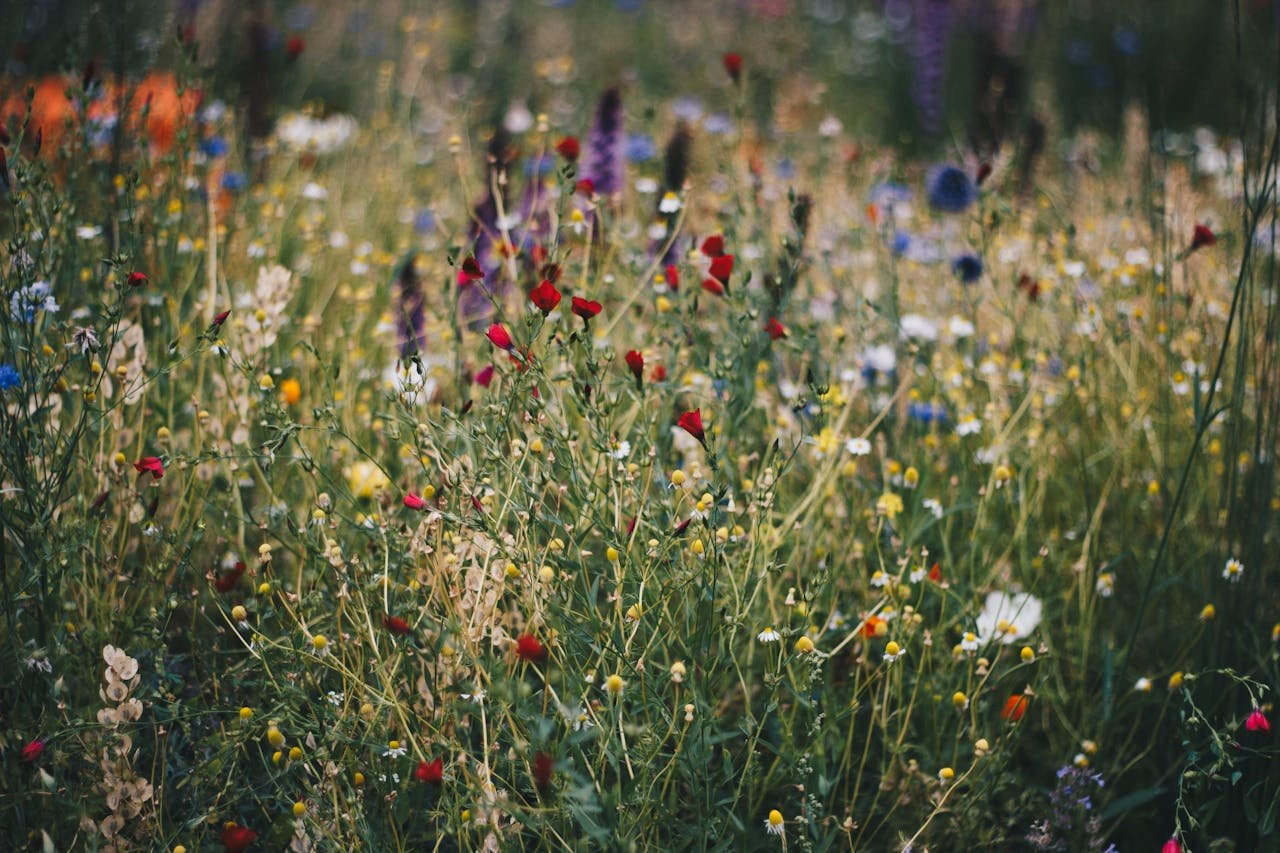
Hong Kong florist known for luxury flower bouquets
Discover a premium selection of seasonal floral arrangements for flower delivery across Hong Kong Island, Kowloon and New Territories
以奢華花束聞名的香港花店
探索香港島、九龍和新界送花的精選季節性插花
Premium flower delivery Hong Kong
When the special occasion calls for luxury blooms, you can’t go wrong with Petal & Poem. Our seasonal range of flower bouquets are crafted from the finest blooms by our master florists.
優質鮮花遞送。 當特殊場合需要奢華花朵時,Petal & Poem 絕對不會出錯。我們的季節性花束系列由我們的花藝大師採用最優質的花朵精心製作。


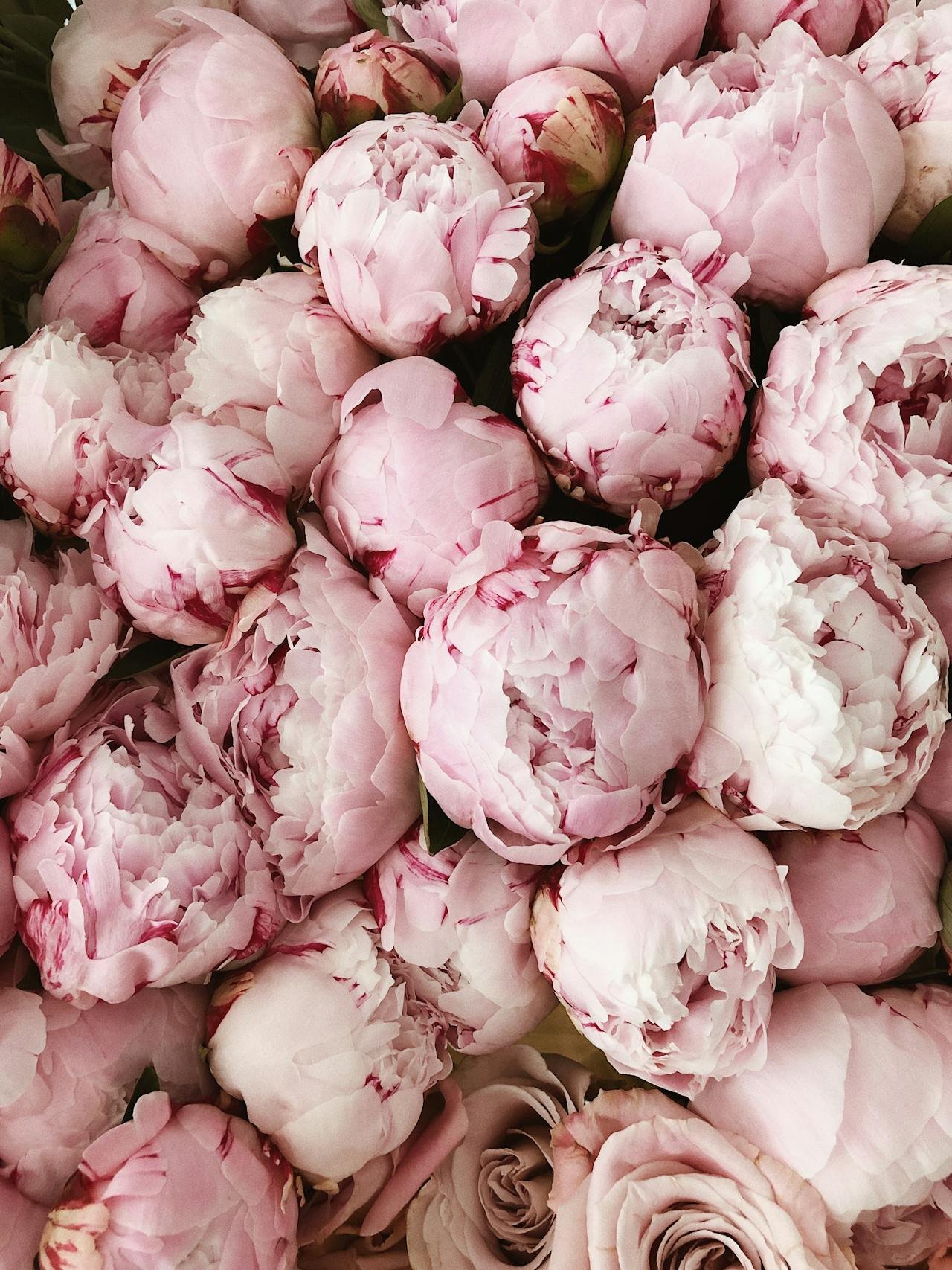
Explore flower arrangements that are created by our award-winning florists

HK Florist

DELIVERY

Workshops
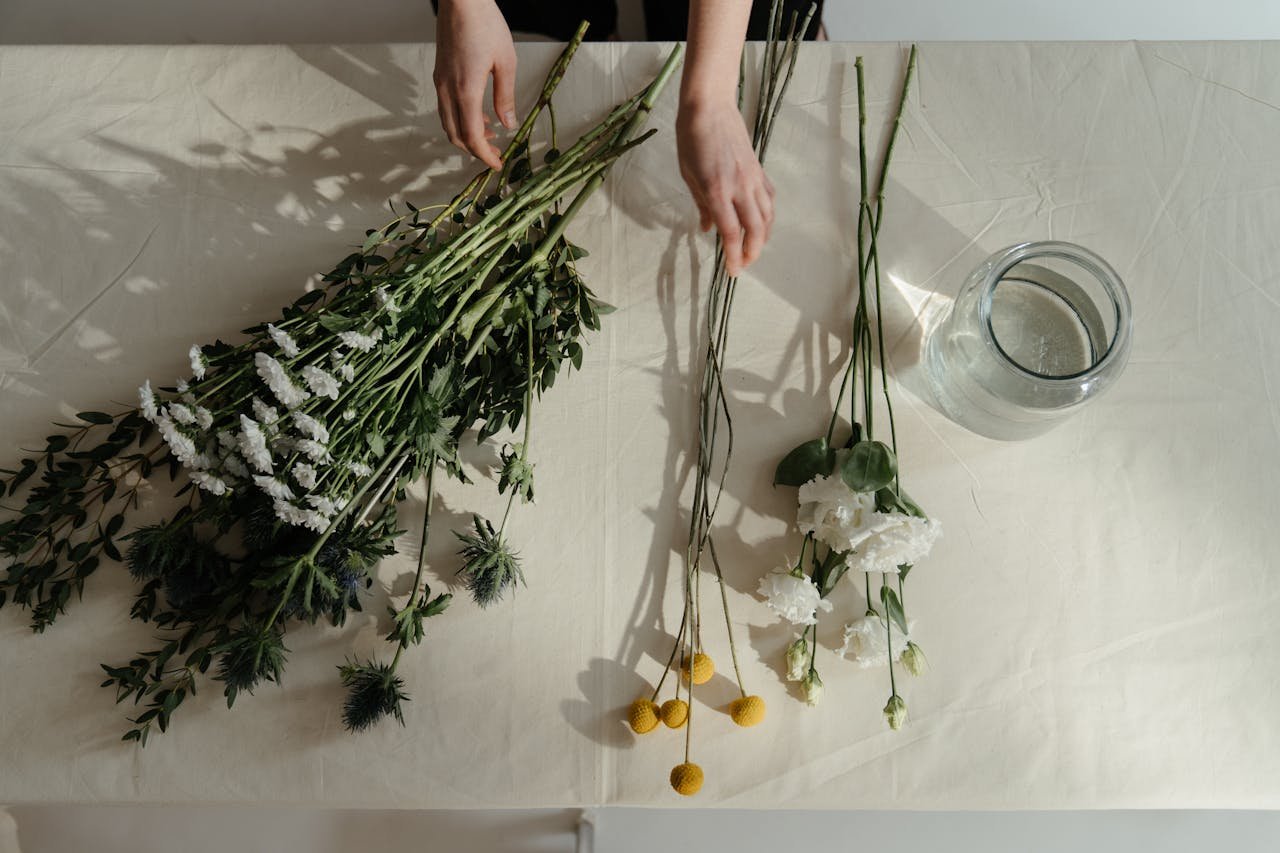
Learn from our master florists at one of our exclusive Hong Kong flower workshops
Florist’s Choice bouquet.
When you are stuck on what flowers to get for a special occasion, let our florists create some extraordinary using the freshest and finest flowers on the day.

Ultimate guide to tulips
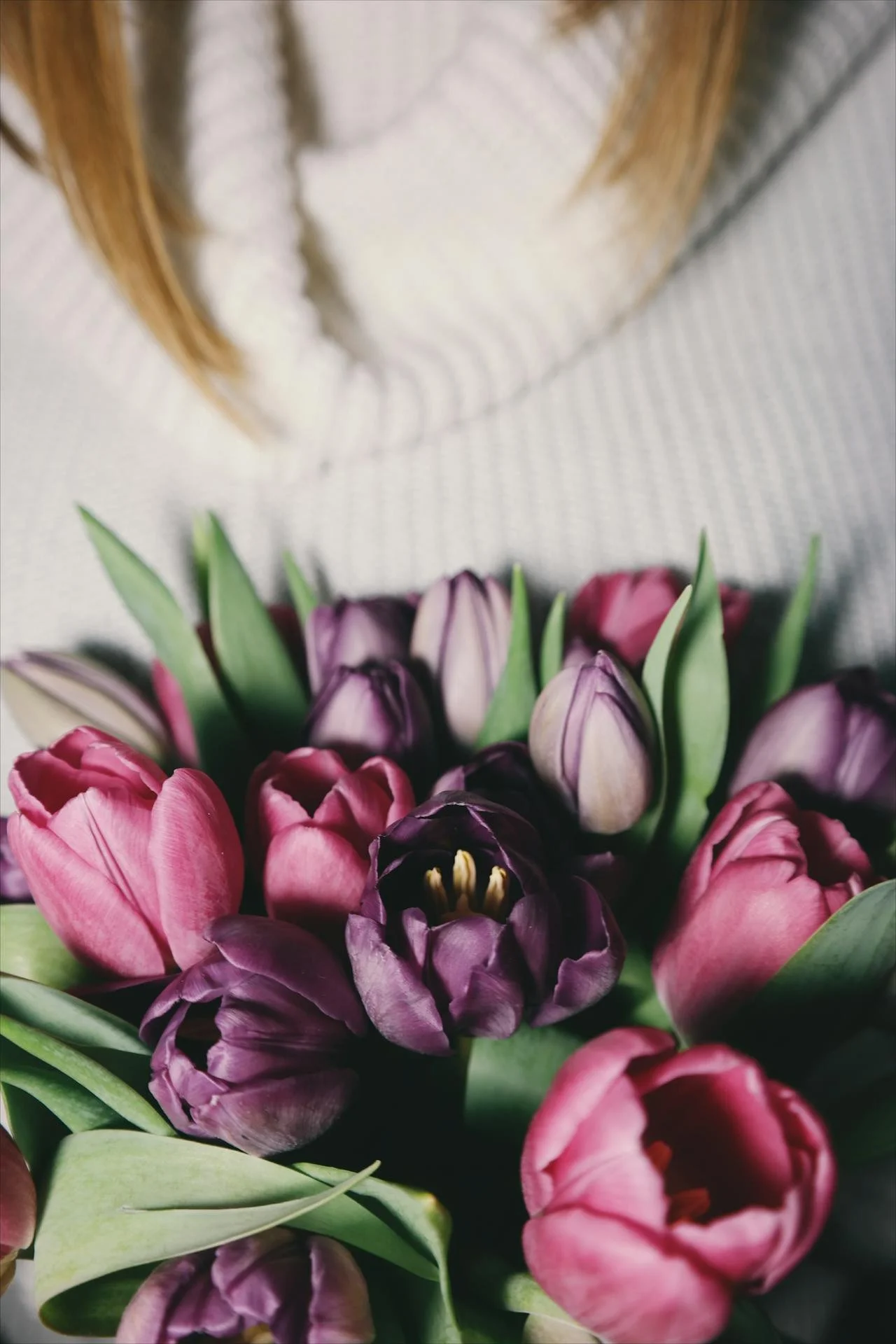
Tulips are vibrant and popular spring flowers that come in a wide range of colors and varieties. If you're looking to learn more about tulips, from their history to care tips, this guide has got you covered.
History of Tulips
Origin: Tulips are native to Central Asia and were cultivated in Turkey as early as the 10th century.
Tulip Mania: In the 17th century, tulips were so highly valued in the Netherlands that it led to what was known as "Tulip Mania," where tulip bulbs were traded as a form of currency.
Symbolism: Tulips are often associated with perfect and deep love, making them a popular choice for romantic gestures.
Types of Tulips
Single Early Tulips: These are the classic cup-shaped tulips that bloom early in the season.
Darwin Hybrid Tulips: Known for their large blooms and sturdy stems, ideal for cut flower arrangements.
Parrot Tulips: Characterized by their ruffled and twisted petals, these tulips add a unique touch to bouquets.
Double Late Tulips: With their peony-like blooms, these tulips are sure to make a statement in any garden.
Tulip Care Tips
Planting: Plant tulip bulbs in the fall, 4-6 weeks before the ground freezes.
Location: Choose a spot with well-draining soil and full sun for the best results.
Watering: Tulips need regular watering, especially during dry spells, but be cautious not to overwater.
Maintenance: Deadhead tulips after they bloom and let the foliage die back naturally to ensure the bulbs store energy for the next season.
Uses of Tulips
Bouquets: Tulips are a popular choice for bouquets and floral arrangements due to their vibrant colors and elegant shape.
Gardens: Plant tulips in garden beds or containers to add a pop of color to your outdoor space.
Events: Tulips are often used in weddings, parties, and other events to bring a touch of beauty and sophistication.
Whether you are a tulip enthusiast or just starting to appreciate these beautiful flowers, this ultimate guide to tulips will help you understand and care for them better. Enjoy the beauty and elegance that tulips bring to any occasion!
鬱金香終極指南
鬱金香是充滿活力且受歡迎的春季花卉,有多種顏色和品種。如果您想了解有關鬱金香的更多信息,從它們的歷史到護理技巧,本指南可以滿足您的需求。
鬱金香的歷史
產地:鬱金香原產於中亞,早在十世紀就在土耳其種植。
鬱金香狂熱:17 世紀,鬱金香在荷蘭的價值如此之高,以至於引發了所謂的“鬱金香狂熱”,鬱金香球莖作為貨幣形式進行交易。
象徵意義:鬱金香通常與完美而深沉的愛情聯繫在一起,使其成為浪漫表達的熱門選擇。
鬱金香的種類
單早鬱金香:這些是在季節早期開花的經典杯形鬱金香。
達爾文雜交鬱金香:以其大花朵和堅固的莖而聞名,非常適合切花插花。
鸚鵡鬱金香:這些鬱金香的特徵是荷葉邊和扭曲的花瓣,為花束增添了獨特的氣息。
雙晚鬱金香:這款鬱金香像牡丹一樣綻放,一定會在任何花園中脫穎而出。
鬱金香護理技巧
種植:在秋季,地面結冰前 4-6 週種植鬱金香球莖。
地點:選擇一個排水良好、陽光充足的地方以獲得最佳效果。
澆水:鬱金香需要定期澆水,尤其是在乾旱時期,但要小心不要澆水過多。
維護:鬱金香開花後枯死,讓葉子自然枯死,確保球莖為下一季儲存能量。
鬱金香的用途
花束:鬱金香因其鮮豔的色彩和優雅的形狀而成為花束和插花的熱門選擇。
花園:在花園床或容器中種植鬱金香,為您的戶外空間增添一抹流行色彩。
活動:鬱金香經常用於婚禮、派對和其他活動,以帶來一絲美麗和精緻。
無論您是鬱金香愛好者還是剛開始欣賞這些美麗的花朵,這本鬱金香終極指南都將幫助您更好地了解和照顧它們。享受鬱金香在任何場合帶來的美麗和優雅!
Guide to Tools Used by a Luxury Florist
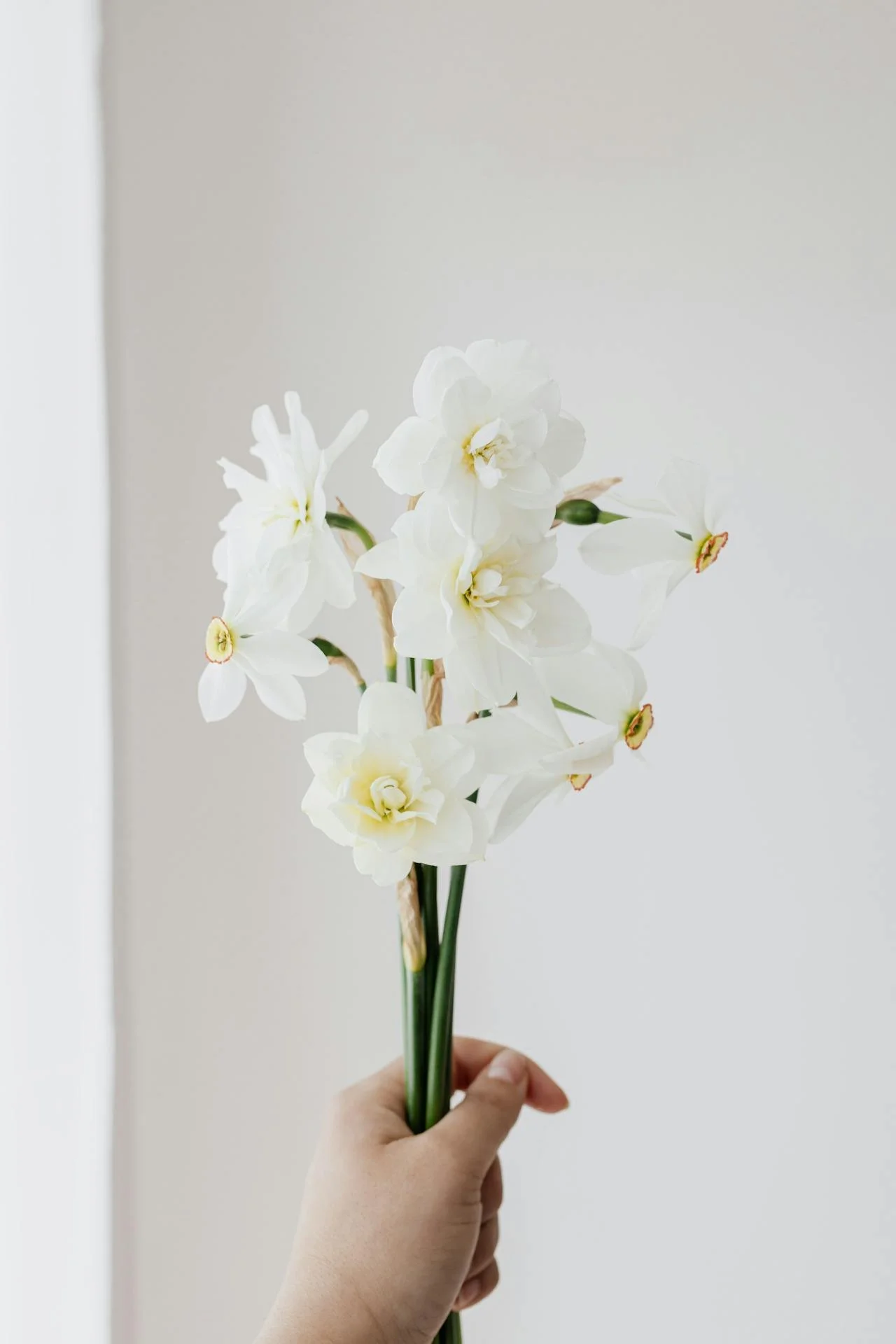
As a luxury florist, having the right tools is essential to creating stunning and exquisite flower arrangements. Here is a guide to some of the key tools commonly used by florists:
1. Floral Shears:
High-quality floral shears are a must-have for any florist. They are used to cut stems cleanly and precisely without crushing them, allowing for better water absorption and longevity of the flowers.
2. Floral Knife:
A sharp floral knife is vital for tasks that require more delicate cutting or shaping of leaves and stems. It provides flexibility and accuracy when working with fragile blooms.
3. Wire Cutters:
Wire cutters are essential for cutting wires and floral stems. They are especially handy when creating intricate arrangements or securing larger flowers in place.
4. Pruning Shears:
Pruning shears are used for trimming thicker stems and branches. They provide the necessary strength and precision for shaping greenery and foliage in arrangements.
5. Floral Foam:
Oasis floral foam is often used as a base for arrangements to hold stems in place. It provides hydration to the flowers and ensures longevity by keeping them fresh.
6. Floral Tape and Wire:
Floral tape and wire are used to secure and reinforce stems, especially when creating cascading or structured arrangements. They help maintain the desired shape and structure of the design.
7. Water Tubes/Vials:
Water tubes or vials are small containers filled with water that are used to keep individual flowers hydrated in arrangements. They are ideal for delicate blooms that require constant moisture.
8. Thorn Strippers:
Thorn strippers are handy tools for removing thorns and unwanted foliage from stems. They help create clean and polished arrangements without causing damage to the flowers.
9. Misting Bottles:
Misting bottles are used to spray water on delicate blooms to keep them fresh and hydrated during the arranging process. They help prevent wilting and maintain the beauty of the flowers.
Having these essential tools in your arsenal will not only make your work as a luxury florist more efficient but also ensure that your floral creations are of the highest quality and standard.
Further information: https://flowerbee-hk.com/blogs/flower-delivery/10-tools-that-every-florist-should-have
Petal & Poem Guide: Entering the Luxury Floristry Industry

Welcome to the world of luxury floristry! At Petal & Poem, we embrace creativity, elegance, and impeccable craftsmanship in our floral designs. As you embark on your journey as an aspiring young florist in the luxury industry, here are some valuable insights from our head florist to guide you along the way:
1. Educate Yourself:
Formal Training: Consider enrolling in floral design courses or programs to learn the fundamentals of floristry. Look for renowned institutions or experienced mentors who can provide in-depth knowledge and hands-on experience.
Continuous Learning: Stay updated on the latest trends, techniques, and floral varieties in the industry. Attend workshops, seminars, and exhibitions to expand your skills and creativity.
2. Build Your Style and Portfolio:
Discover Your Signature Style: Experiment with different designs, color palettes, and arrangements to develop a distinctive aesthetic that sets you apart. Find inspiration from nature, art, and fashion to infuse uniqueness into your creations.
Portfolio Development: Document your work through high-quality photographs and create a professional portfolio showcasing your best designs. A strong portfolio is essential for attracting clients and opportunities in the luxury segment.
3. Gain Experience:
Internships and Apprenticeships: Seek hands-on experience by interning at established florists or applying for apprenticeship programs. Learning from seasoned professionals will help you understand the nuances of luxury floristry and refine your skills.
Event Participation: Volunteer to assist with high-profile events, weddings, or luxury gatherings to gain exposure and network within the industry. Building relationships with event planners, venue managers, and clients can open doors to prestigious opportunities.
4. Embrace Quality and Attention to Detail:
Focus on Excellence: In luxury floristry, precision and quality are paramount. Pay attention to every detail, from selecting the freshest blooms to arranging them flawlessly. Strive for perfection in every creation to uphold the standards expected in the luxury segment.
5. Establish Your Brand:
Craft Your Brand Identity: Define your brand mission, values, and aesthetic to create a strong brand identity. Develop a professional website, social media presence, and marketing materials that reflect the luxury experience you offer.
Client Relationships: Nurture relationships with clients by providing exceptional customer service, personalized experiences, and exquisite floral designs. Word-of-mouth recommendations and client loyalty are essential for long-term success in luxury floristry.
6. Stay Inspired and Innovative:
Seek Inspiration: Stay inspired by exploring diverse art forms, nature’s beauty, and global design trends. Keep an open mind to unconventional ideas and be willing to push boundaries creatively.
Innovation: Experiment with innovative techniques, sustainable practices, and unique floral combinations to continually evolve and stay ahead in the competitive luxury floristry industry.
As you embark on your journey into luxury floristry, remember that passion, perseverance, and a commitment to excellence will be your greatest assets. Stay true to your artistic vision, immerse yourself in the world of beauty and blooms, and let your creativity blossom in extraordinary ways.
Best wishes on your exciting venture into the world of luxury floristry!
Petal & Poem - Where Elegance Blooms
Further recommended reading: https://www.hkafa.com.hk/en/
Guide to 30 Unique Bouquet Styles for Special Occasions
Bouquets are a timeless way to express emotions and enhance special occasions. Here are 30 different bouquet styles ideal for various special events:
Red Roses Bouquet - Perfect for Valentine's Day or anniversaries.
Peony Delight - Ideal for weddings with its romantic and elegant feel.
Sunny Sunflowers - Great for summer birthdays or outdoor celebrations.
Orchid Elegance - A sophisticated choice for Mother's Day.
Tulip Splendor - Bright and colorful, perfect for springtime events.
Lavender Bliss - Relaxing and fragrant, suitable for a spa day gift.
Wildflower Mix - A rustic bouquet style for country-themed weddings.
Pastel Perfection - Soft hues for baby showers or gender reveal parties.
Lily Serenity - A calming choice for sympathy occasions.
Tropical Paradise - Vibrant blooms for a luau-themed party.
Peach Blossom Dream - Delicate and sweet, perfect for bridal showers.
Bold and Bright - Cheerful colors ideal for graduations or promotions.
Eucalyptus Elegance - Trendy and aromatic, great for housewarming gifts.
White Calla Lilies - Pure and classic, suitable for weddings or baptisms.
Succulent Surprise - Unique and long-lasting, ideal for thank you gifts.
Daisy Delight - Casual and fun, perfect for outdoor picnics or gatherings.
Blue Hydrangea Harmony - Tranquil and sophisticated, great for corporate events.
Cherry Blossom Cascade - Elegant and seasonal, perfect for spring festivals.
Monochrome Marvel - A stylish choice for office decor or modern events.
Protea Paradise - Exotic and striking, suitable for milestone celebrations.
Rustic Charm - Perfect for autumn weddings or Thanksgiving centerpieces.
All White Wonder - Timeless and elegant, suitable for formal events.
Vintage Rose Garden - Romantic and nostalgic, ideal for engagement parties.
Festive Poinsettia - Traditional and festive, perfect for Christmas gatherings.
Golden Glamour - Luxurious and opulent, great for New Year's Eve galas.
Tropical Sunset - Bright and exotic, perfect for beach weddings or parties.
Rainbow Radiance - Vibrant and celebratory, suitable for pride events or birthdays.
Champagne Chic - Elegant and sophisticated, great for bridal luncheons.
Edible Arrangement - Unique and practical, ideal for housewarming parties.
Artistic Anthuriums - Modern and artistic, perfect for gallery openings or creative events.
Every occasion can be elevated with the perfect bouquet. Choose a style that resonates with the event and the recipient's preferences to make the moment truly memorable. See our latest seasonal collection here: https://www.petalandpoem.com/store
Guide to the Best Places in Hong Kong for visitors

1. Victoria Peak
Enjoy breathtaking panoramic views of Hong Kong's iconic skyline from the Peak Tram. Visit during sunset for a stunning experience.
2. Victoria Harbour
Experience the Symphony of Lights show, a spectacular light and sound show that illuminates the Hong Kong skyline every evening.
3. Hong Kong Disneyland
Explore the magical world of Disney right in Hong Kong. Enjoy thrilling rides, meet your favorite characters, and experience enchanting shows.
4. Star Ferry
Take a ride on the historic Star Ferry for a classic Hong Kong experience. Enjoy the stunning views of the harbor and the city skyline.
5. Lantau Island
Visit the Tian Tan Buddha, ride the Ngong Ping 360 cable car, and explore the quaint fishing village of Tai O for a blend of culture and nature.
6. Temple Street Night Market
Experience the vibrant atmosphere of this bustling night market. Shop for souvenirs, taste local street food, and enjoy live performances.
7. Wong Tai Sin Temple
Pay a visit to this famous Taoist temple known for its beautiful architecture and serene atmosphere. Experience a traditional Chinese cultural site.
8. Central-Mid-Levels Escalator
Explore the unique transportation system of the world's longest outdoor covered escalator system. Discover hidden gems in the shops and restaurants along the way.
9. Ocean Park
Enjoy a day of fun and excitement at this marine-themed amusement park. Experience thrilling rides, animal encounters, and cultural performances.
10. Tai O Fishing Village
Immerse yourself in the rich cultural heritage of Hong Kong at this traditional fishing village. Explore stilt houses, enjoy fresh seafood, and take a boat ride to see Chinese white dolphins.
Whether you're looking for stunning views, cultural experiences, thrilling rides, or delicious street food, Hong Kong has something to offer every tourist. Explore these top destinations to create unforgettable memories during your visit.
Guide to Residential Areas Popular with Expats in Hong Kong
Hong Kong is a vibrant city that attracts expats from around the world. With its unique blend of Eastern and Western cultures, stunning skyline, and bustling lifestyle, it's no wonder that many expats choose to call this city home. If you're considering moving to Hong Kong and are looking for a residential area popular with expats, here are some key neighborhoods to consider:
1. Central
Central is the heart of Hong Kong, known for its bustling business district, luxury shopping, and vibrant nightlife. Expats living in Central enjoy easy access to top international schools, high-end dining options, and convenient public transportation. https://www.petalandpoem.com/locations/florist-central
2. Mid-Levels
Located on the slopes of Victoria Peak, Mid-Levels offers stunning views of the city and Victoria Harbour. This upscale residential area is popular among expats for its proximity to nature trails, upscale housing options, and international schools. https://www.petalandpoem.com/locations/florist-mid-levels
3. Discovery Bay
For expats looking for a more relaxed vibe, Discovery Bay is a popular choice. Situated on Lantau Island, this car-free community offers a peaceful environment away from the hustle and bustle of the city. Residents can enjoy a beach lifestyle, waterfront dining, and a strong sense of community.
4. Repulse Bay
Known for its beautiful beach and luxury properties, Repulse Bay is a coveted residential area for expats seeking a beachside lifestyle. The neighborhood boasts prestigious schools, upscale shopping malls, and a laid-back atmosphere that is perfect for families. https://www.petalandpoem.com/locations/florist-hong-kong-island-south
5. Sai Kung
If you prefer a more laid-back and nature-oriented lifestyle, Sai Kung is an ideal choice. Located in the New Territories, this waterfront town offers a mix of modern amenities and outdoor activities such as hiking, water sports, and dining at seafood restaurants. Many expat families are drawn to Sai Kung for its close-knit community and slower pace of life. https://www.petalandpoem.com/locations/florist-new-territories-east
When choosing a residential area in Hong Kong, consider factors such as proximity to work, schools, amenities, and personal preferences. Each neighborhood offers its own unique charm and lifestyle, catering to a diverse range of expat residents. Take the time to explore different areas to find the one that best suits your needs and preferences in this dynamic city.
Guide on How to Appreciate a Luxury Flower Bouquet
Luxury flower bouquets are exquisite works of art that bring beauty and joy to any space. Here is a guide on how to truly appreciate and enjoy a luxury flower bouquet:
1. Unboxing and First Impressions
Carefully unwrap the bouquet, taking in the fresh floral scent and vibrant colors.
Notice the intricate arrangement and the premium quality of each bloom.
2. Observing the Details
Take a moment to study each flower in the bouquet. Notice the different sizes, colors, and textures of the blooms.
Admire the foliage and any embellishments that complement the flowers.
3. Understanding Flower Meanings
Research the meanings behind the flowers in your bouquet. Each flower carries symbolism and can convey different emotions.
Appreciate the thought and sentiment behind the choice of blooms.
4. Caring for Your Bouquet
Follow the care instructions provided with the bouquet to ensure its longevity.
Place the bouquet in a clean vase with fresh water and floral preservative, and trim the stems regularly.
5. Displaying the Bouquet
Choose a prominent location to display your luxury flower bouquet, where you can appreciate it often.
Consider the lighting and surroundings to enhance the beauty of the blooms.
6. Enjoying the Bouquet
Take time each day to admire your bouquet and the way it brightens up your space.
Consider taking photographs to capture the beauty of the arrangement.
7. Reflecting on the Experience
Reflect on how the luxury flower bouquet makes you feel. Notice the mood it creates and the happiness it brings.
Appreciate the artistry and skill that went into creating such a stunning arrangement.
By following this guide, you can fully appreciate and enjoy the beauty of a luxury flower bouquet and the art of floristry.
Museum Gardens around the world for flower lovers

If you’re a flower enthusiast, exploring museum gardens with stunning flora and fauna can be an enchanting experience. Here are some remarkable museum gardens around the world that will delight any flower lover:
Palace of Versailles (France)
Highlights: This iconic landmark boasts an immaculate palace, estate, and gardens. The Orangery, dating back to the 17th century, features citrus, palm, and pomegranate trees from Western Europe.
Art Collection: The museum houses over 60,000 works of primarily 16th-19th French paintings and sculptures.
Inhotim (Brazil)
Unique Features: Located in Brumadinho, Inhotim is one of the largest outdoor art centers in Latin America.
Botanical Collection: It hosts rare plant species from every continent, emphasizing biodiversity and conservation.
Exhibition Park Rose Garden (Los Angeles, USA)
Setting: Situated just south of the University of Southern California, this former agricultural park now houses several museums.
Rose Varieties: Over 200 varieties of roses flourish in these gardens, providing a delightful escape.
Boboli Gardens (Florence, Italy)
Must-See: Proudly displayed behind the Pitti Palace, the Boboli Gardens span 111 acres.
Inspiration: These gardens influenced other European royal gardens, including Versailles.
Remember to visit these museum gardens during your next trip—they’re not only repositories of art but also havens of natural beauty!
The World’s Most Luxurious Flower Varieties: A Blooming Extravaganza

When it comes to luxury, flowers aren’t just about fragrance and color—they’re exquisite works of art. From rare blooms to those with historical significance, these luxurious flowers are coveted by collectors, decorators, and connoisseurs alike. Let’s explore the crème de la crème of the floral world:
1. Gloriosa Lily (Gloriosa superba)
Price Tag: Up to US$10 per stem.
Why Luxurious?: Also known as the flame lily or glory lily, the gloriosa thrives in hot conditions in tropical Africa and Asia. Its long stamens are surrounded by striking red-orange reflexed tepals. However, its rarity and difficulty in harvesting contribute to its high price.
Caution: The gloriosa lily is very poisonous, so please don’t eat it!
2. Arum Lily (Arum maculatum)
Price Tag: $13 to $16 per stem.
Why Luxurious?: Often confused with the calla lily, the arum lily is not a true lily. It’s related to leafy plants like caladium and philodendron. These tall, white, hood-shaped flowers were even featured in Prince Edward’s 1999 wedding.
3. Gardenia (Gardenia jasminoides)
Price Tag: $20 to $60 per plant.
Why Luxurious?: Gardenias are not rare, but their popularity as wedding flowers and their intoxicating fragrance contribute to their luxurious reputation. You can’t buy gardenias by the stem—they must be purchased as whole plants.
4. Saffron Crocus (Crocus sativus)
Price Tag: $1,200 to $1,500 per pound.
Why Luxurious?: The saffron flower produces the world’s most expensive spice by weight—saffron. Its vibrant purple bloom yields a deep golden-orange stamen, which is hand-picked, dried, and sold as saffron. It takes 80,000 flowers to harvest a mere 500 grams of this precious spice.
5. Rothschild’s Slipper Orchid (Paphiopedilum rothschildianum)
Price Tag: Priceless (literally).
Why Luxurious?: This rare orchid is native to Borneo and is considered one of the most beautiful slipper orchids. Its petals resemble a slipper, and its unique coloration makes it a collector’s dream.
Selecting the Perfect Luxurious Flower Bouquet for Special Occasions

When it comes to choosing a luxurious flower bouquet for a special occasion, attention to detail and thoughtfulness are key. Whether it’s a birthday, anniversary, or a heartfelt gesture, here’s your guide to creating an exquisite floral gift that will leave a lasting impression:
1. Understand the Occasion and Its Symbolism
Research the occasion: Consider the purpose of the bouquet. Is it for a romantic anniversary, a joyful birthday, or a sympathy gesture? Each occasion carries unique significance, and the right flowers can convey your message effectively.
Symbolism matters: Flowers have a rich language of their own. For example, red roses symbolize love, while white lilies signify purity. Choose blooms that align with the occasion and the recipient’s sentiments.
2. Personalize the Bouquet
Know the recipient: Consider their preferences. Are they drawn to vibrant, show-stopping blooms or do they appreciate elegant minimalism? Observe their style and taste, or simply ask them directly.
Add a personal touch: Include their favorite flowers or colors. Customization makes the bouquet more meaningful.
3. Consider the Color Palette
Classic elegance: Opt for a single type of flower in one color for a timeless and chic result. Roses, lilies, and lily of the valley work wonderfully for classic bouquets.
Vibrant joy: Choose vibrant blooms like gerberas, tulips, or peonies for a joyful and colorful arrangement.
Romantic hues: Use red or pink flowers to add a touch of romance. Tie the bouquet with a satin ribbon for an elegant finish.
4. Balance Blooms and Foliage
Texture and variety: Combine different flower shapes and sizes. Mix large blooms with delicate filler flowers like baby’s breath or ferns.
Greenery matters: Incorporate elegant greenery to add sophistication. Ferns, eucalyptus, or even succulents can enhance the overall look.
5. Evaluate the Flowers’ Fragrances
Scented blooms: Some flowers give off a heady fragrance, while others are more subtle. Consider your recipient’s perfume or aftershave preferences. English scented roses are luxurious, but other options like lily of the valley also work beautifully.
6. Seasonal and Sustainable Choices
Seasonal blooms: Whenever possible, choose seasonal and locally grown flowers. They are kinder on your wallet and the planet. Out-of-season flowers may be more expensive and have a larger carbon footprint.
UK-grown options: If you’re in the UK, explore local flower varieties that thrive during specific seasons: https://uk.the-floristry.com/
Remember, a well-chosen bouquet is more than just a gift—it’s a thoughtful expression of your feelings. Let the language of flowers speak volumes, and create a luxurious experience for your loved ones.
Guide to Different Types of Flowers for Tea
When it comes to enjoying a soothing cup of tea, why not explore the world of floral infusions? Here are some delightful flowers that can elevate your tea experience:
1. Chamomile:
Flavor Profile: Known for its calming properties, chamomile tea offers a delicate apple-like flavor with a hint of floral sweetness.
Health Benefits: Chamomile is popular for its soothing effects, aiding in better sleep and digestion.
2. Lavender:
Flavor Profile: Lavender tea is fragrant and slightly sweet, with a subtle floral taste that relaxes the senses.
Health Benefits: This flower is commonly used to reduce stress and promote relaxation.
3. Rose:
Flavor Profile: Rose tea exudes a floral and slightly sweet taste, offering a luxurious and romantic experience.
Health Benefits: Rich in antioxidants, rose tea can help boost immunity and improve skin health.
4. Hibiscus:
Flavor Profile: Hibiscus tea is vibrant with a tart, cranberry-like flavor and a deep red hue.
Health Benefits: Known for its high vitamin C content, hibiscus tea may help lower blood pressure and improve liver health.
5. Jasmine:
Flavor Profile: Jasmine tea is subtly floral and fragrant, with a calming aroma that complements its light taste.
Health Benefits: Jasmine tea is often enjoyed for its relaxation properties and potential to reduce stress.
Tips for Brewing Floral Teas:
Water Temperature: Different flowers require specific water temperatures. Generally, use 180°F (82°C) for delicate flowers like chamomile and jasmine, and 212°F (100°C) for robust flowers like hibiscus.
Steeping Time: Follow the recommended steeping time to avoid bitterness or overpowering floral notes.
Freshness: Use high-quality dried flowers or fresh petals for the best flavor and fragrance.
Explore the beauty and benefits of floral teas by incorporating these diverse flowers into your tea-drinking ritual. Enjoy the calming effects and exquisite flavors that each bloom brings to your cup!
不同類型的茶花指南
當談到享受一杯舒緩的茶時,為什麼不探索花香的世界呢?以下是一些可以提升您的茶體驗的令人愉悅的花朵:
1.洋甘菊:
風味簡介:洋甘菊茶以其鎮靜特性而聞名,具有精緻的蘋果風味,並帶有一絲花香的甜味。
健康益處:洋甘菊因其舒緩作用而廣受歡迎,有助於更好的睡眠和消化。
2.薰衣草:
風味簡介:薰衣草茶香氣濃鬱,微甜,帶有微妙的花香,放鬆感官。
健康益處:這種花通常用於減輕壓力和促進放鬆。
3.玫瑰:
風味簡介:玫瑰茶散發著花香和微甜的味道,給人一種奢華浪漫的體驗。
健康益處:玫瑰茶富含抗氧化劑,有助於增強免疫力並改善皮膚健康。
4.木槿花:
風味簡介:木槿茶充滿活力,帶有酸果蔓般的味道和深紅色調。
健康益處:芙蓉茶以其高維生素 C 含量而聞名,可能有助於降低血壓和改善肝臟健康。
5.茉莉花:
風味簡介:茉莉花茶具有微妙的花香和芳香,具有平靜的香氣,與其清淡的味道相得益彰。
健康益處:茉莉花茶因其放鬆特性和減輕壓力的潛力而受到人們的喜愛。
沖泡花茶的技巧:
水溫:不同的花卉需要特定的水溫。一般來說,對於洋甘菊和茉莉花等嬌嫩的花朵,使用 180°F (82°C) 的溫度;對於木槿等健壯的花朵,使用 212°F (100°C) 的溫度。
浸泡時間:遵循建議的浸泡時間,以避免苦味或過度的花香。
新鮮度:採用優質乾燥花或新鮮花瓣,以獲得最佳的風味和香味。
將這些不同的花朵融入您的飲茶儀式中,探索花茶的美麗和好處。享受每朵花為您的杯子帶來的平靜效果和精緻風味!
Guide to Sending Condolence Flowers in Hong Kong
Losing a loved one is a difficult and emotional time, and many people choose to express their sympathy and support through sending condolence flowers. If you are considering sending condolence flowers in Hong Kong, here is a guide to help you navigate the process with sensitivity and care:
Choosing the Right Flowers: When selecting condolence flowers, opt for traditional choices such as white lilies, chrysanthemums, or roses, which symbolize purity, peace, and respect. White flowers are commonly associated with sympathy and are a safe choice for such occasions.
Selecting the Arrangement: Sympathy flowers in Hong Kong are typically arranged in wreaths, standing sprays, or bouquets. Wreaths are often displayed at the funeral service, while standing sprays are suitable for sending directly to the funeral home or the family's residence. Bouquets can also be a heartfelt gesture if you prefer a more personal touch.
Etiquette and Timing: It is customary to send condolence flowers as soon as you hear about the passing. In Hong Kong, it is common to send flowers directly to the funeral home rather than to the family's home. If you prefer to send flowers to the family, ensure they arrive before or after the funeral to avoid any inconvenience.
Personalization: Consider adding a personalized note or card to convey your condolences and support to the bereaved family. Keep your message simple, heartfelt, and comforting during this difficult time.
Respecting Cultural Customs: Hong Kong has a diverse culture with various customs and beliefs regarding funerals and condolences. Be mindful of any specific traditions or restrictions the family may follow and choose flowers and colors accordingly.
Selecting a Reputable Florist: Choose a trusted florist in Hong Kong with experience in handling condolence flowers. Ensure they provide reliable delivery services and offer fresh, high-quality blooms for this sensitive occasion.
Follow-Up After the Funeral: Sending condolence flowers is a thoughtful gesture, but it is also essential to follow up with a sympathy card or a visit to offer your support and comfort to the grieving family after the funeral.
Sending condolence flowers in Hong Kong is a gesture of support and sympathy that can provide solace and comfort during a challenging time. By following these guidelines with compassion and respect, you can convey your heartfelt condolences in a meaningful way.
A Day in the Life of a Hong Kong Florist
As a florist at Petal & Poem, each day begins before the sun rises. The shop is filled with the fragrant scent of fresh blooms as we meticulously prepare for the day ahead.
First, we inspect the flowers, ensuring each stem is vibrant and flawless. We carefully arrange them into stunning bouquets, taking into consideration the unique preferences of each customer. Attention to detail is key – every petal placed with precision, every bow tied with care.
Throughout the day, we assist customers in selecting the perfect arrangement for their special occasions. From birthdays to weddings, our floral creations convey emotions and sentiments without saying a word.
Amidst the hustle and bustle of the shop, there are moments of serenity. As we work with nature's beauty, we find a sense of calm and fulfillment. Crafting each arrangement is not just a task – it is an art form that brings joy to both the giver and the receiver.
At the end of the day, as the sun sets and the shop quietens, we reflect on the smiles we have helped create and the memories our flowers will be a part of. And as we lock the doors, we look forward to another day of spreading love and beauty through petals and poems.
Training to Become a Luxury Florist in Hong Kong
If you aspire to become a luxury florist in Hong Kong, where creativity and attention to detail are highly valued, here are the steps to guide you through your training:
1. Education and Training
Formal Education: Consider obtaining a degree or certification in floristry or a related field from a reputable institution. This will provide you with a solid foundation of floral design principles.
On-the-Job Training: Gain practical experience by working in a floral shop or assisting experienced florists. This hands-on training will enhance your skills and knowledge of working with different types of flowers.
2. Specialization and Expertise
Mastering Floral Design: Focus on honing your skills in floral arrangement, color theory, and design aesthetics to create visually stunning and unique floral displays.
Knowledge of Flowers: Familiarize yourself with a wide range of flowers, including their characteristics, seasons, and care requirements. This knowledge will help you recommend the best options to your clientele.
3. Networking and Exposure
Attend Workshops and Seminars: Stay updated with the latest trends and techniques in the industry by attending workshops and seminars conducted by experienced florists.
Participate in Competitions: Showcase your talent and creativity by participating in floral design competitions to gain exposure and recognition in the industry.
4. Customer Service and Business Skills
Develop Communication Skills: Learn to effectively communicate with clients to understand their preferences and create personalized floral arrangements.
Understand Business Operations: Acquire knowledge of pricing, sourcing, and managing inventory to run a successful luxury floral business in Hong Kong.
5. Build Your Portfolio
Create a Portfolio: Document your best floral designs through photographs to showcase your talent and style to potential clients and employers.
Online Presence: Establish an online presence through a professional website or social media platforms to reach a wider audience and attract clientele.
6. Continuous Learning and Growth
Stay Inspired: Keep abreast of industry trends and innovations by researching and exploring new floral design techniques.
Seek Mentorship: Collaborate with experienced florists or mentors to gain insights, feedback, and guidance for your professional development.
By following these steps and dedicating yourself to continuous learning and improvement, you can embark on a rewarding journey towards becoming a successful luxury florist in vibrant Hong Kong.
Further reading on florist training in Hong Kong: https://www.hkafa.com.hk/en/
the Historical Cultural Background of 20 Popular Flower Types Used in Flower Arrangements
Flowers have played a significant role in cultures around the world, each holding a unique historical and cultural significance. Here are the historical backgrounds of 20 popular flower types commonly used in flower arrangements:
Roses: With a history dating back thousands of years, roses symbolize love and beauty across various cultures, making them an enduring symbol of romance.
Lilies: Lilies have been associated with purity and devotion, often used in religious ceremonies and to symbolize rebirth and renewal.
Tulips: Originating from Persia, tulips were considered a symbol of wealth and abundance during the Ottoman Empire, leading to a period known as "Tulip mania."
Orchids: Orchids have been prized for their exotic beauty and have been associated with luxury, love, and beauty in ancient Greek mythology.
Peonies: In Chinese culture, peonies are known as the "king of flowers" symbolizing honor, wealth, and prosperity. They are often used in weddings for good luck.
Sunflowers: Native to the Americas, sunflowers are associated with adoration and loyalty and symbolize happiness and vitality.
Daisies: Daisies are often seen as symbols of innocence and purity, with different varieties holding various meanings across different cultures.
Hydrangeas: Hydrangeas originated in Japan and symbolize heartfelt emotions, gratitude, and apology. They are often used to convey sincerity.
Carnations: Carnations have been cultivated for over 2,000 years and are often associated with motherly love, making them a popular choice for Mother's Day bouquets.
Daffodils: Daffodils are a symbol of rebirth and new beginnings, often associated with spring and the Persian New Year, Nowruz.
Cherry Blossoms: In Japanese culture, cherry blossoms symbolize the transience of life and the beauty of nature. They are often used in hanami (flower-viewing) festivals.
Chrysanthemums: Chrysanthemums hold various meanings across cultures, symbolizing death in many European countries but representing longevity and joy in Asian cultures.
Tulips: Associated with the Netherlands, tulips were introduced to Europe in the 16th century, leading to a period of tulip mania and making them a symbol of luxury and elegance.
Iris: The iris symbolizes faith, wisdom, and courage and has been associated with the Greek goddess Iris, who traveled on rainbows.
Anemones: Anemones are often associated with protection against evil and bad luck in Greek mythology, symbolizing anticipation and excitement.
Dahlias: Originating from Mexico, dahlias were considered a symbol of elegance and dignity by the Aztecs and are now prized for their vibrant colors and diverse shapes.
Freesias: Freesias are native to South Africa and symbolize innocence, friendship, and thoughtfulness, often used in wedding bouquets.
Gardenias: Gardenias symbolize purity and sweetness and are often used in weddings and other special occasions to convey love and grace.
Gladiolus: Gladioli symbolize strength, moral integrity, and infatuation. In Roman times, gladiators carried these flowers for protection.
Daises: Daisies symbolize innocence and purity, with different varieties holding various meanings across different cultures.
Understanding the historical and cultural backgrounds of these popular flower types can deepen your appreciation for their beauty and significance in flower arrangements.
Guide to Museums Around the World with Flower Masterpieces

Are you a lover of both art and flowers? Explore the beauty and creativity of floral masterpieces at these renowned museums around the world. Immerse yourself in the vibrant colors and intricate details of these works of art:
1. The Louvre - Paris, France
Masterpiece: "Vase of Flowers" by Jan Brueghel the Elder
Description: This exquisite painting from the 17th century showcases a variety of flowers beautifully arranged in a delicate vase, portraying a timeless elegance. https://www.louvre.fr/en
2. The Metropolitan Museum of Art - New York City, USA
Masterpiece: "Irises" by Vincent van Gogh
Description: Van Gogh's iconic painting features vivid irises in various shades of blue and purple, capturing the artist's unique interpretation of this beloved flower. https://www.metmuseum.org/
3. Rijksmuseum - Amsterdam, Netherlands
Masterpiece: "Still Life with Flowers in a Glass Vase" by Rachel Ruysch
Description: Ruysch, one of the most talented female painters of the Dutch Golden Age, expertly depicts a lush bouquet of flowers with remarkable precision and realism. https://www.rijksmuseum.nl/en
4. Tate Modern - London, UK
Masterpiece: "Water Lilies" by Claude Monet
Description: Monet's series of water lily paintings are celebrated for their dreamy, atmospheric quality and his mastery in capturing the essence of these serene aquatic flowers. https://www.tate.org.uk/visit/tate-modern
5. Uffizi Gallery - Florence, Italy
Masterpiece: "Primavera" by Sandro Botticelli
Description: While not solely focused on flowers, Botticelli's iconic painting includes a lush floral backdrop symbolizing the arrival of spring and rebirth, adding depth and symbolism to the masterpiece. https://www.uffizi.it/en/the-uffizi
Expand your cultural horizons and witness the intersection of art and nature at these museums, where flower masterpieces bloom with timeless beauty.
A First Blooming Romance

Lily had never been one to receive flowers. So, when a delivery arrived at her doorstep one fine afternoon, she couldn't believe her eyes. A delicate bouquet of pink roses, accompanied by a note that read: "May these flowers brighten your day as your smile brightens mine." It was signed simply, "E."
Confusion and excitement battled within Lily as she tried to recall anyone with the initial "E" who might have sent her flowers. Her mind raced through friends, colleagues, and acquaintances, but no one seemed to fit the mysterious sender.
Turning her attention back to the flowers, Lily couldn't deny the beauty and thoughtfulness behind the gesture. The vibrant blooms stood out against the backdrop of her modest living room, filling the space with a sweet, floral scent she had never experienced before. As she arranged the flowers in a vase, each rose seemed to whisper a secret promise of something new and exciting on the horizon.
In the days that followed, Lily found herself eagerly anticipating each new bloom that opened, much like the budding of a newfound romance. She couldn't shake the feeling that "E" held a special place in her heart, even though his identity remained elusive.
Eventually, curiosity got the best of Lily, and she decided to solve the mystery once and for all. After some discreet inquiries and a bit of sleuthing, she discovered that "E" was none other than Evan, a shy young man from her yoga class who had always admired her from afar.
Armed with this newfound knowledge, Lily mustered the courage to approach Evan during their next class. With a shy smile, she thanked him for the beautiful flowers and the joy they had brought into her life. In that moment, amidst the blooming petals and sweet fragrance, a tender connection blossomed between them, marking the beginning of a beautiful new chapter in both their lives.
第一次綻放的浪漫
莉莉從來都不是一個會接受花的人。 因此,當一個晴朗的下午,當一件包裹送到她家門口時,她簡直不敢相信自己的眼睛。 一束精緻的粉紅玫瑰,附有一張紙條,上面寫著:“願這些花朵照亮你的一天,就像你的微笑照亮我的一樣。” 它的簽名很簡單,「E」。
當莉莉試圖回憶起可能會送她花的人時,她的內心感到困惑和興奮。 她的思緒在朋友、同事和熟人之間飛馳,但似乎沒有一個人適合這位神秘的寄件者。
莉莉將注意力轉回花朵上,無法否認這項舉動背後的美麗與體貼。 生氣勃勃的花朵在她樸素的客廳的背景下顯得格外引人注目,讓整個空間充滿了她以前從未體驗過的甜美花香。 當她把花插進花瓶時,每一朵玫瑰似乎都在低語著地平線上即將出現的新的、令人興奮的事物的秘密承諾。
在接下來的日子裡,莉莉發現自己熱切地期待著每一朵新花的綻放,就像一段新的浪漫的萌芽一樣。 她無法擺脫“E”在她心中佔有特殊位置的感覺,儘管他的身份仍然難以捉摸。
最終,好奇心戰勝了莉莉,她決定一勞永逸地解開這個謎。 經過一番謹慎的詢問和一番調查後,她發現「E」不是別人,正是艾文,一個來自瑜珈班的害羞年輕人,一直遠遠地欣賞著她。
有了這些新知識,莉莉鼓起勇氣在下一堂課接近埃文。 她羞澀地微笑著,感謝他送給她美麗的花朵和它們為她的生活帶來的歡樂。 那一刻,在盛開的花瓣和芬芳的芳香中,他們之間綻放出溫柔的聯繫,標誌著他們生命中美麗的新篇章的開始。
Guide to 20 Residential Areas in Hong Kong for Expats
Hong Kong is a vibrant city with diverse residential neighborhoods that cater to the needs of expatriates. Whether you are looking for bustling city life or tranquil nature retreats, Hong Kong has something for everyone. Below is a guide to 20 residential areas in Hong Kong popular among expats:
1. Central: The heart of the business district, with a mix of luxury apartments and historic buildings.
2. Mid-Levels: Offers stunning city and harbor views, with a mix of high-rise apartments and townhouses.
3. Repulse Bay: A prestigious area with beautiful beaches and upscale housing options.
4. Stanley: Known for its relaxed beachside vibe and charming market street.
5. Kennedy Town: Up-and-coming area with a mix of residential and commercial developments.
6. Sai Kung: A laid-back seaside town popular for expat families.
7. Discovery Bay: Car-free community with expat-friendly amenities and a resort-like lifestyle.
8. Tai Koo Shing: Well-connected neighborhood with modern high-rise apartments.
9. Sheung Wan: A blend of old and new, with trendy cafes and art galleries.
10. Sai Ying Pun: Quaint neighborhood with a mix of traditional and modern living.
11. Clear Water Bay: Offers tranquility and lush greenery, popular among nature lovers.
12. Kowloon Tong: Known for its prestigious schools and upscale housing.
13. Tseung Kwan O: Family-friendly neighborhood with affordable housing options.
14. Happy Valley: Famous for its horse racing track and upscale residential towers.
15. North Point: Mix of old and new developments, with a diverse community.
16. Quarry Bay: Growing commercial and residential hub with waterfront promenades.
17. Aberdeen: Offers a mix of traditional fishing village charm and modern amenities.
18. Wan Chai: Bustling neighborhood with a mix of residential and entertainment options.
19. Yau Ma Tei: Known for its vibrant street markets and cultural attractions.
20. Tuen Mun: Affordable area with a mix of public housing and private developments.
When choosing a residential area in Hong Kong, consider factors such as proximity to work, schools, amenities, and transportation. Each neighborhood has its unique charm and offers a different living experience for expatriates in this dynamic city.
the Cultural History of Mother's Day

Mother's Day is a cultural celebration honoring motherhood, maternal bonds, and the influence of mothers in society. The modern version of this holiday has evolved over time, drawing from various cultural, religious, and historical influences.
Ancient Origins
The concept of honoring mothers has ancient roots. In ancient Greece, people celebrated Rhea, the mother of the gods. Romans also held a spring festival dedicated to Cybele, their mother goddess.
Early Christian Influence
Early Christians in the UK and Europe celebrated "Mothering Sunday" during the 4th century to honor the Virgin Mary and the "Mother Church." The tradition involved returning to one's mother church and evolved into a day to honor mothers as well.
American Developments
The precursor to the modern Mother's Day in the United States came from the efforts of Julia Ward Howe and Anna Jarvis in the mid-19th century. Howe's "Mother's Day Proclamation" called for peace and was a response to the Civil War. Anna Jarvis, inspired by her own mother's commitment, initiated a campaign to establish an official Mother's Day to honor the sacrifices mothers made for their children. In 1914, President Woodrow Wilson officially declared the second Sunday in May as Mother's Day.
Commercialization and Modern Celebrations
From the early 20th century, Mother's Day gained popularity and commercial appeal. Greeting card companies, florists, and retailers promoted the holiday. Over time, Mother's Day has become a heavily commercialized occasion - a day for gift-giving, cards, and flowers to show appreciation for mothers and mother figures.
Global Observance
Mother's Day is celebrated in various forms and at different times around the world. While many countries observe it on the second Sunday of May, others have their own dates and traditions. Some cultures have unique customs and rituals to honor mothers, reflecting the diversity of maternal appreciation worldwide.
Contemporary Significance
In modern times, Mother's Day is celebrated as a day to honor and appreciate the women who play significant maternal roles in the lives of their children. It has also expanded to recognize all types of mother figures, including stepmothers, grandmothers, and other influential women.
The history of Mother's Day reflects the evolution of cultural and religious traditions, as well as the impact of influential individuals in championing the recognition and appreciation of motherhood. Despite its commercialization, Mother's Day remains a significant occasion for expressing gratitude and love for the maternal figures in our lives.
Flowers in Art Masterpieces: A Timeless Inspiration
By Petal & Poem
Art and flowers have always shared an undeniable connection. From ancient cave paintings to the Renaissance and beyond, flowers have been a timeless source of inspiration for artists, serving as primary subjects, backdrops, and symbols in numerous masterpieces. Let's delve into the fascinating journey of how flowers have featured in art throughout the ages.
Ancient Civilizations
The fascination with flowers in art dates back to ancient civilizations. In Egyptian art, vibrant and stylized depictions of lotus flowers adorned tombs and sacred spaces, symbolizing rebirth and the sun. In Mesopotamian art, the Tree of Life motif often featured blooming flowers, signifying beauty and fertility.
The Renaissance Era
The Renaissance period witnessed a profound appreciation for the natural world, leading to a surge in floral representation in art. Painters such as Botticelli and da Vinci incorporated floral imagery into their works, using flowers to convey symbolic and allegorical meanings. Roses, lilies, and other blossoms became integral elements in religious and secular masterpieces, adding layers of depth and emotion to the compositions.
Dutch Golden Age
During the Dutch Golden Age, still-life paintings flourished, and flowers emerged as sought-after subjects for artists. Renowned painters like Rachel Ruysch and Jan van Huysum meticulously captured the intricate beauty of flowers, showcasing their technical prowess and attention to detail. These sumptuous floral compositions not only celebrated the ephemeral beauty of blooms but also reflected the era's wealth and cultivation of the natural world.
Impressionism and Beyond
The 19th century saw a shift towards a more personal and emotive portrayal of flowers in art. Impressionist artists, including Claude Monet and Pierre-Auguste Renoir, embraced the fleeting qualities of flowers, using loose brushwork and vibrant palettes to capture the essence of blossoms in various lighting conditions. Post-impressionists like Vincent van Gogh explored the expressive potential of flowers, infusing them with emotional intensity and symbolism in iconic works such as "Sunflowers."
Contemporary Expressions
In contemporary art, flowers continue to captivate artists as they explore new forms of expression. From hyper-realistic floral portraits to abstract interpretations, contemporary artists continually reinvent the role of flowers in art, pushing the boundaries of representation and meaning.
Whether as a symbol of love and beauty, a metaphor for life's transience, or a study in color and form, flowers remain an enduring muse for artists across the ages. Their delicate allure and rich symbolism ensure that they will continue to bloom within the canvas of art, inspiring and enchanting viewers for generations to come.
As we admire the timeless beauty of floral art masterpieces, let us also celebrate the everlasting charm of flowers in our lives, enriching our surroundings with their unrivaled grace and elegance.
At Petal & Poem, we honor the artful splendor of flowers and strive to bring their enduring allure into the heart of our creations, crafting exquisite floral arrangements that embody the spirit of art and nature.
This article provides a broad overview of the intricate relationship between flowers and art throughout history, showcasing their evolution as a perennial muse for artists across diverse epochs. It encompasses various historical periods and artistic movements to present a comprehensive exploration of the subject. If you need more in-depth analysis of specific artworks or movements, feel free to let us know.
A cultural and literary history of Valentine’s Day
Valentine's Day is a holiday celebrated on February 14th every year. It is a day dedicated to love and affection, where people express their feelings to their loved ones. But have you ever wondered about the cultural and literary history behind this romantic holiday? Let's take a journey through time and explore the origins and evolution of Valentine's Day.
1. Ancient Roman Festival of Lupercalia
The roots of Valentine's Day can be traced back to the ancient Roman festival of Lupercalia. This fertility festival was celebrated from February 13th to 15th and involved various rituals to purify the city and promote health and fertility. It was also a time when young men and women were paired through a lottery system, which often led to marriage.
2. St. Valentine, the Patron Saint of Love
The association of Valentine's Day with love and romance can be attributed to St. Valentine, a Christian martyr who lived in the 3rd century. The exact details of his life are unclear, but he is believed to have performed secret marriages for soldiers, defying the Roman Emperor's ban on marriage for young men. St. Valentine was executed on February 14th, and his martyrdom became a symbol of love and sacrifice.
3. Chaucer's Influence
In the 14th century, the English poet Geoffrey Chaucer played a significant role in popularizing Valentine's Day as a day of love in his poem "Parliament of Fowls." He linked the tradition of courtly love with the celebration of St. Valentine's feast day, further cementing the association between love and Valentine's Day.
4. The Rise of Valentine's Day Cards
In the 18th century, the exchange of handmade cards became a popular tradition associated with Valentine's Day. These cards, known as "valentines," were often adorned with lace, ribbons, and romantic symbols. The tradition of sending valentine cards grew in popularity, especially in England and the United States, and eventually evolved into the commercially printed cards we see today.
5. Valentine's Day in Literature and Popular Culture
Valentine's Day has been a recurring theme in literature and popular culture. From Shakespeare's sonnets to Jane Austen's novels, love and romance have been central themes in many literary works. In modern times, Valentine's Day is often depicted in movies, songs, and other forms of media, further solidifying its place in popular culture.
6. Global Celebration of Love
Today, Valentine's Day is celebrated in many countries around the world. While traditions may vary, the essence of the holiday remains the same – expressing love and affection to those who are dear to us. Whether it's through the exchange of gifts, romantic gestures, or heartfelt words, Valentine's Day continues to be a day dedicated to celebrating love in all its forms.
Valentine's Day has a rich cultural and literary history that spans centuries. From ancient Roman festivals to the influence of poets and the rise of valentine cards, this holiday has evolved into a global celebration of love. So, as you celebrate Valentine's Day this year, take a moment to appreciate the historical significance and the enduring tradition behind this day of love.
以下是香港 8 家頂級花店的名單,展示了各種花藝風格和服務:
The Floristry 以藝術和創意插花而聞名,將花朵與美術融為一體,創造出客製化的主題設計。無論是婚禮還是特殊活動,他們的客製化花束都因其獨特性和創造力而脫穎而出。
Flannel Flowers 專注於優質訂製花藝和精心策劃的花束和花盒系列。他們使用從歐洲、日本和美國進口的鮮花,以創造奢華和個性化的佈置而聞名。
Bydeau 這家花店提供無縫的線上購物體驗,並為任何場合提供精心策劃的安排。 Bydeau 的手扎花束和多肉植物很受歡迎,他們提供當天和預定的送貨服務。
Ellermann Flower Boutique 將優雅與意想不到的觸感融為一體,創造出奢華而獨特的花卉設計。他們位於置地廣場和太古廣場,提供現成的佈置和客製化服務以及花卉工作坊。
Gift Flowers HK 專注於經典和現代花卉禮品,提供從盒裝鮮花到個性化花瓶的各種商品。他們的系列產品,包括母親節禮物,以其優雅和貼心的展示而聞名。
Anglo Chinese Florist 是香港歷史最悠久的花店之一,以其奢華的花藝而聞名。它們的花朵來自全球,是高端花卉禮品和客製化設計的首選。
Blooms & Blossoms 為活動提供別緻的季節性佈置和花卉裝飾,從日常花束到精緻的裝置,應有盡有。他們的 Bloom Bucket 系列有多種顏色可供選擇,非常適合送禮。
Bloom & Song 因其專注於新鮮的時令花卉和樹葉而聞名。他們的設計旨在重新連接人與自然,他們還提供獨特的手工產品,如大豆蠟蠟燭。
這些花店提供各種風格,從豪華定製到創意季節性,確保在香港有適合各種場合的完美花店。
