
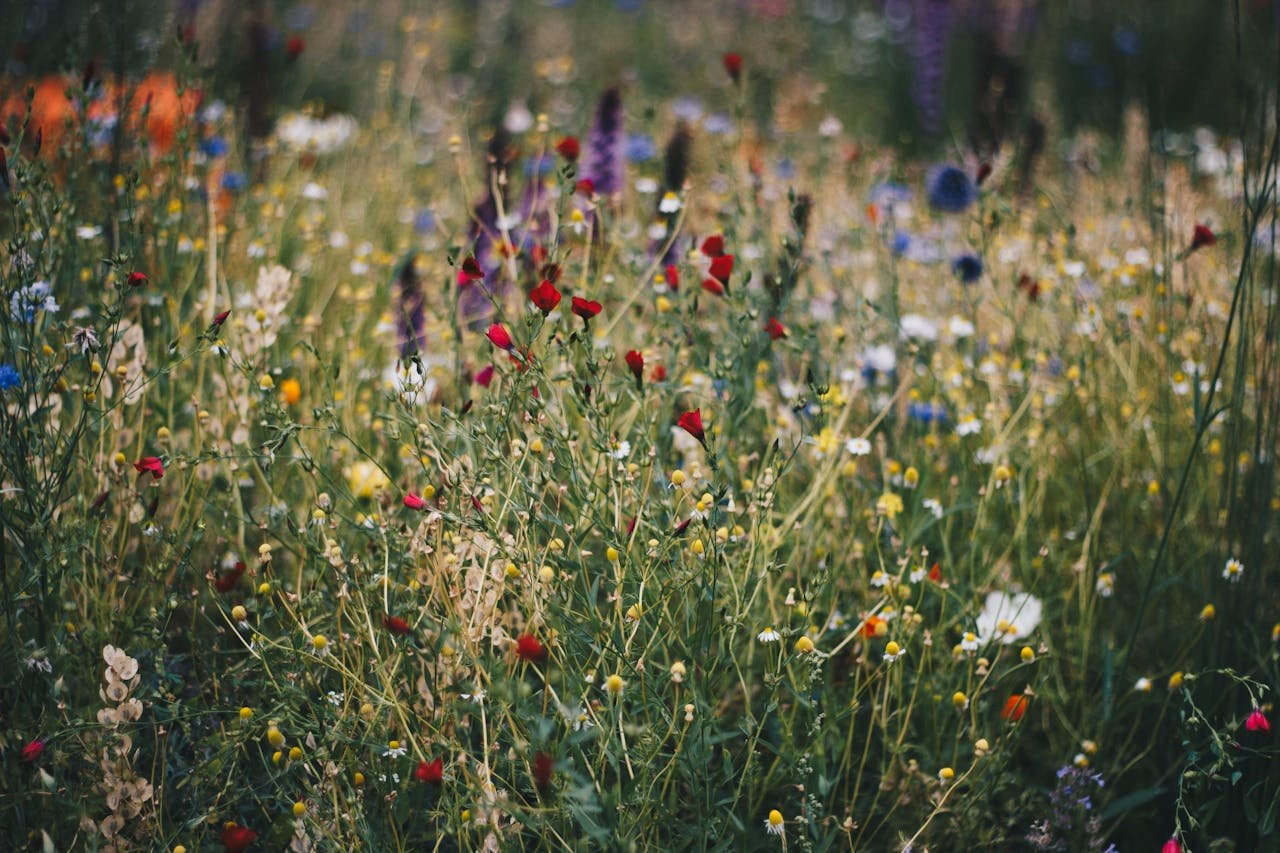
Hong Kong florist known for luxury flower bouquets
Discover a premium selection of seasonal floral arrangements for flower delivery across Hong Kong Island, Kowloon and New Territories
以奢華花束聞名的香港花店
探索香港島、九龍和新界送花的精選季節性插花
Premium flower delivery Hong Kong
When the special occasion calls for luxury blooms, you can’t go wrong with Petal & Poem. Our seasonal range of flower bouquets are crafted from the finest blooms by our master florists.
優質鮮花遞送。 當特殊場合需要奢華花朵時,Petal & Poem 絕對不會出錯。我們的季節性花束系列由我們的花藝大師採用最優質的花朵精心製作。


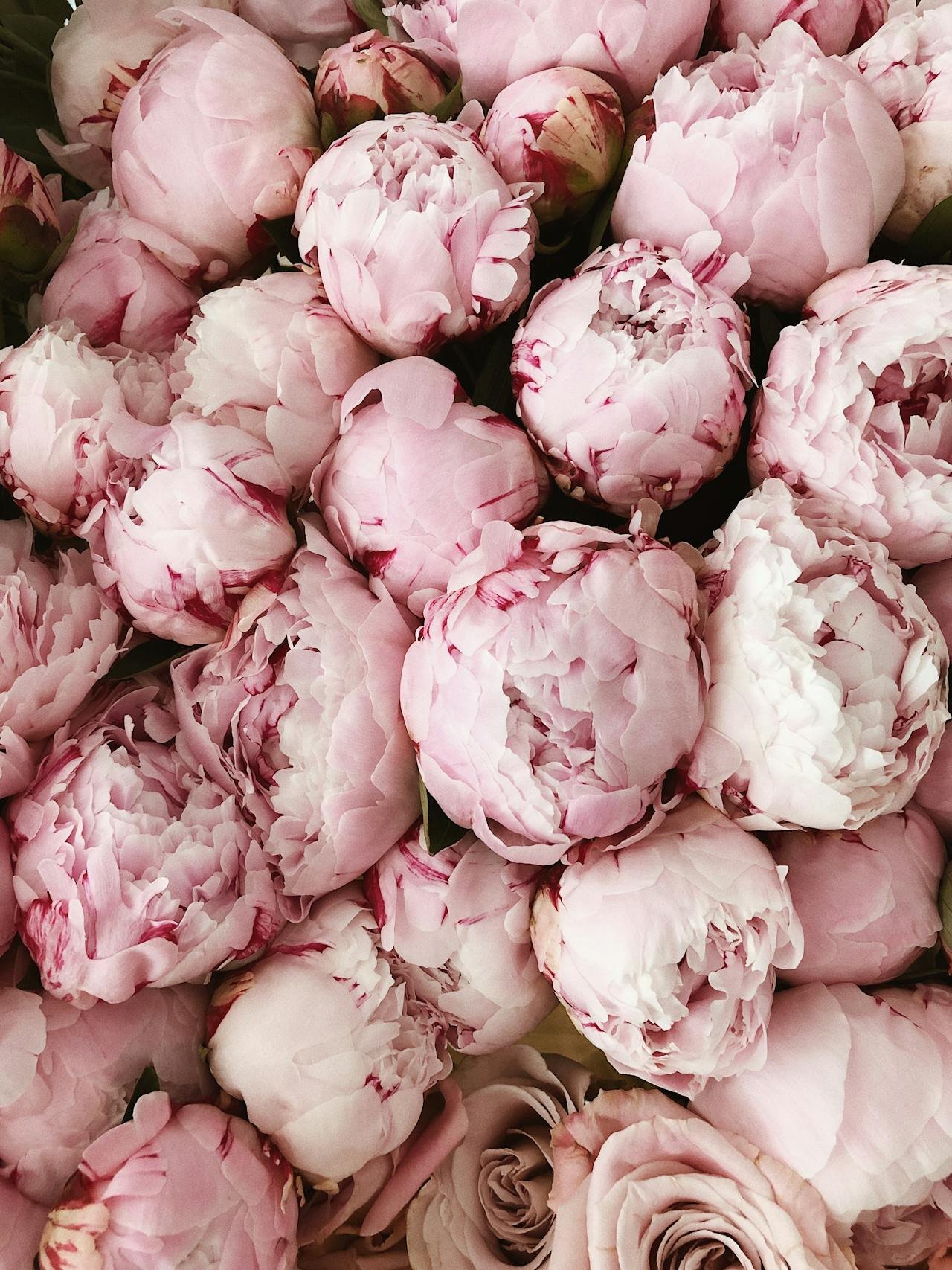
Explore flower arrangements that are created by our award-winning florists

HK Florist

DELIVERY

Workshops
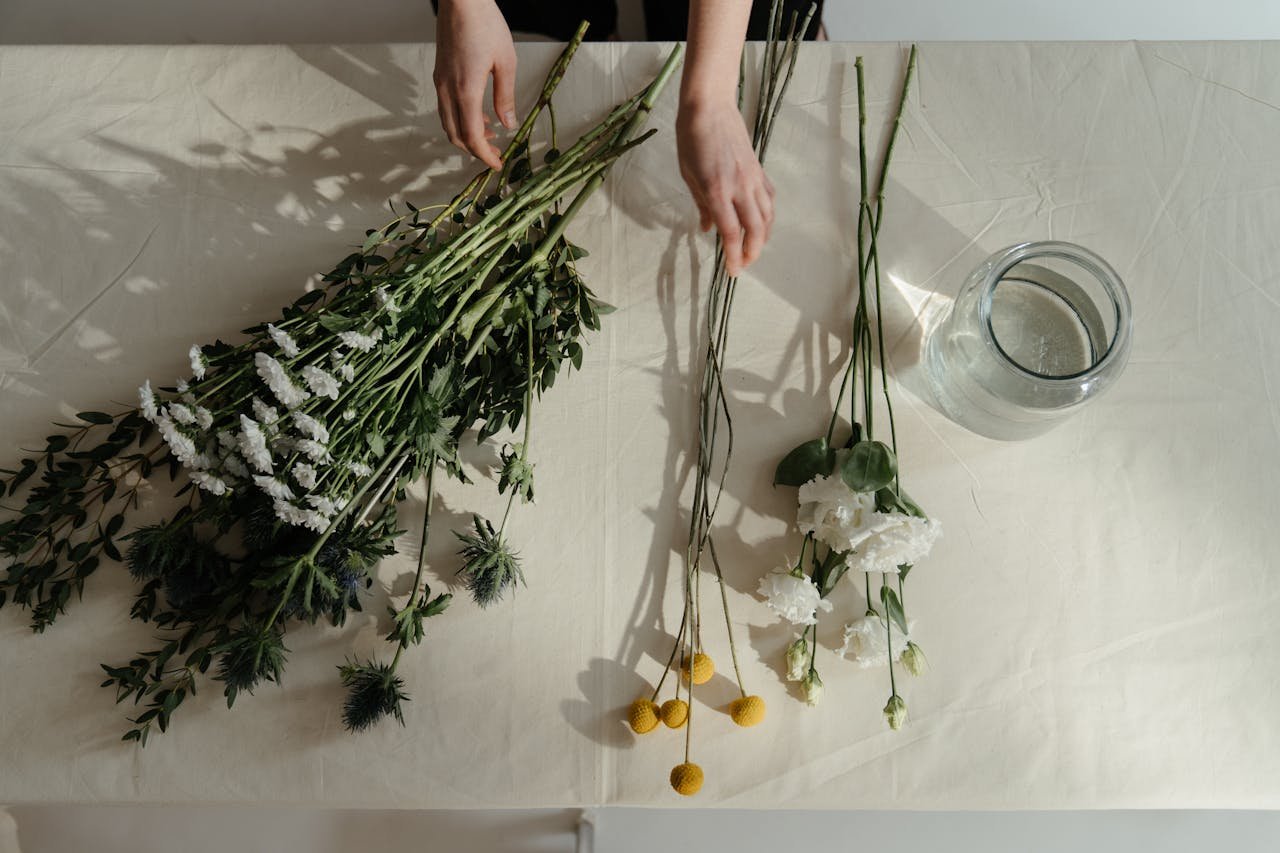
Learn from our master florists at one of our exclusive Hong Kong flower workshops
Florist’s Choice bouquet.
When you are stuck on what flowers to get for a special occasion, let our florists create some extraordinary using the freshest and finest flowers on the day.

Guide to Japanese Ikebana Flower Arranging
Ikebana, the traditional Japanese art of flower arranging, is a beautiful and contemplative practice that combines aesthetics, harmony, and symbolism. Rooted in Zen Buddhism, Ikebana is not just about creating a visually appealing floral arrangement but also about creating a spiritual connection between nature and self. In this guide, Petal & Poem explores the fundamentals of Japanese Ikebana flower arranging.
1. Understanding the Principles
Ikebana follows several key principles that set it apart from conventional floral arrangements:
a. Minimalism and Simplicity
Ikebana emphasizes minimalism, focusing on choosing a few carefully selected flowers or branches to create an arrangement that highlights empty space. Simplicity is key, with an emphasis on creating an aesthetically pleasing composition with as few elements as possible.
b. Line and Form
Ikebana places great importance on the concept of line and form. Each stem and branch is carefully selected and positioned to create beautiful lines and shapes that represent the beauty of nature.
c. Balance and Harmony
Finding balance and harmony in Ikebana is essential. The arrangement should be in tune with its surroundings and evoke a sense of tranquility. Emphasize harmony between the different elements, ensuring that no single part overpowers the arrangement.
2. Required Tools and Materials
To get started with Ikebana, you will need a few basic tools and materials:
Kenzan (Flower Frog): A metal base with spikes that holds flowers and branches securely in place.
Scissors and Pruners: Used for cutting and trimming stems and branches.
Vase or Container: Traditional Ikebana vases are tall and narrow, emphasizing the verticality of the arrangement.
Pin Holder: Optional pin holders with adhesive are used to hold delicate or short stems securely.
3. Steps for Creating an Ikebana Arrangement
Follow these steps to create a basic Ikebana arrangement:
1. Select the Flowers and Branches: Choose a few complementary flowers or branches that vary in size, texture, and color. Consider the seasonal availability of flowers and their symbolism in Japanese culture.
2. Prepare the Workspace: Lay out all the tools and materials you will need. Clear a clean and clutter-free workspace to maintain focus and concentration.
3. Trim and Prepare the Stems: Trim the stems at an angle, removing any excess foliage that would be below the waterline. Remove thorns or any other sharp protrusions.
4. Position the Kenzan: Place the kenzan at the bottom of the vase or container. Ensure it sits securely and will not move during the arrangement process.
5. Create the Main Stem: Select the longest stem or branch and position it in the kenzan at a slight angle. This will serve as the primary vertical line for the arrangement.
6. Add Secondary Stems: Position shorter stems or branches to create supportive lines or accents. Place them at angles that create a sense of harmony and balance.
7. Consider Negative Space: Ikebana focuses on negative space, the empty areas within the arrangement. Ensure there is enough space between the stems and branches to create a visually pleasing composition.
8. Adjust and Fine-tune: Step back and observe the arrangement from different angles. Make any necessary adjustments to achieve the desired balance, form, and harmony.
9. Appreciate and Reflect: Finally, take a moment to appreciate your Ikebana creation. Reflect on the beauty of nature, experience a sense of tranquility, and consider the aesthetic choices you made.
4. Continuing the Journey
Ikebana is a profound art form that requires practice, patience, and an appreciation for simplicity and nature. As you become more proficient, you can explore different Ikebana styles, such as Rikka, Chabana, or Nageire. Experiment with various flowers, branches, and containers to create unique arrangements that reflect your personal style.
, Ikebana is not merely about arranging flowers; it is a mindful and meditative practice that fosters a deeper connection with nature and oneself. Enjoy the journey and let the beauty of Ikebana inspire you.
Rosewood Hotel: A Luxurious Retreat in the Heart of Hong Kong
Welcome to the epitome of elegance and luxury - the Rosewood Hotel in Hong Kong. Nestled in the vibrant heart of the city, this opulent retreat offers a truly unforgettable experience. Whether you're a seasoned traveler or a first-time visitor, this guide will help you navigate and appreciate the exquisite offerings of the Rosewood Hotel.
Immerse Yourself in Luxury
From the moment you step into the lobby, prepare to be mesmerized by the sheer grandeur and sophistication of the Rosewood Hotel. The contemporary design juxtaposed with classic influences creates an aura of timeless elegance. The personalized service provided by the expert staff ensures that you are well taken care of from the start.
Exquisite Accommodations
Each of the rooms and suites at the Rosewood Hotel exudes comfort and refinement. The interiors are adorned with tasteful furnishings that blend modern elements seamlessly with traditional Asian aesthetics. Bask in the panoramic views of Victoria Harbour and the breathtaking city skyline. Indulge in the luxurious amenities and revel in a restful night's sleep, enveloped in the embrace of the finest Egyptian cotton sheets.
Culinary Delights
Prepare your palate for an exquisite gastronomic journey at the Rosewood Hotel's unique dining establishments. From Michelin-starred fine dining experiences to chic casual eateries, there is something to satisfy every culinary desire. Indulge in a delectable array of global cuisines, prepared with the freshest ingredients by world-class chefs. Don't miss the chance to savor the signature dishes that have won accolades from food enthusiasts worldwide.
Unwind and Rejuvenate
Escape the hustle and bustle of the city with a visit to the Rosewood Hotel's serene spa. Let the skilled therapists transport you to a world of relaxation and rejuvenation with their extensive range of holistic treatments. Indulge in soothing massages, refreshing facials, and invigorating wellness rituals that will revitalize your mind, body, and soul. Afterward, take a dip in the pool or sweat it out in the state-of-the-art fitness center.
Unparalleled Event Spaces
For those seeking to host memorable events, the Rosewood Hotel offers exquisite venues to create lasting impressions. Whether it's an intimate gathering, a corporate conference, or a grand wedding celebration, their expert event planners will meticulously curate every detail to perfection. From the stunning ballroom with its high ceilings to the picturesque outdoor terrace, your event at the Rosewood Hotel will be a seamless and unforgettable affair.
A Gateway to Hong Kong
Situated in the vibrant Tsim Sha Tsui district, the Rosewood Hotel places you at the center of all that Hong Kong has to offer. Explore the bustling streets, filled with designer boutiques and international brands. Immerse yourself in the rich cultural heritage by visiting nearby attractions such as the Avenue of Stars or the Hong Kong Museum of Art. Take a leisurely stroll along the picturesque Victoria Harbour or embark on an exciting adventure to explore the city's hidden treasures.
The Rosewood Hotel in Hong Kong offers an unmatched luxury experience that combines exquisite design, impeccable service, and an array of exceptional amenities. Whether staying for business or leisure, your time spent at this prestigious establishment will leave you with cherished memories that last a lifetime. Prepare to be enchanted by the Rosewood Hotel's unparalleled dedication to creating an experience that surpasses your every expectation.
Flower Motifs in Famous Architectural History
Flowers have long been viewed as symbols of beauty, grace, and vitality. Throughout history, architects have incorporated various flower motifs into their designs, creating stunning works of art. Petal & Poem explores some of the most famous flower motifs that have appeared in architectural masterpieces. These flower motifs in architecture serve as a testament to the everlasting beauty and cultural significance of flowers. They not only enhance the aesthetic appeal of the architectural structures but also imbue them with deeper meanings and symbolism. Visiting these famous architectural wonders will undoubtedly leave you in awe of the craftsmanship and artistic expression that celebrates the extraordinary allure of flowers in our world.
1. Rose
The rose is perhaps the most iconic flower motif in architecture. Known for its elegance and romantic symbolism, the rose motif has been widely used in Gothic and Renaissance architecture. One notable example is the Rose Window in the Notre-Dame Cathedral in Paris. Its intricate stained glass design creates a breathtaking display of rose petals, symbolizing spiritual purity and divine love.
2. Lotus
The lotus motif holds immense cultural significance in Eastern architecture. Associated with purity, enlightenment, and rebirth, the lotus symbol has been prevalent in Buddhist and Hindu temples. The Temple of the Emerald Buddha in Bangkok showcases exquisite lotus-shaped stupas, while the Great Stupa of Sanchi in India features beautifully carved lotus panels, symbolizing spiritual transcendence and enlightenment.
3. Tulip
The tulip motif gained popularity during the Renaissance period and became an essential element in Islamic architecture. Its distinctive shape and vibrant colors represent abundance and prosperity. One remarkable example is the Sultan Ahmed Mosque (Blue Mosque) in Istanbul. The mosque's interior is adorned with intricate tulip motifs, celebrating the natural abundance and cultural diversity of the Ottoman Empire.
4. Lily
Symbolizing purity and renewal, the lily motif has been a recurring theme in both religious and secular architecture. The Basilica of Sainte-Anne-de-Beaupré in Canada showcases stunning stained glass windows depicting lilies, representing the Virgin Mary's purity and the faithful's devotion. The Water Lily House in Kew Gardens, London, showcases a glasshouse designed in the shape of a giant water lily leaf, paying homage to the delicate beauty and resilience of this flower.
5. Chrysanthemum
The chrysanthemum motif holds great significance in East Asian architecture, particularly in Chinese and Japanese cultures. Symbolizing longevity and nobility, the chrysanthemum is often found in palaces and imperial gardens. The Forbidden City in Beijing features magnificent chrysanthemum-shaped door handles and decorative elements, reflecting the imperial family's divine authority and longevity.
6. Sunflower
During the Art Nouveau period, the sunflower motif gained popularity as a symbol of happiness and optimism. It often appeared in decorative ironwork, stained glass, and architectural details. The Hôtel Tassel in Brussels, designed by the architect Victor Horta, features beautiful sunflower-inspired metalwork on the staircase, exuding a sense of joy and vitality.
著名建築史上的花卉圖案
長期以來,鮮花一直被視為美麗、優雅和活力的象徵。 縱觀歷史,建築師將各種花卉圖案融入他們的設計中,創造出令人驚嘆的藝術作品。 《花瓣與詩》探索了建築傑作中出現的一些最著名的花卉圖案。 建築中的這些花卉圖案證明了花卉的永恆之美和文化意義。 它們不僅增強了建築結構的美感,也賦予其更深層的意義和象徵意義。 參觀這些著名的建築奇觀無疑會讓您對這些工藝和藝術表現形式感到敬畏,這些工藝和藝術表現力頌揚了我們世界上花朵的非凡魅力。
1. 玫瑰
玫瑰也許是建築中最具代表性的花卉圖案。 玫瑰圖案以其優雅和浪漫的象徵意義而聞名,被廣泛應用於哥德式和文藝復興時期的建築。 一個著名的例子是巴黎聖母院的玫瑰窗。 其複雜的彩色玻璃設計創造了令人驚嘆的玫瑰花瓣展示,象徵著精神的純潔和神聖的愛。
2.蓮花
蓮花圖案在東方建築中具有巨大的文化意義。 蓮花象徵純潔、啟蒙和重生,在佛教和印度教寺廟中很普遍。 曼谷玉佛寺有精美的蓮花形佛塔,印度桑吉大佛塔則有雕刻精美的蓮花面板,象徵精神的超越與啟蒙。
3.鬱金香
鬱金香圖案在文藝復興時期廣受歡迎,成為伊斯蘭建築的重要元素。 其獨特的形狀和鮮豔的色彩代表著豐富和繁榮。 伊斯坦堡的蘇丹艾哈邁德清真寺(藍色清真寺)就是一個顯著的例子。 清真寺的內部裝飾著複雜的鬱金香圖案,慶祝奧斯曼帝國的自然豐富和文化多樣性。
4. 莉莉
百合花圖案象徵純潔和更新,一直是宗教和世俗建築中反覆出現的主題。 加拿大聖安妮德博普雷大教堂展示了令人驚嘆的百合花彩色玻璃窗,代表聖母瑪利亞的純潔和信徒的奉獻。 倫敦邱園的睡蓮屋展示了一座設計成巨大睡蓮葉子形狀的溫室,向這種花朵的精緻之美和堅韌致敬。
5.菊花
菊花圖案在東亞建築中具有重要意義,特別是在中國和日本文化中。 菊花象徵長壽和高貴,常出現在宮殿和皇家園林中。 北京故宮以華麗的菊花形門把手和裝飾元素為特色,體現了皇室的神聖權威和長壽。
6.向日葵
在新藝術運動時期,向日葵圖案作為幸福和樂觀的象徵而廣受歡迎。 它經常出現在裝飾鐵製品、彩色玻璃和建築細節中。 布魯塞爾的流蘇酒店由建築師 Victor Horta 設計,樓梯上以向日葵為靈感的美麗金屬製品,散發著歡樂和活力的感覺。
Flowers Featured in Classical Music
Flowers have long inspired musicians and composers alike, finding their way into classical music compositions throughout history. These floral references add beauty, symbolism, and emotion to the music. Flowers in classical music not only enhance the auditory experience but also evoke emotions, tell stories, and add depth to the compositions. The composers masterfully weave floral motifs to create a multisensory experience that captivates listeners. Next time you listen to classical music, be attentive to the delicate notes that bloom like flowers, brightening the musical landscape. Petal & Poem takes a look at some of the memorable flowers that have featured in classical music:
1. Roses
Ballet references: Tchaikovsky's "The Sleeping Beauty" and "Swan Lake"
Roses symbolize love, beauty, and passion. In Tchaikovsky's renowned ballet compositions, roses take center stage, representing an array of emotions. In "The Sleeping Beauty," the rose adagio scene showcases the graceful movements of the elegant ballerina while presenting roses. In "Swan Lake," the white swan, Odette, is given a bouquet of roses.
2. Lilies
Opera reference: Delibes' "Lakmé"
Lilies symbolize purity and innocence. In the famous "Flower Duet" from Delibes' opera "Lakmé," two characters celebrate the beauty of nature, singing of the white and purple lilies that adorn the riverbank. This enchanting duet captures the grace and delicate nature of lilies.
3. Violets
Song reference: Schubert's "Viola"
Violets often represent modesty and understated beauty. Schubert's art song "Viola" (also known as "Violet") is a poignant piece that showcases the beauty and melancholy of violets. The delicate piano accompaniment enhances the introspective lyrics and enhances the violet's delicate mystique.
4. Jasmine
Excerpt reference: Ravel's "Daphnis et Chloé"
Jasmine signifies sensuality and enchantment. In Ravel's orchestral suite "Daphnis et Chloé," the "Lever du jour" (Daybreak) excerpt features a poignant moment in which jasmine scent is described. The soft, intoxicating melody creates an aura of allure, almost like the fragrance of jasmine filling the air.
5. Camellias
Solo piano reference: Debussy's "La fille aux cheveux de lin" (The Girl with the Flaxen Hair)
Camellias evoke refined beauty and faithfulness. In the popular solo piano piece "La fille aux cheveux de lin" (The Girl with the Flaxen Hair) by Debussy, the delicate melody portrays the girl's elegance and her association with camellias. The gentle, flowing notes mimic the soft petals of these exquisite flowers.
6. Daisies
Symphony reference: Mahler's Symphony No. 2 "Resurrection"
Daisies symbolize innocence and purity. In Mahler's monumental Symphony No. 2 "Resurrection," the fifth movement features a beautiful song entitled "Urlicht" (Primal Light), which refers to the image of a child picking daisies in a field. This movement reflects on the search for meaning and the affirmation of life's renewal.
古典音樂中的花朵
長期以來,鮮花一直激勵著音樂家和作曲家,並在整個歷史中融入了古典音樂作品。 這些花卉元素為音樂增添了美感、象徵意義和情感。 古典音樂中的花朵不僅可以增強聽覺體驗,還可以喚起情感、講述故事並增加作品的深度。 作曲家巧妙地編織花卉圖案,創造出吸引聽眾的多感官體驗。 下次聽古典音樂時,請注意那些像花朵一樣綻放的精緻音符,照亮了音樂的風景。 《花瓣與詩》回顧了古典音樂中一些令人難忘的花朵:
1. 玫瑰
芭蕾參考:柴可夫斯基的《睡美人》和《天鵝湖》 玫瑰象徵愛、美麗和激情。 在柴可夫斯基著名的芭蕾舞作品中,玫瑰佔據了舞台的中心,代表著一系列的情感。 在《睡美人》中,玫瑰慢板場景展示了優雅芭蕾舞者在呈現玫瑰時的優雅動作。 在《天鵝湖》中,白天鵝奧黛特收到了一束玫瑰花。
2.百合花
歌劇參考:德利伯的《Lakmé》 百合花象徵純潔和純真。 在德利伯的歌劇《拉克美》中著名的《花二重唱》中,兩個角色歌頌著美麗的大自然,唱著裝飾河岸的白色和紫色百合花。 這首迷人的二重奏捕捉了百合的優雅和精緻。
3.紫羅蘭
歌曲參考:舒伯特的《中提琴》紫羅蘭常代表謙虛和低調的美麗。 舒伯特的藝術歌曲《中提琴》(又稱《紫羅蘭》)是一首淒美的作品,展現了紫羅蘭的美麗與憂鬱。 細膩的鋼琴伴奏增強了內省的歌詞,增強了紫羅蘭細膩的神秘感。
4.茉莉花
摘錄參考:拉威爾的《Daphnis et Chloé》茉莉花象徵性感和魅惑。 在拉威爾的管弦樂組曲「Daphnis et Chloé」中,「Lever du jour」(黎明)摘錄中描述了茉莉花香的淒美時刻。 柔和醉人的旋律營造出一種誘人的氣息,幾乎就像空氣中瀰漫的茉莉花香。
5. 山茶花
鋼琴獨奏參考:德布西的“La fille aux cheveux de lin”(亞麻色頭髮的女孩)山茶花喚起了精緻的美麗和忠誠。 德布西的膾炙人口的鋼琴獨奏曲《亞麻色頭髮的少女》,細膩的旋律描繪了少女的優雅和與山茶花的聯想。 溫柔、流動的香調模仿了這些精緻花朵的柔軟花瓣。
6.雛菊
交響曲參考:馬勒第二號交響曲《復活》 雛菊象徵純真與純潔。 在馬勒不朽的第二交響曲“復活”中,第五樂章有一首優美的歌曲,題為“Urlicht”(原始之光),它指的是一個孩子在田野裡採摘雛菊的形象。 這一運動反映了對意義的探索和對生命更新的肯定。
A Guide to Hong Kong's Luxury Food Scene
Hong Kong is a place where culinary excellence meets opulence. Known for its diverse and rich food culture, this dynamic city offers a plethora of luxurious dining experiences that are sure to tantalize your taste buds. Hong Kong's luxury food scene is a testament to the city's cosmopolitan nature and dedication to culinary excellence. From Michelin-starred restaurants to gourmet food markets, there's something to indulge in for every discerning palate. Bon appétit!
Fine Dining Establishments
1. L'Atelier de Joël Robuchon
Located in Central, L'Atelier de Joël Robuchon is a culinary masterpiece by the legendary French chef Joël Robuchon. This Michelin three-star restaurant offers a fusion of French and Asian influences, creating an exquisite gastronomic experience. Be prepared to be captivated by their meticulously crafted dishes and impeccable service.
2. Lung King Heen
Situated in the Four Seasons Hotel, Lung King Heen is the first Chinese restaurant in the world to be awarded three Michelin stars. With breathtaking views of Victoria Harbour, this elegant establishment serves traditional Cantonese cuisine with a modern twist. The exquisite dim sum and seafood delicacies are a must-try.
3. Amber
Head to Amber at The Landmark Mandarin Oriental if you seek a sophisticated and contemporary dining experience. Helmed by renowned chef Richard Ekkebus, this two Michelin-star restaurant showcases innovative French cuisine using the finest seasonal ingredients. The multi-course tasting menu will take you on an unforgettable culinary journey.
Gastronomic Adventures
1. Private Dining on a Yacht
Experience ultimate luxury by chartering a yacht and indulging in a private dining extravaganza. Several companies offer bespoke dining experiences where you can enjoy gourmet cuisine while cruising through Victoria Harbour. With breathtaking views of the city skyline as your backdrop, this is a unique and romantic culinary adventure.
2. Sake Pairing Experience
For the discerning connoisseurs, consider embarking on a sake pairing journey. Many upscale Japanese restaurants in Hong Kong offer expertly curated menus that highlight the intricate flavors of fine sakes paired with exquisite dishes. Immerse yourself in the world of sake and discover the art of perfect food and drink harmony.
Gourmet Food Markets and Events
1. The Gourmet Market at LANDMARK
Located in Central, The Gourmet Market at LANDMARK is a haven for food enthusiasts seeking a premium selection of ingredients from around the world. From fresh truffles and caviar to rare spices and artisanal cheeses, this market is a treasure trove for luxury food lovers. Don't miss their occasional food festivals and culinary events.
2. Taste of Hong Kong
Taste of Hong Kong is an annual food festival that showcases the city's diverse culinary landscape. Held at the Central Harbourfront, this event brings together renowned chefs and prestigious restaurants, offering attendees the chance to sample their signature dishes. It's an excellent opportunity to experience the best of Hong Kong's luxury food scene in one place.
Take-Home Gourmet Delights
1. Luxury Hampers from Harvey Nichols
Delight your loved ones with the exquisite luxury hampers from Harvey Nichols. Filled with an assortment of gourmet treats, fine wines, and artisanal products, these hampers are a perfect gift for any occasion. From elegant chocolates to handpicked jams, Harvey Nichols offers an array of indulgent options to choose from.
2. Artisanal Chocolates from La Maison du Chocolat
Indulge in the world of fine chocolates at La Maison du Chocolat. This renowned chocolatier offers a range of meticulously handcrafted chocolates made from the finest cacao beans. Each piece is a work of art, showcasing unique flavors and textures. Treat yourself or surprise someone with a box of these heavenly delights.
Historical Approaches to Floristry in Different Countries
As the art of floristry has evolved over time, it has developed unique characteristics in different countries around the world. Each nation has contributed its own cultural, historical, and artistic influences to the practice of arranging flowers, resulting in distinct styles and approaches. Petal & Poem explores how several countries have historically approached the art of floristry in their own unique ways.
1. Japan: Ikebana, the Art of Simplicity and Harmony
In Japan, the art of flower arrangement is known as Ikebana. Rooted in Zen Buddhism, Ikebana emphasizes simplicity and harmony. Arrangements typically use a minimal number of flowers, focusing on their natural beauty and unique qualities. The composition follows strict principles of balance, asymmetry, and negative space, aiming to create a sense of harmony between nature and humans.
2. France: Romanticism and Elegance
Floristry in France is deeply influenced by the country's artistic heritage and romance. French floral arrangements often exhibit a sense of refined elegance and grandeur with the use of large and luscious blooms, cascading greenery, and intricate designs. The emphasis is on creating luxurious and opulent compositions that evoke emotions and captivate the senses.
3. England: Cottage Gardens and the Language of Flowers
English floristry draws inspiration from the country's traditional cottage gardens, where flowers are organically arranged to create a charming and romantic aesthetic. English floral designs often incorporate wildflowers, delicate blooms, and abundant foliage. Additionally, England has a rich history with the "language of flowers," where specific flowers are given symbolic meanings, allowing individuals to convey emotions through floral arrangements.
4. Netherlands: Precision and Technical Expertise
The Netherlands is renowned for its horticultural industry, and Dutch floristry reflects a dedication to precision and technical expertise. Dutch floral designs are characterized by their meticulous attention to detail, precise placement of blooms, and impeccable symmetry. The Netherlands is known for its mastery of floral techniques such as color blocking, compact arrangements, and innovative use of materials.
5. Thailand: Intricate Artistry and Spiritual Significance
Thai floral artistry, often seen in traditional ceremonies and temples, showcases a harmonious blend of intricate designs and spiritual significance. Known as "Phuang Malai," Thai flower garlands are meticulously crafted using skillful weaving techniques and an array of vibrant tropical flowers. These garlands hold deep cultural and religious symbolism, expressing love, gratitude, and blessings.
6. China: Symbolism and Balance
In Chinese floristry, symbolism and balance play vital roles. Chinese floral arrangements often integrate plant materials representing various virtues, blessings, or life stages. Additionally, the yin-yang philosophy is incorporated by creating harmonious compositions with contrasting elements such as color, shape, and texture. The Chinese art of floral design aims to convey balance, prosperity, and the interconnectedness of man and nature.
Artists Inspired by Flowers: A HISTORICAL PERSPECTIVE
Flowers have captivated artists throughout history, serving as a timeless muse for their creativity. From delicate watercolor paintings to vibrant oil masterpieces, countless artists have sought inspiration from the beauty and symbolism found in floral creations. Join Petal & Poem on a journey through time as we explore some of the most notable artists who have been inspired by flowers in their art.
Vincent van Gogh (1853-1890)
Vincent van Gogh, the iconic Dutch Post-Impressionist painter, is renowned for his profound passion for capturing nature's essence. His intense and vibrant paintings of flowers are regarded as some of his most celebrated works. Van Gogh's "Sunflowers" series, depicting various stages of these golden blooms, exemplifies his skill in evoking emotion through color and brushwork. His expressive style and unique interpretation of flowers have inspired generations of artists.
Georgia O'Keeffe (1887-1986)
Georgia O'Keeffe, the American modernist artist, is often referred to as the "Mother of American modernism." O'Keeffe's iconic large-scale flower paintings revolutionized the way flowers were represented in art. With a focus on close-ups and zoomed-in perspectives, she imbued the botanical forms with a sense of majesty and sensuality. Her artistic vision allowed viewers to appreciate the intricate details and the sublime beauty of flowers, transcending traditional boundaries.
Claude Monet (1840-1926)
Claude Monet, the Impressionist master, possessed an exceptional ability to capture the fleeting qualities of light and color. Flowers frequently appeared in Monet's paintings, reflecting his dedication to the study of the natural world. His famous "Water Lilies" series, created during the later years of his life, showcases his exploration of the serene beauty of water lilies in a pond. Monet's mastery of capturing the play of light and the reflection of colors on water surfaces continues to inspire artists today.
Frida Kahlo (1907-1954)
Mexican artist Frida Kahlo, known for her self-portraits and vibrant symbolism, often incorporated flowers into her art as powerful metaphors. Flowers, such as calla lilies, marigolds, and dahlias, were frequently depicted in Kahlo's work as representations of life, death, and Mexican cultural identity. Through the use of symbolism, she transformed flowers into deeply personal narratives, highlighting her physical and emotional struggles while celebrating resilience and beauty.
Pierre-Joseph Redouté (1759-1840)
Pierre-Joseph Redouté, a Belgian botanical illustrator, is considered one of the greatest flower painters in the history of art. Known as the "Raphael of flowers," Redouté meticulously depicted botanical specimens with scientific accuracy and extraordinary skill. His delicate watercolor illustrations celebrated the elegance and complexity of flowers, stimulating fascination and admiration for the natural world. Redouté's botanical prints have stood the test of time, serving as both artistic masterpieces and scientific documentation.
Flowers have long been a source of inspiration for artists across various time periods and movements. They have symbolized beauty, life, emotions, and cultural significance. From van Gogh's passionate brushstrokes to O'Keeffe's sensual perspectives, each artist has brought their unique vision to the canvas. Whether capturing their beauty, exploring their symbolism, or using them as metaphors, these artists have forever immortalized flowers in their art. Through the works of these artists, we gain a deeper appreciation for the enduring connection between art and nature.
the History of the Main Luxury Fashion Houses
Fashion has always been a reflection of society, culture, and individual expression. Over the years, numerous luxury fashion houses have emerged, leaving an indelible mark on the creative industry, including florists who look towards fashion in the art of floristry. Petal & Poem takes you on a journey through the captivating histories of some of the world's most iconic fashion houses.
Chanel
Founded by Gabrielle "Coco" Chanel in 1910, Chanel is synonymous with timeless elegance and effortless style. Coco Chanel revolutionized women's fashion, introducing comfortable and liberating designs that rejected the corseted and restrictive garments of her time. The brand's iconic trademarks include the little black dress, quilted handbags, and the infamous Chanel suit.
Gucci
In Florence, Italy, in 1921, Guccio Gucci founded the luxury fashion house known as Gucci. Originally focused on leather goods, Gucci later expanded into clothing, accessories, and fragrances. The brand became renowned for its distinctive logo, interlocking G's, and signature striped patterns. Gucci has continually redefined fashion with its bold designs, playful motifs, and fusion of traditional and modern elements.
Dior
Christian Dior, a renowned fashion designer, established his eponymous brand in 1946, after the end of World War II. With the iconic "New Look" collection, Dior revolutionized post-war fashion, reintroducing femininity and luxury to a world in need of beauty. The brand is known for its sophisticated and couture creations, with the Lady Dior bag and the Dior J'adore fragrance being some of its most iconic creations.
Prada
Founded by Mario Prada in Milan, Italy, in 1913, Prada initially specialized in luxury leather goods. However, it was under the direction of Miuccia Prada, Mario's granddaughter, that the brand gained global prominence in the late 1970s. Prada's avant-garde designs, minimalist aesthetics, and intricate craftsmanship have made it a symbol of understated luxury and timeless sophistication.
Louis Vuitton
Louis Vuitton, a Parisian trunk-maker, established his brand in 1854. Vuitton's innovative designs quickly earned him a reputation for quality, durability, and elegance. The label's iconic monogram pattern, featuring the interlocking LV initials, became instantly recognizable. Today, Louis Vuitton is renowned for its luxury luggage, leather goods, and their collaborations with renowned artists and designers.
Hermès
Dating back to 1837, Hermès began as a harness workshop in Paris. Over time, the brand expanded its offerings to include leather bags, scarves, jewelry, accessories, and of course, the iconic Hermès Birkin and Kelly bags. Known for its commitment to handcrafted excellence and exceptional materials, Hermès embodies the pinnacle of luxury and timeless sophistication.
Saint Laurent
Founded by Yves Saint Laurent and his partner Pierre Bergé in 1961, Yves Saint Laurent (YSL) reshaped the fashion landscape. YSL's designs embodied a powerful blend of elegance, innovation, and androgyny. The brand introduced the iconic Le Smoking tuxedo suit for women, forever changing the way women dressed. Today, Saint Laurent continues to push boundaries and redefine modern elegance.
Valentino
Italian fashion designer Valentino Garavani established his eponymous brand in 1960. Valentino became synonymous with glamorous evening wear, vibrant colors, and exquisite craftsmanship. Valentino's creations have been worn by countless celebrities and royalty, and the brand has expanded to include accessories, couture, and ready-to-wear collections.
The history of these luxury fashion houses serves as a reminder of the incredible talent, creativity, and innovation that have shaped the fashion industry. Each brand has its unique story, but they all share the common pursuit of excellence and the aspiration to create enduring beauty. As you explore the world of luxury fashion, let these legendary houses inspire you, as they have inspired florists like us at Petal & Poem, and transport you into the captivating world of high fashion.
Making Your Own Flower Food at Home: A Step-by-Step Guide
Flowers have the power to brighten up any space and bring a touch of natural beauty into our lives. To keep your beloved blooms looking fresh and vibrant for longer, providing them with the right nutrients is essential. While commercial flower food is readily available, why not try making your own at home? Not only is it cost-effective, but it also allows you to have complete control over the ingredients. Join Petal & Poem as we explore a simple step-by-step guide on making your own flower food at home.
Step 1: Gather the Ingredients
To make your own flower food, you'll need a few common household items. Here's what you'll need:
Sugar: 2 tablespoons
Lemon juice: 2 tablespoons
Bleach: ½ teaspoon
Warm water: 1 quart
Step 2: Mixing the Ingredients
In a clean container, combine the warm water, sugar, lemon juice, and bleach. Stir the mixture gently until the sugar dissolves completely. The sugar acts as a food source, while the lemon juice and bleach help fight bacteria and maintain water cleanliness.
Step 3: Cutting and Conditioning the Flowers
Before placing your flowers in the homemade flower food, it's crucial to properly condition them. Cut the stems at a 45-degree angle to provide a larger surface area for water absorption. Remove any leaves that will be submerged in the water, as they can encourage bacterial growth.
Step 4: Arrange and Nourish
Now that your flower food mixture is ready, it's time to arrange your blooms. Fill a clean vase with the homemade solution and place your prepared flowers inside. Ensure that the stems are fully submerged in the liquid. Remember, a well-nourished flower is a healthy flower!
Step 5: Regular Maintenance
To ensure the longevity of your flowers, it's important to perform regular maintenance. Change the water and prepare a fresh batch of homemade flower food every two to three days. Always trim the stems slightly before placing them in the new solution for optimal water uptake.
Step 6: Extra Tips for Success
Keep your flowers away from direct sunlight, drafts, and fruits. Sunlight and drafts can cause wilting, while fruits release ethylene gas, which accelerates flower decay.
Remember not to overcrowd your vase. Allow enough space between the stems to promote better air circulation and prevent bacterial buildup.
Don't forget to clean your vase thoroughly between uses to eliminate any remaining bacteria or lingering residue.
Creating your own flower food not only ensures the health and vitality of your floral arrangements, but it also adds a personal touch to your floral care routine. By following this simple step-by-step guide, you'll be well on your way to maintaining beautiful, long-lasting blooms right in the comfort of your own home. So, unleash your creativity, gather your ingredients, and start nourishing your flowers today!
Guide to the Best Florists in Hong Kong
Looking for the perfect florist to create a stunning flower bouquet for a special occasion in Hong Kong? We've poured over customer and shopping reviews to compile a list of the top florists in the city who are known for their exceptional artistry, high-quality blooms, and excellent customer service. Whether you need flowers for an anniversary, birthday, or just want to brighten someone's day, these florists come highly recommended by Hong Kong customers on platforms such as Google Reviews, and highly reviewed by online shopping guides in the city including Time Out Hong Kong, Honeycombers and Vogue Hong Kong.
Petal & Poem
Floristics Co.
The Floristry
M Florist
Andrsn Flowers
Flowerbee Florist
1. Petal & Poem
As Hong Kong's premier luxury florist, Petal & Poem sets itself apart with its exquisite floral designs and impeccable attention to detail. Their team of talented floral artisans crafts arrangements that are not only visually stunning but also artfully convey emotions. From elegant bouquets to elaborate wedding installations, Petal & Poem offers a wide range of premium floral creations that will truly make an impression. Be sure to indulge in their luxurious offerings and experience the extraordinary. https://www.petalandpoem.com/
2. Floristics Co.
Floristics Co. is a friendly florist known for its contemporary designs and commitment to sustainability. They pride themselves on using locally sourced flowers and eco-friendly packaging materials. Floristics Co.'s skilled team combines a modern aesthetic with a natural charm to create eye-catching arrangements that are both stylish and eco-conscious. If you're looking for fashionable floral designs with a touch of sustainability, Floristics Co. is the place for you. https://www.floristicsco.com/
3. The Floristry
The Floristry is a beloved name in the Hong Kong floristry scene and has been enchanting customers with its artistic creations for years. Known for their poetic arrangements inspired by nature, The Floristry offers a wide selection of seasonal flowers and unique designs that evoke a sense of tranquility. Their timeless and delicate bouquets are perfect for expressing love, gratitude, or simply bringing a touch of nature indoors. https://www.the-floristry.com/
4. M Florist
Located in the heart of Central, M Florist is known for its European-inspired floral arrangements that ooze elegance and sophistication. This boutique florist specializes in creating bespoke bouquets and artistic floral installations to suit any occasion. With their extensive knowledge of floral design and excellent customer service, M Florist is a top choice for those who seek opulent and refined flower arrangements. http://mflorist.hk/
5. Andrsn Flowers
Andrsn Flowers stands out as a premier flower shop in Hong Kong, renowned for its exquisite selection of floral arrangements and exceptional delivery service. With a commitment to quality and elegance, each bouquet is meticulously crafted to meet the discerning tastes of their customers. Their same-day delivery option ensures that your thoughtful gift arrives fresh and timely, making it ideal for spontaneous occasions and special celebrations alike. The skilled florists blend seasonal blooms and unique artistry, creating striking designs that cater to any preference, whether for personal enjoyment or a heartfelt gesture. With a reputation built on reliability and attention to detail, Andrsn Flowers is a go-to choice for anyone seeking an outstanding flower delivery experience in Hong Kong.
6. FlowerBEE FLORIST
Flowerbee Florist is a family-owned business that has been serving locals for many years. Known for their friendly service and attention to detail, Flower Bee Florist offers a wide variety of fresh flowers at affordable prices. Whether you're celebrating a special occasion or simply want to show someone you care, Flowerbee provides a warm and inviting experience with their online flower delivery. https://www.flowerbee-hk.com/
Guide to Sending Luxury Flowers to a Loved One in Hong Kong from Overseas
If you're thinking about sending luxury flowers to your loved one in Hong Kong from overseas, it's essential to find a reputable online florist that offers flower delivery services in the city. Here are some key factors to look out for when choosing an online florist for your overseas flower delivery needs:
1. Reliability: Look for an online florist in Hong Kong with a track record of reliability. Check whether they have positive customer reviews and testimonials regarding their delivery services. Punctuality and attention to detail are crucial when it comes to ensuring your loved one receives fresh and beautiful flowers.
2. Wide Selection of Flowers: A reputable online florist should offer a wide variety of luxury flowers to choose from. Look for a florist that offers exquisite bouquets, stunning arrangements, and the option to customize your floral gift.
3. Quality of Flowers: Ensure that the online florist sources their flowers from trusted suppliers. Freshness, vibrancy, and longevity are key indicators of the quality of the flowers. Your loved one will appreciate receiving a bouquet of flowers that will continue to bloom and brighten their space for days to come.
4. Secure Payment Options: Opt for an online florist that provides secure payment options to protect your personal and financial information during the transaction process. Look for trusted payment gateways like Apple Pay, Google Pay, or major credit cards to ensure a smooth and secure checkout experience.
5. Customer Service: A good online florist should have excellent customer service to assist you throughout the flower selection and delivery process. Friendly and knowledgeable staff can answer any questions you may have, provide recommendations, and ensure a seamless delivery experience.
As well as Petal & Poem, there are other excellent luxury florists in Hong Kong including Ellermann (located in the Landmark Mall in Central, and the Pacific Place shopping centre in Admiralty), Van Der Bloom (located on Hollywood Road), and Flannel Flowers (Located in the ifc Mall in Central, and Times Square mall in Causeway Bay.
When it comes to choosing the right flower bouquet for different occasions, here are some suggestions:
1. Anniversaries and Romantic Occasions: Roses are the timeless symbol of love and passion. Consider a luxurious bouquet of long-stemmed roses, preferably in red or shades of pink.
2. Birthdays: Vibrant and colorful bouquets featuring lilies, tulips, or sunflowers are great options to celebrate birthdays. Consider selecting their favorite flowers or blooms that match their personality.
3. Sympathy and Condolences: For these more somber occasions, elegant white lilies or serene orchids can convey your heartfelt condolences and provide comfort to the recipient.
4. Congratulations: Celebrate achievements and milestones with a bouquet of mixed spring flowers, such as daisies, carnations, or gerberas. Bright, cheerful colors will add to the celebratory spirit.
Now, let's give you an introduction to some of the main expat residential areas in Hong Kong where your flowers are likely to be sent:
1. Central: Located on Hong Kong Island, Central is the heart of the city's financial district. It's a vibrant area with many luxury residential complexes, high-rise apartments, and five-star hotels.
2. Mid-Levels: Situated above Central, Mid-Levels is a prestigious residential area known for its panoramic views of the city and lush greenery. It's a popular choice for expatriates due to its proximity to Central and its tranquil atmosphere.
3. Repulse Bay: Located on the southern coast of Hong Kong Island, Repulse Bay offers stunning beaches, upscale properties, and a relaxed beachside lifestyle. Many expatriate families choose this area for its beautiful surroundings and excellent international schools.
4. Discovery Bay: Situated on Lantau Island, Discovery Bay is a tranquil residential area popular among expatriates. It offers a peaceful lifestyle away from the city's hustle and bustle, with beautiful beaches, green spaces, and Western-style housing.
5. Clearwater Bay: Situated in the New Territories, Clearwater Bay offers picturesque coastal scenery, spacious houses, and a sense of seclusion. It's a favored residential area for expatriates seeking a more laid-back lifestyle.
Considering these residential areas will give you an idea of where your loved one may be residing, allowing you to envision their surroundings as they receive their luxury flowers.
Sending luxury flowers to your loved one in Hong Kong from overseas can be a thoughtful and heartfelt gesture. By choosing a reputable online florist, selecting the appropriate flower bouquet for the occasion, and considering the recipient's residential area, you can make a beautiful and memorable gesture that will bring joy and warmth to their day.
Cultural Faux Pas to Avoid When Sending Flowers in Hong Kong
When it comes to gifting flowers in Hong Kong, understanding local customs and traditions is essential to avoid cultural faux pas. While flowers are a thoughtful gesture, certain practices may be considered inappropriate or inauspicious in Hong Kong's rich cultural landscape. To help you navigate the nuances of flower gifting in this vibrant city, Petal & Poem have compiled the following guide:
1. Avoid White Flowers
In Hong Kong, white flowers are typically associated with funerals and evoke a sense of mourning. Therefore, it is best to avoid white blooms such as lilies or chrysanthemums when sending flowers as a gift. Opt for colorful flowers that symbolize joy, happiness, and good fortune instead.
2. Embrace Symbolism
Flowers hold significant symbolism in Hong Kong's culture, so it's important to consider the meaning behind the blooms you choose. For example, peonies symbolize prosperity and honor, orchids represent refinement and fertility, while plum blossoms signify strength and resilience. Taking these symbolic meanings into account demonstrates your thoughtfulness and enhances the gesture of your gift.
3. Respect Traditional Beliefs
In Chinese culture, certain numbers are considered unlucky due to their pronunciation resemblance to negative words. Avoid gifting flowers in sets of four, as the number four sounds like the word for "death" in Cantonese. Additionally, bouquets consisting of six or eight flowers are appreciated, as they represent good luck and prosperity respectively.
4. Maintain Etiquette
When presenting flowers, it is customary to offer them with both hands as a sign of respect. Be sure to keep the gesture gentle and avoid overly boisterous presentations. Similarly, when receiving flowers, graciously accept them with both hands and express your gratitude.
5. Consider Timing
Timing plays an essential role in flower gifting etiquette. While it is generally acceptable to send flowers for various occasions, it is crucial to avoid sending them during inauspicious times such as Chinese New Year, Ching Ming Festival, or for someone who is recovering from illness. Such gestures are considered inappropriate as they might be seen as bringing bad luck or associated with unfortunate events.
6. Choose Appropriate Wrapping
Presenting flowers in well-designed and luxurious wrapping shows your attention to detail and enhances the overall presentation. Avoid using wrapping paper with predominantly white or black colors, as they are associated with sorrow and mourning. Opt for bright colors, especially red, which symbolizes good luck and fortune in Chinese culture.
Best Flowers for the Winter Season
As we embrace the winter season, it's the perfect time to brighten up our homes and lift our spirits with beautiful flowers. While winter may be synonymous with bare trees and cold temperatures, there are numerous flowers that thrive during this time, bringing joy and color to our lives. Here is a Petal & Poem guide to the best flowers to get for the winter season:
1. Amaryllis (Hippeastrum)
Amaryllis is a striking flowering bulb that blooms indoors during winter. With its tall, sturdy stems and magnificent trumpet-shaped blooms in vibrant shades of red, white, pink, and even bi-colors, amaryllis makes a stunning centerpiece or a beautiful gift.
2. Poinsettia (Euphorbia pulcherrima)
No winter is complete without the iconic poinsettia. With its vibrant red, white, or pink bracts, the poinsettia adds a festive touch to any space. Place a poinsettia near a fireplace or on a windowsill to create a warm and cozy ambiance.
3. Hellebore (Helleborus)
Known as the "Christmas Rose" or "Winter Rose," hellebores are elegant perennial flowers that bloom during the winter months. With delicate blossoms in shades of white, pink, purple, or green, hellebores are a perfect addition to winter flower arrangements or as outdoor garden plants.
4. Cyclamen (Cyclamen persicum)
Cyclamen is a popular winter flower known for its vibrant, long-lasting blooms in shades of pink, white, purple, or red. Its heart-shaped leaves add an attractive touch to any space. Cyclamen thrives in cool temperatures, making it an ideal choice for the winter season.
5. Paperwhite (Narcissus papyraceus)
If you're looking for a fragrant and easy-to-grow winter flower, the paperwhite is an excellent choice. These delicate, white blooms emit a sweet fragrance and can be grown indoors in pots or vases. Incorporate them into your winter floral arrangements or place them on windowsills and coffee tables for a touch of elegance.
6. Winter Jasmine (Jasminum nudiflorum)
When it comes to flowering shrubs, winter jasmine steals the show with its bright yellow blossoms. This hardy plant thrives in the winter months and blooms profusely, creating a burst of color against the winter landscape. Use winter jasmine in outdoor gardens or bring cut branches indoors for a cheerful floral display.
7. Snowdrop (Galanthus)
Snowdrop flowers are the first signs of spring as they emerge during late winter. Their dainty, white, bell-shaped blooms symbolize hope and resilience. Plant snowdrops in outdoor beds, or bring a few cut stems indoors to create a delicate and refreshing arrangement.
Guide to Chinese New Year Flower Markets in Hong Kong
Chinese New Year is a vibrant and auspicious time in Hong Kong, filled with colorful celebrations and traditions. One of the key highlights during this festive period is the enchanting Flower Markets. These markets are bustling with activity and offer an excellent opportunity to immerse oneself in the joyous atmosphere while exploring a vibrant array of flowers, plants, and festive decorations. In this guide, Petal & Poem takes you through some of the best Chinese New Year Flower Markets in Hong Kong.
1. Victoria Park Flower Market:
Located in Causeway Bay, Victoria Park transforms into an enchanting flower wonderland during Chinese New Year. Here, you will find a vast selection of auspicious flowers such as cherry blossoms, orchids, kumquat trees, and peach blossoms. The market's lively atmosphere, traditional performances, and multitude of stalls make it a must-visit destination during the festival.
2. Fa Hui Park Flower Market:
Situated in Mong Kok, Fa Hui Park offers an authentic Chinese New Year experience with its lively Flower Market. This market is popular with locals and visitors alike due to its vibrant display of flowers, plants, and festive decorations. Don't miss the chance to pick up some lucky bamboo, chrysanthemums, or kalanchoe plants to bring good luck and prosperity in the coming year.
3. Cheung Sha Wan Wholesale Flower Market:
For a more authentic local experience, head over to Cheung Sha Wan Wholesale Flower Market. This bustling market, located in Kowloon, is the epicenter for flower wholesalers and retailers. Here, you will find an extensive variety of flowers, plants, and materials for creating your Chinese New Year decorations. The market opens early in the morning, so be prepared to join the early birds for the freshest picks.
4. Mong Kok Flower Market:
Nestled in the heart of Mong Kok, the Mong Kok Flower Market is a paradise for flower enthusiasts. During Chinese New Year, this market decks itself out in vibrant reds and golds, attracting visitors from all over the city. From auspicious peach blossoms to lucky bamboo and vibrant chrysanthemums, this market offers an incredible range of flora and fauna to choose from.
5. Sha Tsui Road Flower Market:
If you want to escape the bustling city and soak in a more laid-back atmosphere, head to Sha Tsui Road Flower Market in Tsuen Wan. This charming floral market offers a wide variety of flowers, plants, and traditional decorations to get you in the festive spirit. Immerse yourself in the beauty of fragrant narcissus flowers and delicate cherry blossoms as you shop for your Chinese New Year floral arrangements.
Visiting the Chinese New Year Flower Markets in Hong Kong is a cherished annual tradition for both locals and tourists. Beyond the beautiful flowers and vibrant atmosphere, these markets provide an opportunity to soak in the festive spirit and witness the cultural richness of Hong Kong's traditions. Whether you are seeking luck, prosperity, or simply a memorable experience, these flower markets are the perfect destination during the Chinese New Year festivities. Make sure to mark your calendars and explore these lively markets to immerse yourself in the festive cheer.
Hong Kong: A City of Flower Lovers
Hong Kong is an exciting city where tradition meets modernity and the scent of flowers dances through the air. If you're a floral enthusiast looking for a vibrant and floral-filled adventure, you have come to the right place. Here is a Petal & Poem guide to exploring the floral wonders that Hong Kong has to offer.
1. Begin your Journey at the Flower Market
Start your adventure at the Flower Market, located in Mong Kok in Kowloon. It's a bustling hub where aromatic blooms will captivate your senses. Stroll along the vibrant alleyways and immerse yourself in a sea of colors. From orchids to tulips, hydrangeas to sunflowers, you'll find a stunning array of fresh flowers and exotic plants. Don't forget to snap some Instagram-worthy photos!
2. Explore the Hong Kong Park
Next, head over to the Hong Kong Park, an oasis in the heart of the city. This serene park is home to the beautiful Edward Youde Aviary and the Hong Kong Zoological and Botanical Gardens. Take a leisurely walk surrounded by lush greenery and vibrant flowers. Admire the diverse species of flora, including azaleas, camellias, and magnolias, while listening to the melodic chirping of birds overhead. It's a peaceful escape from the hustle and bustle of the city. The park is closest to the Central and Admiralty MTR stations.
3. Visit the Nan Lian Garden
Make your way to the Nan Lian Garden, a spiritual retreat where nature and tranquility converge. This meticulously landscaped Chinese garden is a masterpiece of classical design, featuring bonsai trees, lotus ponds, and vibrant blossoms. Take a moment to meditate or practice tai chi in the serene surroundings, and let the natural beauty of the garden rejuvenate your soul. Get there by going to the Diamond Hill MTR station in Kowloon.
4. Wander through the Hong Kong Flower Show
If you're lucky enough to visit during March, don't miss the Hong Kong Flower Show. Held annually at Victoria Park in Causeway Bay, this floral extravaganza showcases an incredible variety of local and international flowers, plant displays, and landscape designs. Take part in workshops, admire the stunning flower arrangements, and be inspired by the creative floral exhibitions. It's an event that will leave you in awe of the city's floral prowess.
5. Embark on a Lantau Island Adventure
To top off your floral-filled adventure, head to Lantau Island, known for its natural beauty and breathtaking landscapes. Take the Ngong Ping 360 cable car for a scenic ride over the island, and arrive at the beautiful Tian Tan Buddha, surrounded by picturesque gardens. Explore the Po Lin Monastery, where vibrant flowers adorn the temple grounds, and take in the sweeping views of Lantau Peak.
6. Find Floral Delights at Fine Dining Establishments
Indulge your taste buds with floral-infused culinary delights at some of Hong Kong's top restaurants. Experience the elegant ambiance of a Michelin-starred establishment and savor dishes that feature edible flowers and delicate floral flavors. From lavender-infused desserts to rose petal cocktails, these culinary creations will delight both your eyes and palate. Discover fine dining restaurants in high end shopping malls such as ifc in Central, Pacific Place in Admiralty, and Times Square in Causeway Bay.
7. Take a Floral Workshop and Bring Home Memories
Immerse yourself fully in the floral experience by participating in a workshop. Learn the art of flower arranging from renowned local florists and create your own exquisite bouquet. Whether it's a traditional arrangement or a modern creation, this hands-on experience will allow you to bring home a piece of your floral adventure to cherish forever. Workshops are offered by Hong Kong florists such Floristry Art of Living (https://www.floristryandartofliving.com/) and Fleurology by H (https://fleurologybyh.com/).
Hong Kong Florist: Bloom in the Garden
(Verse 1)
In a world of petals, she finds her solace,
A tender soul with a heart so pure.
With hands that nurture, and eyes that sparkle,
She's a flower whisperer, beauty's allure.
(Chorus)
Oh, she's a florist, a creator of dreams,
Her touch, a testament of love unseen.
She weaves the colors, nature's symphony,
In every bloom she sets our hearts free.
(Verse 2)
Each day she dances amidst nature's wonders,
Amongst fields of silver, and meadows of gold.
With every blossom, a story unfolding,
Her gentle touch has tales untold.
(Chorus)
Oh, she's a florist, a creator of dreams,
Her touch, a testament of love unseen.
She weaves the colors, nature's symphony,
In every bloom she sets our hearts free.
(Bridge)
From delicate roses to vibrant daisies,
She arranges love in each bouquet.
Every petal whispers, every stem soars,
In her garden, she finds her own way.
(Verse 3)
Through every season, she blossoms with grace,
Bringing joy to weary souls, chasing away strife.
Her artistry heals, like a fragrant embrace,
A florist's touch can breathe new life.
(Chorus)
Oh, she's a florist, a creator of dreams,
Her touch, a testament of love unseen.
She weaves the colors, nature's symphony,
In every bloom she sets our hearts free.
(Outro)
So let her flowers bloom, let her magic unfold,
For in her gift, a love story is unfurled.
A florist's spirit, forever aglow,
She's the guardian of beauty in a world so cold.
A Guide to Flowers in Famous Women's Literature
Flowers have always held a special place in literature, symbolizing beauty, love, and emotion. In many works of famous women's literature, flowers play a significant role, enhancing the narrative and representing various themes and character emotions. Here, we explore some notable instances of flowers in famous women's literature:
1. "Pride and Prejudice" by Jane Austen
In Austen's beloved novel, flowers serve as a means of communication and are used to convey hidden emotions. When Mr. Darcy proposes to Elizabeth Bennet, he presents her with a bouquet of wildflowers, symbolizing his genuine affection and desire. This gesture sets the tone for their complicated love story.
2. "Jane Eyre" by Charlotte Bronte
In Bronte's Gothic masterpiece, flowers often reflect Jane Eyre's emotional state. The novel's protagonist likens herself to a "weed" and frequently associates her own sense of isolation and struggle with the presence of thorny roses. The symbolic significance of flowers in "Jane Eyre" heightens the novel's melancholic atmosphere.
3. "To the Lighthouse" by Virginia Woolf
In Woolf's experimental novel, the portrayal of flowers highlights the impermanence of life. As the Ramsay family's trip to the lighthouse is postponed, Mrs. Ramsay becomes engrossed in arranging a vase of flowers to divert her anxiety. The transient nature of the blossoms mirrors the fleeting nature of human existence.
4. "The Secret Garden" by Frances Hodgson Burnett
"The Secret Garden" revolves around the powerful symbolism of flowers. As Mary Lennox uncovers the hidden garden, the once-neglected space transforms into a vibrant sanctuary of life. The rejuvenation of the garden mirrors the personal growth and emotional healing experienced by the characters in the novel.
5. "Beloved" by Toni Morrison
In Morrison's Pulitzer Prize-winning novel, flowers are deeply intertwined with themes of remembrance and trauma. The character of Sethe associates the presence of flowers with the painful memories of her past as she tries to confront her haunted history. Throughout the book, flowers represent both the beauty and scars of her journey.
6. "The Bell Jar" by Sylvia Plath
Flowers in Plath's semi-autobiographical novel possess dual meanings. The vivid descriptions of tulips serve as a stark contrast to the protagonist's feelings of emptiness and detachment. The tulips, seen as both alluring and suffocating, symbolize the internal struggle of the main character, Esther Greenwood.
Flowers in famous women's literature often serve as powerful symbols, reflecting complex emotions, societal expectations, and personal growth. They enhance the narratives and provide readers with deeper insights into the characters' inner worlds. By understanding the significance of these floral references, readers gain a richer appreciation for the depth and complexity of these literary works.

Please be advised that this bouquet will not be available for purchase on the 7th, 8th, 9th, and 10th of May 2026.
An enchanting ensemble of delicate blooms that evoke an ethereal symphony of colours and fragrances. This captivating arrangement features an assortment of pastel-hued seasonal flowers, meticulously hand-picked to convey a sense of timeless elegance and grace. Each stem is artfully arranged to showcase the natural beauty of the flowers, creating a harmonious composition that indulges the senses. Soft pinks, creamy whites, and gentle lavenders dance together in perfect balance, exuding a serene and romantic aura that is simply mesmerizing.
Proceed to checkout to choose a Delivery Date and write a Message Card.
Flower variety may differ according to seasonality, but will always be of similar style, quality and value.
This bouquet is available in four sizes:
:: Small bouquet measures approximately 25cm in diameter
:: Medium bouquet measures approximately 30cm in diameter
:: Large bouquet measures approximately 35cm in diameter
:: Extra Large bouquet measures approximately 40cm in diameter
Image represents Large size
You can add a glass vase to your order here
Blooming Influence: A Century of Flowers in Popular Culture
Flowers have always held a special place in our hearts, and through the last century, they have blossomed in popular culture, leaving an indelible mark on our art, literature, music, and even fashion. From the roaring 1920s to the present day, let's embark on a fragrant journey through time to explore the significant role flowers have played in shaping popular culture.
The 1920s: Jazz Age Glory
In the 1920s, also known as the Jazz Age, flowers epitomized the spirit of exuberance and rebellion. These vibrant symbols of freedom and escapism were embodied in glamorous flapper fashion, with headbands adorned with feathered flowers and women adorned with lavish corsages. F. Scott Fitzgerald's iconic novel, "The Great Gatsby," immortalized the extravagance of the era, where flowers symbolized a desire for the unattainable.
The 1940s: Love and Loss
As society navigated the challenging years of World War II, flowers became solace amid turmoil. The iconic image of the "Rosie the Riveter" poster showcased strength and femininity as it depicted a woman with a red bandana adorned with a floral pattern. Flowers also played an integral role in classic films such as "Casablanca," symbolizing both love and loss, offering respite from the darkness of war-torn times.
The 1960s: Flower Power and Counterculture
The 1960s gave rise to the flower power movement, a cultural phenomenon that sought peace, love, and harmony. Flowers, especially the sunflower and the daisy, became powerful symbols of resistance against war and social unrest. The hippie subculture championed floral patterns, be it in clothing or album artwork, which weaved the essence of nature into their collective identity.
The 1980s: Botanical Expression
With the advent of MTV and the rise of pop culture, flowers became larger than life through music videos. Artists such as Prince wove flowers into their music and visuals, embracing their sensuality and beauty. Madonna famously donned a classic floral tattoo in her "Like a Virgin" music video, solidifying the flower's place as a cultural icon.
The 2000s: Eco-consciousness and Sustainability
Entering the new millennium, flowers took on a new role in popular culture - a symbol of eco-consciousness and sustainability. With increasing awareness of the environment, floral patterns and motifs adorned countless brands' designs, emphasizing the need to protect and cherish our fragile ecosystems. The floral trend extended into home decor, with indoor gardening and botanical prints bringing the beauty of nature into our living spaces.
Present Day: Floriography and Beyond
In contemporary times, flowers continue to captivate and communicate emotions in a style reminiscent of the Victorian-era floriography. Social media platforms showcase meticulously curated floral arrangements, with hashtags like #FlowerPower gaining popularity. Furthermore, flowers feature prominently in cinema and literature, as filmmakers and authors tap into their eternal symbolism to convey love, hope, and healing.
From the glamorous flapper fashion of the 1920s to the eco-consciousness of the present day, flowers have continually woven themselves into the tapestry of popular culture. They have served as expressions of rebellion, solace, and love. As we move forward, let us cherish and honor the everlasting influence that flowers hold, a testament to our deep connection with the natural world.
Content provided by: http://www.hk-video-production.com/
Guide to How Flowers Have Featured in Classical Mythology
Flowers have long captivated the human imagination with their delicate beauty, vibrant colors, and enchanting scents. Throughout classical mythology, flowers have played significant roles, symbolizing various emotions, deities, and natural phenomena. Let's take a journey through the realms of ancient tales and discover the captivating ways flowers have featured in classical mythology.
1. The Narcissus: The Flower of Vanity
In Greek mythology, Narcissus was a handsome young man who fell deeply in love with his own reflection. The gods, appalled by his arrogance and vanity, turned him into a flower known as the narcissus. This delicate flower resembles Narcissus's ethereal beauty and continues to remind us of the perils of self-obsession.
2. The Lotus: A Symbol of Enlightenment
The lotus flower holds great spiritual significance in various mythologies, including Hinduism and Buddhism. With its roots in the muddy depths and its breathtaking blossom above the water's surface, the lotus represents purity and spiritual enlightenment. In classical mythology, the lotus often appears in the hands of deities and serves as a reminder of the divine beauty that can emerge from the darkest depths.
3. The Poppy: Elixir of Sleep and Remembrance
In Greek myth, the poppy is associated with both sleep and remembrance. Legend tells of Morpheus, the god of dreams, who used opium made from the poppy to bring sleep and vivid dreams to humans. Moreover, poppies are connected to the Field of Dreams, where fallen soldiers in Homer's Iliad are said to be gently lulled into eternal rest. To this day, the poppy is a symbol of remembrance for those who have lost their lives in war.
4. The Iris: Messenger of the Gods
In Greek mythology, the iris was considered the messenger of the gods, bridging the realms of heaven and earth. It was believed that the iris flower transported divine messages from the heavens to the mortal world. Known for their striking colors, irises symbolize eloquence, wisdom, and communication, captivating the human imagination just as they enraptured the ancient gods.
5. The Hyacinth: Love and Tragedy
In ancient Greek mythology, the hyacinth is a flower born from the blood of the young and beloved Hyacinthus, a Spartan prince. Apollo, the god of music, accidentally killed Hyacinthus during a game of discus throwing. From his blood, this beautiful flower emerged, forever capturing the essence of love, beauty, and tragedy. The hyacinth serves as a poignant reminder of the delicate balance between passion and sorrow.
6. The Pomegranate: Symbol of Fertility and Underworld
Though not a conventional flower, the pomegranate plays a vital role in classical mythology and symbolism. In Greek mythology, Hades, the ruler of the Underworld, gifted Persephone, the goddess of spring, a pomegranate seed. This seed bound her to the underworld, resulting in winter's arrival during her annual descent. The pomegranate symbolizes fertility, rebirth, and the cycles of life and death, weaving itself into the fabric of ancient tales.
Classical mythology weaves a rich tapestry of tales where flowers serve as potent symbols of beauty, love, tragedy, and spirituality. These captivating stories remind us of the enduring power of nature and its ability to shape our understanding of the world. So, the next time you admire a delicate blossom, remember the ancient myths that continue to breathe life into these wondrous creations of nature.
The Enduring Allure of Flower Motifs in Jewelry
Flowers have captivated and inspired humanity for centuries. Their delicate petals, vibrant colors, and enchanting scents have made them a universal symbol of beauty, love, and renewal. It comes as no surprise, then, that jewelers throughout history have sought to capture the essence of these natural wonders in their designs. From ancient civilizations to modern luxury brands, flower motifs have adorned jewelry pieces, adding an exquisite touch of femininity and a connection to nature. Let us take a journey through time to explore the enduring allure of flower motifs in jewelry.
Ancient Inspirations
The use of flower motifs in jewelry dates back thousands of years. Ancient civilizations, such as Egypt, Greece, and Rome, cherished flowers for their symbolism and aesthetic appeal. These cultures often depicted flowers like lotus, laurel, and daisy in their jewelry designs. The lotus, for instance, symbolized rebirth and divine purity, while laurel represented victory and achievement.
The Magnificent Middle Ages
During the Middle Ages, floral motifs in jewelry gained even more prominence. The art of creating intricate pieces embellished with flowers reached its zenith, thanks to skilled artisans and an increasing demand for opulence. Realistic renditions of flowers, such as roses, lilies, and violets, were meticulously handcrafted using gold, silver, and precious gemstones. These intricate pieces were often used to adorn crowns, brooches, and necklaces, symbolizing wealth, power, and nobility.
The Blooming Renaissance
The Renaissance heralded a new era of art, culture, and jewelry design. With a revival of interest in classical knowledge and a deep appreciation for nature, flower motifs flourished in this period. Artists and jewelers drew inspiration from botanical illustrations, infusing their pieces with a sense of realism and naturalistic beauty. Exquisite pieces featuring enameling techniques to showcase a myriad of colors were particularly popular. The wearer wished to display not only their wealth but also their refined taste and appreciation for the natural world.
Art Nouveau: A Floral Revolution
The late 19th and early 20th centuries witnessed a significant shift in jewelry design, marked by the advent of the Art Nouveau movement. Breaking away from the constraints of the past, artists in this era sought to create jewelry that reflected the dynamic, organic forms found in nature. Flower motifs became a central theme, with artisans crafting pieces that exuded a whimsical, dreamlike quality. Renowned jewelry houses such as Lalique and Tiffany & Co. embraced this artistic revolution, infusing their designs with intricate floral details and embracing unconventional materials like glass and enamel.
Contemporary Blossoms
The allure of flower motifs continues to thrive in the modern era. Contemporary jewelers draw inspiration from nature's bounty, yet reinterpret it in innovative ways. Flowers are depicted in a variety of styles, ranging from minimalist and abstract to detailed and ultra-realistic. Designs often incorporate cutting-edge techniques such as laser engraving, 3D printing, and gemstone manipulation. Flower motifs also serve as a canvas for unique color combinations, incorporating rare and exotic gemstones to create truly one-of-a-kind pieces.
Today, luxury jewelry brands like Van Cleef & Arpels, Bvlgari, and Chopard continue to incorporate flower motifs into their collections, consistently enchanting admirers with their timeless elegance and beauty. Floral-inspired designs evoke feelings of romance, femininity, and a deep appreciation for the natural world.
A Blossoming Legacy
Flower motifs in jewelry have transcended time and cultural boundaries, remaining ever-cherished symbols of beauty, love, and renewal. They have adorned the necks, wrists, and fingers of countless individuals throughout history, each wearers finding themselves connected to the fleeting yet eternal beauty of nature. Whether imbued with ancient symbolism or reimagined through cutting-edge design, floral-inspired jewelry will undoubtedly continue to bloom, captivating generations to come with its enduring allure.
珠寶中花卉圖案的持久魅力
幾個世紀以來,花朵一直吸引著人類,並啟發人類。 精緻的花瓣、鮮豔的色彩和迷人的香氣使它們成為美麗、愛和新生的普遍象徵。 因此,毫不奇怪,歷史上的珠寶商一直力求在設計中捕捉這些自然奇觀的精髓。 從古代文明到現代奢侈品牌,花卉圖案裝飾著珠寶首飾,增添了精緻的女性氣質和與自然的聯繫。 讓我們踏上時光之旅,探索珠寶中花卉圖案的持久魅力。
古老的靈感
花卉圖案在珠寶中的應用可以追溯到數千年前。 埃及、希臘和羅馬等古代文明因其像徵意義和美學吸引力而珍惜鮮花。 這些文化經常在珠寶設計中描繪蓮花、月桂樹和雛菊等花朵。 例如,蓮花象徵著重生和神聖的純潔,而月桂則代表著勝利和成就。
輝煌的中世紀
在中世紀,珠寶中的花卉圖案變得更加突出。 由於熟練的工匠和對富裕的日益增長的需求,創造帶有花朵裝飾的複雜作品的藝術達到了頂峰。 玫瑰、百合和紫羅蘭等花朵的逼真再現是使用金、銀和珍貴寶石精心手工製作的。 這些複雜的作品經常被用來裝飾王冠、胸針和項鍊,象徵著財富、權力和貴族。
文藝復興的盛開
文藝復興預示著藝術、文化和珠寶設計的新時代。 隨著人們對古典知識的興趣復興和對大自然的深刻欣賞,花卉圖案在這段時期蓬勃發展。 藝術家和珠寶商從植物插圖中汲取靈感,為他們的作品注入現實主義和自然主義之美。 採用琺瑯工藝展現多種色彩的精美作品尤其受歡迎。 佩戴者不僅希望展示他們的財富,還希望展示他們高雅的品味和對自然世界的欣賞。
新藝術運動:花卉革命
19 世紀末和 20 世紀初,以新藝術運動的出現為標誌,珠寶設計發生了重大轉變。 這個時代的藝術家擺脫了過去的束縛,力求創造出反映自然動態、有機形式的珠寶。 花卉圖案成為中心主題,工匠們製作的作品散發著異想天開、夢幻般的品質。 萊儷 (Lalique) 和蒂芙尼 (Tiffany & Co.) 等著名珠寶公司擁抱了這場藝術革命,將複雜的花卉細節融入設計中,並採用玻璃和琺瑯等非傳統材料。
當代之花
花卉圖案的魅力在現代繼續蓬勃發展。 當代珠寶商從大自然的禮物中汲取靈感,並以創新方式重新詮釋。 花朵的描繪風格多種多樣,從極簡主義和抽象主義到細緻和超現實主義。 設計通常結合雷射雕刻、3D 列印和寶石加工等尖端技術。 花朵圖案也可以作為獨特色彩組合的畫布,融入稀有異國寶石,創造出真正獨一無二的作品。如今,梵克雅寶(Van Cleef & Arpels)、寶格麗(Bvlgari) 和蕭邦(Chopard) 等奢華珠寶品牌繼續將花朵圖案融入其中他們的系列始終以其永恆的優雅和美麗吸引崇拜者。 花卉風格的設計喚起浪漫、女性氣質和對自然世界的深刻欣賞。
綻放的遺產
珠寶中的花朵圖案已經超越了時間和文化的界限,仍然是美麗、愛和更新的象徵。 歷史上,它們曾裝飾過無數人的脖子、手腕和手指,每個佩戴者都發現自己與轉瞬即逝但永恆的自然之美息息相關。 無論是充滿古老的象徵意義,還是透過尖端設計進行重新演繹,以花卉為靈感的珠寶無疑將繼續綻放光芒,以其持久的魅力吸引著後代。
以下是香港 8 家頂級花店的名單,展示了各種花藝風格和服務:
The Floristry 以藝術和創意插花而聞名,將花朵與美術融為一體,創造出客製化的主題設計。無論是婚禮還是特殊活動,他們的客製化花束都因其獨特性和創造力而脫穎而出。
Flannel Flowers 專注於優質訂製花藝和精心策劃的花束和花盒系列。他們使用從歐洲、日本和美國進口的鮮花,以創造奢華和個性化的佈置而聞名。
Bydeau 這家花店提供無縫的線上購物體驗,並為任何場合提供精心策劃的安排。 Bydeau 的手扎花束和多肉植物很受歡迎,他們提供當天和預定的送貨服務。
Ellermann Flower Boutique 將優雅與意想不到的觸感融為一體,創造出奢華而獨特的花卉設計。他們位於置地廣場和太古廣場,提供現成的佈置和客製化服務以及花卉工作坊。
Gift Flowers HK 專注於經典和現代花卉禮品,提供從盒裝鮮花到個性化花瓶的各種商品。他們的系列產品,包括母親節禮物,以其優雅和貼心的展示而聞名。
Anglo Chinese Florist 是香港歷史最悠久的花店之一,以其奢華的花藝而聞名。它們的花朵來自全球,是高端花卉禮品和客製化設計的首選。
Blooms & Blossoms 為活動提供別緻的季節性佈置和花卉裝飾,從日常花束到精緻的裝置,應有盡有。他們的 Bloom Bucket 系列有多種顏色可供選擇,非常適合送禮。
Bloom & Song 因其專注於新鮮的時令花卉和樹葉而聞名。他們的設計旨在重新連接人與自然,他們還提供獨特的手工產品,如大豆蠟蠟燭。
這些花店提供各種風格,從豪華定製到創意季節性,確保在香港有適合各種場合的完美花店。